
The best steins for beer do something no ordinary glass can: they keep a proper pour cold, foamy and unhurried from the first sip to the last. A good stein is heavy in the hand, cool to the touch, and shaped to hold a full measure with a thick, creamy head on top.
Steins earn their place through weight and shape alone. A thick ceramic or glass body insulates the beer against warm hands and warm rooms, so a lager stays cold long after a thin glass would have let it warm. A wide mouth lets the foam settle into a proper head, and a hinged lid, the classic touch, keeps the beer cold, keeps dust and insects out, and keeps the aroma in until you lift it.
This guide covers the steins worth buying in 2026: the lidded ceramic, glass and steel styles that pour properly, how a stein differs from a plain beer glass, and how to choose, pour from and care for one so it lasts for years.
Key Takeaways
- A stein is a heavy, handled mug, often lidded, that keeps beer colder and foamier than a plain glass.
- Lidded ceramic steins suit lagers and festivals; glass steins show the beer; steel steins keep it coldest longest.
- Half a litre is the standard size, with room for a proper head of foam on top.
- A hinged pewter lid keeps beer cold and clean, but check the hinge and seal before you buy.
- Buy a stein you can clean: a wide mouth and a smooth interior beat a fussy shape you cannot reach inside.

Stein vs Beer Glass: The Difference That Matters
People use the two words as if they meant the same thing, and in a pub they often sit side by side, but a stein and a beer glass are different vessels with different jobs. A stein is built to keep the beer: its thick walls insulate against warmth, its handle keeps your hand off the beer, and its lid, where it has one, seals in the cold and the aroma until you are ready to drink.
The difference shows up in the drinking. Beer in a ceramic stein stays cold, because the thick body and the handle stand between the beer and everything warm around it. If you want to know how glasses compare on their own terms, our comparison of the best and worst beer glasses of 2026 puts pilsner, tulip and goblet shapes side by side, and it makes the stein’s case clearly: a glass shows the beer, while a stein protects it.
When to Reach for a Stein
Reach for a stein when the beer is a lager or a wheat beer served cold, when the evening will be long, or when you are drinking outdoors. A stein keeps a lager cold through a whole conversation, holds the soft, pillowy foam that wheat beers are known for, and survives a garden table where a thin glass would not.
The Main Stein Styles, Compared
Four styles cover almost every beer worth drinking. The classic lidded ceramic stein is the traditional choice. The glass stein is the one that shows the beer. The stainless steel stein is the practical, hard-wearing choice for outdoors. And the stoneware tankard is the everyday mug for people who drink beer most evenings.
| Style | Capacity | Best for | Watch out for |
|---|---|---|---|
| Lidded ceramic | 0.5–1 litre | Lagers, festivals, cold beer | Heavy when full; hinge needs care |
| Glass stein | 0.5 litre | Showing the beer and its foam | Warms faster; breaks if dropped |
| Stainless steel | 0.5 litre | Outdoors and keeping beer cold | You cannot see the beer level |
| Stoneware tankard | 0.5 litre | Everyday drinking at home | Plain looks; no lid on most |
The Classic Lidded Ceramic Stein
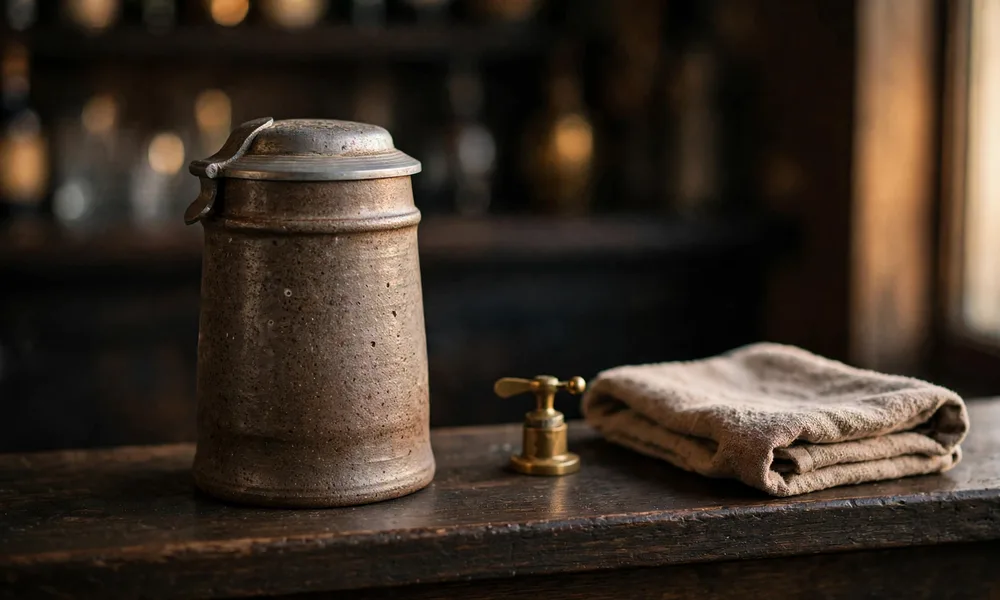
The classic lidded ceramic stein is the one most people picture when they hear the word, and it has earned that place over centuries. It is a heavy, hand-painted or glazed ceramic body with a handle you can grip properly and a hinged pewter lid that flips open with a thumb lever. The thick ceramic keeps a lager cold far longer than glass, the lid keeps dust and insects out at a garden table, and the weight makes the beer feel like an occasion rather than a refreshment.
The Glass Stein
The glass stein is the choice for people who want the stein’s shape and the glass’s view. A thick glass body with a proper handle holds a full measure, shows the golden colour and the stream of bubbles, and lets the foam settle into a neat, creamy head you can watch.
The Stainless Steel Stein
The stainless steel stein is the practical favourite of people who drink beer outside. A double-walled steel body keeps beer colder for longer than any other stein, it cannot break, and it survives camping, barbecues and garden parties that would destroy glass or chip ceramic.

The Stoneware Tankard
The stoneware tankard is the everyday stein, and it is the one most homes should buy first if they drink beer most evenings. It is a heavy, glazed mug with a handle, no lid and no fuss, made to be filled, drunk from and washed without ceremony. Stoneware keeps beer cool, stands steady on the table, and hides the wear of daily use that would show on glass.
How to Choose the Right Stein
Start with the beer you actually drink. If you drink lagers, buy a lidded ceramic stein of half a litre first: the thick body and the lid keep the beer cold and the foam thick. If you drink wheat beers, the same stein suits them, because the wide mouth holds the soft, pillowy foam they are known for. The beer itself matters as much as the vessel, and our guide to the best and worst beers of 2026 is the place to start if you are still finding the beers you like.
Material decides how the stein feels and how long it lasts. Ceramic is the traditional choice: heavy, insulating and beautiful, but it chips if it is knocked. Glass shows the beer and feels lighter, but it warms faster and breaks. Stainless steel is the toughest and coldest, but it hides the beer.
Check the lid before you buy a lidded stein: it is where a stein succeeds or fails. Open it with the thumb lever: it should flip smoothly and stay open while you drink, then close with a soft click rather than a clatter. Look at the hinge for wobble, and check the seal by filling the stein with water, closing the lid and tipping it gently. A good lid holds; a poor one weeps at the rim.
Buy steins in matching pairs or sets of four when you can, so everyone at the table drinks from the same vessel and the beer is served the same way. A matched set also makes washing and storing simpler, since every stein stacks or shelves the same way. If you collect, keep the everyday tankards separate from the decorated lidded steins, so the pieces you use daily take the wear and the pieces you display stay in good condition for years.
Getting the Pour Right
Pouring into a stein is a small skill, and it is worth learning properly. Chill the stein first: ten minutes in the fridge, or a rinse with cold water, takes the warmth out of the ceramic or glass. Tilt the stein at about forty-five degrees, pour the beer slowly down the side, then straighten the stein for the last third so the foam rises into a proper head.
Pour steadily, watch the foam, and stop when the head reaches the rim. A clean, cold stein and a steady hand give a proper pour almost every time, and a proper pour is the difference between a beer and a good beer.
Care: Keeping a Stein Clean and Sweet
A stein that is not cleaned properly will tell you the next time you use it, because old beer leaves a stale smell that no fresh pour can hide. Rinse with warm water as soon as the stein is empty, before the beer dries on the ceramic or glass. For a proper wash, use warm water and a drop of mild soap, and wash by hand: most steins, especially lidded ceramic ones, are not dishwasher safe, and the hinge and the painted glaze suffer in a machine.
Dry the stein upside down on a rack so no water pools inside, and store it with the lid open so air can circulate and no musty smell builds up. A stein that smells of nothing is a stein ready for the next beer, and a quick sniff before you pour is the habit that keeps it that way.
Stein Buying Checklist
- Check the capacity: half a litre is standard, with room for a proper head of foam on top.
- Hold it empty and full: it should feel balanced, with a handle that fits two fingers easily.
- Test the lid: it should open smoothly with the thumb lever and close with a soft click.
- Run a finger around the rim: it should be smooth and even, with no chip or rough glaze.
- Set it on a flat surface: the base should sit flat with no wobble when full.
- Confirm how it washes: hand wash lidded ceramic steins, and check the hinge survives cleaning.
Frequently Asked Questions
What is a beer stein?
A beer stein is a heavy mug with a handle, traditionally made from ceramic, glass or metal, and often fitted with a hinged lid. It holds a large measure of beer, keeps it cold, and gives it a thick head of foam.
Why do steins have lids?
The lid keeps the beer cold, keeps dust and insects out, and keeps the aroma in until you lift it. The tradition dates back to times when covered drinking vessels were the norm, and it still makes sense at a garden table or a festival.
What size stein should I buy?
Half a litre is the standard size and the best place to start, with room for a proper head of foam.
Can beer steins go in the dishwasher?
Most lidded ceramic steins should be washed by hand, because the dishwasher damages the hinge and the painted glaze. Plain glass and steel steins often survive the machine, but hand washing keeps every stein looking better for longer.
Are steins only for lager?
No. Steins suit lagers and wheat beers best, because the wide mouth holds their foam well, but they work for any beer served cold. A glass stein suits dark stouts too, since it shows the deep colour.
Do I need a stein if I already own beer glasses?
They do different jobs, so owning both is reasonable. Use glasses when you want to study a beer’s colour and aroma, and use a stein when you want the beer to stay cold and foamy through a long evening. If you are building a home bar, our guide to the best home bar essentials shows where a stein fits beside the glasses.
The Bottom Line
The best stein is the one you reach for every week, not the one you save for festivals. A half-litre lidded ceramic stein, with a lid that opens smoothly, a handle that fits your hand and a pour that holds its foam, will keep almost any lager colder and better than a thin glass ever could.


