
Sweet chili sauce is the condiment that makes a plate of spring rolls feel complete and a tray of chicken wings taste like something from a proper Thai restaurant. It is glossy, orange-red and flecked with chili, and it lands in that happy place between sweet and hot: sugary enough to please, spicy enough to wake the mouth up, and tangy enough to keep you dipping. The best sweet chili sauce in 2026 is one that balances heat and honey in the same spoonful, and the right bottle depends on whether you are dipping, glazing or cooking with it. Most bottles look alike on the shelf, but they do not taste alike.
This guide explains what sweet chili sauce is, how the Thai-style original differs from thicker Western versions, and how to pick a bottle that earns its place in your fridge.
Key Takeaways
- A good sweet chili sauce balances sugar, chili heat, garlic and vinegar, so no single note shouts over the others.
- Look for chili, sugar and vinegar near the top of the ingredients, and be wary of bottles where corn syrup comes first.
- Thin, pourable sauces are made for dipping, while thicker ones cling better as a glaze on wings and ribs.
- Use it by the spoonful rather than the cupful: a little lifts a dish, while a flood of it turns dinner into dessert.
- An opened bottle keeps for months in the fridge, and it is at its best with fried food, grilled meat and spring rolls.
What Sweet Chili Sauce Actually Is
Sweet chili sauce, sometimes written as sweet chilli sauce, is a Thai-style condiment built on four ingredients: red chili, sugar, vinegar and garlic. The classic version, known in Thailand as nam chim kai, is a translucent, syrupy sauce with visible flecks of chili and garlic suspended in it. It is sweet first, hot second and sharp third, and that order matters. The sugar arrives first on the tongue, the chili warmth builds a moment later, and the vinegar keeps the whole thing from feeling heavy or cloying.
The Sweetness and Heat Balance
The whole point of sweet chili sauce is the balance between sweetness and heat, and that balance is where good bottles separate from poor ones. Sugar without heat is just syrup, and heat without sugar is just another hot sauce. The best bottles hold the two in tension: you taste the honeyed sweetness, then the chili warmth arrives, and the two fade together instead of fighting. Vinegar is the quiet third partner, cutting through the sugar so the sauce stays bright rather than sticky and dull.
Heat levels vary more than most shoppers expect. A mild sauce gives only a gentle tingle, the kind of warmth a cautious eater can enjoy. A medium one gives a proper glow that lingers for a few seconds. A hot one can genuinely bite, so it is worth checking the label before serving it to guests who assume all sweet chili sauce is mild. The chili flecks are a rough guide: large, plentiful flecks usually mean more heat, while a smooth sauce with few flecks is usually milder. Sweetness varies too. Bottles made with cane sugar or honey taste rounded and warm, while those built on corn syrup taste flat and one-dimensional.
The Main Styles of Sweet Chili Sauce, Compared
There is no single official style of sweet chili sauce, but most bottles fall into one of four broad groups. Knowing which group a bottle belongs to tells you how to use it.
| Style | Texture | Sweetness and heat | Best for |
|---|---|---|---|
| Classic Thai dipping sauce | Thin, syrupy, pourable | Balanced, mild to medium heat | Spring rolls, dumplings, fried chicken |
| Thick glazing sauce | Thick, jam-like, clings well | Sweeter, mild heat | Wings, ribs, roasted vegetables |
| Hot and spicy version | Medium, with visible chili flecks | Less sweet, real chili bite | Grilled meat, noodles, marinades |
| Fruity or pineapple style | Thin to medium | Bright, fresh sweetness | Prawns, fish, fresh spring rolls |
Reading the Label Before You Buy
The label tells you almost everything you need to know about a bottle of sweet chili sauce, and it is worth thirty seconds of your time. The first three or four ingredients should be some combination of chili, sugar, vinegar, garlic and water. If the first ingredient is water and the second is corn syrup, the bottle is mostly sweetened water with chili flavouring, and it will taste like it. If chili appears near the end of a long list, expect a mild, sweet sauce whatever the picture on the front suggests.
Dipping Versus Glazing
Sweet chili sauce has two great jobs, dipping and glazing, and they ask different things of the bottle. As a dip, the sauce should be thin enough to coat food in a single dunk and bright enough to cut through fried richness. Spring rolls, chicken nuggets, prawn crackers, dumplings and fried calamari all benefit from a dip that is sweet, sharp and lightly hot. Serve it in a small bowl rather than pouring it over the food, so each bite gets exactly as much as it needs.
As a glaze, the sauce needs to cling. Brushed onto chicken wings, ribs, salmon fillets or roasted carrots in the last few minutes of cooking, the sugars caramelise into a sticky, glossy coat. The trick is timing: brush it on too early and the sugar burns before the meat is cooked; brush it on in the last five minutes, or toss hot cooked food through the sauce in a bowl, and it stays sweet and shiny instead of bitter. A thin sauce can be reduced in a small pan for a minute or two until it coats the back of a spoon.

Dishes Where Sweet Chili Sauce Shines
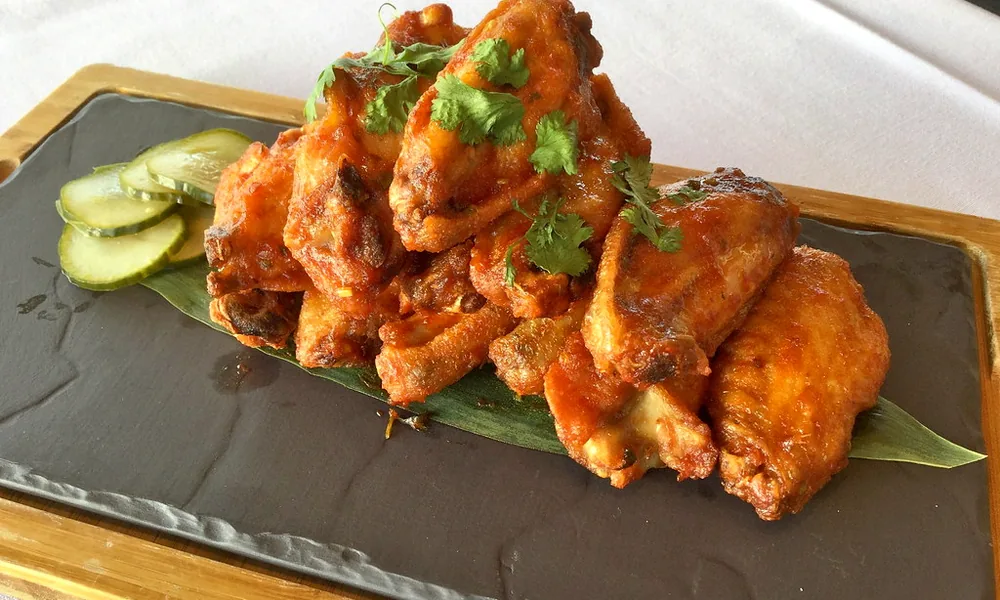
Fried food is the natural home of sweet chili sauce. Spring rolls are the classic partner: crisp, salty pastry against sweet, tangy sauce is a combination that has lasted for good reason. Chicken wings are the other great match, whether the sauce is served alongside for dipping or tossed through the wings as a glaze. Prawn toast, fried calamari, chicken nuggets and tempura all work the same way, because the sauce cuts through the richness of frying and adds a sweet heat that plain salt cannot provide.
For more ideas on the sauces that sit beside it in the pantry, our guide to hoisin sauce covers the sweet-savoury staple that shares its love of duck wraps and glazes, and our gochujang guide looks at the Korean chili paste that brings a deeper, fermented heat to the same kinds of dishes.
Mistakes That Ruin a Good Bottle
The most common mistake is drowning the food. Sweet chili sauce is a condiment, not a soup, and a plate swimming in it tastes sugary and one-note no matter how good the bottle is. Serve it in a small bowl, dip rather than pour, and let people come back for more. The second mistake is cooking it too long. A sauce that simmers for twenty minutes loses its bright chili character and turns dark and bitter, so add it at the end of cooking, not the start.
The third mistake is buying on heat alone. A bottle marketed as extra hot may have very little sweetness, and one sold as sweet may have almost no chili at all. Read the label and, if you can, taste before you commit to a large bottle. The fourth mistake is using it as a marinade without thinning it. Undiluted, the sugar burns on the grill before the inside of the meat is cooked, so mix it with a little oil, soy sauce or lime juice for marinades, and save the straight sauce for dipping and finishing.

Storage, Shelf Life and Substitutes
An unopened bottle of sweet chili sauce keeps for a year or more in a cool cupboard, and the date on the bottle is a good guide. Once opened, keep it in the fridge with the cap on tight. The sugar, vinegar and salt act as preservatives, so an opened bottle stays good for six months and often much longer, though the colour may darken and the heat may soften over time. If it smells sour beyond its usual vinegar tang, or if mould appears around the cap, throw it away. The sauce thickens slightly when cold, so let it sit at room temperature for ten minutes before serving.
If you run out, mix sriracha with honey and a splash of rice vinegar, roughly two parts chili sauce to one part honey, with a pinch of garlic. For a closer match, look to teriyaki sauce, which brings a similar sweet glaze, though it is saltier and lacks the chili bite.
Checklist: Choosing a Bottle
- Chili, sugar, vinegar and garlic appear near the top of the ingredients list.
- The sauce is glossy and translucent, with visible chili flecks rather than a smooth, opaque red.
- Sweetness and heat are balanced on tasting, with a bright vinegar finish rather than flat syrup.
- The thickness matches the job: thin for dipping, thick for glazing.
- The bottle is a sensible size for how often you will use it, since an opened bottle lasts months in the fridge.
- The heat level suits everyone at the table, or you have a milder bottle for cautious eaters.
Frequently Asked Questions
Is sweet chili sauce the same as sriracha?
No. Sweet chili sauce is sweet first, with chili heat as a supporting note, and it is glossy and syrupy. Sriracha is a fermented chili sauce that leads with garlic and chili heat and is much less sweet. They can substitute for each other in a pinch, but they taste quite different.
Is sweet chili sauce very spicy?
Most bottles are mild to medium, with a gentle warmth rather than a fierce burn. Hot versions exist, so check the label for a heat rating. If you are unsure, taste a small amount before serving it to guests.
Can I use sweet chili sauce as a marinade?
Yes, but thin it first with oil, soy sauce or lime juice. Used straight, the sugar can burn on the grill before the meat is cooked through. It works best as a finishing glaze or a dip, added at the end of cooking.
Does sweet chili sauce need to be refrigerated after opening?
Yes. Keep an opened bottle in the fridge with the cap on tight, and it will stay good for at least six months. The sauce thickens when cold, so let it warm up for ten minutes before serving.
What is the difference between sweet chili sauce and chili jam?
They are close cousins. Chili jam is usually thicker, darker and more concentrated, often made to spread on toast or cheese. Sweet chili sauce is thinner and more pourable, made for dipping and glazing rather than spreading.
Is sweet chili sauce gluten-free?
Many bottles are, since the classic recipe contains no wheat, but not all of them. Some brands add soy sauce or thickeners that contain gluten, so check the label if it matters to you.
The Bottom Line
Sweet chili sauce earns its place in the fridge by doing one thing very well: balancing sweetness and heat in a way that flatters fried food, grilled meat and fresh rolls alike. Pick a bottle with chili, sugar, vinegar and garlic near the top of the label, choose thin for dipping and thick for glazing, and use it by the spoonful rather than the jug. Get those three things right and a single bottle will quietly improve a surprising number of dinners.


