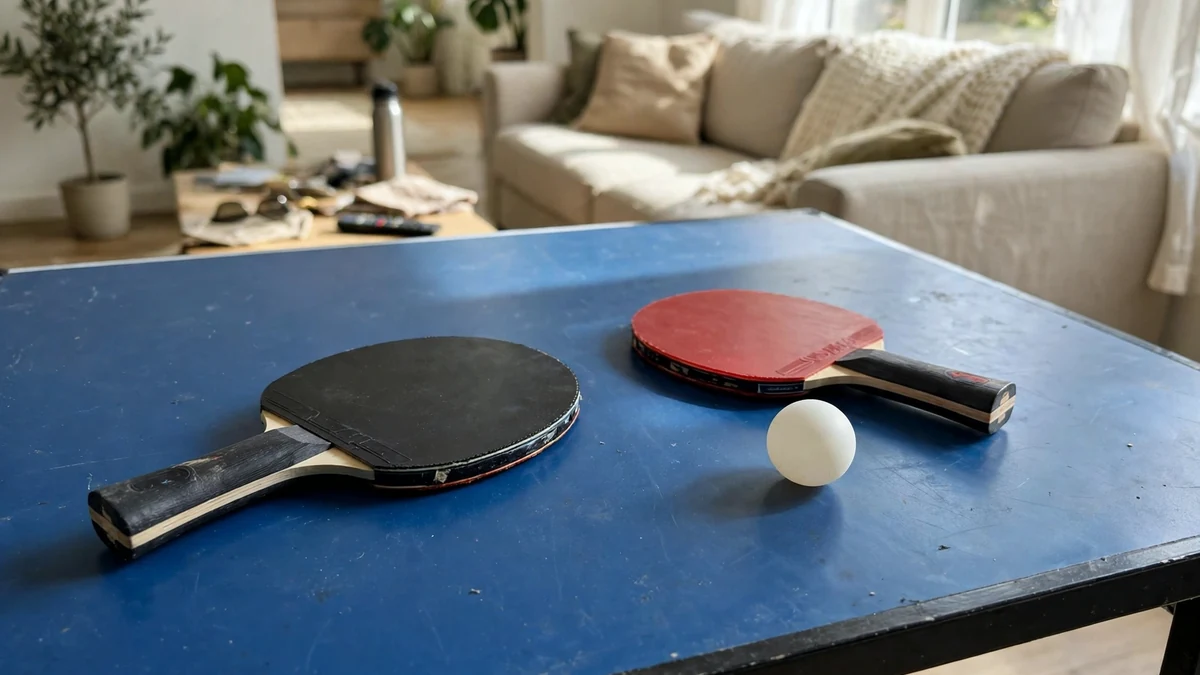
A table tennis paddle looks simple: a flat wooden blade, a handle, and a sheet of rubber on each side. Yet the difference between a good paddle and a bad one shows up within the first rally. A good paddle gives you a clean, predictable bounce, enough grip to put spin on the ball, and a handle that stays comfortable through a long evening of games. A bad paddle feels dead in the hand, sends the ball wherever it pleases, and makes even easy returns feel like guesswork. The best table tennis paddles of 2026 are the ones that get those basics right, whether you are playing your first game at home or sharpening your technique at a club.
What Makes a Great Table Tennis Paddle
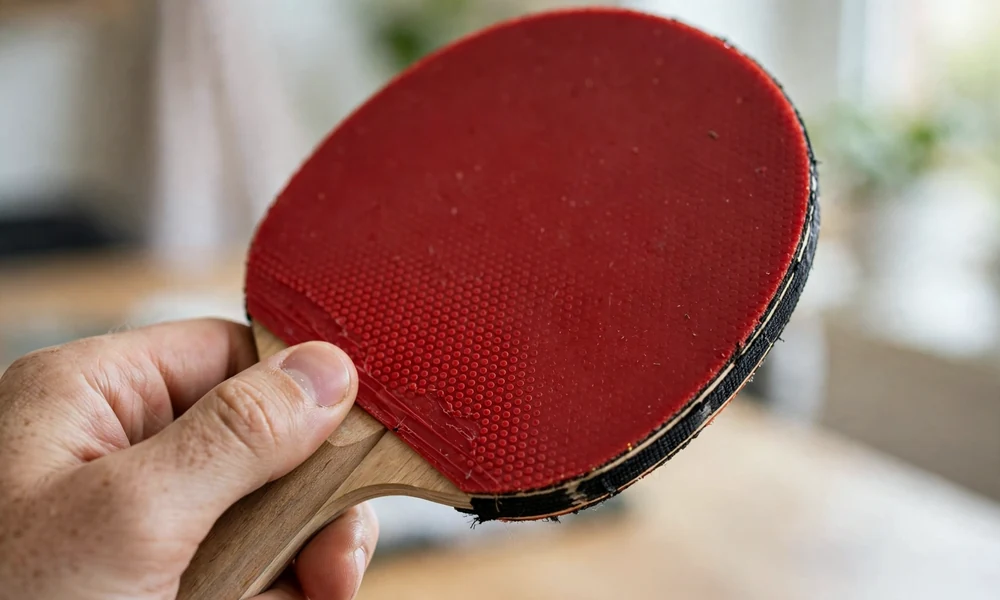
The rubber does most of the work. Modern table tennis rubbers are tacky or grippy, and that grip is what lets you brush the ball to create topspin, backspin and sidespin. A worn, smooth or dusty rubber cannot grip the ball, so shots slide off the face and land short or wide. Fresh rubber with a clean surface makes an immediate difference, which is why even a modest paddle with good rubber often plays better than an expensive paddle with tired rubber.
Under the rubber sits a layer of sponge, and its thickness shapes how the paddle plays. Thin sponge, around one to two millimetres, gives more control and a softer touch, which suits beginners and players who value placement over power. Thicker sponge, around two millimetres and above, stores more energy and returns the ball faster, which suits attacking players who drive and loop the ball. Most ready-made paddles use a medium sponge that balances the two, and that is the right starting point for most people.
The blade is the wooden core, usually made from several thin layers of wood glued together. Lighter blades, around 150 to 170 grams for the whole paddle, feel quick and are easier to move for fast reactions at the table. Heavier blades add power but can tire the wrist over a long session. Carbon layers inside some blades add stiffness and speed, which helps advanced players but can make the paddle harder to control for a beginner. If you are not sure, a plain wooden blade is the safer choice.
The handle matters more than most buyers expect. Shakehand handles come in flared, straight and anatomic shapes: flared widens towards the end and stops the paddle slipping, straight suits players who change grip often, and anatomic follows the shape of the palm. Penhold handles are shorter and suit a different grip style, common among players trained in Asia. Hold the paddle in the shop if you can. If the handle feels too thick, too thin or awkward after a minute, it will feel worse after an hour.
The Main Types of Table Tennis Paddle
Ready-made paddles are the standard choice for almost everyone. The rubber and sponge are factory-fitted, the balance is set, and the paddle is ready to play. They cost far less than a custom setup and they cover every skill level from first game to club league. Custom paddles, where you choose a blade and two rubbers separately, offer finer control over speed, spin and feel, but they cost more and demand knowledge about what suits your game. Start ready-made, and only go custom when you know exactly what you want to change.
The Best Table Tennis Paddles of 2026
Best Overall: STIGA Pro Carbon Performance
The STIGA Pro Carbon is the paddle to buy if you want one paddle that does everything well. Its carbon layers add real speed without making the paddle feel wild, and the rubber grips the ball firmly enough for confident topspin. The flared handle sits comfortably in most hands, and the build quality is a clear step above cheaper sets. It suits improving players who have moved past their first paddle and want something that will keep up as their game grows, and it is equally at home in a casual game at home.
Best for Beginners: Palio Expert 3.0
The Palio Expert 3.0 is a favourite first paddle for good reason. It is light, forgiving and consistent, with rubber that grips the ball well enough to learn spin without punishing small mistakes. The handle is comfortable for adult and older teenage hands, and the paddle holds up well to regular play. It costs far less than the premium picks in this guide while playing noticeably better than the paddles that come free with a folding table. For a first proper paddle, it is hard to beat.
Best for Spin: JOOLA Infinity Overdrive
If spin is your weapon, the JOOLA Infinity Overdrive deserves a look. Its rubber is notably grippy, so brushing the ball produces heavy topspin that dips sharply onto the table, and its sponge gives serves real bite. The blade is quick but not uncontrollable, so you can still place the ball where you want it. It suits players who already loop and serve with spin and want a paddle that rewards that style. Beginners may find it a little lively, but improvers will love it.
Best for Control: Butterfly 401
The Butterfly 401 is built for players who win points with placement rather than power. Its softer sponge and grippy rubber give a long, controlled contact with the ball, so blocks land on the table and pushes stay low. The paddle feels calm and predictable, which makes it a strong choice for players who block, chop and build rallies patiently. It is also a good pick for older players or anyone returning to the game after a break who wants confidence before speed.
Best Budget Pick: DHS A4002
The DHS A4002 proves that a cheap paddle does not have to play cheap. It is a solid all-round paddle with decent rubber, a comfortable flared handle and a balanced feel that works for family games and casual play alike. It will not match the spin or speed of the premium paddles here, but it is a genuine step up from the paddles bundled with cheap table sets. For a spare paddle, a holiday home or a first taste of the game, it is excellent value.
Best for Families and Kids: JOOLA Inside
The JOOLA Inside is a light, easy paddle that works well for younger players and for family games where several people share one paddle. Its smaller feel and forgiving rubber make it easy to get the ball over the net, which keeps rallies going and keeps new players interested. It is also a sensible second paddle to keep beside a faster main paddle, so a beginner partner is not handed a blade they cannot control. Durable, light and friendly, it does the family job very well.
Best Premium Pick: Butterfly Timo Boll Set
The Butterfly Timo Boll set is the premium choice in this guide, named after one of the greats of the modern game. It pairs a quality blade with high-grip rubbers that offer serious spin and speed while keeping a surprisingly controlled feel. The finish and balance are excellent, and it suits committed club players who train regularly and want equipment that matches their ambition. It costs more than the other paddles here, but for a player who plays several times a week, the difference is easy to feel.
How to Choose the Right Paddle
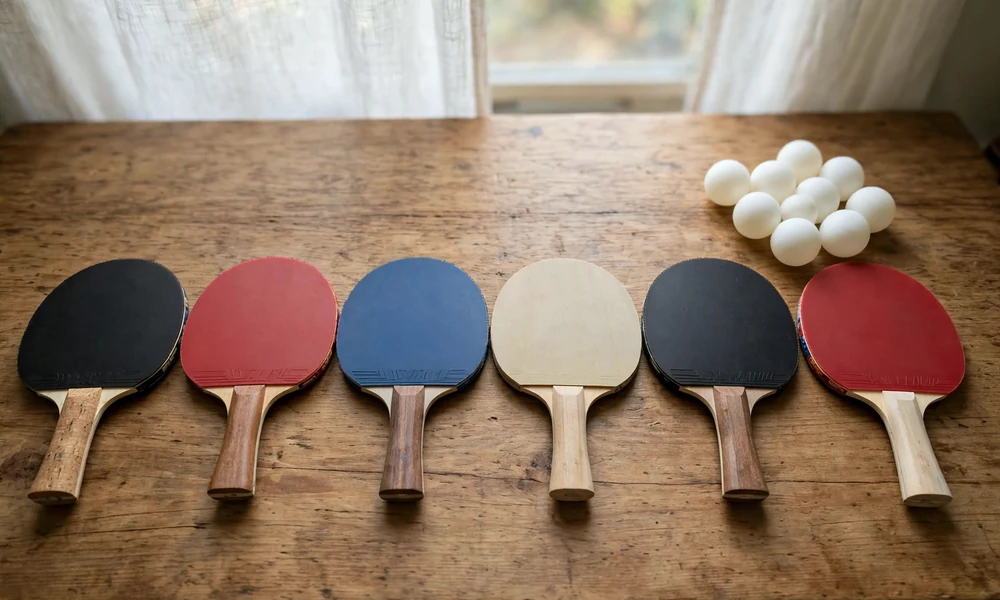
Start with your level, honestly assessed. If you are new to the game, choose an all-round paddle with medium sponge and good control, such as the Palio or the DHS picks above. If you play at a club and know your style, match the paddle to it: thicker sponge and grippier rubber for attackers, softer and slower for defenders. Buying the fastest paddle you can find is the most common beginner mistake, and it usually makes the game harder, not better.
Next, think about grip and weight. A paddle that feels heavy after a few minutes of shadow swings will feel heavier still in a real match, so favour lighter paddles unless you know you like the extra weight. Try both flared and straight handles if you can, and remember that a grip that suits a large hand may not suit a small one. Children and players with smaller hands are usually happier with a lighter paddle and a slimmer handle.
Finally, consider where you will play. A paddle kept by the table at home needs to survive being picked up by everyone, so durability and value matter. A paddle carried to a club needs a case to protect the rubber, and a player who trains seriously should budget for replacing the rubber or the paddle itself as it wears. Table tennis shares its quick reactions and hand-eye demands with other racket sports, so if you also play on court, our guide to the best tennis rackets 2026 is a useful companion read.
Common Mistakes to Avoid
The biggest mistake is buying on looks alone. A paddle with a flashy design and a famous name can still have poor rubber that will not grip the ball. Check that both sides of the paddle have proper table tennis rubber, one red and one black, as the rules require, and that the rubber feels slightly tacky rather than smooth and shiny. Another common mistake is leaving a paddle in a hot car or a damp garage, which warps the blade and ruins the rubber. A third is playing with a paddle whose rubber has gone smooth with age: if the ball slides across the face instead of gripping, it is time for a new paddle or new rubber.
Caring for Your Paddle
A little care keeps a paddle playing well for a long time. Wipe the rubber with a damp cloth or a rubber cleaner after play to remove dust, and store the paddle in a case away from heat and sunlight. Never leave it on a radiator or in a car on a hot day. Keep a spare ball or two with the paddle so a game can start whenever the mood strikes, and if you play with friends who use a different style, a second paddle with a different feel makes the game fairer and more fun. Players who enjoy quick indoor games often like a change of pace too, and our guide to the best badminton rackets 2026 covers a racket sport that is easy to pick up in a garden or hall.
The Verdict
The best table tennis paddle is the one that matches your game today, not the one with the highest speed rating. For most players, the STIGA Pro Carbon is the strongest all-round choice, the Palio Expert 3.0 is the best first paddle, and the DHS A4002 is the best value spare. Choose an all-round paddle, look after the rubber, and spend the money you save on balls and table time. The rallies will get longer, the spin will come, and the game will be more fun for everyone at the table. And when the paddles go back in their case for the evening, a quieter game can round off the night: our guide to the best board games 2026 has plenty of ideas for the whole table.