Tripods Worth Buying: The Best Stands for Steady Shots in 2026
The best tripod in 2026 is not the tallest, lightest, or most expensive one on the shelf. It is the stand that holds your camera perfectly still where you actually shoot, and that you are willing to carry to the places where the pictures happen. A tripod is the least glamorous item in a photographer’s kit, and the one that most directly decides whether a shot is sharp or softly ruined. Cameras have become astonishingly good at high sensitivities, but no sensor can rescue a long exposure taken on a stand that sways or slowly sinks under the weight of the lens.
This guide compares the tripods worth buying in 2026 by stability, folded size, weight, and head type, matched to your camera, your subjects, and your patience for carrying it.
Key Takeaways
- Buy a tripod rated for at least twice the weight of your heaviest camera and lens combination, because a stand used near its limit will flex, creep, and vibrate.
- Full-size tripods are the steadiest choice for landscapes, studios, and long lenses, while travel tripods trade some stability for a folded length that fits in a daypack.
- Carbon fibre saves roughly a third of the weight of aluminium and damps vibration better, but a good aluminium tripod is steadier per pound spent.
- A ball head is fastest for stills and the best all-rounder, a three-way head gives precise control for architecture and video, and a gimbal head is the right tool for heavy telephoto lenses.
- The best tripod is the one you actually take with you, so folded length and packed weight matter as much as maximum height.
Tripods 2026 at a Glance
| Tripod type | Best for | Folded length | Typical weight | Load capacity |
|---|---|---|---|---|
| Full-size tripod | Landscapes, studio, long lenses | 55 to 70 cm | 1.8 to 3 kg | 8 to 15 kg |
| Travel tripod | Holidays, hiking, city breaks | 35 to 45 cm | 1 to 1.6 kg | 4 to 8 kg |
| Tabletop tripod | Desks, video calls, macro work | 15 to 25 cm | 0.2 to 0.6 kg | 1 to 3 kg |
| Phone tripod | Phones, vlogging, timelapses | 15 to 30 cm | 0.15 to 0.5 kg | 0.5 to 1 kg |
| Monopod | Sport, wildlife, crowded events | 45 to 60 cm | 0.5 to 1 kg | 5 to 10 kg |
How We Picked the Best Tripods
We judged every tripod on stability first, because a stand that moves is worse than no stand at all. We checked load capacity against real camera and lens combinations, how the legs lock, how smoothly the head moves, and whether the stand stays put on uneven ground. Folded length and weight came next, because a tripod left at home takes no photographs. The best cameras of 2026 are only as sharp as the support underneath them, so every pick here was matched to the cameras people actually pair with a tripod.
Full-Size Tripods: The Steadiest Choice
A full-size tripod is the benchmark for stability. With thick leg sections, a wide stance, and a sturdy centre column, it holds a camera still in wind, on soft ground, and under a heavy lens. For landscapes at dawn, studio portraits, and telephoto work, this is the stand to buy. The trade-off is bulk: typically 55 to 70 centimetres folded and two to three kilograms, so it suits car-based trips and planned shoots more than long hikes.
Look for leg locks that operate with one hand, legs that spread to at least two angles for low macro work and wide stances on slopes, and a hook under the centre column: hang your bag from it and the extra weight steadies the stand in a breeze. Avoid extending the centre column unless you must, because a raised column magnifies every vibration.
Travel Tripods: Small Enough to Carry Everywhere
A travel tripod is designed around one idea: it folds small enough to fit in a daypack or strap to a carry-on, so it is with you when the light turns good. The legs fold back over the head, shrinking the packed length to 35 to 45 centimetres, and the whole stand weighs around a kilogram. That portability is worth a small sacrifice in ultimate stability.
Travel tripods suit holidays, city breaks, and hikes where a full-size stand would be left behind. Paired with a mirrorless camera and a standard zoom, one is rock steady in normal conditions, though a heavy telephoto in strong wind will show its limits. Carbon fibre travel tripods are the sweet spot for frequent travellers: light enough to carry all day and stiff enough to trust.
Tabletop Tripods: Small Stands for Close Work
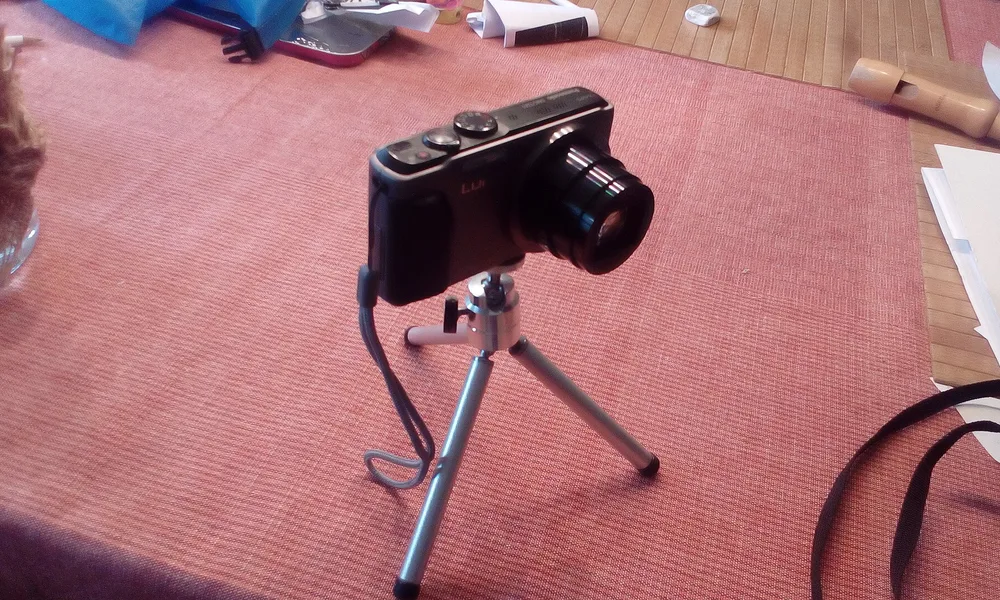
A tabletop tripod is a short, sturdy stand that sits on a desk, a wall, or a rock, holding a camera a few inches off the surface. It is the right tool for macro photography, product shots, video calls, and timelapses, where a full-size stand is overkill. The best tabletop models have ball heads and legs that splay wide, so they hold a mirrorless camera steady, and some fold flat enough to slip into a jacket pocket.
Do not judge a tabletop tripod by size alone. A cheap one with plastic legs will creep under a camera’s weight within minutes, ruining a long exposure, while a good one uses metal legs, a proper ball head, and a quick-release plate for little more. At a desk it also pairs well with a ring light: our guide to the best ring lights for video calls and content covers setups where a small, steady stand makes all the difference.
Aluminium or Carbon Fibre: Which Material Wins?
Aluminium tripods are heavier, cheaper, and tougher in everyday knocks, suiting beginners, studio use, and anyone who wants maximum stability per pound spent. An aluminium stand at the same price is usually sturdier, because the maker can afford thicker tubes. The downside is weight: a full-size aluminium tripod can feel like carrying a second camera, and cold metal is unpleasant to handle in winter.
Carbon fibre costs more but weighs roughly a third less, damps vibration faster, and stays comfortable to hold in cold weather. For hikers and travellers that saving is worth the price, though carbon fibre can crack rather than dent if struck hard on a rock, so check the tubes after a fall. A good aluminium tripod beats a cheap carbon fibre one, while a good carbon fibre tripod is the best stand you can buy if the budget stretches.
Ball Heads, Three-Way Heads, and Gimbal Heads
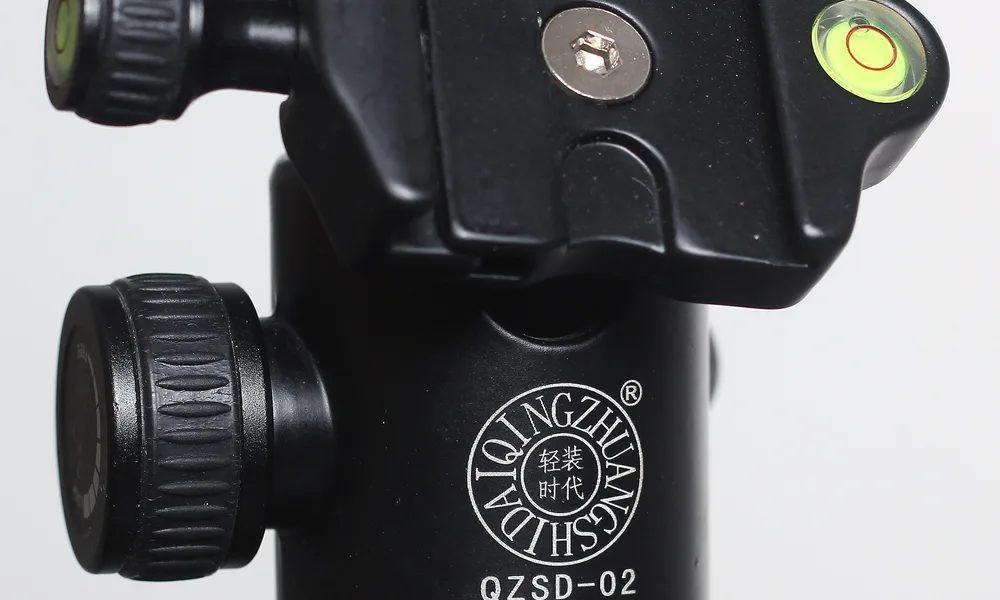
The head is the part you touch every time you shoot, and choosing the wrong one is the most common tripod mistake. A ball head uses a single locking knob to free the camera in every direction at once, making it fast and intuitive: the best all-rounder for stills, landscapes, and travel. Look for one with a separate pan lock and friction control, so you can frame precisely without the camera flopping when you loosen the knob.
A three-way head has separate handles for tilt, pan, and roll, giving exact, repeatable adjustments. It is slower but better for architecture, product photography, and video, where a fraction of a degree matters. A gimbal head balances a long telephoto lens at its centre of gravity, so a heavy lens feels weightless and swings smoothly to follow wildlife or sport.
Whatever head you choose, make sure it uses a quick-release plate system you can live with, and buy a spare: the plate stays on the camera, and losing it on a trip ends the shoot. Arca-Swiss compatible plates are the safest choice, because they work across brands.
Phone Tripods: Do You Need a Separate One?
Phones have become serious cameras, and a phone tripod is a small stand with a spring-loaded clamp instead of a plate. It suits vlogging, timelapses, night shots, and video calls, and the best ones fold to pocket size. If you shoot mostly on a phone, a dedicated one is worth buying: lighter and cheaper than a camera tripod, it holds the phone securely without scratching it.
Many camera tripods also accept a phone clamp, the flexible option if you shoot with both a phone and a camera. A phone on a full-size tripod is steadier in wind than on a mini stand, and the extra height suits video. Avoid a flimsy selfie stick passed off as a tripod: thin legs and a plastic head will not hold a phone still in a breeze. Once your shots are taken, our guide to the best photo printers of 2026 covers turning phone photos into prints worth keeping.

Getting Sharp Shots: Stability Habits That Matter
Even the best tripod needs good habits. Set the legs on firm ground and spread them wide before extending them, because a tall, narrow tripod is a wobbly one. Extend the thickest leg sections first and leave the thinnest sections, and the centre column, retracted whenever possible. In wind, hang your bag from the centre hook and keep the camera strap from flapping against a leg.
Use a remote shutter release or the camera’s two-second timer, because pressing the button shakes the camera as the exposure starts. For long exposures, lock the mirror up on a DSLR or use electronic shutter on a mirrorless camera to remove internal vibration. Check the head after every move: a ball head can loosen as the camera’s weight shifts, especially with a heavy lens pointing downhill.
Your Tripod Buying Checklist
- Match the load rating to your heaviest camera and lens, then double it for a safety margin.
- Check the folded length against your bag: if it does not fit, you will leave it behind.
- Test the leg locks with one hand, and make sure they hold firmly without slipping.
- Choose a ball head for stills and travel, a three-way head for precise work, or a gimbal for long lenses.
- Confirm the quick-release plate is Arca-Swiss compatible and buy a spare.
- Weigh the packed tripod with its head attached, because the quoted weight often excludes it.
Frequently Asked Questions
How much should I spend on a tripod?
Spend enough for a metal build and a proper head rather than the cheapest option. A good aluminium full-size tripod is a sound buy, and a carbon fibre travel tripod is worth the extra cost if you carry it often.
Is carbon fibre really worth the extra money?
It is worth it if you carry the tripod for hours or travel often, because the weight saving is real. If it mostly stays in a studio or a car, aluminium gives more stability for the same money.
What load capacity do I need?
Add the weight of your heaviest camera body and lens, then double it. A tripod rated for twice your load stays rigid in wind and on uneven ground; one used at its limit will sag and vibrate.
Can I use a tripod for video?
Yes, but a stills ball head is not ideal for smooth pans. For video, a three-way head with a pan handle or a dedicated fluid video head gives smoother movement.
Do I need a tripod if my camera has image stabilisation?
For handheld shots in good light, stabilisation is enough. For long exposures, night shots, timelapses, and macro work, nothing replaces a tripod.
How do I maintain a tripod?
Keep the leg locks clean, especially after sand or salt water, and rinse the legs after beach use. Check screws and plates every few months, and store the tripod dry.
The Bottom Line
The best tripod in 2026 is the one that holds your camera still, fits your bag, and comes with you every time you shoot. For most photographers, that is a full-size aluminium tripod for planned shoots or a carbon fibre travel tripod for everything else, topped with a good ball head and an Arca-Swiss plate. Spend for stability, not height or gadgets, match the load rating honestly to your kit, and test the leg locks before you buy.