A beanie is the simplest piece of winter clothing you can buy, and one of the easiest to buy badly. It is a tube of knitting with a folded cuff, and on the shelf every beanie looks much like every other. On your head, though, the difference is immediate. The best beanies of 2026 keep your ears warm, stay put in the wind, and still look good at the end of a long winter. The worst beanies slide up over your ears, itch within minutes, pill into a grey fuzz by Christmas, and end up forgotten at the back of a drawer.
This comparison puts the best beanies of 2026 head to head against the worst, judging them the way you would actually wear them: on a cold morning commute, on a windy walk with the dog, on a ski trip, and stuffed into a coat pocket between outings. We look at the fibre, the knit, the cuff, the fit, and whether the beanie still holds its shape after a season of hard wear. The same honest approach sits behind our comparison of the best and worst hats of 2026, which covers the wider world of headwear, while this guide goes deep on the one hat most of us reach for first when the temperature drops.
Key Takeaways
- Wool and wool blends are the warmest beanie fibres, staying warm even when damp, while acrylic is cheaper, softer and easier to wash.
- A folded cuff adds a double layer over your ears, which is where most of a beanie’s warmth actually comes from.
- Fit matters more than brand: the beanie should cover your ears fully without pressing on your forehead or sliding up.
- The worst beanies are thin, loosely knitted or badly shaped, and they pill, stretch and sag within weeks.
- Own two beanies, not one: a smart neutral for everyday wear and a thicker one for the coldest days.
What Makes a Beanie Good or Bad
A good beanie starts with warmth, and warmth comes from the fibre and the knit together. Wool traps warm air in its fibres and stays warm even when it gets damp, which is why a wool beanie still works in sleet and wet snow. A tight, even knit holds that warm air in, while a loose, open knit lets the wind cut straight through it. The cuff matters just as much: a folded cuff puts a double layer of knitting over your ears, and ears lose heat fast because they have little fat to insulate them. A beanie with no cuff, or a cuff that will not stay folded, leaves the ears cold no matter how good the rest of the hat is.
Comfort is the second test, and it decides whether the beanie gets worn at all. A good beanie feels soft against the forehead, sits level without pressing, and stays where you put it for hours. A bad one itches within minutes, presses a red line across your forehead, or slides up over your ears every time you move. Fit is part of comfort: beanies come in proper sizes more often than people think, and a beanie that is too small will ride up while one that is too large will sag over your eyes. The third test is durability. A good beanie keeps its shape after washing, while a bad one stretches out of shape, pills across the forehead, and looks tired within a month.
The Best Beanies of 2026
The best beanies of 2026 share three qualities: an honest fibre, a tight even knit, and a cuff that stays folded. They feel substantial in the hand without being heavy on the head, and they still look good after dozens of wears. Here are the types that earn their place by the door.
The classic ribbed wool beanie
The classic ribbed wool beanie is the hardest beanie to get wrong. It is warm without being bulky, it suits almost every coat and every face, and the ribbed knit grips just enough to stay put without pressing. A good one is made from wool or a wool blend, has a folded cuff that stays folded, and comes in a dark neutral that goes with everything. It is the beanie to buy first, because it is the one you will reach for on most winter days, and it is the one most likely to still be in use next winter.
The chunky knit beanie
The chunky knit beanie is the warmest everyday option for dry cold. Its thick yarn and deep ribs trap more warm air than a fine knit, and it looks the part on a snowy weekend. The best chunky beanies are made from wool or a wool blend, and they hold their shape rather than flopping over. They are too warm for mild days and too bulky to stuff into a pocket, so they are a second beanie rather than an only beanie, but on the coldest days of the year they are the one you will be glad to own.
The fleece-lined technical beanie
The fleece-lined technical beanie is the one for wind, skiing and the outdoors. A thin fleece lining inside the knit blocks the wind completely, which is something no knit on its own can do, and it keeps the ears warm even when you are standing still in a gale. The best ones are light, quick to dry, and cut close enough to fit under a hood. They are less smart than a wool beanie, so they are not the pick for the office, but for a mountain morning or a windswept walk they are the warmest practical choice you can make.
The cashmere beanie
The cashmere beanie is the smart pick: softer than wool, just as warm, and light enough to wear indoors without overheating. A good cashmere beanie feels like nothing on your head, which is exactly the point, and it looks better with a smart coat than any other beanie. The catch is care: cashmere pills if it is rubbed, and it needs hand washing in cool water. Buy it in a dark colour, keep it away from rough coat collars, and it will outlast cheaper beanies several times over.

The Worst Beanies of 2026
The worst beanies fail in predictable ways, and the warning signs are visible before you buy. A beanie that feels flimsy in the hand will feel colder on the head. A knit you can see through will let the wind through. A cuff that unfolds itself in the shop will not stay folded in a gale. Here are the types to leave on the shelf.
The thin single-layer acrylic beanie
The thin single-layer acrylic beanie is the most common bad beanie on the shelf, and the cheapest to make. It is light, soft and easy to wash, which is why it sells, but it is also thin, loosely knitted, and cold in any real wind. Acrylic does not trap warm air the way wool does, and a single layer of it is barely better than no hat at all once the temperature drops below freezing. It is fine as a spare for a mild day, but as a winter beanie it is a false economy, and it is the beanie most likely to be abandoned by January.
The beanie that pills and stretches
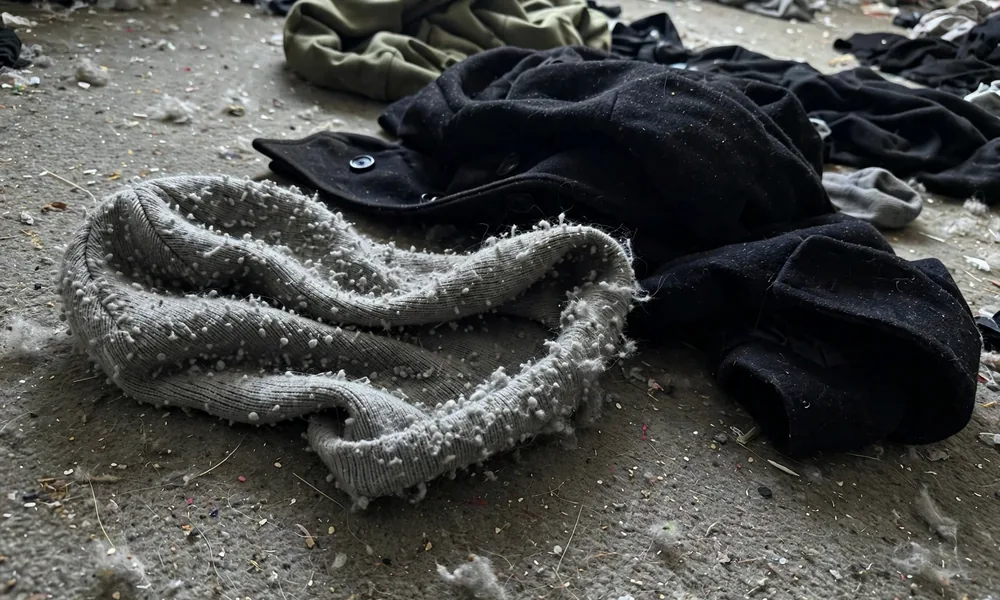
Some beanies look good in the shop and fall apart within weeks. The knit loosens, the cuff stretches out of shape, and the forehead fills with small balls of pilled fibre that no amount of picking will fix. Cheap acrylic and loose, uneven knitting are the usual causes, and once a beanie starts to pill it only gets worse. A beanie that has stretched will not stay on your ears either: it rides up, it sags over your eyes, and it looks tired long before the winter is over. Check the knit before you buy: pull it gently, and if it loses its shape in your hands, it will lose it faster on your head.
How a Beanie Should Fit
Fit is the test most people skip, and it is the one that matters most. A beanie should cover your ears completely, sit level across your forehead, and feel snug without pressing. If it slides up when you walk, it is too loose, too shallow, or the knit has stretched. If it leaves a red line on your forehead, it is too tight. Try it on with your coat, because a beanie that works with a collar and a hood is the one you will actually wear. The same rule applies to the rest of your winter kit: each piece has to work with the others, and our comparison of the best and worst scarves of 2026 shows how a good scarf and a good beanie together keep you warm without either one fighting the other.
Looking After Your Beanies So They Last
A good beanie lasts for years if it is looked after, and the care is simple. Hand wash wool and cashmere beanies in cool water with wool wash, press the water out without wringing, and dry them flat on a towel so they keep their shape. Never put a wool beanie in a hot wash or a tumble dryer: it will shrink, felt and come out fit for a doll. Acrylic beanies can go in the machine on a cool wash, but they still pill faster if they are washed too often, so wash them only when they need it. Keep beanies folded rather than hung, and keep a spare in the car or the office, because the best beanie is the one you have with you when the weather turns. The same habit applies to the rest of your cold-weather kit: our comparison of the best and worst gloves of 2026 shows how a warm pair of gloves and a good beanie together make the difference between a miserable commute and a comfortable one.
Frequently Asked Questions
Are wool beanies warmer than acrylic ones?
Yes, in most conditions. Wool traps more warm air and stays warm even when damp, while acrylic is cheaper, softer and easier to wash. A wool blend gives you most of the warmth with easier care.
Why does my beanie keep sliding up?
It is either too loose, too shallow, or the knit has stretched out of shape. A ribbed beanie with a folded cuff grips better than a loose slouchy one, and a beanie that is too small will ride up as well.
How do I wash a wool beanie without shrinking it?
Hand wash it in cool water with wool wash, press the water out without wringing, and dry it flat on a towel. Never use hot water or a tumble dryer.
The bottom line is simple: the best beanies of 2026 are the ones that cover your ears, block the wind, and feel good enough to wear all day, and for most people that is a classic ribbed wool beanie with a folded cuff. Own two, not one: a smart neutral for everyday wear and a thicker one for the coldest days. Buy the fibre honestly, check the knit and the cuff before you pay, and look after it properly. A good beanie is the cheapest warmth you will buy all winter, and the one you will wear the most, so it is worth choosing well rather than grabbing the first one on the rail.