Butter is the simplest food in the kitchen and one of the easiest to get wrong. It is just cream, churned until the fat separates, yet the dairy aisle is full of blocks, tubs, and spreads that look alike and taste nothing alike. Some of them are genuinely beautiful food: rich, creamy, faintly nutty, and made from good cream with nothing added but a pinch of salt. Others are pale, waxy, and flavourless, or worse, they are not really butter at all but a blend of oils and water dressed up in butter-coloured packaging.
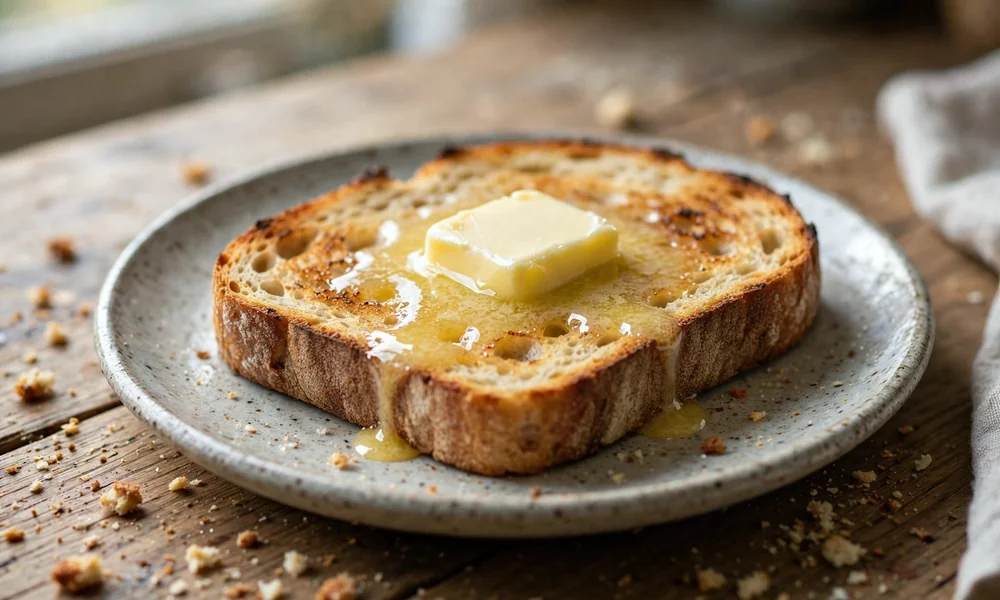
The gap between the best butters of 2026 and the worst is wide, and it shows up the moment the butter hits warm toast. This comparison puts them head to head, judging each butter the way you would actually use it: spread on bread, melted into cooking, browned for a sauce, and baked into pastry. We look at the ingredients, the flavour, the texture, how the butter behaves when it is heated, and whether it earns its place in the fridge or only its place on the shelf. A great butter tastes of cream and makes everything it touches taste better. A bad one tastes of nothing, or of cheap oil, and leaves you wondering why you bothered.
Key Takeaways
- A good butter lists cream and, at most, salt. Anything longer is a warning sign.
- Cultured and grass-fed block butters have the deepest flavour and the best cooking behaviour.
- Spreadable blends, whipped tubs, and flavoured butters are usually the worst value in the aisle.
- Cold butter should slice cleanly and spread without tearing the bread once it softens.
- The same honest approach sits behind our comparison of the best and worst cheeses of 2026, because butter and cheese belong on the same table.
How We Judged the Butters
We judged every butter on five things that matter at the table rather than on the packet. First, ingredients: whether the butter is cream and salt, or a longer list of vegetable oils, water, emulsifiers, and flavourings. Second, flavour: whether the butter tastes of fresh cream with a little depth, or of nothing at all, or of cheap oil. Third, texture: whether it slices cleanly from the fridge, softens evenly at room temperature, and spreads without tearing the bread. Fourth, cooking behaviour: whether it melts cleanly, browns into a nutty sauce, and holds an emulsion, or splits, spits, and burns. Fifth, value: whether the price matches what is actually in the block, because some of the most expensive butters in the aisle are the least impressive.
The Best Butters of 2026
Cultured Butter
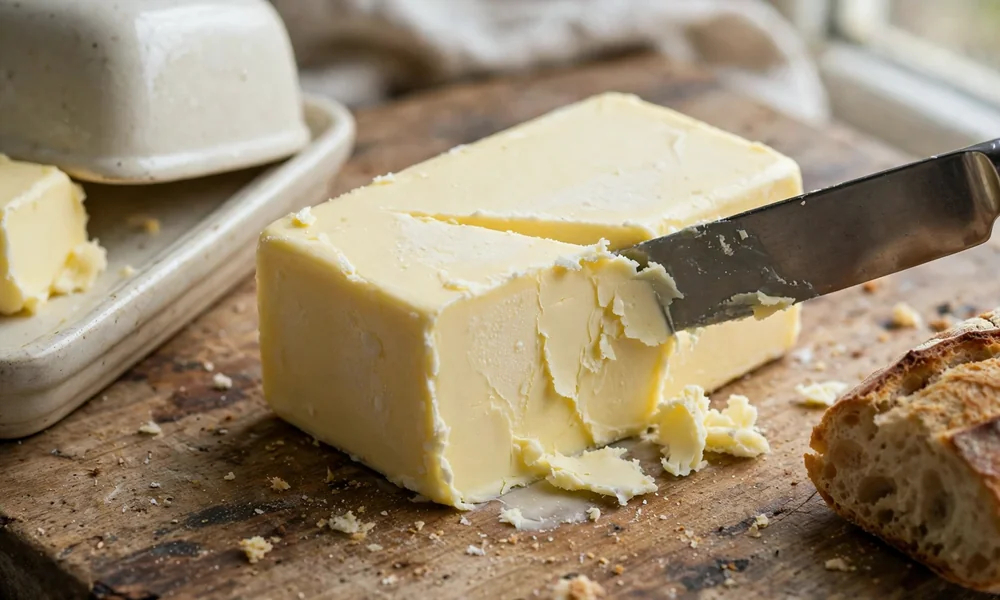
Cultured butter is the connoisseur’s choice, and it earns that position honestly. The cream is fermented with live cultures before churning, which gives the butter a gentle tang and a depth of flavour that ordinary butter does not have, a little like the difference between fresh milk and good yogurt. It smells faintly of hazelnuts and cream, it melts into a golden pool on warm toast, and it makes sauces taste as if you have done far more work than you have. It is more expensive than ordinary block butter, but a little goes a long way, because the flavour is so much stronger. Look for versions that list cultured cream and salt only, and keep it for the table and for finishing dishes, where you can actually taste it.
Grass-Fed Block Butter
Grass-fed block butter is the everyday winner, and it is the butter most kitchens should buy first. It is made from the milk of cows that graze on pasture, which gives the butter a deeper yellow colour, a richer flavour, and a slightly softer texture than butter from grain-fed herds. The best versions taste clean and creamy with a faint grassy sweetness, and they behave beautifully in the pan: they melt evenly, foam gently, and brown into a nutty beurre noisette without burning too quickly. It is also usually good value, because it is sold as a plain block without any premium packaging or marketing story. Check that the label actually says grass-fed and that cream is the only ingredient besides salt.
Salted Butter for the Table
A good salted butter is one of the great simple pleasures, and it deserves a place on every table. The salt does more than season the butter: it sharpens the flavour, balances the richness, and makes a plain piece of bread taste like a meal. The best salted butters use a light hand, around 1 to 2 percent salt, so the butter tastes seasoned rather than salty, and they use good cream underneath so the flavour has something to stand on. Keep it in a butter dish on the counter for a few hours so it softens, and it will spread like silk. Buy unsalted for baking, where you want to control the salt yourself, and keep the salted block for the table, where it belongs.
The Worst Butters of 2026
The worst butters are not bad because they taste terrible. Most of them taste of very little, which is the problem. They are bad because they borrow the name and the price of butter while delivering the flavour of cheap oil, and because they often cost as much as a good block while doing far less for you. Here are the styles to leave on the shelf.
Spreadable Blends Full of Oil
Spreadable blends are the biggest con in the dairy aisle. They are sold in tubs next to the butter, in butter-coloured packaging, with the word butter large on the lid, but the first ingredient is often vegetable oil or water, not cream. A typical blend is half butter and half oil, which makes it soft from the fridge but also makes it taste thin, greasy, and strangely flavourless, like butter that has been watered down. They are also poor in the kitchen: they split in a hot pan, they cannot be browned into a sauce, and they make pastry soggy rather than flaky. If you want butter that spreads from the fridge, leave a real block out for half an hour instead. It costs less and tastes like butter.
Whipped Butter That Is Mostly Air
Whipped butter looks generous in the tub, light and fluffy and easy to spread, but much of what you are buying is air. A tub of whipped butter can be a third air by volume, which means you are paying butter prices for something that disappears on the toast. The flavour is usually mild to the point of nothing, because the whipping dulls what little taste the butter had, and the texture collapses in cooking. It is also poor value in a way that is easy to miss, because the tub looks the same size as a block but weighs far less. A small block of good butter, softened on the counter, spreads just as easily and tastes far better, and you know exactly how much you are getting.
Cheap Butter That Tastes of Nothing
Cheap butter that tastes of nothing is the saddest item in the aisle, because it does the one thing butter should never do: it disappears. It is pale, waxy, and flavourless, and it melts into a thin grease that adds richness without adding taste. It is usually made from the cheapest cream available, churned quickly and sold at the lowest price, and it shows in every way that matters. On toast it is a smear of fat. In cooking it is a shortcut to greasiness. In baking it is the reason your pastry tastes flat. It is not a bargain if it makes everything you cook taste worse, and a smaller amount of a good butter is always the better buy. Spend a little more, use a little less, and taste the difference.

How to Read a Butter Label in Ten Seconds
Start with the ingredient list, because with butter it tells you almost everything. A good butter lists cream and, at most, salt. If the list includes vegetable oil, water, emulsifiers, flavourings, or colourings, you are not holding butter, whatever the front of the pack says. Next, check the fat content: real butter is around 80 to 82 percent fat, and anything much lower means water or oil has been added to bulk it out. Then look at the colour and the origin if they are given: a deep yellow usually means grass-fed cream, and a named dairy or region is a better sign than a vague brand promise.
Finally, look at the weight and the price per 100 grams, not the price per pack, because tubs and whipped butters hide their true cost in air and packaging. A block that looks expensive can be the cheapest per gram, and a tub that looks cheap can be the dearest. The same label-reading habit pays off elsewhere in the kitchen, and our comparison of the best and worst peanut butter of 2026 shows how the same ingredient check separates a good jar from a jar of sweetened oil. A butter that passes all four checks is almost always a good buy, whatever the brand.
Butter in the Kitchen
A good butter earns its place in the fridge by doing more than sitting on toast. Salted butter finishes a steak, enriches a pan sauce, and makes a plain piece of bread taste like a meal. Unsalted butter is the baker’s butter: it creams into cakes, laminates into pastry, and browns into a nutty sauce for pasta and fish. Clarified butter fries at high heat without burning and roasts vegetables to a golden edge. Even the humble block has a job that no spread can do: it holds its shape in pastry, which is what makes the layers flaky instead of soggy. The worst butters, by contrast, have almost no kitchen use at all, because their oil blends split in the pan and their whipped texture collapses in baking. That is the simplest test of all: if a butter is only useful spread on bread, it is probably not a very good butter. And if you want the perfect partner for it, our comparison of the best and worst breads of 2026 will help you find a loaf worthy of a good block.
The Verdict
The best butter of 2026 is a plain block. That is not a boring answer, it is the honest one. A cultured butter or a good grass-fed block, made from cream and salt and nothing else, does everything butter should do, and it does it for less money per gram than most of the tubs and blends around it. Keep a salted block for the table and an unsalted block for baking, leave them out to soften, and let the butter do the talking. The worst butters are the ones that hide behind convenience: spreadable blends full of oil, whipped tubs full of air, flavoured tubs with long ingredient lists, and cheap blocks that taste of nothing. They are not terrible as an occasional shortcut, but they should never be your everyday butter. Buy a block, read the label, and taste the cream.