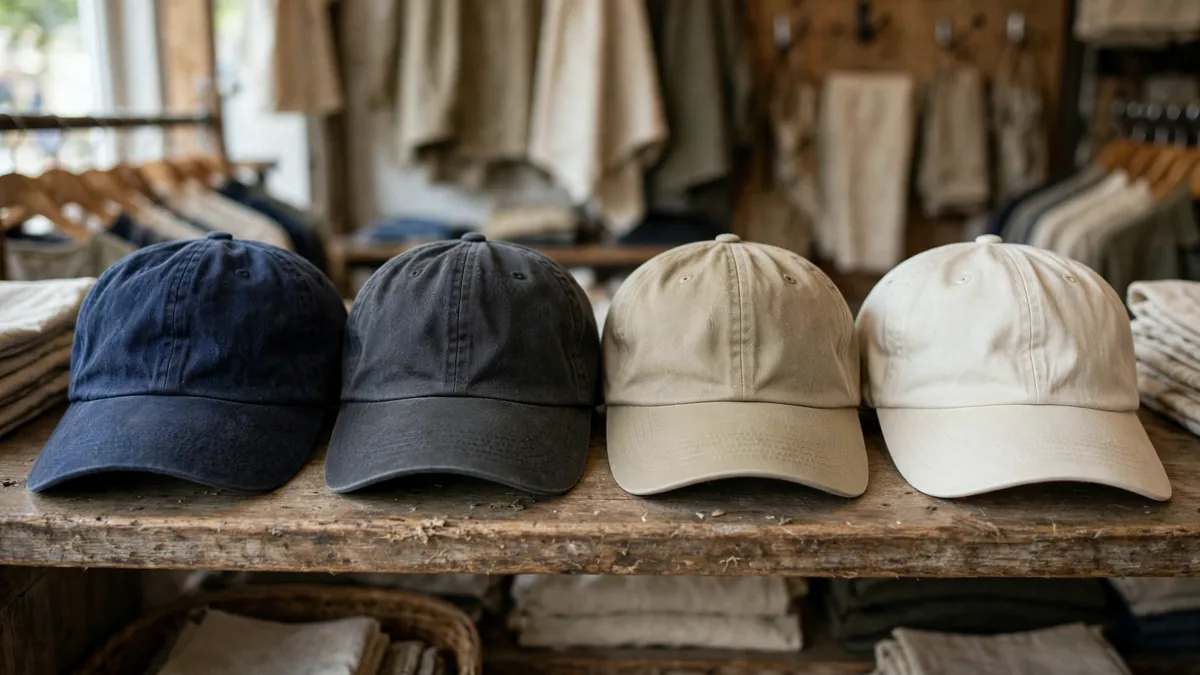
A cap is the most worn piece of headwear in the world, and one of the easiest to buy badly. It looks simple: six panels, a brim, a strap at the back. On your head, though, the difference between a good cap and a bad one shows up within an hour. The best caps of 2026 sit level, shade your eyes without pressing on your forehead, and still hold their shape after a summer of hard wear. The worst caps pinch, ride up in the wind, fade to a grubby grey by August, and end up at the back of a cupboard, or in the bin.
This comparison puts the best caps of 2026 head to head against the worst, judging them the way you would actually wear them: on a sunny walk, on a long drive, at a match, on a fishing trip, and stuffed into a jacket pocket between outings. We look at the fabric, the brim, the fit, the strap, and whether the cap still looks decent after a season of sun, sweat and rain. The same honest approach sits behind our comparison of the best and worst hats of 2026, which covers the wider world of headwear, while this guide goes deep on the one hat most of us reach for first when we step outside.
Key Takeaways
- Cotton twill is the safest cap fabric: breathable, comfortable and easy to wash, while cheap polyester traps heat and goes shiny.
- A structured crown holds its shape and shades properly; an unstructured crown is softer and more casual but collapses when wet.
- Fit matters more than brand: the cap should sit level, cover the top of your ears without pressing, and stay put in a breeze.
- The worst caps are thin, badly stitched or stiff with glue, and they fade, warp and fray within weeks.

What Makes a Cap Good or Bad
A good cap starts with fabric, and fabric decides how it feels on a hot day. Cotton twill is the classic choice for a reason: it breathes, it softens with wear, and it washes well. A good cotton cap feels substantial in the hand, with a tight, even weave and no thin spots when you hold it up to the light. Wool caps are warmer and smarter, good for spring and autumn, but they need more care. The fabrics to avoid are the thin, papery polyesters used in the cheapest caps: they trap heat, make your head sweat within minutes, and develop a cheap shine after a few washes that no amount of ironing will fix.
The second test is the brim, because the brim is what a cap is for. A good brim is firm but not rigid, curves gently, and holds its shape when you bend it. It should shade your eyes without flopping down over them, and it should spring back when you push it up. A bad brim is either cardboard-stiff, so it digs into your forehead and never sits right, or so floppy that it folds in the wind and offers no shade at all. Stitching tells the same story at a glance: neat, even rows with no loose threads mean someone took care, while wavy seams, skipped stitches and fraying edges mean the cap was made in a hurry and will fall apart just as fast.
The Best Caps of 2026
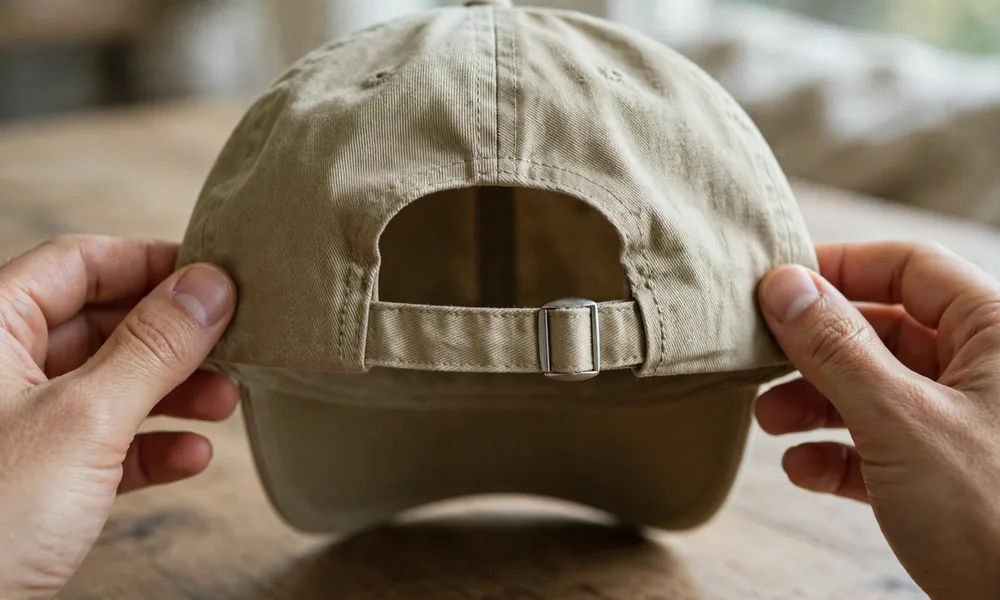
The best caps of 2026 share a quiet quality: nothing about them draws attention, because everything works. The crown is structured enough to hold its shape on the shelf and on your head, the panels are cut so the cap sits level rather than tipping forward, and the sweatband inside is soft cotton that absorbs moisture instead of trapping it against your skin. The strap at the back adjusts smoothly and stays where you set it, whether it is a metal buckle, a fabric strap or a snap closure. These are the caps you reach for every morning without thinking, and they still look good at the end of the day.
The Worst Caps of 2026
The worst caps of 2026 fail in the same few ways, and you can spot most of them before you pay. The fabric is thin enough to see light through, the crown collapses the moment you take it off, and the brim is either stiff as a board or limp as cloth. The sweatband is often a strip of shiny synthetic that does nothing but trap heat, so your forehead sweats within minutes and the cap starts to smell. The strap is the giveaway: a cheap plastic snap that pops open, or a hook-and-loop tab that loses its grip after a month and leaves the cap sliding around on your head.
Then there is the wear. A bad cap fades unevenly, so the crown goes pale while the brim stays dark, or the other way round. The stitching loosens, the eyelets fray, and the shape warps so the cap sits crooked no matter how you adjust it. Printed designs crack and peel after a few washes, and foam-front trucker caps go lumpy and yellow in the sun. Worst of all, a bad cap is uncomfortable in a way you cannot ignore: it pinches at the temples, presses on the forehead, and gives you a headache by lunchtime. A cap should disappear on your head, and the worst ones never do.
Baseball, Dad, Snapback and Fitted: Which Style Wins
Most caps fall into four styles, and each suits a different head and a different day. The classic baseball cap, with a structured crown and a curved brim, is the all-rounder: smart enough for town, tough enough for the garden, and the easiest style to fit. The dad cap is its softer cousin, unstructured and low-profile, with a slightly curved brim and a relaxed look that suits smaller heads and casual days. It is the most comfortable style for long wear, but it offers less sun protection and loses its shape faster if it gets soaked. Our comparison of the best and worst beanies of 2026 covers the cold-weather alternative, for the months when a cap is not enough.
Snapbacks and fitted caps are the sportier end of the range. A snapback has a flat brim and a high, structured crown, and it suits a streetwear look, but the flat brim shades less and the fit is harder to get right. A fitted cap has no adjustment at all, so it must match your head size exactly, and it is the most comfortable style when it fits, and the most annoying when it does not. For most people, the honest answer is simple: a structured baseball cap in a plain colour covers more days, more outfits and more weather than any other style, and the dad cap is the best second cap to own.
Fit, Fabric and Sun: The Numbers That Actually Matter
Fit is the test most buyers skip, and it is the one that matters most. A cap should sit about a finger’s width above your eyebrows, level all the way round, with the brim shading your eyes without touching your glasses. It should feel snug enough to stay on in a breeze, but not so tight that it leaves a red mark on your forehead when you take it off. If you wear glasses, try the cap on with them: a crown that is too deep pushes the arms of your glasses down, and a brim that is too stiff knocks against the frames. Most adults fit a medium to large cap, but heads vary more than sizes suggest, so an adjustable strap is worth having even on a cap you love.
Sun protection is the other number worth knowing. A cap shades your face and eyes, but it does nothing for your ears and neck, so it is not a substitute for sunscreen on a long day outside. Darker colours block more light than pale ones, and a tightly woven fabric blocks more than an open mesh back. Trucker caps with mesh panels are cooler in real heat, but the mesh lets sun through to the scalp, so they suit short outings rather than a full day in the open. The best caps balance the two: solid panels at the front where the sun hits, and a breathable back that lets heat out without letting the sun in.

How to Buy a Cap Without Regret
Start by trying the cap on properly, in the shop or at home with the tags still on. Wear it for ten minutes, walk around, bend down, look up at the sky: a cap that feels fine for thirty seconds can pinch badly by minute ten. Check the stitching inside and out, tug the brim gently to see if it holds its curve, and work the strap back and forth to make sure it adjusts smoothly and stays put. Hold the fabric up to the light to check for thin spots, and look at the sweatband: soft cotton is a good sign, shiny synthetic is not. If the shop has a mirror, use it: a cap should sit level, and if it tips forward or back on your head, it is the wrong shape for you.
Price is a useful guide, but only up to a point. The cheapest caps, the ones sold in bulk for a few pounds, are almost always a false economy: they fade, warp and fall apart within a season. The sweet spot is the middle of the range, where a well-made cotton cap costs enough to cover decent fabric and careful stitching, but not so much that you are paying for a brand name. Wash a cap by hand in cool water and let it dry naturally, never in a machine or on a radiator, and it will last years. Our guide to the best and worst scarves of 2026 covers the cold-weather layer that pairs with a good cap through autumn and winter.
Frequently Asked Questions
How should a baseball cap fit? It should sit level, about a finger’s width above your eyebrows, snug enough to stay on in a breeze but not so tight that it leaves a mark. If it pinches at the temples or slides up on its own, it is the wrong size or shape for your head.
Can you wash a cap in a washing machine? Hand washing in cool water is safest, especially for structured caps, because a machine can warp the brim and crush the crown. Rinse well, reshape the cap while it is damp, and let it dry naturally away from direct heat.
What is the difference between a dad cap and a baseball cap? A dad cap is unstructured, low-profile and relaxed, with a soft crown that moulds to your head. A classic baseball cap is structured, with a firmer crown that holds its shape. The baseball cap is smarter and more protective; the dad cap is softer and more casual.
The Verdict
The best caps of 2026 are the quiet ones: plain colours, honest cotton, neat stitching, a brim that holds its curve and a strap that stays put. They cost a little more than the cheapest caps, and they repay it many times over in comfort and years of wear. The worst caps are thin, stiff, badly stitched and uncomfortable, and they fade and warp within a season. Buy one good cap in a colour that goes with everything, look after it, and add a second for sport and bad weather. That is the whole secret, and it has not changed in decades.