Yogurt is one of the most confusing foods in the supermarket. The chilled aisle is full of pots that all look healthy, all claim to be good for you, and all promise protein, gut health, and natural goodness on the label. Some of them deliver. A plain, well-made yogurt is genuinely one of the best foods you can keep in the fridge: high in protein, full of live cultures, and versatile enough for breakfast, lunch, cooking, and dessert. Others are dessert in a tub, sweetened and flavoured until they have more in common with ice cream than with anything a nutritionist would recommend.
The gap between the best yogurts of 2026 and the worst is enormous, and it is usually visible on the label once you know what to look for. This comparison puts them head to head, judging each yogurt the way you would actually eat it: straight from the pot, spooned over fruit, stirred into cooking, and packed into a lunchbox. We look at the sugar, the protein, the live cultures, the ingredient list, and whether the yogurt earns its place in the fridge or only its place on the shelf. A great yogurt keeps you full, tastes clean and tangy, and does something useful for your gut. A bad one is a short sugar rush in a healthy-looking pot.
Key Takeaways
- A good yogurt has under 6 grams of sugar per 100 grams and at least 4 grams of protein per 100 grams.
- Live cultures should be listed on the label, and the ingredient list should be short enough to read in one breath.
- Plain Greek yogurt and skyr are the strongest everyday choices for most people.
- Fruit yogurts, dessert pots, and sweetened kids’ tubes are usually the worst value in the aisle.
- The same honest approach sits behind our comparison of the best and worst breakfasts of 2026, because so many breakfasts start with a pot of yogurt.
How We Judged the Yogurts
We judged every yogurt on five things that matter at the table rather than on the packet. First, sugar: how much is in a normal serving, and whether it comes from the milk itself or from added sugar, syrup, and fruit preparations. Second, protein: whether the yogurt actually fills you up or leaves you hungry within the hour. Third, cultures: whether live cultures are present and named, because that is what separates a real fermented yogurt from a thickened dessert. Fourth, the ingredient list: short and honest, or long and full of starches, gums, and flavourings. Fifth, taste and texture: whether the yogurt tastes clean, tangy, and fresh, or flat, artificial, and overly sweet.

The Best Yogurts of 2026
Plain Greek Yogurt
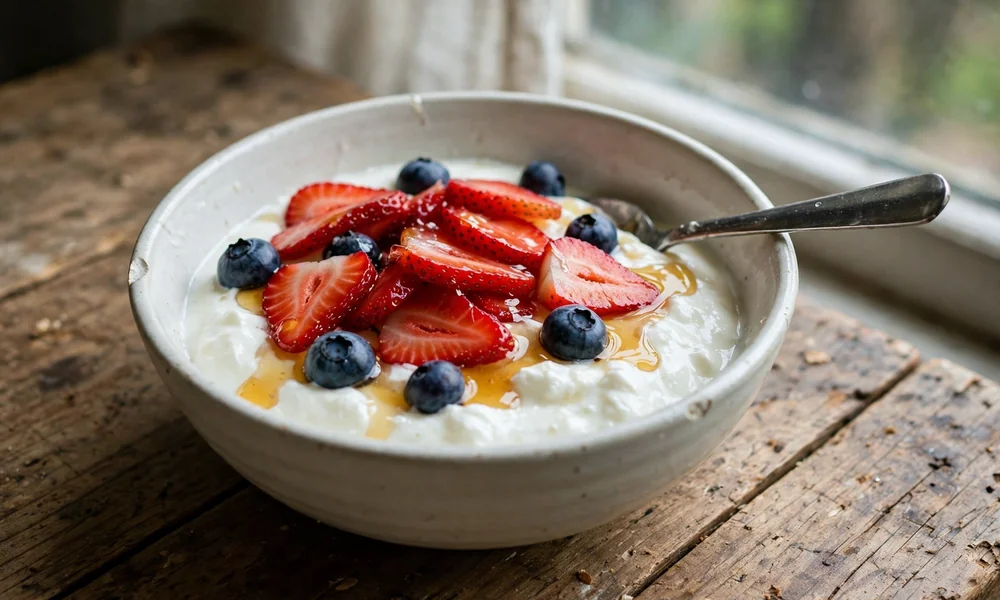
Plain Greek yogurt is the benchmark everything else is measured against, and it earns that position honestly. It is strained, which concentrates the protein and removes much of the whey, so a small pot can carry 8 to 10 grams of protein with almost no added sugar. The texture is thick enough to stand a spoon in, the flavour is clean and sharply tangy, and it works everywhere: breakfast with berries, a dollop on soup, a base for dips, and a marinade for chicken that actually tenderises the meat. The best versions list just milk and live cultures. Watch out for versions with added cream that push the fat up without adding anything useful, and for “Greek style” pots that are thickened with starch instead of strained, which is a shortcut that shows in the texture.
Natural Set Yogurt
Natural set yogurt is the quiet classic of the aisle, and it deserves more attention than it gets. It is set in the pot, which gives it a gentle wobble and a soft, spoonable texture that is quite different from the firm thickness of Greek yogurt. The flavour is mild and milky with a pleasant tang, and it is the most versatile yogurt in the kitchen: it thins into dressings, folds into curries, and makes a light breakfast with oats and fruit. The best ones have live cultures, no added sugar, and a short ingredient list. It is also usually one of the cheapest good yogurts you can buy, which makes it an easy everyday choice rather than a special occasion one.
Skyr
Skyr is the Icelandic strained yogurt that has moved from health food shops into ordinary supermarkets, and the best versions justify the attention. It is even thicker than Greek yogurt, with a dense, almost cheesecake-like texture and a very high protein content for its size, often 10 grams or more per 100 grams. The flavour is mild and slightly sour, which makes it easy to eat plain and easy to dress up with fruit. It is an excellent choice if you want a yogurt that keeps you full until lunch. The catch is the flavoured versions, which can be just as sugary as any other dessert pot, so the plain version is the one that earns its place here. Check the label and buy the plain pot.
The Worst Yogurts of 2026
The worst yogurts are not bad because they taste bad. Most of them taste very good, because sugar tastes good. They are bad because they borrow the reputation of a healthy food while delivering the nutrition of a dessert, and because they cost as much as a good yogurt while doing far less for you. Here are the styles to leave on the shelf.
Dessert Pots with Chocolate Layers
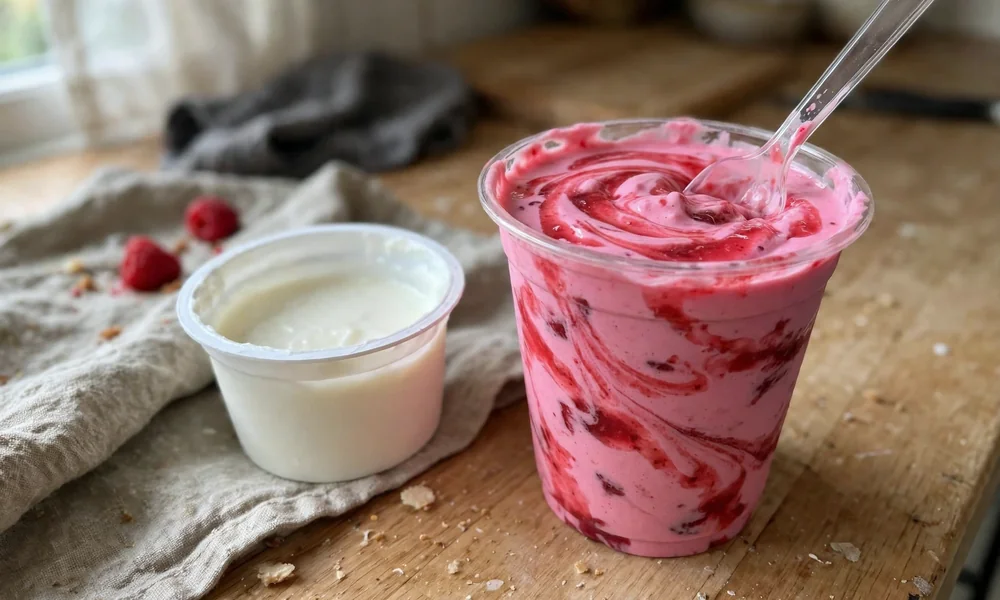
Dessert pots with chocolate sauce, biscuit crumb, or a layer of caramel at the bottom are the worst offenders in the aisle. They are sold in the yogurt section, in yogurt-sized pots, with yogurt-style branding, but they are puddings. A single pot can carry 18 to 25 grams of sugar, which is more than a small chocolate bar, and the protein is often low because the pot is mostly sauce and topping. The yogurt underneath is usually thin and sweetened, and the live cultures, if they are there at all, are an afterthought. They are fine as an occasional dessert if you buy them knowing what they are, but as an everyday yogurt they are one of the worst choices you can make.
Kids’ Yogurts in Tubes and Pouches
Kids’ yogurts in squeezable tubes and pouches look convenient, and for a lunchbox they are, but the nutrition is usually poor. Many of them are sweetened, coloured, and flavoured to taste like sweets, with cartoon characters doing the selling and sugar doing the rest. A single tube can contain more sugar than a biscuit, and the portion is small enough that a hungry child will want another one. The protein is low, the cultures are rarely mentioned, and the ingredient list is often the longest in the aisle. A plain yogurt in a small reusable pot, with a few berries, is cheaper, more filling, and far better food, even if it takes an extra minute in the morning.
Low-Fat Yogurts Packed with Sugar
Low-fat yogurts sound like the healthy choice, and the label often says so in large letters, but the fat has to be replaced with something, and that something is usually sugar or sweetener. The result is a yogurt that is thin, oddly sweet, and strangely unsatisfying, because fat is part of what makes a yogurt feel like food. Many of these pots carry 12 to 15 grams of sugar per 100 grams, which is more than some desserts, and they are often thickened with modified starch to fake the texture that the fat used to provide. A full-fat plain yogurt, eaten in a sensible portion, is almost always the better choice, and it tastes like yogurt rather than like a sweetened science project.
How to Read a Yogurt Label in Ten Seconds
Start with sugar per 100 grams, not per pot, because pots come in different sizes and the per-pot number hides the comparison. Under 6 grams is good, and most of that should be the natural lactose from the milk. Over 10 grams means added sugar is doing the work, and over 15 grams means you are holding a dessert. Next, check protein per 100 grams: 4 grams or more is solid, and 8 grams or more is excellent. Then look at the ingredient list. The best yogurts list milk and cultures, and sometimes cream. If the list runs to two lines and includes modified starch, gelatin, flavourings, and three different sweeteners, put it back.
Finally, look for live cultures. The best yogurts name their cultures or at least say “live cultures” clearly on the pot. If there is no mention of cultures anywhere, the yogurt may have been heat-treated after fermenting, which kills the very thing that makes yogurt useful. The same label-reading habit pays off elsewhere in the aisle, and our comparison of the best and worst cereals of 2026 shows how the same sugar and fibre checks separate a good breakfast from a bowl of dessert. A yogurt that passes all four checks is almost always a good buy, whatever the brand.
Yogurt in the Kitchen
A good yogurt earns its place in the fridge by doing more than sitting in a pot. Plain Greek yogurt makes a marinade that tenderises chicken and lamb, a base for raita and tzatziki, and a lighter swap for sour cream in baking. Natural yogurt thins into salad dressings, enriches curries without splitting if you stir it in off the heat, and turns a bowl of oats into overnight oats with nothing more than a spoon and a jar. Even a thin kefir-style yogurt has a job: it blends into smoothies and shakes without the heaviness of milk, and it pours over cereal on a hot morning when a thick yogurt feels like too much. The worst yogurts, by contrast, have almost no kitchen use at all, because their sweetness and flavourings clash with savoury food and their thin texture adds nothing to a recipe. That is the simplest test of all: if a yogurt is only useful eaten straight from the pot with a spoon, it is probably not a very good yogurt. And if you do want something sweet and drinkable, our comparison of the best and worst milkshakes of 2026 is a better place to look than the yogurt aisle.
The Verdict
The best yogurt of 2026 is a plain one. That is not a boring answer, it is the honest one. A plain Greek yogurt or a plain skyr, with live cultures, high protein, and almost no sugar, does everything a yogurt should do, and it does it for less money than most of the flavoured pots around it. Add your own fruit, your own honey, and your own nuts, and you have a breakfast that tastes better than anything from a factory flavour lab. The worst yogurts are the ones that hide behind the health halo: dessert pots, sweetened kids’ tubes, low-fat pots full of sugar, and flavours that taste of sweets. They are not terrible as an occasional treat, but they should never be your everyday yogurt. Buy plain, read the label, and let the fruit do the flavouring.