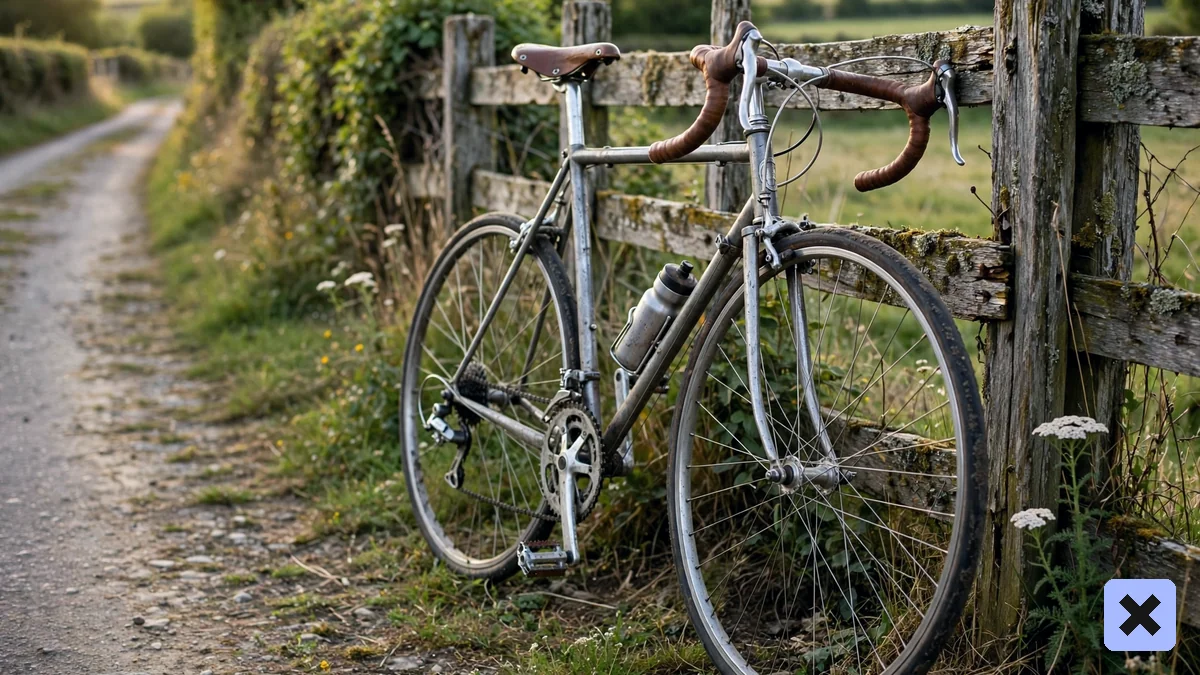
A bicycle is one of the few things you buy that you then trust with your body every time you use it. It carries you through traffic, down hills, and over rough ground, and the difference between a good one and a bad one shows up in your knees, your hands, and your confidence within the first few miles. A good bicycle feels like it disappears underneath you; a bad one fights you on every pedal stroke.
The gap between the best and the worst bicycles in 2026 is wider than the price tags suggest. Two bikes can look almost identical in a shop window, with the same number of gears and the same glossy paint, yet one will still be riding smoothly in five years while the other is rusting in a shed after a single wet winter. The difference is in the frame, the gears, the brakes, and the wheels, and it only shows up once you start riding every day. This guide puts the two ends of the market side by side, so you can tell them apart before you spend anything.
Key Takeaways
- The best bicycles use an honest frame, smooth gears, and brakes that stop you in the wet; the worst cut corners on all three.
- Buy the right type for the riding you actually do: a road bike on a muddy track is as wrong as a mountain bike on a commute.
- Fit matters more than brand: a well-fitted cheap bike rides better than an expensive bike in the wrong size.
- Cheap gears slip, cheap brakes fade in the rain, and cheap wheels buckle at the first pothole.
- A bicycle that cannot be repaired with standard parts is not a bargain, whatever the price.
Pick the Right Type First
Before looking at any single bicycle, decide what kind of riding you will actually do. A road bike is built for smooth tarmac and speed, with narrow tyres, drop handlebars, and a low, stretched-out riding position. It is wonderful on a long weekend ride and miserable on a gravel path or a potholed city street. A hybrid sits upright, with flat handlebars and medium-width tyres, and it is the sensible choice for commuting and gentle weekend rides. A mountain bike has wide, knobbly tyres and suspension for trails and mud, not for efficient miles on the road.
Electric assistance is a separate question, and it changes the comparison completely. A pedal-powered bicycle is judged on its frame, gears, and brakes alone, with no motor or battery to hide behind. If you want help on the hills, our guide to the best and worst e-bikes of 2026 covers motors, batteries, and range in detail. The rest of this guide is about ordinary bicycles, the kind you power yourself.
What the Best Bicycles Get Right
The best bicycles are not the most expensive ones. They are the ones where every part of the design has been tested by people who actually ride, in real weather, on real roads. You can feel the difference the moment you lift one: it is light without feeling flimsy, and nothing rattles or creaks.
Frames That Are Honest About Their Material
A good frame starts with honest materials, and the three common ones each have a clear character. Steel is heavy and comfortable, absorbs road buzz, and can be repaired by almost any frame builder. Aluminium is lighter and stiffer, does not rust, and is the sensible default for most riders in 2026. Carbon fibre is the lightest of all, but it is expensive and does not forgive a hard crash the way metal does.
A cheap steel frame can be so heavy that the bike feels sluggish on every hill, and a cheap aluminium frame can be so stiff that every bump travels straight into your hands. Look at the welds: on a good frame they are neat and even, while on a bad frame they are lumpy or hidden under thick paint. The frame is the one part you cannot upgrade later.
Gears That Shift Cleanly, Every Time
Gears are the part of a bicycle you use most, and they are where good and bad bikes part company fastest. A good drivetrain shifts with a light click, the chain moves smoothly from one sprocket to the next, and it stays quiet even when you are pushing hard up a hill. The number of gears matters far less than the quality of them: a well-made eight-speed drivetrain will outlast a cheap twenty-four-speed one.

Cheap gears are easy to spot once you know what to look for. The shifters feel vague, the chain hesitates before it moves, and it rattles against the front derailleur on every climb. A good bicycle uses standard parts from a known maker, and any bike shop can service it.
Brakes You Can Trust in the Wet
Brakes are the safety system, and they deserve more attention than most buyers give them. The best bicycles in 2026 use hydraulic disc brakes, which stop the bike firmly with one finger, even in heavy rain. Mechanical disc brakes are a step down but still honest on a light bike on flat roads. Good rim brakes, properly set up, can also stop well in the dry, though they fade in the wet and wear the wheel rim over time.
The worst brakes are the ones that feel fine in the shop and fail on the road. Cheap rim brakes with hard pads squeal, grab unevenly, and need a hard squeeze to do anything at all. Cheap disc brakes can be worse: they rub, squeal, and fade on a long descent. Test the brakes before you buy, and test them hard. Squeeze each lever separately, feel for a firm stop rather than a spongy pull to the handlebar, and ask the shop what pads and rotors the bike uses.
Wheels and Tyres That Stay True
Wheels are the most underrated part of a bicycle. A good wheelset is strong and built by someone who tensioned the spokes evenly, so the wheel stays true through potholes and kerbs. The tyres are just as important: a decent tyre with a puncture-resistant layer will save you from most of the glass and thorns on a city street.
Fit: The Difference Nobody Can See in a Photo
Fit is the single most important thing about a bicycle, and it is invisible in a photograph. A bicycle that fits lets you ride for hours without pain, with your knees tracking straight and your hands resting lightly on the bars. A bicycle that does not fit will hurt you, slowly and steadily, no matter how good its parts are.
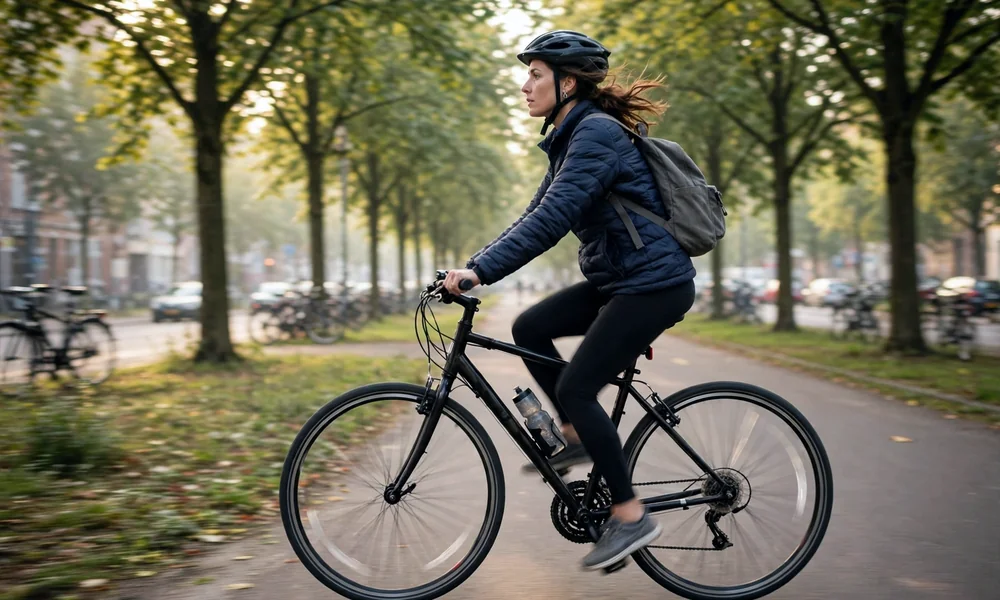
What the Worst Bicycles Get Wrong
The worst bicycles share the same pattern: they are designed to look good in a shop and to survive the sale, not the road. Everything about them is slightly too heavy, slightly too weak, or slightly too vague, and the problems only appear once you are committed, miles from home, with rain on the way.
Heavy Frames and Parts That Cannot Be Fixed
The most common failure in a bad bicycle is weight combined with weakness. A cheap steel frame can weigh so much that every hill feels twice as steep, and the fork can be so flexible that the steering feels vague and nervous at speed. The parts are often made to odd sizes, with headset, bottom bracket, or hub standards that no shop stocks.

Gears That Slip and Brakes That Fade
Bad gears do not usually fail all at once. They slip under load, usually on the steepest part of a hill, when you stand on the pedals and the chain jumps. They rattle, they hesitate, and they need constant adjustment that never quite holds. If the gears on a test ride slip even once, walk away.
Bad brakes fail in the same quiet way. They feel adequate on a dry day in the shop car park, and they fade on a wet descent, when the pads are soaked and the rims are slick. Brakes are the one part of a bicycle where cheapness is genuinely dangerous, and they are the one part you should never compromise on.
Comfort That Was Never Designed In
The worst bicycles ignore comfort entirely. The saddle is a hard, narrow slab that hurts within ten minutes. The handlebars are too wide or too narrow, the grips are thin and slippery, and the riding position puts all your weight on your hands. Comfort is designed into the frame, the fork, the tyres, and the contact points, and a bicycle that was never designed for comfort cannot be made comfortable afterwards.
There is also the question of what else you will need. A good bicycle arrives ready to ride, or the shop tells you honestly what is missing. For everyday riding, the right shoes matter too: our guide to the best cycling shoes covers stiff soles and grip that make pedalling far more efficient.
Best vs Worst: The Head-to-Head
Put the two sides next to each other and the comparison is stark. A good bicycle costs more up front, but it lasts five to ten years of regular use, and every ride on it is comfortable. A bad bicycle costs less, but it often lasts one season, and every ride on it carries the risk of a slipped chain, a failed brake, or a sore back. Over five years, the cheap bicycle that gets replaced three times costs more than the good bicycle bought once.
The differences are practical, not cosmetic. Good bicycles stop in the wet, shift cleanly, and can be repaired by any shop. Bad bicycles do none of these things reliably, and the failures compound: a slipped chain makes you late, and a sore back makes you ride less.
Who Each Side Is For
The best bicycles suit anyone who rides more than once a week, anyone who commutes by bike, and anyone who has ever been let down by a bicycle on the way home. Commuters, weekend riders, and families all benefit from the same things: reliable gears, strong brakes, and a comfortable fit.
Before You Buy: A Short Checklist
Use this checklist on every bicycle you consider, and do not skip a step because the price is good. First, ride it. A test ride of ten minutes tells you more than ten hours of reading reviews. Second, check the fit: stand over the frame, sit on the saddle, and reach the bars without stretching. Third, shift through every gear under load, and brake hard from speed, twice. Fourth, ask what parts are standard and whether the shop can service them.
Then think about the rest of your kit. If your commute might one day include a motor, our guide to the best electric bikes for commuting compares the strongest city models for that job. For a pedal-powered bicycle, the rule is simple: buy the best frame and fit you can afford, with honest gears and brakes.
The Verdict
The best bicycles of 2026 are not the ones with the most gears or the brightest paint. They are the ones with an honest frame, smooth gears, brakes that work in the rain, and a fit that lets you ride for hours without pain. The worst bicycles look like a bargain and ride like a warning: heavy, vague, and expensive to keep on the road.
So buy slowly, ride before you pay, and choose the bicycle for the roads you actually ride. Choose well, and it will still be carrying you, quietly and reliably, years after the bargain bikes have gone to the scrapyard.