
Pour the same champagne into a wide wine glass and into a proper flute and you will taste two different drinks. The wine has not changed, but the glass has changed how long the bubbles last, how much aroma reaches your nose, and how the first sip feels on your tongue. That is why a champagne flute matters far more than most people expect, and why the difference between the best champagne flutes of 2026 and the worst is something you can feel in the first sip, long before you have thought about the shape of the bowl or the thickness of the rim.
The gap between the best and the worst shows up in five places: the bowl, the rim, the stem, the base, and the clarity of the glass. A great flute keeps the bubbles rising in a fine, steady stream, holds the aroma close to your nose without trapping it, and feels balanced in your hand. A bad one lets the fizz die in minutes, warms the wine, and feels clumsy before you have even taken a sip. This comparison puts them head to head the way you would actually use them: a toast at a wedding, a glass with friends on a warm evening, and a celebration at home.
Key Takeaways
- A good champagne flute keeps the bubbles alive, holds the aroma close, and feels balanced in your hand.
- Classic flutes suit lively sparkling wines, tulip flutes suit richer champagnes, and stemless flutes suit casual drinking.
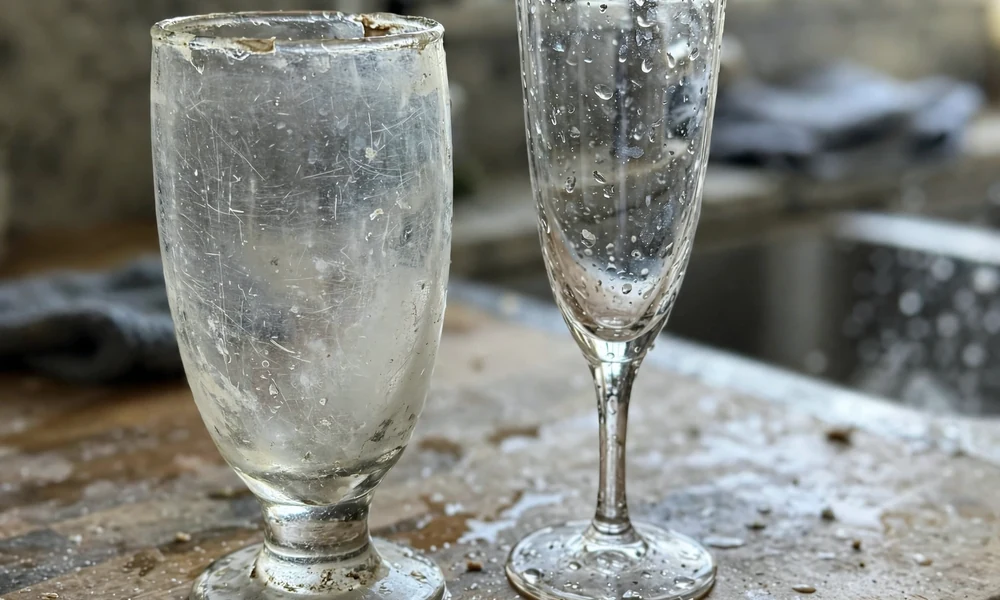
- The worst champagne flutes are thick, heavy, and cloudy, with rims that feel clumsy and bowls that kill the fizz.
- Plastic flutes are handy for a picnic but dull the bubbles and the taste, and they are no substitute for glass.
- The same honest approach sits behind our guide to the best and worst wines of 2026, which looks at what goes into the glass in the first place.
How We Judged the Champagne Flutes
We judged every champagne flute on five things that matter at the table rather than on the box. First, bubbles: whether the shape keeps the fizz rising in a fine stream, or lets it die in minutes. Second, aroma: whether the glass gathers the scent of the wine and delivers it to your nose, or lets it scatter before you can smell it. Third, the rim: whether it feels thin and smooth on the lip, or thick, rolled, and clumsy. Fourth, stability: whether the base is wide enough that the tall, narrow glass stands steady and does not tip at the slightest knock. Fifth, clarity and care: whether the glass is clear enough to show the bubbles and the true colour of the wine, and whether it survives washing without clouding, scratching, or chipping.

The Classic Flute: Best for Lively Sparkling Wine
The classic flute, tall and narrow with straight sides, is the best champagne flute for lively sparkling wine, and it has earned that place over decades of use. Its narrow bowl leaves little surface for the bubbles to escape from, so the fizz stays alive far longer than in a wide glass, and the long stem keeps your hand away from the wine so it stays cold to the last sip. A good classic flute feels light for its height, with a rim thin enough to disappear against your lip. The best examples are made from thin crystal that shows the stream of bubbles rising like a bead curtain, and they hold a proper measure with room to spare.
The worst classic flutes are the ones that look the part and fail at the table. Some are so narrow that you cannot smell the wine at all, and the drink tastes flat even while the bubbles are still rising. Others are so tall and top-heavy that they wobble every time you set them down, and a base too narrow for the height above it makes the whole thing tip over if you look at it wrong. The cheapest versions are made from thick, moulded glass with a visible seam around the rim, and they feel more like a vase than a drinking glass. A flute with a rim that is rolled and chunky feels like drinking from a jar, and a flute made from cloudy glass hides the bubbles entirely. Tall is good, but only when the glass is balanced.
The Tulip Flute: Best for Richer Champagnes
The tulip flute, which curves gently inward at the rim after widening at the middle, is the best champagne flute for richer, more complex champagnes, and it is the choice of most sommeliers for a reason. The wider middle gives the wine room to breathe and lets its aromas gather, while the narrowed rim holds those aromas close to your nose instead of letting them scatter. A good tulip flute keeps the bubbles alive nearly as well as a classic flute, and it delivers far more of the wine’s character with every sip. The best examples feel light and balanced, with a rim so fine you barely notice it.
The worst tulip flutes are the ones that get the curve wrong. Some flare outward at the rim instead of curving inward, which lets the aroma escape and makes the glass little better than a wide wine glass. Others are so pinched at the top that you cannot get your nose near the wine, and the drink tastes flat despite the fine bubbles. A tulip flute with a stem too short forces your hand against the bowl, and a base too narrow makes the tall glass tip over at the slightest knock. The cheapest versions are made from glass so thick that the curve looks lumpy rather than graceful, and their rims are often uneven enough to catch on your lip. A tulip shape should feel like a flower, not a funnel.
Stemless Flutes: Handy but Flawed
Stemless champagne flutes have their place, and the best of them are genuinely useful for casual drinking outdoors or in a crowded room, where a stem is one more thing to knock over. A good stemless flute is made from thin, clear glass, holds a proper measure, and feels comfortable in the palm of your hand. For a glass of sparkling wine on a summer evening, when nobody is judging the presentation, a stemless flute is a practical choice, and it is far better than drinking from a plastic cup or a mug.
Plastic and Disposable Flutes: Only for the Picnic
Plastic champagne flutes have one honest use, and that is outdoors, where glass is not allowed or not safe. The best plastic flutes are made from clear, rigid plastic, hold a proper measure, and come apart into two pieces so they can be washed and reused. For a picnic or a poolside toast, a good reusable plastic flute is a sensible choice, and it is far better than drinking sparkling wine from a paper cup.
Crystal Versus Ordinary Glass
Crystal makes the best champagne flutes, and the difference is easy to feel in your hand. Crystal can be made thinner than ordinary glass, so the rim feels finer on the lip and the bowl shows the bubbles more clearly. The best crystal flutes are light for their height, with a rim so thin it almost disappears, and they ring softly when you tap them. For a special occasion, when the wine deserves the best presentation, a crystal flute is worth the extra cost.
Ordinary glass makes the best everyday flutes, and the best of them are far better than the worst crystal. A well-made glass flute is tougher than crystal, cheaper to replace, and safe in the dishwasher, which matters when you use it often. The worst ordinary glass flutes are thick, heavy, and cloudy, with rims that feel clumsy and bowls that hide the bubbles. The lesson is the same one our comparison of the best and worst wine glasses of 2026 found with still wine: thin, clear, and balanced beats thick and cloudy every time, whatever the glass is made from. Buy crystal for the occasions that matter, and buy good ordinary glass for every day.

What the Worst Champagne Flutes Have in Common
Across every shape, the worst champagne flutes share the same faults, and once you know them you can spot a bad flute in seconds. The first is thickness: glass so thick that it feels heavy and looks cloudy, hiding the bubbles and the colour of the wine. The second is a bad rim, rolled and chunky, that gets in the way of every sip. The third is poor balance, a base too narrow for the tall bowl above it, so the flute tips at the slightest knock. The fourth is the wrong shape, a bowl so wide that the fizz dies in minutes, or so narrow that you cannot smell the wine at all. The fifth is poor care: glass that clouds, scratches, or chips after a few washes, so it looks tired within a year.
How to Buy Champagne Flutes in 2026
Start with the wines you actually drink, not the flutes that look best on a shelf. If you drink lively prosecco and cava, buy four good classic flutes first. If you drink richer vintage champagne, buy four good tulip flutes. If you drink sparkling wine outdoors, buy four good reusable plastic flutes for the picnic and keep the glass ones for home. Four of one shape, bought well, will serve you far better than a mixed set of twelve flutes you never reach for. Look for thin rims, clear glass, and a base wide enough to stand steady on a crowded table.
Check the weight before you buy, and check it with a drink inside if you can. A flute that feels light when empty and balanced when full is a good flute; a flute that feels heavy when empty will feel worse when full. Look for glass that is dishwasher safe if you plan to use it often, and avoid deep-cut patterns that trap dirt and cloud in the wash. The same care applies across the bar, and our guide to the best and worst cocktail glasses of 2026 shows how the same thin, balanced rules make a better drink, whatever the glass. Buy crystal if you want the thinnest, clearest glass, and buy ordinary glass if you want something tougher for everyday use.
The Verdict
The best champagne flutes of 2026 are the thin, balanced, honest ones: a classic flute for lively sparkling wine, a tulip flute for richer champagnes, and a good stemmed flute for any celebration that matters. The worst are the thick, cloudy, top-heavy ones, the flimsy plastic flutes, and the glasses that look better on a shelf than they feel in your hand. Buy four of the shape you actually use, buy them thin and clear, and your sparkling wine will taste better for it. The glass is not decoration; it is part of the drink.
Quick Answers
What is the best all-round champagne flute? A tulip flute, because it keeps the bubbles alive nearly as well as a classic flute while letting you smell far more of the wine.


