
Pour the same martini into a thick tumbler and into a proper coupe and you will taste two different drinks. The drink has not changed, but the glass has changed how cold it stays, how much aroma reaches your nose, and how the first sip feels on your tongue. That is why a cocktail glass matters far more than most people expect, and why the difference between the best cocktail glasses of 2026 and the worst is something you can feel in the first sip, long before you have thought about the shape of the bowl or the weight of the base.
The gap between the best and the worst shows up in five places: the bowl, the rim, the stem, the base, and the clarity of the glass. A great cocktail glass holds the drink at the right temperature, keeps the aroma close to your nose without trapping it, and feels balanced in your hand. A bad one warms the drink, spills at the slightest tilt, and feels clumsy before you have even taken a sip. This comparison puts them head to head the way you would actually use them: a shaken drink at a dinner party, a stirred drink at a quiet bar, and a long drink on a warm evening.
Key Takeaways
- A good cocktail glass keeps the drink cold, holds the aroma close, and feels balanced in your hand.
- Coupes suit shaken drinks served up, martini glasses suit stirred drinks, and rocks glasses suit drinks over ice.
- The worst cocktail glasses are thick, heavy, and top-heavy, with rims that feel clumsy and bowls that spill.
- Stemless glasses are handy for casual drinking but warm the drink faster and offer no safe place to hold them.
- The same honest approach sits behind our guide to the best and worst cocktails of 2026, which looks at what goes into the glass in the first place.
How We Judged the Cocktail Glasses
We judged every cocktail glass on five things that matter at the bar rather than on the box. First, temperature: whether the glass keeps a chilled drink cold, or lets your hand warm it in minutes. Second, aroma: whether the shape gathers the scent of the drink and delivers it to your nose, or lets it scatter before you can smell it. Third, the rim: whether it feels thin and smooth on the lip, or thick, rolled, and clumsy. Fourth, stability: whether the base is wide enough that the glass stands steady and does not tip at the slightest knock. Fifth, the pour and the drink: whether the glass holds a proper measure without spilling, and whether it survives washing without clouding, scratching, or chipping.

The Coupe: Best for Shaken Drinks Served Up
The coupe is the best cocktail glass for shaken drinks served without ice, and it is easy to see why. Its wide, shallow bowl lets a daiquiri or a sidecar spread out and breathe, and the stem keeps your hand away from the drink so it stays cold to the last sip. A good coupe feels light for its size, with a rim thin enough to disappear against your lip. The best coupes hold a generous measure without looking empty, and their bowls are deep enough that the drink does not slosh over the edge when you pick the glass up.
The worst coupes are the ones that look the part and fail at the table. Some are so wide and shallow that the drink spreads into a thin layer and warms in minutes, while others are so deep that they become small bowls you cannot sip from without tipping your head back. The worst offenders have thick, heavy bases that make the glass top-heavy, so it wobbles every time you set it down. A coupe with a rim that is rolled and chunky feels like drinking from a jar, and a coupe made from cloudy glass hides the colour of the drink entirely. If the bowl is wider than your hand can steady, it belongs on a shelf, not at a party.
The Martini Glass: Best for Stirred Drinks
The classic martini glass, with its sharp V-shaped bowl, is the best choice for a stirred drink served up, and it has earned that place over a century of use. The wide opening lets the aroma of gin or vodka rise straight to your nose, and the long stem keeps the drink icy cold. A good martini glass holds a proper measure with room to spare, so the drink does not spill the moment you lift it. The best examples are made from thin crystal that feels almost weightless, with a rim so fine you barely notice it.
The worst martini glasses are the ones that turn a simple drink into a balancing act. Oversized bowls, some holding twice a normal measure, are the biggest problem: they are heavy when full, they spill at the slightest tilt, and they warm the drink before you have finished half of it. A martini glass with a stem that is too short forces your hand against the bowl, and a base that is too narrow makes the whole thing tip over if you look at it wrong. The cheapest versions are made from thick, moulded glass with a visible seam around the rim, and they feel more like a vase than a drinking glass. A martini glass should feel elegant, not like a piece of laboratory equipment.
The Rocks Glass: Best for Drinks Over Ice
The rocks glass, also called an old fashioned glass, is the best cocktail glass for any drink served over ice, from an old fashioned to a neat pour of whisky. Its short, sturdy shape and heavy base make it the most stable glass at the bar, and the wide opening lets a large cube of ice sit comfortably without crowding the drink. A good rocks glass feels solid without feeling clumsy, with walls thick enough to survive a knock but a rim thin enough to sip from comfortably. The best ones have a flat, heavy base that keeps the glass planted on the table.
The worst rocks glasses are the ones that get the balance wrong in either direction. Some are so tall and narrow that they are really highball glasses in disguise, and the ice rattles around without ever settling. Others are so short and wide that the drink spreads out and the ice melts before you have finished it. The worst offenders have bases so thick that the glass holds barely any drink at all, or rims so chunky that they feel like drinking from a jam jar. A rocks glass with a pattern cut so deep into the glass that it traps dirt and clouds in the dishwasher is a glass that will look tired within a year. Weight is good, but only when it serves the drink.

The Highball and the Collins: Best for Long Drinks
The highball and the Collins glass are the best cocktail glasses for long drinks, the ones built on ice with soda, tonic, or ginger beer. Their tall, narrow shape keeps the fizz in the drink longer, keeps the ice stacked rather than spread out, and leaves room for a proper garnish without crowding the glass. A good highball feels light in the hand despite its height, with straight sides that make it easy to stir and a base wide enough to stand steady. The best examples are thin enough to show the bubbles rising, and tall enough that the drink stays cold to the last sip.
Stemless and Novelty Glasses: Handy but Flawed
Stemless cocktail glasses have their place, and the best of them are genuinely useful for casual drinking outdoors or in a crowded room, where a stem is one more thing to knock over. A good stemless glass is made from thin, clear glass, holds a proper measure, and feels comfortable in the palm of your hand. For a simple drink on a summer evening, when nobody is judging the presentation, a stemless glass is a practical choice, and it is far better than drinking from a mug or a plastic cup.
What the Worst Cocktail Glasses Have in Common
Across every shape, the worst cocktail glasses share the same faults, and once you know them you can spot a bad glass in seconds. The first is thickness: glass so thick that it feels heavy and looks cloudy, hiding the colour of the drink. The second is a bad rim, rolled and chunky, that gets in the way of every sip. The third is poor balance, a base too narrow for the bowl above it, so the glass tips at the slightest knock. The fourth is the wrong size, a bowl so large that the drink warms before you finish it, or so small that you are constantly refilling it. The fifth is poor care: glass that clouds, scratches, or chips after a few washes, so it looks tired within a year.
The same faults show up in other glassware, which is why the lessons travel well: our comparison of the best and worst wine glasses of 2026 finds the same thick rims and cloudy glass ruining good wine, and the same thick, clumsy shapes turning up where they do not belong. A good glass, whatever the drink, is thin, clear, balanced, and sized for the drink inside it. A bad glass is thick, cloudy, top-heavy, and sized for the shelf rather than the table. If you remember only one rule, make it this: the glass should serve the drink, never the other way round.
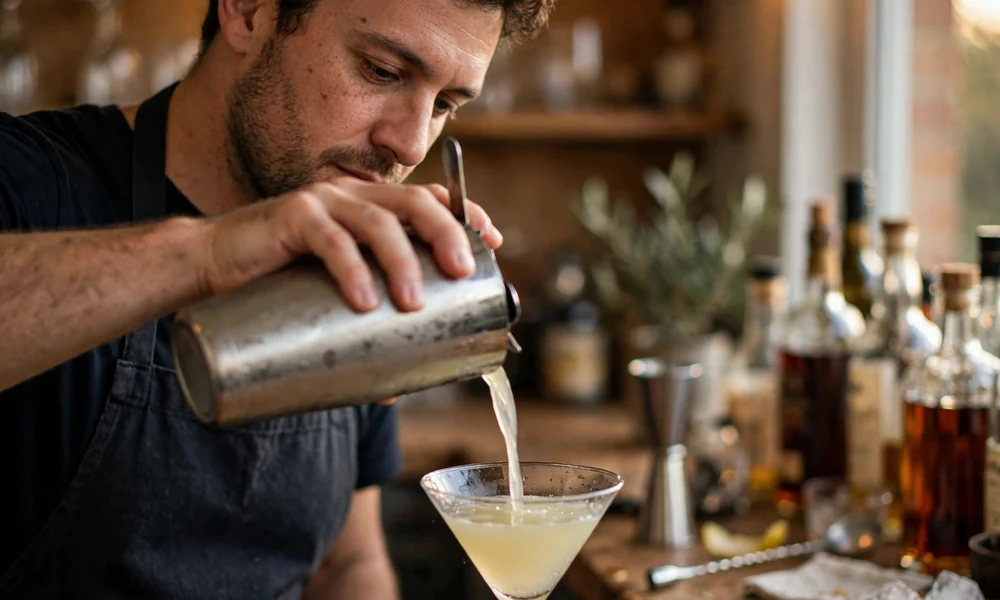
How to Buy Cocktail Glasses in 2026
Start with the drinks you actually make, not the glasses that look best on a shelf. If you drink martinis and daiquiris, buy four good coupes or martini glasses first. If you drink old fashioneds and whisky, buy four good rocks glasses. If you drink long drinks with tonic or soda, buy four good highballs. Four of one shape, bought well, will serve you far better than a mixed set of twelve glasses you never reach for. Look for thin rims, clear glass, and a base wide enough to stand steady on a crowded table.
The Verdict
The best cocktail glasses of 2026 are the thin, balanced, honest ones: a coupe for shaken drinks, a martini glass for stirred drinks, a rocks glass for drinks over ice, and a highball for long drinks. The worst are the thick, cloudy, top-heavy ones, the oversized bowls, the novelty shapes, and the glasses that look better on a shelf than they feel in your hand. Buy four of the shape you actually use, buy them thin and clear, and your drinks will taste better for it. The glass is not decoration; it is part of the drink.
Quick Answers
What is the best all-round cocktail glass? A coupe, because it suits the widest range of shaken drinks served up, keeps the drink cold by the stem, and looks right at any table.
Before you buy, it is worth seeing how the same ideas play out with other drinks: our guide to the best and worst beer glasses of 2026 shows how the wrong glass can flatten a good beer, just as the wrong glass can flatten a good cocktail.


