
Coffee is the most argued-over drink in the world, and the most forgiving one to get wrong. A cup can look dark and serious, smell wonderful when you lift it, and still taste thin, bitter and dull. The difference is rarely the price. A cheap cup made with care can be honest and good, and an expensive cup made carelessly can be a triumph of branding over flavour. What matters is what is in the cup, how it was brewed, and whether anyone along the way cared more about the coffee than about the cup it came in.
This comparison puts the best coffee of 2026 head to head against the worst, judging it the way you would actually drink it: the aroma when it is poured, the first sip, the flavour after the heat fades, and whether you finish the cup wanting another or quietly leave half of it on the table. If you want the full buying logic first, our guide to the best and worst coffee beans of 2026 covers freshness, roast and origin in detail, and the verdict below is the short version of what to drink and what to walk past.
Key Takeaways
- Freshness tells the truth: coffee brewed from beans ground in the last two weeks tastes alive and sweet, while coffee from stale grounds or a jar opened months ago tastes flat no matter how it is brewed.
- Water is most of the cup: a good coffee is about ninety-eight percent water, so hard, stale or overheated water ruins even the best beans, and clean water at the right temperature fixes more than any gadget.
- Bitterness is usually a mistake, not a strength: a bitter cup usually means the coffee was over-extracted, ground too fine or brewed with water that was too hot, not that the beans were bold.
- Milk should soften coffee, not hide it: the best milky drinks still taste of coffee underneath the foam, while the worst are warm sweet milk with a rumour of coffee in them.
- Price buys care, not flavour: the best coffee is often the simplest, a well-made black coffee or a careful flat white, while the worst is usually the most decorated cup on the menu.
How Coffee Actually Works
Coffee begins as a cherry on a shrub, and everything after picking is a series of choices about how much of that fruit survives into the cup. The beans are dried, roasted and ground, and the roast decides how much of the origin you can still taste. A light roast keeps the fruit and acidity of the bean, a medium roast balances sweetness and body, and a dark roast pushes everything toward smoke and caramel, which is why very dark coffee often tastes the same whatever bean went in.
Brewing is extraction, and extraction is a balance. Hot water pulls flavour compounds out of the grounds, and the trick is pulling out the sweet and interesting ones without dragging out the bitter ones behind them. Too little extraction and the cup is sour and thin. Too much and it is bitter and dry. Grind size, water temperature, the ratio of coffee to water and the time they spend together all move that balance, which is why the same beans can make a lovely cup in one kitchen and a miserable one in the next.
The cup itself is where all of this is judged. A good coffee smells sweet and inviting before you taste it, feels rounded rather than sharp on the tongue, and keeps changing as it cools, moving from bright to sweet to something gently nutty or chocolatey. A bad coffee smells of nothing much, tastes of one flat note, and gets worse with every degree it loses.
The Best Coffee of 2026
The best coffee of 2026 is, more often than not, the simplest coffee on the menu. A well-made black coffee, brewed from fresh beans and clean water, is hard to beat: it smells of toasted nuts and dark fruit, it tastes sweet without any sugar, and it finishes clean, leaving you wanting another sip rather than reaching for water.
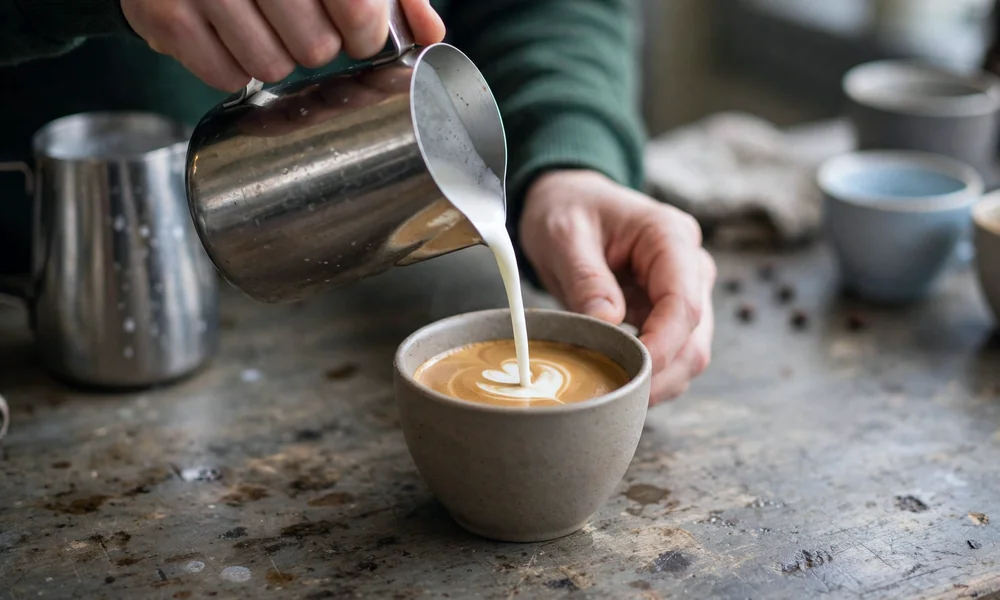
Espresso drinks are where good coffee shows its craft. A proper flat white is a small, strong drink: a double shot of espresso under milk steamed to a smooth, glossy texture, with no stiff foam and no scorched taste. A good latte is the same idea at a larger scale, and a good cappuccino keeps the balance of espresso, steamed milk and foam in equal parts, dusted lightly rather than buried. The milk in all three should taste sweet and fresh, never boiled, and the coffee should still be there underneath it, which is the test most milky drinks fail.
Cold coffee, done well, is every bit as serious as hot coffee. A proper cold brew is steeped slowly in cold water for twelve hours or more, which pulls out the sweetness and leaves the bitterness behind, and the result is smooth, chocolatey and strong without being harsh. Good iced coffee is brewed hot and strong, then chilled quickly and poured over fresh ice, so it stays bold instead of turning into brown water.
The best coffee at home is closer than most people think. A simple pour-over or a French press, fresh beans, a kitchen scale and a kettle will make a cup that beats most cafés, and the whole setup costs less than a month of takeaway coffee. The habit matters more than the equipment: buy small bags of beans, grind only what you need, use water just off the boil, and drink the coffee within a few minutes of brewing it. That is the whole secret, and it has not changed in decades.
The Worst Coffee of 2026
The worst coffee of 2026 is the coffee that has been sitting around. It is the pot that was brewed at seven in the morning and is still on the warmer at ten, dark, bitter and faintly burnt, tasting of the hotplate more than of the bean. It is the office urn that nobody cleans, the petrol station machine that has not been descaled since it was installed, and the café cup that arrives lukewarm because it was poured five minutes before anyone carried it to the table. Stale coffee is the most common bad coffee in the world, and it is also the most avoidable.

Instant coffee is the worst version of a good idea. The best instant is drinkable in a pinch, thin and one-note but honest about it, and the worst is a pale, milky cup that tastes of cardboard and leaves a gritty film on the tongue. The problem is not the idea of instant coffee, it is what is done to it: cheap beans, over-roasting, and then a long shelf life in a jar that has been open in a damp cupboard for months.
Over-decorated coffee is the other great failure of 2026. A cup piled with whipped cream, syrups, sprinkles and a biscuit on the side can be a pleasant dessert, but it is not good coffee, and the coffee underneath is usually the cheapest part of the drink. The worst of these are sickly sweet, served in cups so large that the coffee is cold before you are halfway through, and they cost more than a proper flat white while delivering less flavour. If the drink needs three pumps of syrup to be drinkable, the coffee in it was never good enough.

Bad espresso drinks have their own tells. A latte that is mostly foam, a cappuccino that arrives with stiff bubbles like bath foam, a flat white that tastes of scalded milk and nothing else, and an espresso shot that is thin, sour and pale, with no crema at all. These are the signs of milk steamed too hot, beans ground hours ago, and a machine that has not been cleaned properly. A good café will remake a bad cup without argument; a bad one will shrug, which is the best reason to find a better café.
Best vs Worst Head to Head
Put the two side by side and the differences are plain. The best coffee smells sweet and inviting when it is poured; the worst smells of little, or of the hotplate it sat on. The best coffee tastes of more than one thing, moving from bright to sweet as it cools; the worst tastes of one flat note, usually bitter, and gets worse with every sip. The best coffee finishes clean and leaves you wanting another; the worst leaves a dry, gritty feeling and a cup you are glad to see the back of.
The price gap is smaller than the flavour gap. A good black coffee from a careful café costs little more than a bad one from a careless one, and a bag of fresh beans costs little more per cup than a jar of instant. What you are paying for is not the bean, it is the care: fresh grinding, clean water, the right temperature, and a cup served at the moment it is ready. The worst coffee is cheap per cup and dear per satisfaction, and the best coffee costs a little more and gives a great deal more.
The habits around coffee matter as much as the coffee itself. The best coffee is drunk slowly, at the temperature it was brewed at, in a cup that fits the drink. The worst is drunk on the run, reheated, left to go cold, or drowned in sugar to make it bearable. None of this needs special equipment or knowledge, only attention: buy fresh, brew fresh, drink it fresh, and stop buying coffee from places that do not. If you want the same best-versus-worst treatment for another drink, the best and worst tea of 2026 applies the same tests to the cup you reach for when coffee is not the answer, and our guide to the best and worst chocolate of 2026 sorts the bars worth eating from the ones worth leaving on the shelf.
The Verdict
The verdict is clear: drink a well-made black coffee or a careful flat white for everyday drinking, a proper cold brew when the weather turns warm, and a simple pour-over at home when you want the best cup for the least money. Do not drink coffee that has been sitting on a hotplate, instant coffee from a jar that has been open for months, or a cup so loaded with syrup that the coffee in it is an afterthought. Buy fresh beans, use clean water, and drink the coffee while it is fresh, because those three things are what you actually taste.
Who Each Is For
The best coffee is for anyone who drinks coffee slowly and wants the flavour to be worth the pause: the morning cup that starts the day properly, the café stop that should be a pleasure rather than a chore, and the home brew that costs pennies and tastes like care. The worst coffee, if it suits anyone at all, suits only a caffeine habit in a hurry, someone who wants the jolt and does not mind what it tastes like, and even then a good cup costs little more and gives a great deal more. Buy fresh, brew fresh, drink it fresh, and enjoy the difference every time you lift the cup.


