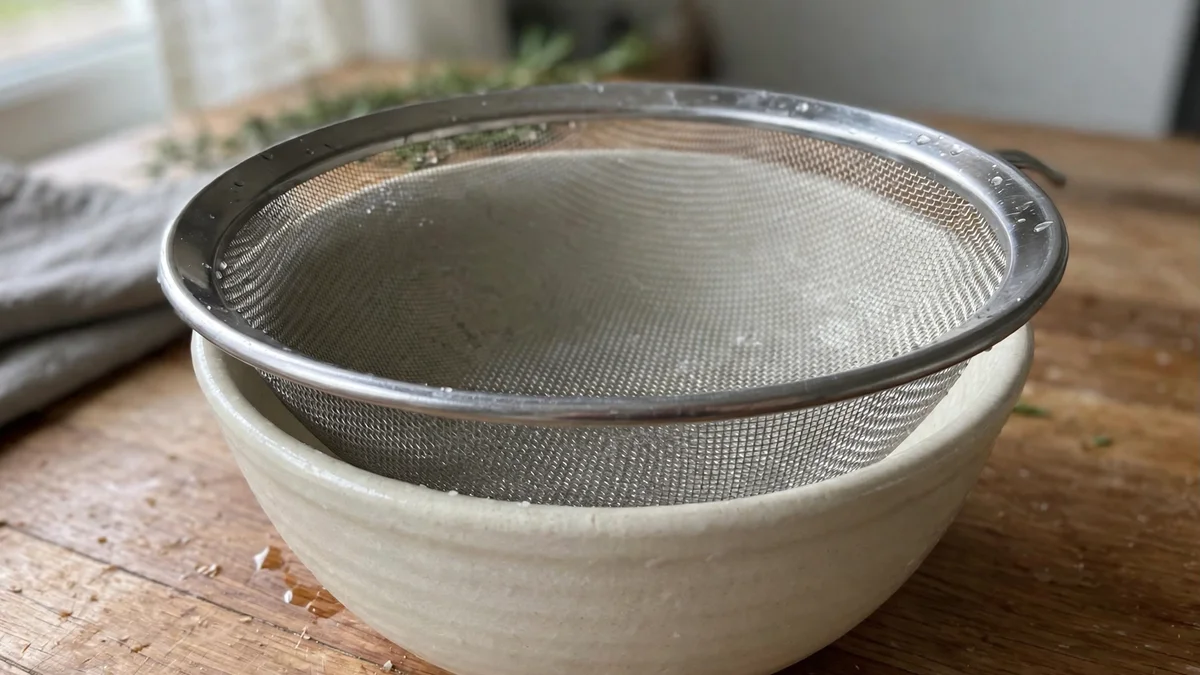
A colander is the tool that stands between you and a ruined dinner. It drains the pasta, rinses the salad, and washes the berries, and when it works well you barely notice it is there. The water runs away, the food stays put, and the whole job takes ten seconds. When the colander is bad, the same job turns into a small disaster. The pot tips, the pasta slides towards the sink, and the handles bend under the weight.
This comparison puts the best colanders of 2026 head to head against the worst, judging them the way you would actually use them at home: how fast they drain, how steady they stand in the sink, how they handle a full pot of boiling pasta, and whether they still work after years of daily use. A colander is a kitchen workhorse, and the best vs worst mixing bowls are its closest partner, holding the food once it is drained; this guide decides what the draining itself looks like.
Key Takeaways
- Judge a colander by how it drains, because small, well-spaced holes let water out fast while keeping even small pasta and rice inside.
- A wide, stable base matters as much as the holes, since a colander that tips in the sink can lose a whole pot of dinner.
- Stainless steel beats thin plastic, because it holds boiling water without warping, does not stain, and lasts for years.
- Handles on both sides and a size that fits your sink make draining safer, especially with a heavy pot of pasta.
- The worst colanders are light, flimsy, and unstable, with holes that are too big or too few, and plastic that cracks and warps.
What Makes a Great Colander
A great colander starts with the holes. The best colanders have plenty of small, evenly spaced holes that let water escape quickly without letting food through. Too few holes and the water pools, leaving the pasta sitting in a puddle; holes that are too large and the orzo, peas, and rice slip straight through into the sink. Stainless steel mesh and punched steel both work well, because the holes stay round and sharp-edged instead of stretching over time. The shape matters too: a deep bowl holds a full pot of pasta without spilling, while a shallow one overflows the moment you tip the pot.

Stability is the second thing that separates the best from the worst. A good colander has a wide, flat base or a ring foot that lets it stand on its own in the sink, so both of your hands are free to hold the pot. Two solid handles, one on each side, give you a secure grip when the colander is full and heavy, and they should be riveted or moulded firmly, not glued on. Weight helps as well: a heavier steel colander sits still under a rush of water, while a feather-light plastic one skitters around the sink. If you have to hold the colander steady with one hand while pouring with the other, the design has already failed you.
The Best Colanders of 2026
The best colanders of 2026 are the ones that make draining feel like nothing at all. They stand steady, they drain fast, they take the weight of a full pot of pasta without bending, and they wash clean in seconds. They are not always the most expensive colanders, but they are always the ones made with care: thick steel, sensible handles, and holes that are sized for real food.
Holes That Drain Fast and Keep Food In
The first thing you notice about a great colander is the speed of the drain. Tip a pot of pasta into it and the water is gone in seconds, with no pooling at the bottom and no food escaping through the holes. The best designs use many small holes spread across the whole bowl, including the base, so water leaves from every side at once. Fine mesh colanders are the best choice for rice, quinoa, and berries, where even small grains need to stay inside, while punched steel colanders with slightly larger holes are ideal for pasta and vegetables. Either way, the test is simple: drain a pot of small pasta and count what ends up in the sink.
A Base That Stands Steady in the Sink
The best colanders stand on their own. A wide ring foot or a flat, weighted base keeps the colander upright in the sink while you pour, so the pasta lands in the bowl instead of sliding towards the drain. Some of the best designs have small feet that lift the bowl slightly off the sink floor, which stops water from pooling underneath and keeps the food from sitting in dirty water. A colander that tips over the moment you let go of it is not a tool, it is a hazard.
Handles and Size That Fit Real Cooking
The best colanders are sized for the pots people actually use. A five-quart colander handles a full family pot of pasta, while a smaller three-quart one is right for vegetables and salads. Two sturdy handles, one on each side, let you lift a heavy, steaming colander safely with both hands, The colander should also fit your sink: too wide and it will not sit flat, too narrow and it wobbles on the edges. The best vs worst cookware sets decide how much pasta you cook at once, and the colander needs to match that volume, not fight it.
Materials That Survive Boiling Water
The best colanders are made from materials that do not flinch at boiling water. Stainless steel is the classic choice: it never warps, never stains, and comes out of the dishwasher looking new. Heavy, food-safe plastic can work too, if it is thick enough to hold its shape under heat, but thin plastic softens, warps, and eventually cracks. Enamelled steel looks beautiful and drains well, though it can chip if it is dropped on a hard floor. Whatever the material, a good colander should last for years: the handles stay firm, the base stays flat, and the holes stay the size they were made. If a colander warps the first time it meets boiling pasta water, it was never built for the job.

The Worst Colanders of 2026
The worst colanders of 2026 look fine in the shop and fail at the sink. They are light where they should be heavy, flimsy where they should be firm, and made from materials that were never meant to meet boiling water. Each one teaches the same lesson: a colander holds your dinner, and a cheap one is not worth the risk.
Holes That Are Too Big, Too Few, or in the Wrong Place
The worst colanders fail at the one job they exist to do. Some have holes so large that small pasta, rice, and peas slip straight through into the sink, while others have so few holes that the water drains slowly and the food sits in a puddle, going soggy while you wait. Some have holes only in the sides and none in the base, so a pool of water collects underneath the food no matter how long you wait.
Bases That Tip and Handles That Bend
The worst colanders cannot stand up on their own. They have narrow, rounded bases that tip over the moment you pour, and the pasta slides towards the sink in a single rush. Their handles are thin, glued-on, or moulded from the same flimsy plastic as the bowl, and they bend or snap under the weight of a full pot of pasta. A colander full of boiling water and spaghetti is heavy, and a handle that gives way at that moment is dangerous: hot water, hot food, and a scalded hand are a high price for a cheap tool. A colander that needs one hand to hold it steady while the other pours has already failed.
Plastic That Warps, Cracks, and Stains
Cheap plastic colanders are the worst of the lot. The first time they meet a pot of boiling pasta water, the bowl softens and warps, and it never sits flat again. The rim cracks along the handles, the plastic stains orange from tomato sauce and turmeric, and it holds the smell of old food no matter how many times you wash it. The dishwasher makes it worse, bending the shape a little more each time, until the colander rocks on the counter and tips in the sink. A plastic colander might cost very little, but it costs that little several times over, because you keep replacing it.

The Verdict: Best vs Worst Side by Side
Put the two sides together and the gap is clear. The best colanders drain in seconds, stand steady in the sink, and take the weight of a full pot without bending. The worst lose food down the drain, tip over at the worst moment, and warp the first time they meet boiling water. The difference is not about luxury or brand names; it is about steel, weight, and design. A mid-priced stainless steel colander with a wide base and two solid handles beats a drawer full of cheap plastic ones every single time. Spend a little more once, and you stop buying colanders altogether.
Who Each Colander Is For
Families who cook pasta several times a week should buy a large stainless steel colander, five quarts or more, with a wide ring base and two riveted handles. It will handle a full pot without bending and last for years. People who mostly rinse salad and berries will be happier with a fine mesh colander, which keeps even small grains and seeds inside, and a smaller size that fits easily in the sink. Small kitchens benefit from a collapsible silicone colander that folds flat for storage, as long as the frame is sturdy enough to hold a full load. Nobody benefits from a thin plastic colander with a narrow base, whatever the price: it is the one type that is worse than having no colander at all. And like the best vs worst cutting boards, a colander is a tool you use every day, so it is worth choosing once and choosing well.
How to Use and Care for Your Colander
Place the colander in the sink before you lift the pot, so it is already steady when the boiling water arrives. Pour away from yourself, in a slow, controlled stream, and let the water drain fully before you lift the colander out. Shake it gently once or twice to free the last drops, but do not shake hard enough to throw food over the rim. Rinse the colander straight away, since dried pasta and rice glue themselves into the holes, and use a brush on mesh designs where food can lodge. Dry steel colanders before putting them away so they never spot or rust, and store them standing on their base or hanging from a hook, never stacked under heavy pots that could bend the rim.
A good colander is a quiet little victory: it makes everyday cooking faster, safer, and less messy, and it asks for almost nothing in return. Choose steel over thin plastic, a wide base over a narrow one, and holes sized for the food you actually cook, and the colander you buy this year will still be draining cleanly when the next one would already be cracked in the bin.