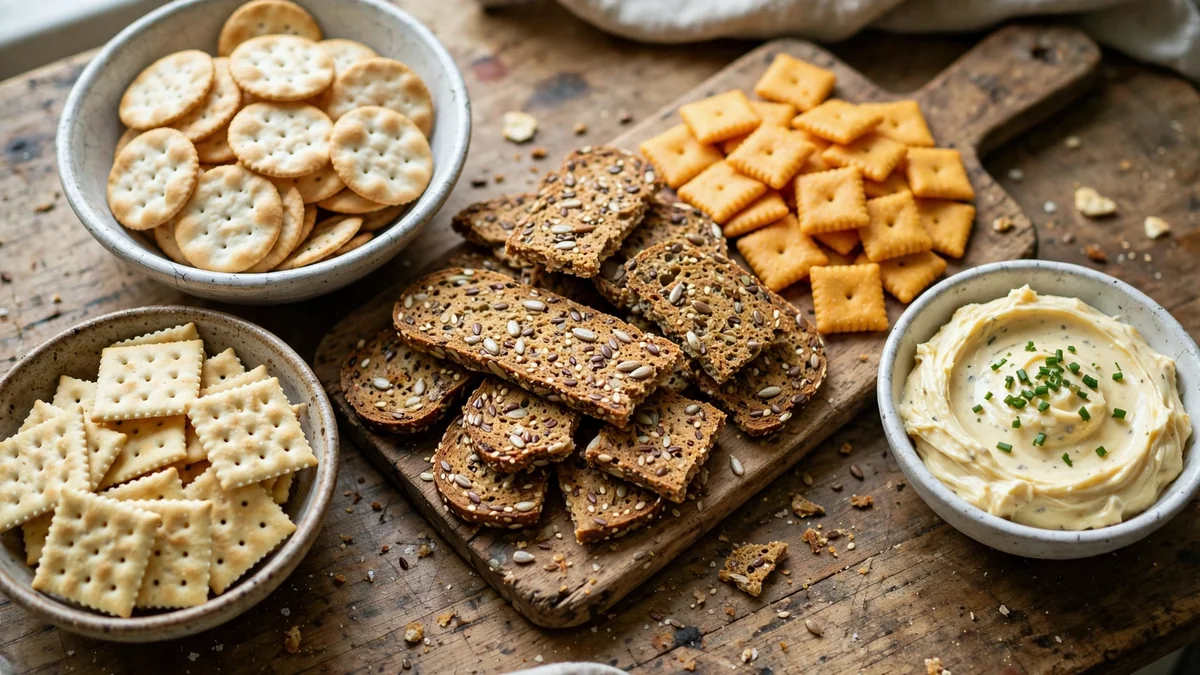
Crackers are the quiet workhorse of the kitchen cupboard, and that is exactly why the box you choose matters so much. This article is about the crackers you buy for cheese boards, lunchboxes, soups, and snacking: the round water cracker, the square saltine, the seeded crispbread, and the buttery cheese cracker. The supermarket aisle is full of boxes that all look wholesome, all promise crunch, and all claim to be made with real grains and simple ingredients. Some of them deliver a genuinely good cracker: thin, crisp, properly baked, and made from a short list of ingredients you recognise. Others are little more than baked starch with salt and oil, designed to disappear fast and leave you reaching for another box.
The gap between the best crackers of 2026 and the worst is wide, and it usually shows up in three places: the grain, the bake, and the salt. A great cracker tastes of wheat, rye, or oats first, with a clean crunch and a flavour that stands up to cheese without hiding it. A bad one tastes only of salt, or of the cheese powder and flavouring that was baked in to hide a dull base. This comparison puts them head to head the way you would actually eat them: piled with cheese on a board, crumbled into soup, packed in a lunchbox, and shared at a table with friends. We look at crunch, flavour, salt, strength, and whether a cracker earns its place on the board or only its place on the shelf.
Key Takeaways
- A good cracker has a short ingredient list: flour or whole grains, water, oil, and salt, with seeds or herbs you can actually see.
- Thin, well-baked crackers usually crunch better and feel less greasy than thick, pale, mass-produced crackers.
- Seeded crispbreads and wholegrain crackers beat plain crackers loaded with cheese powder and salt for everyday eating.
- The worst crackers hide behind bright boxes and bold flavours, with more salt per handful than a whole meal should carry.
- The same honest approach sits behind our comparison of the best and worst cookies of 2026, because cookies and crackers share the same supermarket shelf and the same labelling tricks.
How We Judged the Crackers
We judged every cracker on five things that matter at the table rather than on the packet. First, crunch: whether the cracker snaps cleanly, holds up under a spread, or shatters into crumbs and dust. Second, flavour: whether it tastes of grain first, with salt as a background note, or whether flavour powder does all the talking. Third, salt: how much is in a normal handful, and whether the cracker tastes seasoned or simply salty. Fourth, strength: whether the cracker can carry cheese, hummus, or a soft spread without breaking in half. Fifth, the ingredient list: short and honest, or long and full of flavour enhancers, colourings, and oils you would never cook with at home.
The Best Crackers of 2026
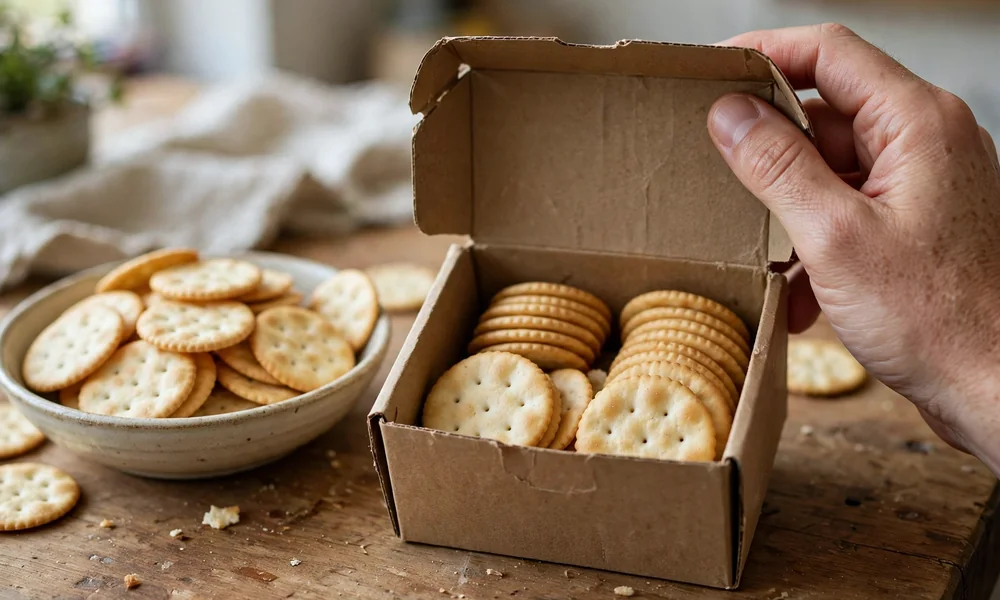
The best water crackers start with a simple dough, rolled thin and baked until pale gold. A good water cracker is plain on purpose: it is there to carry cheese, not to compete with it. It should snap cleanly, taste faintly of wheat, and stay crisp under a soft cheese for a few minutes rather than going soggy straight away. The best ones are evenly baked, with tiny blisters on the surface from a hot oven, and salted lightly enough that you can taste the cheese on top. They are the cracker to reach for when the cheese is the star of the board.
Wholegrain crackers sit between the two, and the best ones are worth keeping in the cupboard at all times. A good wholegrain cracker is golden, lightly crisp, and tastes of oats or wheat with a little sweetness from the grain itself. It works with cheese, with hummus, with soup, and on its own with a cup of tea. The best wholegrain crackers keep their fibre high and their sugar low, and they use wholemeal flour as the first ingredient rather than refined flour with a little bran sprinkled in for show.
The Best Cracker Styles at a Glance
| Cracker style | Texture | Salt level | Best for |
|---|---|---|---|
| Round water cracker | Thin, crisp | Light | Cheese boards |
| Seeded crispbread | Hard, crunchy | Light | Spreads and everyday snacking |
| Wholegrain cracker | Golden, lightly crisp | Moderate | Cheese, hummus, and soup |
| Saltine and soda cracker | Light, flaky | Moderate | Soup and plain snacking |
| Buttery cheese cracker | Rich, crumbly | Moderate | Snacking and party bowls |
Cheese Crackers and Flavoured Crackers
Cheese crackers can be wonderful when the cheese is real and the base is good. A good cheese cracker is buttery and crumbly, with a gentle cheddar tang that builds as you chew, and a golden colour that comes from the bake rather than from colouring. The best ones list cheese early in the ingredients, keep the salt moderate, and taste of cheese rather than of orange powder. They are rich, so a small handful is enough, and they work well in a party bowl where people take a few at a time.
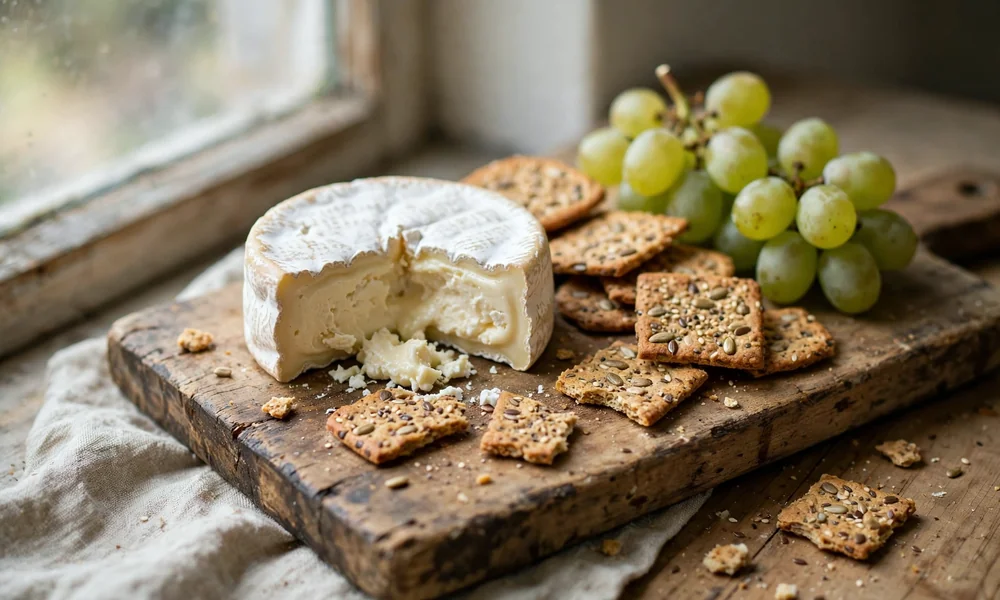
The trouble starts when the flavouring is there to hide a bad cracker. A thick dusting of cheese powder, a heavy herb coating, or a sweet glaze can all cover a stale, pale, or flavourless base, and the first bite tastes exciting while the second tastes tired. Check the ingredient list before you buy a flavoured cracker: if flavourings, colourings, and oils come before flour and cheese, the coating is doing the work and the cracker is not. The best flavoured crackers list flour and cheese early, keep the sugar modest, and use a flavour you could recognise in your own kitchen.
The Worst Crackers of 2026
The worst plain crackers are the ones that look right and taste of almost nothing. They are pale, soft in the middle, and coated in a fine salty dust that leaves your fingers white and your mouth dry. They break into crumbs rather than snapping, and they taste of salt and stale oil rather than of baked grain. Many of them come in large boxes that feel generous and are mostly air, and the crackers inside are uneven, with some burnt dark and some barely baked. If a cracker tastes only of salt, it is not a good cracker, however crisp it is.
The worst cheese crackers are the ones where the cheese is only a colour. Bright orange powder that stains your fingers, a waxy texture, and a flavour that fades before you have finished chewing: all of them hide a base that would not sell on its own. They are also usually the saltiest crackers on the shelf, because salt is cheap and it makes a dull snack taste like something. If you finish a handful and still feel hungry and thirsty at the same time, the cracker was not feeding you, it was only seasoning you.

How to Choose Crackers by Occasion
The best cracker for a cheese board is not always the best for a lunchbox. Ask three questions: what will it carry, who is eating it, and how long will it sit out? For a cheese board, choose a mix of plain water crackers and seeded crispbreads, because the plain ones let soft cheese shine and the seeded ones stand up to hard cheese. For a lunchbox, choose crackers that stay crisp and do not leave a mess: wholegrain crackers and saltines travel well, and they pair happily with cheese, fruit, and a drink. Avoid heavily flavoured crackers in a lunchbox, because the powder coats everything and leaves a mess by lunchtime.
For soup, strength and lightness matter more than flavour. A saltine or a plain water cracker crumbles neatly into a bowl and soaks up just enough soup to soften without turning to mush. A thick, hard crispbread is too tough for soup and will sit in the bowl like a raft. For a party, a big bowl of mixed crackers works, but keep the salt moderate and put out water, because salty snacks make you thirsty faster than you expect. The same care with salt and portions matters with other foods on the board too, which is why our comparison of the best and worst cheeses of 2026 looks at salt and richness in the same honest way.
Reading the Packet
The packet tells you more than the picture does, if you know where to look. Start with the ingredient list: wholemeal flour, rye, or oats should come first, and the list should be short enough to read in one breath. If you see a long list of flavourings, colourings, and oils you would never cook with, put the box back. Next, check the salt per serving and the serving size: some boxes call a tiny handful a serving, which makes the salt look lower than it really is. A normal handful is about thirty grams, and a good cracker keeps its salt in a range you can enjoy without feeling thirsty straight away.
Check the bake, too. A good cracker is deep golden, not pale and not burnt, and the box should feel full of whole crackers rather than crumbs. Shake the box gently: if it sounds like gravel, the crackers inside are already broken. For seeded crackers, look at the seeds: they should be visible all the way through the cracker, not only on the top. And remember that crackers go stale faster than most snacks once the box is open, so check the date and buy the freshest box on the shelf.
Storing Crackers at Home
Crackers keep best in a sealed container or a tightly closed box, away from damp and heat. Once the box is open, they start to soften within a day or two, especially in a humid kitchen, so eat them promptly or seal them well. A clip on the bag inside the box helps, and a dry cupboard is better than a fridge, which makes crackers go soft. Flavoured crackers should be kept cool and dry, because heat melts the coating and damp makes it sticky.
A board of crackers at a party should be refreshed rather than topped up, because the crumbs at the bottom go stale and soft first. Put out a small pile, refill it when it is empty, and keep the rest sealed. And if you have crackers left over, they make a good crunchy topping for salads and soups when crushed, or a salty base for a snack mix with cheese and fruit. A few extra crackers on the board add crunch alongside cheese and spreads, and our guide to the best crackers for cheese boards and snacking in 2026 covers the boxes that stay crisp alongside cheese and spreads.
The Verdict
The best crackers of 2026 are the ones that taste of grain first: a thin water cracker with coarse salt, a dark seeded crispbread that snaps cleanly, or a golden wholegrain cracker that carries cheese without hiding it. The worst are pale, over-salted, or buried under a flavouring that hides a dull base. Buy the cracker with the shortest ingredient list, the freshest bake, and the salt you can see rather than the dust you can feel, and you will rarely go wrong. A good cracker does not need a bright box or a bold flavour to earn its place on the board; it only needs good grain, a proper bake, and just enough salt.


