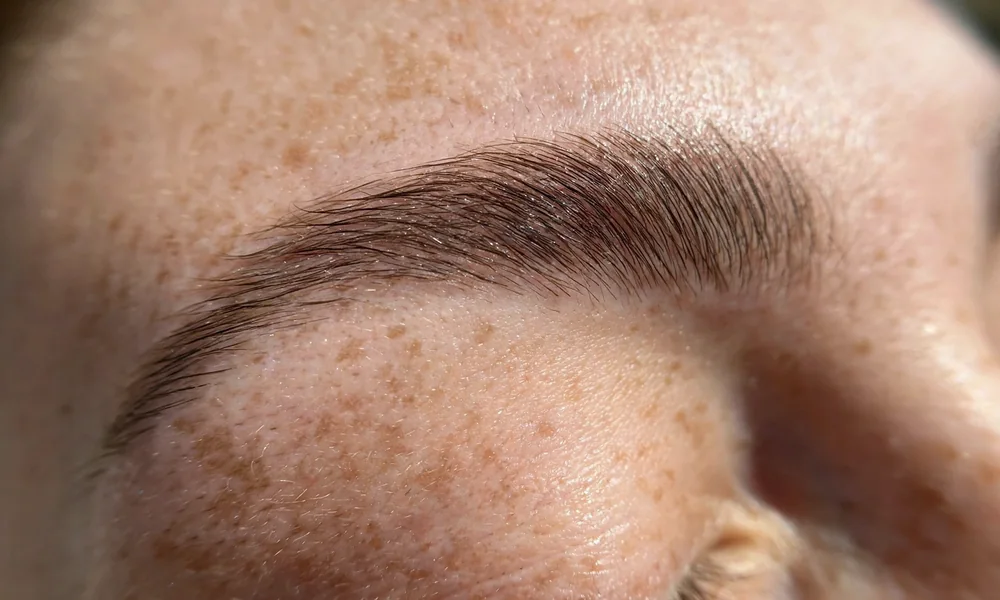
An eyebrow gel does not draw a brow. It holds one. Where a pencil adds colour and shape, a gel takes the hairs you already have, brushes them into place, and keeps them there until you wash it off. It is the difference between a brow that looks good in the mirror at eight in the morning and a brow that still looks good at eight in the evening, after wind, rain, heat and a long day of touching your face. When it works, the brows look groomed and full without looking made up, as though they simply grew that way. When it fails, everyone can tell, because a bad gel leaves white flakes, a stiff crunch, or hairs that have fallen flat by lunchtime.
This comparison puts the best eyebrow gels of 2026 head to head against the worst, judging each one the way you would actually wear it: brushing brows up in the morning, setting them over pencil or powder, wearing gel alone on a no-makeup day, and checking it after hours of heat, humidity and movement. We look at how well the gel holds, whether it dries stiff or stays soft, whether it leaves flakes or a white cast, how the brush handles fine hairs, and whether the finished brow looks naturally groomed or shellacked into place. A great eyebrow gel disappears into the brow. A bad one sits on top of it and gives itself away.
Key Takeaways
- An eyebrow gel works by coating and setting the hairs, which is why the best ones hold all day without drying stiff, flaking or leaving a white residue.
- The best eyebrow gels of 2026 brush hairs up and into place, keep them there through heat and humidity, and dry clear with no crunch.
- Clear gel suits full brows that only need taming, while tinted gel suits sparse brows that need a little colour as well as hold.
- One light coat beats two heavy ones every time, and letting the first coat dry before adding more is what stops the gel from clumping.
- A gel only sets the shape, so our comparison of the best and worst eyebrow pencils of 2026 is where to look when the brows need drawing as well as holding.
How We Judged the Eyebrow Gels
We judged every eyebrow gel on five things that matter when you actually live with it rather than when you read the tube. First, the hold: whether the hairs stay brushed up and in place for a full day, or droop, fall flat or wander out of shape by the afternoon. Second, the feel: whether the brows stay soft and touchable, or dry stiff, crunchy and uncomfortable. Third, the finish: whether the gel dries clear and invisible, or leaves white flakes, a shiny film or a grey cast on the hairs. Fourth, the brush: whether it is small enough to reach fine hairs at the front and tail, or so large that it smears gel onto the skin. Fifth, the wear: whether the gel survives heat, humidity and a long day without flaking off, or whether it crumbles at the first sign of sweat.

What the Best Eyebrow Gels Do Differently
The best eyebrow gels feel almost weightless once they dry. The gel coats each hair lightly, holds it where it was brushed, and then seems to vanish, leaving the brow soft enough to touch and flexible enough to move. That matters more than it sounds, because a brow that feels stiff feels wrong all day, and a gel that dries hard is the first thing people notice when they look closely. A light formula also means the gel can be layered, a soft hold for daytime or a firmer set for evening, instead of arriving all at once in a single heavy coat that is hard to undo.
The second thing the best gels do is hold without flaking. Once the gel has set, it stays put through heat, humidity and movement, and the hairs stay brushed up rather than sliding back down. This is the whole point of a brow gel, and it is where the gap between good and bad is widest. A good gel acts like a quiet scaffold around the brow, and by the end of the day the scaffold is still standing. The shape may have softened a little, but the hairs are still up, and nothing has crumbled onto the skin below the brow.
The third difference is the brush. The best gels come with a small, precise spoolie that reaches the fine hairs at the inner corner and the tail without smearing gel across the forehead. A tiny brush gives control: you can lift the front hairs up, sweep the arch across, and press the tail down, all with the same tool. A brush that is too big coats the skin as well as the hair, which is how the white cast and the flakes begin. The best gels also come in a useful range, a truly clear gel for full brows, and tinted shades that match real hair rather than one warm brown that suits nobody.
The Worst Eyebrow Gels: How They Fail
The worst eyebrow gels fail in the same few ways, and once you know them you can spot a bad tube in the shop before you buy it. The first failure is the crunch. A gel that dries stiff makes the brows feel like plastic, and the hairs look glued together rather than groomed. The second failure is the flake. Some gels look fine for an hour and then start to crumble, leaving white specks on the brow and the skin underneath, which is worse than no gel at all. The third failure is the hold. A weak gel brushes the hairs up nicely and then lets them fall flat within the hour, so by lunchtime the brow looks exactly as it did before. The fourth failure is the brush: too big, too soft or too wet, it floods the brow with product and smears gel onto the forehead, and no amount of careful brushing can fix a brush that was wrong from the start.
Clear or Tinted: The One Decision That Matters Most
More eyebrow gel looks are ruined by the wrong type than by the wrong brand. The rule that works for almost everyone is simple: if your brows are already full, choose a clear gel, because all you need is hold, and any tint will darken the brow and make it look heavy. If your brows are sparse or fair, choose a tinted gel one step lighter than your hair, because the tint fills the gaps while the gel holds the shape, and a tint that is too dark makes the whole face look severe. Undertones matter just as much as depth. Most people need a cool or neutral tint, not a warm one, because warm tints turn orange on the hairs and make the brows look red in sunlight. Test the tint on the back of your hand in daylight, and look at it from arm’s length: if you can see the colour as a separate coating, it is the wrong shade.

Why the Brush Matters More Than the Formula
Most people blame the gel when a brow goes wrong, but the brush is often the real problem. A small, firm spoolie separates the hairs, lifts them one by one, and lays the gel down evenly, which is what a natural finish depends on. A large, soft brush clumps the hairs together, floods the brow with too much product, and smears gel onto the skin around it. Keep the brush clean, too: a brush that has been in the tube for months carries dried gel that flakes off onto the brow. Wipe the brush on the rim of the tube before you start, and if the brush comes out loaded with product, wipe most of it off. The gel that stays in the tube is wasted, but the gel that floods the brow is a ruined morning.
How to Apply Brow Gel So It Looks Natural
Good application starts with clean, dry brows. Brush the brows up and out with a clean spoolie first, so you can see their natural direction and where the hairs are unruly. Then load the brush lightly, wipe the excess on the rim, and brush the front hairs straight up, the arch hairs across, and the tail hairs down, following the way the hairs naturally grow. Work one brow at a time, and do not go back over a brow that has started to set, because re-brushing a half-dry gel is what causes clumping and flakes.
The Five Mistakes That Ruin a Gel Set
The first mistake is using too much product. A brush loaded with gel floods the brow, dries stiff, and flakes by the afternoon. The second mistake is brushing against the hair growth, which makes the hairs stick out at odd angles instead of lying in a clean shape. The third mistake is re-brushing after the gel has started to set, which breaks the hold and leaves clumps. The fourth mistake is choosing a tinted gel that is darker than the hair, which guarantees a heavy, drawn-on look. And the fifth mistake is applying gel over damp skin or fresh moisturiser, which stops the gel from gripping the hairs and makes it slide off within the hour.
There is also a quieter mistake, which is never replacing the tube. An eyebrow gel that has been open for months thickens, and a thickened gel goes on heavy, dries stiff and flakes no matter how good it was when it was new. If a gel that used to brush on lightly now needs coaxing, it is not your technique that has changed, it is the gel, and it is time to replace it. For the full picture of which gels hold without the crunch, our guide to the best brow gels that hold without the crunch in 2026 is the best-only companion to this comparison, and for the days when the brows need a softer fill behind the gel, our guide to the best brow powders for natural-looking brows in 2026 shows what to layer underneath.
The Verdict
The best eyebrow gels of 2026 are the ones you forget you are wearing. They brush the hairs up and into place with one light coat, hold them there for hours without drying stiff, dry clear with no flakes or white cast, and leave the brows looking naturally groomed underneath. They are quiet products, and their quietness is the point: a gel should set the brows, not star in the look. The worst ones fail the same tests in the same order: a heavy coat that dries crunchy, flakes by lunchtime, a brush too big to control, and hairs that have fallen flat by the afternoon.
Buy for the hold and the brush, not for the brand. Choose a gel that sets the hairs with one light coat, a small spoolie you can control, and a clear formula if your brows are full or a cool tint if they are sparse. Brush up, follow the hair growth, let it set untouched, and let the rest of your makeup do the talking. Get those right and a good eyebrow gel earns its place in your makeup bag every single day, quietly making everything else look better.