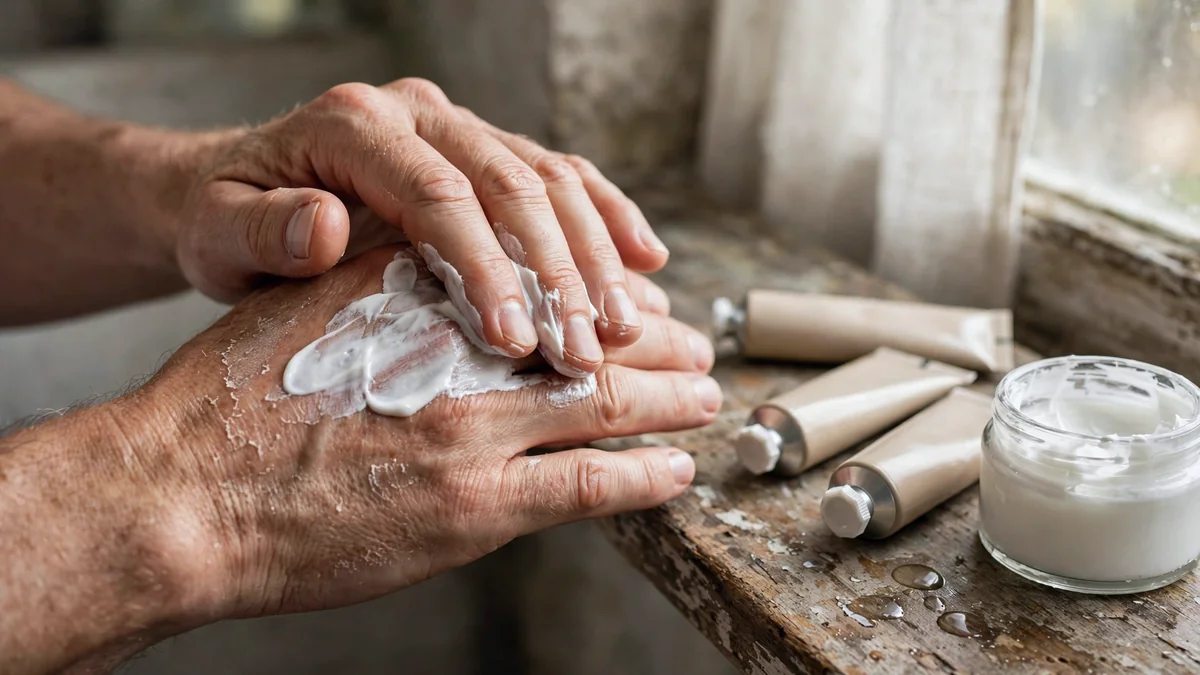
Your hands do more work than any other part of your body, and they show it first. They are washed a dozen times a day, scrubbed with soap, dried by cold air, and soaked in washing-up water, and by the middle of winter the skin on the back of them can feel tight, rough, and sore. A good hand cream fixes that within days. The best hand creams of 2026 sink in quickly, leave the skin soft for hours, and never feel greasy or sticky afterwards.
The worst hand creams do the opposite. They sit on the skin like a film, they smell like a cheap candle, and an hour after you put them on your hands feel dry again. Some are so thin they might as well be water, and others are so thick you cannot pick anything up for ten minutes. This comparison puts the best hand creams of 2026 head to head against the worst, judging them the way you would actually use them: after washing up, before bed, at a cold bus stop, and at a desk where you need to keep typing. The same honest approach sits behind our comparison of the best and worst moisturizers of 2026, because hands and face both need moisture that actually stays put.
Key Takeaways
- Judge a hand cream by how your hands feel two hours later, not by how they feel two minutes later.
- A cream that absorbs properly is worth more than a rich one that leaves a greasy film on everything you touch.
- Fragrance is the most common reason a hand cream fails, because a strong scent on sore skin stings.
- Rich creams belong at night and light creams belong in the day, and one tube rarely does both jobs well.
- The cheapest hand cream is the one you finish, because a tube you hate using is money wasted however little it cost.
What Makes a Hand Cream Good or Bad
A good hand cream starts with absorption. You should be able to rub it in, wait a minute, and then pick up a pen, a phone, or a cup of tea without leaving marks. The best hand creams of 2026 manage this because they are built around ingredients that sink into the skin rather than sitting on top of it. Glycerin and shea butter draw moisture in and hold it there, and a good formula balances them so the cream feels rich on the skin for a few seconds and then simply disappears.
The second thing that separates good from bad is how long the softness lasts. A hand cream that feels lovely for ten minutes and then leaves your hands exactly as dry as before has done nothing useful. The best creams keep working for hours, even after you wash your hands once or twice, because they help repair the skin barrier instead of just coating it. The worst creams are mostly water and perfume, and they evaporate almost as soon as you apply them.
Fragrance is the third test, and it is the one most buyers underestimate. A strong scent might smell pleasant in the shop, but on hands that are cracked and sore it can sting, and at a desk or a dinner table it can be overpowering. The best hand creams are either fragrance free or very lightly scented, and the scent fades within minutes. The worst ones smell like a gift shop and the smell follows you around for hours.
The Best Hand Creams of 2026
The best hand creams of 2026 are mostly the quiet, unglamorous ones, and that is exactly the point. They come in plain tubes and unexciting jars, and they do their job without fuss: they calm sore skin, they smooth rough knuckles, and they leave hands feeling normal again instead of tight and papery. They are not the most expensive creams on the shelf, but they are the ones people buy again and again once they have tried them.

What the best hand creams share is a feeling of substance without stickiness. The cream feels rich when you squeeze it out, it spreads easily across the back of the hand, and within a minute or two it has vanished into the skin. Your hands feel soft and comfortable, not coated, and you can get on with your day. Their packaging helps too: a tube that stands on its cap, a lid that opens with one hand, and a size that fits in a coat pocket or a handbag.
The Worst Hand Creams of 2026
The worst hand creams of 2026 are not always the cheapest, and that is what makes them so frustrating. Some look lovely in the shop and come in beautiful packaging, but within a day of using them the problems start: the cream never quite sinks in, it leaves a film on your phone screen, and it makes your hands feel coated rather than cared for. You find yourself washing it off, which defeats the whole purpose.
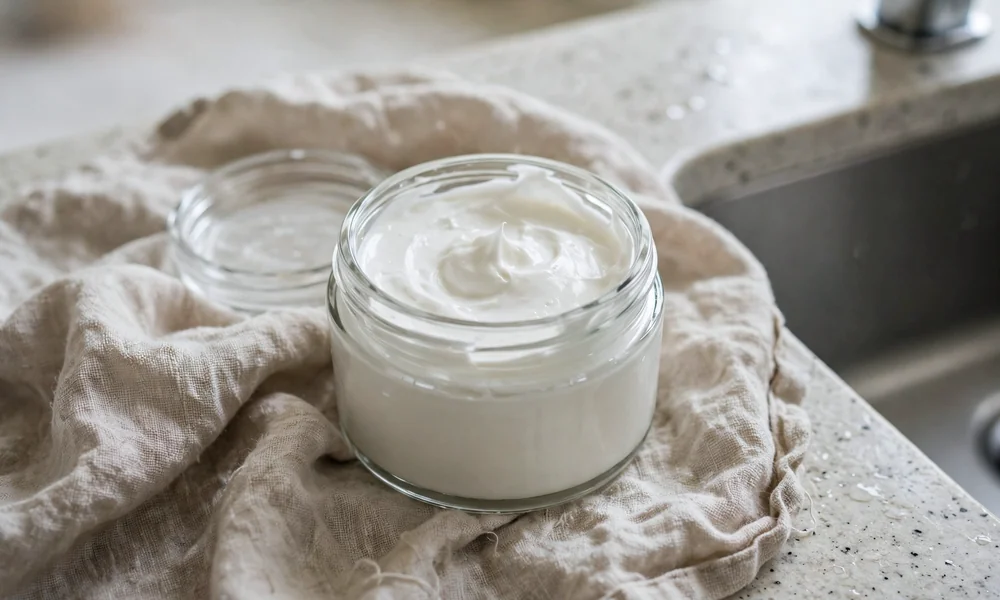
Grease is where many of the worst hand creams fall down hardest. They are often loaded with cheap oils and waxes that feel rich in the hand but never absorb, and the result is a cream that turns everything you touch into a smudged mess. Door handles, keyboards, steering wheels, and pages of books all pick up the residue, and the cream ends up on your belongings instead of in your skin. A hand cream that stops you using your hands is a hand cream that has failed.
Everyday, Work, or Winter: Which Type Wins
Light creams win for daytime use, and it is not close. A fast-absorbing cream you can apply at your desk, in the car, or on a train is the one you will actually use three or four times a day, and that regular use matters more than the richness of any single application. The best daytime hand creams of 2026 are light enough to type with straight away, and they come in small tubes that live in a pocket or a bag. Their weakness is staying power: on very cold days they may need reapplying after every wash.
Rich creams are the right choice for hands that are already damaged. If your knuckles are cracked, your cuticles are ragged, and your hands sting every time you wash them, a light cream will not be enough. A thick balm, applied generously at night, gives the skin the time and the moisture it needs to repair itself. Feet need the same kind of heavy care, and our guide to the best foot creams of 2026 shows how a rich cream can rescue skin that a light lotion never touches.
Ingredients, Texture, and the Numbers That Actually Matter
Glycerin is the workhorse ingredient in almost every good hand cream, and it is worth knowing why. It draws water into the top layer of the skin and holds it there, which is exactly what dry hands need. Shea butter and ceramides do the other half of the job: they help rebuild the skin barrier so the moisture stays in instead of escaping. The best hand creams of 2026 combine both, and you can usually tell by reading the first five ingredients on the tube.
Texture is the next thing to judge, and it is simpler than it sounds. A good hand cream should feel smooth and even when you rub it between your palms, with no grit, no lumps, and no watery separation. If the cream feels grainy or splits into oil and water, the formula is poor and it will not perform well on your skin. A small test on the back of one hand tells you more than any claim on the packaging, and it takes ten seconds.

Price is the least reliable guide of all. Some of the best hand creams cost very little, and some of the most expensive are little more than perfume in a pretty tube. What matters is how much cream you need per application and how long the softness lasts. A tube that lasts three months because a pea-sized amount is enough is cheaper than a tube that lasts three weeks because you need a large dollop every time. The same care applies to washing, and our comparison of the best and worst body washes of 2026 shows how much damage a harsh wash can do before a cream ever gets its chance.
How to Choose a Hand Cream Without Regret
The single most useful thing you can do before buying a hand cream is to try it on the back of your hand. A ten-second test tells you almost everything: whether it absorbs, whether it feels greasy, whether the scent is too strong, and whether it stings on dry skin. If the shop has no tester, buy the smallest tube first. A small tube you love is worth more than a large jar you hate.
Check the ingredients with real attention before you buy. Look for glycerin, shea butter, or ceramides near the top of the list, and be wary of a long list of fragrances and alcohols. Alcohol can make a cream feel light and fast-drying, but it can also dry the skin further, which is the opposite of what you want. If your hands are cracked or sore, choose a fragrance-free cream until they heal.
Finally, think about when you will actually use it. A cream that lives in a bathroom cabinet will not help hands that dry out at work, and a cream that lives in a handbag will not help hands that crack overnight. Keep a light tube where you spend your day and a rich jar by your bed, and use both every day. Consistency beats luxury, and the best hand cream is the one that is always within reach.
Best vs Worst at a Glance
| What to judge | The best hand creams | The worst hand creams |
|---|---|---|
| Absorption | Sinks in within a minute, no residue | Sits on the skin and leaves a film |
| Lasting softness | Hands stay soft for hours | Dry again within the hour |
| Fragrance | None or very light, fades fast | Strong, lingering, can sting sore skin |
| Texture | Smooth, even, spreads easily | Grainy, greasy, or watery |
| Value | A little goes a long way | Needs large amounts, tube empties fast |
The Verdict
The best hand creams of 2026 are the ones that make your hands feel normal again without asking for much in return. They absorb quickly, they keep working for hours, and they smell of almost nothing. They do not need to be expensive or beautiful: they simply work, day after day, in cold weather and after endless washing, with very little fuss.
The worst hand creams of 2026 are the ones that demand too much and give too little back: too much grease on everything you touch, too much scent in the air, and too much money for a tube that leaves your hands dry again within the hour. Hands are tools you rely on every day, and when the skin on them is sore and cracked, everything else in your life gets harder.
So buy with your hands as well as your eyes. Test a cream on the back of your hand before you commit to a large tube, check the ingredients for the things that actually heal skin, and keep a light cream for the day and a rich one for the night. Walk away from anything that feels greasy, smells too strong, or stings on dry skin.