A clothes iron is a small appliance with a big job: it takes a shirt from crumpled to crisp, and it does it in minutes. When it works, the soleplate glides, the steam loosens every crease, and a pile of ironing shrinks fast. When it does not work, the iron sticks to fabric, spits water onto a clean shirt, or leaves a shiny patch on dark trousers that never quite goes away. The best clothes irons of 2026 make ironing quick and almost pleasant. The worst make it a chore you put off until the pile is taller than the ironing board, and a chore that damages clothes is worse than no iron at all.
This comparison puts the best and worst clothes irons head to head, judging each iron the way you would actually use it at home: pressing a work shirt on a Monday morning, smoothing a linen dress before a wedding, and dealing with a basket of school uniforms on a Sunday evening. We look at steam power, soleplate glide, temperature control, weight and comfort, water capacity, and whether the iron is still pleasant to use after a year of weekly ironing. A great iron is not the heaviest or the most expensive one on the market. It is the one that removes creases in a single pass without scorching anything, and this guide shows you how to tell the two apart before you spend a penny.
Key Takeaways
- Strong, steady steam matters most: the best irons push out plenty of steam and keep it coming, while the worst puff weakly and give up halfway through a shirt.
- A smooth soleplate saves time: ceramic and stainless steel plates glide over cotton and linen, while a rough plate drags and snags.
- Accurate temperature control protects clothes: the best irons hold their heat steady, while the worst swing hot and cold and scorch delicate fabric.
- Weight is a trade-off: a heavier iron presses better, but a light iron is kinder on your wrist over a full basket.
- The same honest judgement helps with our comparison of the best and worst washing machines of 2026, the machine that decides how creased your clothes are before the iron touches them.
How We Judged the Clothes Irons
We judged every clothes iron on six things that matter when you actually iron rather than when you look at the specification sheet. First, steam power: whether the iron produces a strong, even flow of steam that relaxes creases, and whether it can give a useful burst for stubborn folds. Second, glide: whether the soleplate moves smoothly across cotton, linen, and synthetics without catching or leaving marks. Third, temperature control: whether the iron reaches the setting you chose and stays there, or drifts hotter and risks scorching. Fourth, comfort: whether the handle fits the hand, the weight feels balanced, and the iron is easy to use for a full basket without aching wrists. Fifth, water and upkeep: whether the tank holds enough for a session, the iron resists limescale, and the soleplate is easy to clean. Sixth, living with it: how reliable the iron is, whether it leaks when stored, and whether it still steams well after a year of regular use.
The Best Clothes Irons of 2026
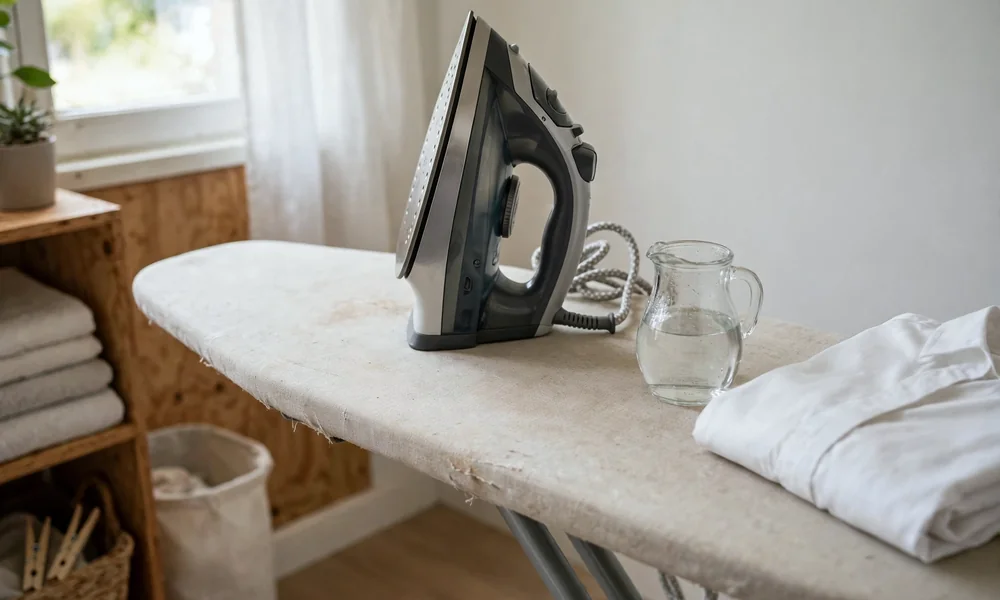
The best clothes irons of 2026 share one habit: they let the steam do the work instead of your arm. They heat up fast, hold their temperature, and push out a steady cloud of steam that relaxes fibres so the soleplate only has to guide, not force. They are comfortable to hold for a whole basket, easy to fill without spilling, and gentle enough that you trust them with the clothes you actually care about. The irons below are not the flashiest on the shop floor, but they are the ones that still steam well in their third year, when the novelty has worn off and only the results matter.
Steam Irons That Actually Steam
The single biggest difference in the best clothes irons of 2026 is steam, and it changes the whole experience of ironing. A good steam iron produces a strong, continuous flow — around forty grams a minute or more — and a powerful burst for creases that refuse to move. That steam relaxes the fibres, so a single slow pass flattens a cotton shirt that a dry iron would need three passes to tame. The best irons keep the steam coming for the whole basket, because the boiler and the pump are sized for the job rather than for the first five minutes. Cheap irons often start strong and fade, leaving you pressing harder and harder as the steam dies away. When you test an iron, listen for the hiss and watch the steam: it should be even, not spitting, and it should keep coming when the iron is held upright. An iron with a vertical steam setting is a bonus, because it lets you steam a hanging jacket or a curtain without taking it down, which is the kind of small convenience you notice every week.
Soleplates That Glide, Not Drag
The second mark of a great iron is the soleplate, and it is the part your clothes actually touch. The best soleplates are ceramic or polished stainless steel, shaped with a pointed tip that reaches into pleats and around buttons, and covered in steam holes spread evenly across the whole plate so the steam reaches the fabric, not just the middle of it. A good soleplate glides with almost no effort: you guide it, and the weight of the iron does the pressing. A rough or poorly coated plate drags, catches on seams, and leaves shiny marks on dark fabric that no amount of washing removes. Non-stick coatings feel slick when new, but the cheapest ones scratch and peel within a year, and a scratched soleplate is worse than a plain one. Ceramic plates are the safest all-round choice, because they glide well, resist scratches, and spread heat evenly. If you iron a lot of linen or heavy cotton, a stainless steel plate is worth considering, because it holds its heat and powers through thick fabric without cooling down mid-pass.

The Worst Clothes Irons of 2026
The worst clothes irons of 2026 are not always the cheapest, and that is what makes them so frustrating. Some cost a respectable amount of money and still iron badly, because the features that matter — real steam, a smooth soleplate, a steady temperature — were left out in favour of a shiny display and a dozen settings nobody uses. The irons below share a pattern: they promise steam they cannot deliver, they stick and snag, and they leak or spit at the worst moments. Spotting that pattern before you buy is the whole point of this comparison.
Irons With Weak, Spitting Steam
The most common fault in the worst irons is steam that is more promise than performance. A cheap iron may claim a high steam output on the box, but in practice it puffs weakly for a few minutes and then fades, or it spits droplets of hot water onto freshly pressed fabric. Those droplets are the worst kind of fault, because they leave water marks on silk and pale linen that only a rewash removes — which means ironing the same shirt twice. The cause is usually a boiler that is too small and a soleplate that cannot stay hot enough to turn all the water into steam, so some of it escapes as liquid. An iron that spits is an iron that cannot be trusted near good clothes, and the problem tends to get worse as limescale builds up inside. If an iron drips when held upright, or if it needs a long warm-up before it steams at all, walk away: it is a machine built for a specification sheet, not for a basket of real laundry.
Irons That Stick, Snag, and Scorch
The second fault is a soleplate and thermostat that cannot be trusted. The worst irons have plates that drag across cotton, catch on seams, and leave a faint shine on dark trousers after a single pass. Their temperature controls are worse: the dial says one thing and the plate does another, swinging hot enough to scorch a synthetic blouse, then cooling so much that it will not press a linen napkin. That kind of iron teaches you to iron badly, hovering nervously and testing on a corner before every pass, which doubles the time a basket takes. The damage is not always obvious at once — a scorched mark on a dark shirt can look like a shadow until you see it in daylight — but it is permanent. A good iron should be boringly predictable: set the temperature, wait for the light, and trust it. If an iron cannot hold its heat steady, it is not saving you time, it is charging you for the privilege of ruining clothes slowly.
Best vs Worst at a Glance
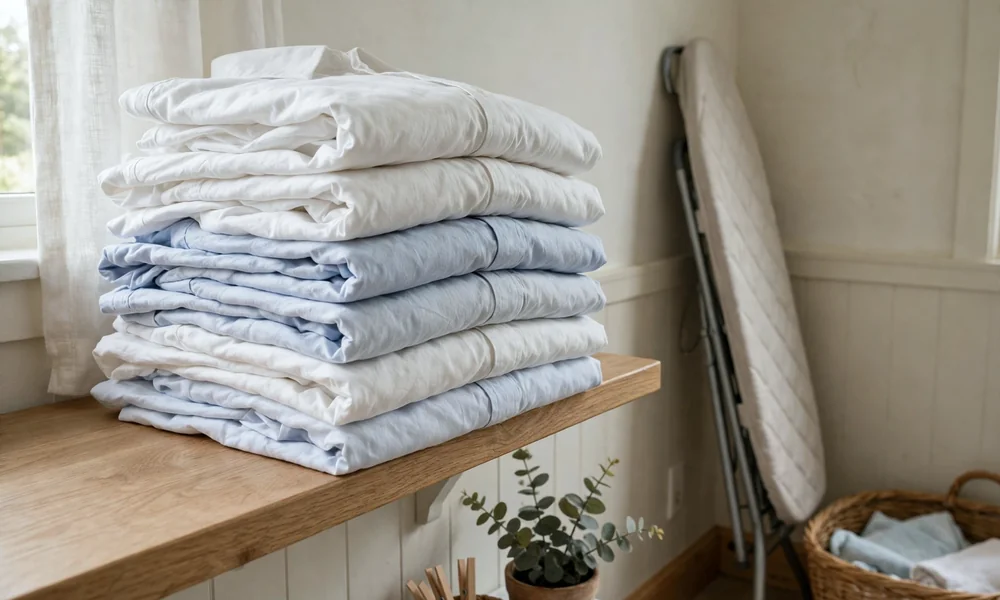
The gap between the best and worst clothes irons is easy to see once you know what to check. A good iron steams strongly and steadily, glides on a smooth ceramic or steel soleplate, holds its temperature, and feels balanced in the hand. A bad iron puffs weakly, spits water, drags across fabric, and swings hot and cold. The best irons cut ironing time in half, while the worst double it and damage clothes along the way, which is why the cheapest iron on the shelf is rarely the cheapest to own. The price gap between the two is smaller than the cost of the shirts scorched and the blouses marked over three years of bad ironing. The same small habits save money across the laundry room, as our comparison of the best and worst clothes dryers of 2026 shows: the machine that dries your clothes decides how creased they are, and a good dryer makes the iron’s job far easier.
The Verdict
The best clothes irons of 2026 are the ones that get out of your way: they steam strongly and steadily, glide on a smooth soleplate, hold their temperature, and feel comfortable over a full basket. Spend a little more on an iron with a genuine steam output and a ceramic or stainless steel soleplate, check that it does not spit or drip when held upright, and descale it regularly if you live in a hard-water area. Avoid irons that fade after five minutes, stick to fabric, or swing hot and cold. An iron is also only one part of the laundry routine, and our comparison of the best and worst towels of 2026 covers the other end of the wash — what you dry yourself with matters just as much as what you wear. Pick the iron that matches the way your household actually irons, and it will repay you with years of crisp shirts instead of scorched ones.