A makeup remover is the product that decides whether the rest of your skincare can do its job. Every night it has to dissolve foundation, sunscreen, waterproof mascara and long-wear lip colour, then rinse away cleanly and leave the skin calm rather than tight, greasy or stinging. It is the first step of the evening routine and the one most people rush, yet the difference between a good remover and a bad one shows up within days: clear, comfortable skin on one side, and redness, breakouts, dry patches and mascara smudged under the eyes on the other.
This comparison puts the best makeup removers of 2026 head to head against the worst, judging each one the way you would actually use it: a full face of long-wear foundation after a long day, waterproof mascara that refuses to budge, a quick removal when you are tired and want to be in bed in five minutes, and sensitive skin that reacts to almost everything. We look at how completely each remover dissolves makeup, how much rubbing it demands, how it feels on the eyes, what it leaves behind on the skin, and whether your face feels clean and comfortable afterwards. A great makeup remover takes everything off gently and leaves nothing behind. A bad one either leaves makeup on your skin or takes your skin’s comfort with it.
Key Takeaways
- A makeup remover works by dissolving makeup so it can be rinsed or wiped away, which is why the best ones melt foundation and mascara without scrubbing while the worst ones force you to rub.
- The best makeup removers of 2026 dissolve waterproof mascara in under a minute, rinse clean with water, and leave skin soft rather than tight or greasy.
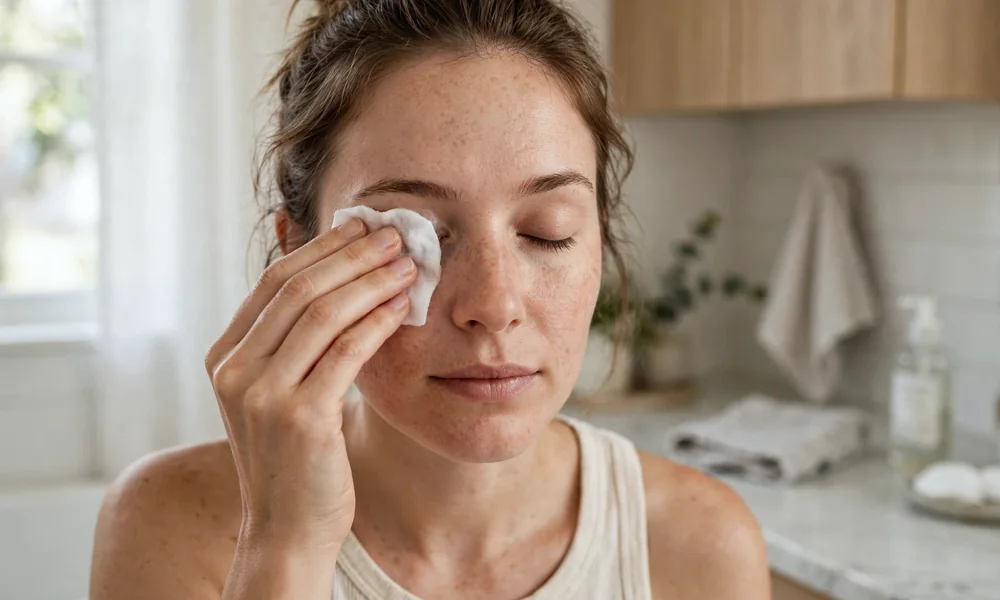
- Press a remover-soaked cotton pad onto closed eyes for twenty seconds before wiping, and let the product do the work instead of dragging it across delicate skin.
- Cleansing balms and oils suit heavy and waterproof makeup best, micellar water suits light makeup and quick removal, and wipes are the weakest option for daily use.
- A remover is a cleansing step, not a treatment, which is why our comparison of the best and worst face masks of 2026 is the place to look when your skin needs something deeper than a clean face.
How We Judged the Makeup Removers
We judged every makeup remover on five things that matter when you actually live with it rather than when you read the bottle. First, dissolving power: whether it melts foundation, sunscreen and waterproof mascara quickly, or leaves traces that need a second cleanse. Second, effort: whether it works with a gentle press and a soft wipe, or demands hard rubbing that pulls at the skin around the eyes. Third, comfort on the eyes: whether it removes mascara without stinging, blurring vision or leaving a film. Fourth, what it leaves behind: whether the skin feels clean and balanced, or greasy, tight, sticky or coated. Fifth, kindness to sensitive skin: whether it calms redness or causes it, and whether it suits daily use or only an occasional heavy-makeup night.
The Best Makeup Removers of 2026
The best makeup removers share one quality that you notice on the first use: they make removal feel easy. Makeup slides off instead of clinging on, the pad comes away dirty instead of half clean, and the skin underneath feels like skin rather than a surface that has been scrubbed. They are not the most aggressive products on the shelf. They are the most effective at the lowest cost to your skin, and they are the ones you reach for every night without thinking twice.
Cleansing Balms
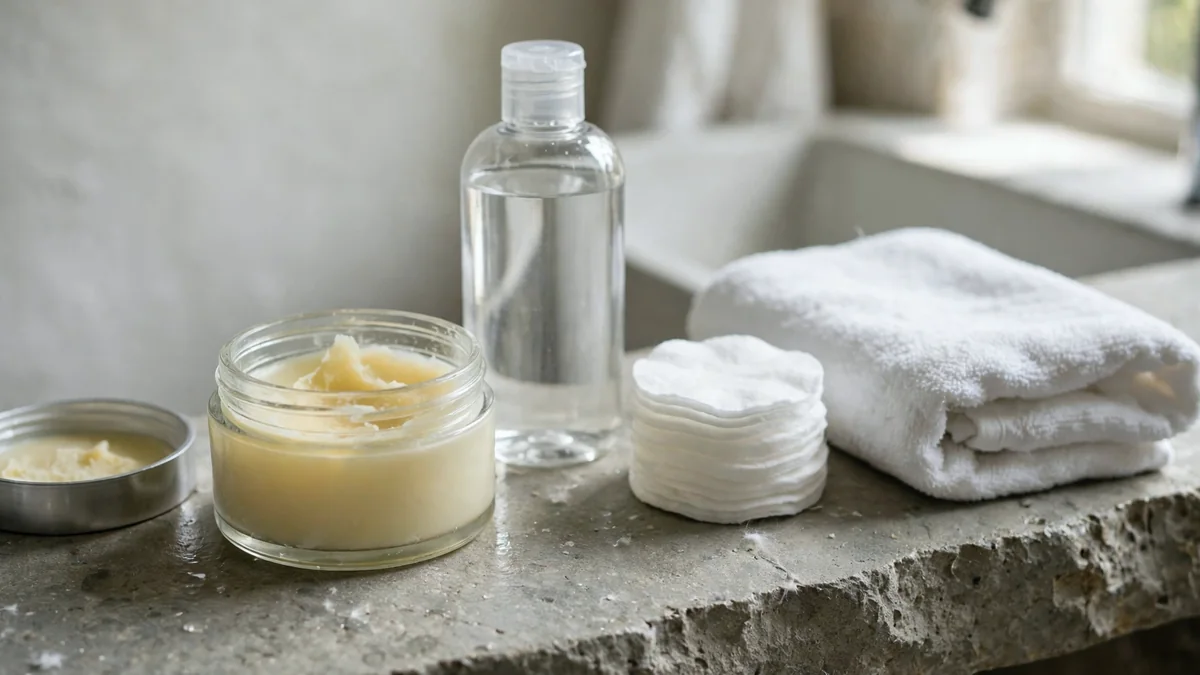
Cleansing balms are the best makeup removers of 2026 for anyone who wears full makeup, sunscreen or waterproof mascara. A balm starts solid in the jar, melts into an oil on warm skin, and dissolves even the most stubborn long-wear foundation in a single massage. You work it over dry skin for thirty seconds, add a splash of water to turn it milky, and rinse it away. The best balms emulsify fully, which means they wash off cleanly and leave no greasy film behind. They also cushion the skin while you massage, so there is no dragging and no redness, and they are gentle enough for the eye area, where waterproof mascara usually lives. A balm is slower than a wipe and it costs more per use, but it is the only format that removes a full face properly in one step, and for heavy makeup there is still nothing better.
Cleansing Oils
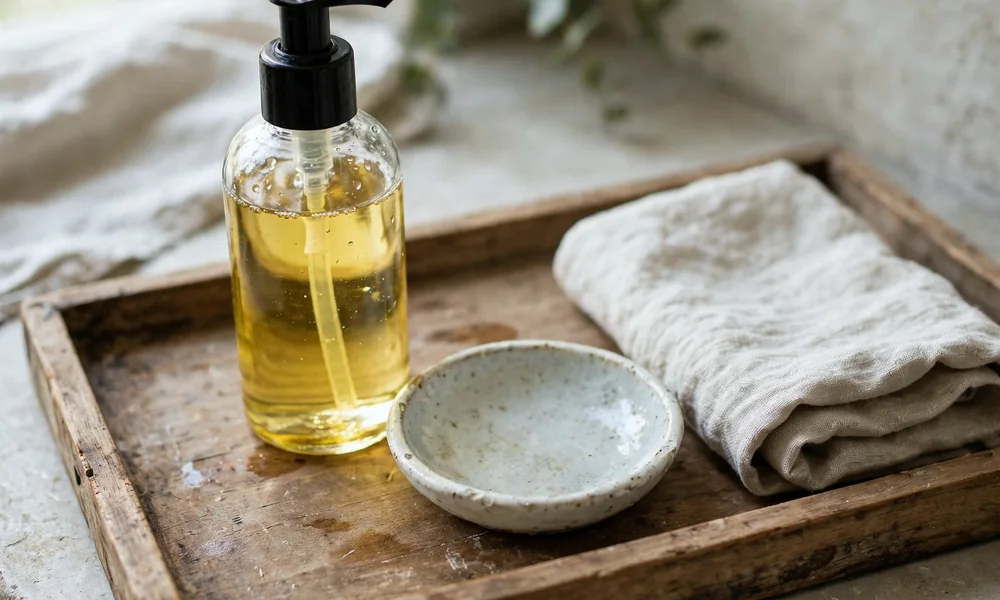
Cleansing oils are the close second, and for some skin types they are the better choice. A good cleansing oil spreads more thinly than a balm and reaches into every corner of the face, dissolving sunscreen and waterproof formulas with the same ease. The best oils are light, rinse clean without a second wash, and leave the skin feeling soft rather than coated. They suit dry and mature skin particularly well, because they remove makeup without stripping the natural oils that keep skin comfortable. The worst oils feel heavy, leave a slick layer that needs a foaming wash to shift, and can leave the eyes cloudy if they drift in. The best ones avoid all of that: they pour cleanly, emulsify on contact with water, and wash away completely, which is the test every cleansing oil has to pass.
Micellar Water
Micellar water is the best makeup remover for light makeup, quick removal and sensitive skin. Tiny cleansing molecules suspended in water lift away foundation and everyday mascara with a soaked cotton pad and no rinsing at all. The best micellar waters remove a normal day of makeup in two or three pads, leave no residue, and never sting the eyes. They are the simplest remover to use well: soak the pad properly, press it onto the skin, and wipe gently. They are not the right tool for waterproof mascara or heavy stage makeup, and anyone who tries to force them into that job will end up rubbing and still seeing smudges. Used for what they are made for, though, micellar waters are the most convenient remover in this comparison, and the best ones feel like nothing at all on the skin.
The Worst Makeup Removers of 2026
Cheap Makeup Wipes
Cheap makeup wipes are the worst makeup removers of 2026 for daily use, and it is not close. A wipe drags a thin layer of cleanser across the skin and pushes much of the makeup around rather than lifting it off, so foundation ends up smeared into the pores instead of removed. The pads dry out halfway through the pack, the texture is rough on the delicate skin around the eyes, and the formulas are often loaded with fragrance and preservatives that sting. Wipes have one honest use: a night when you are travelling or too exhausted for anything else. As a daily habit they are the laziest remover in this comparison, and skin that is wiped every night instead of properly cleansed shows it within a fortnight.
Harsh Foaming Washes Used as Removers
Foaming washes that promise to remove makeup in one step are the second worst option, because they do the job by stripping the skin. A strong foam can shift foundation, but it does so with surfactants that leave the face feeling squeaky clean, which is the feeling of a barrier that has been damaged. Waterproof mascara usually survives a foaming wash anyway, so you end up rubbing the eye area hard and still waking up with smudges. The skin then overproduces oil to replace what was stripped, which is why people who wash with harsh foams often find their skin getting oilier and more reactive over time. A foaming wash is a fine second cleanse after a proper remover. As the remover itself, it is the wrong tool for the job.
Stripping Astringent Removers
Stripping astringent removers, the clear liquids that smell of alcohol and promise a deep clean, are the worst choice for anyone with sensitive or dry skin. They dissolve makeup quickly, which is their only virtue, and they pay for it by leaving the skin tight, flushed and uncomfortable. Used nightly they dry out the skin, make redness worse, and leave the eye area stinging and watery. They are a leftover from an era when skincare believed that tight meant clean, and modern skin science has moved on. If a remover makes your skin feel tight within a minute of using it, it has taken too much, and no amount of moisturiser afterwards fully makes up for it.

How to Choose the Right Makeup Remover
Choose by the makeup you actually wear, not by the bottle that looks prettiest. If you wear waterproof mascara, sunscreen and long-wear foundation most days, a cleansing balm or oil is the right tool, and it will save your skin from the rubbing that weaker removers demand. If you wear light makeup and want the fastest possible routine, a good micellar water will do the job in two minutes. If your skin is dry or reactive, a milk cleanser will remove a normal face of makeup without ever making it feel tight. Whatever you choose, the test is simple: after removing your makeup, wipe your face once more with a clean damp cloth. If the cloth comes away clean and your skin feels comfortable, the remover works. If the cloth is dirty or your skin feels tight, it does not, and it is time to change.
There are two habits that matter more than the product itself. The first is time: press the remover onto the skin and let it sit for twenty seconds before wiping, because dissolving makeup is a chemical job and rubbing is a poor substitute for it. The second is the double cleanse: after the remover has taken the makeup off, wash with a gentle cleanser to remove the last traces of product and makeup together. Our comparison of the best and worst serums of 2026 explains what to put on skin that is properly clean, because a serum can only work on a face that has nothing left sitting on it. A remover that leaves makeup behind wastes every product that follows it.
What to Avoid When Removing Makeup
It is also worth checking what comes after removal, because a clean face is only the beginning of the routine. Our comparison of the best and worst moisturizers of 2026 covers the creams that seal in moisture once the makeup is gone, and the difference between a good moisturizer and a bad one is just as stark as the difference between a good remover and a bad one. The routine works as a chain: the remover clears the way, the moisturizer protects what is underneath, and every step in between depends on the first one being done properly.
The Verdict
The best makeup removers of 2026 are cleansing balms and oils for heavy makeup and micellar water for light makeup. The worst are cheap wipes, harsh foaming washes, stripping astringents and heavily fragranced formulas, all of which either leave makeup behind or damage the skin while removing it. The right remover is the one that matches your makeup and your skin, dissolves everything without rubbing, and leaves your face feeling clean and comfortable. Spend the money on the remover, give it twenty seconds to work, and the rest of your routine will finally have a clean face to work with.