A sewing machine is one of the few machines in a home that can pay for itself in a single weekend, and one of the few that can ruin a whole evening with a single jam. When it works, it turns a length of fabric into a curtain that fits the window exactly, a dress that fits the person wearing it, or a torn jacket made good again for the cost of a reel of thread. When it does not work, it turns the same fabric into a puckered mess, a nest of thread under the needle plate, and a project you quietly fold away and never finish. The best sewing machines of 2026 make the good days routine and the bad days rare. The worst make every seam feel like a negotiation, and a machine that fights you on every seam is a bad buy at any price.
This comparison puts the best and worst sewing machines head to head, judging each machine the way you would actually use it at home: setting it up on the kitchen table, threading it for the first time, sewing a straight seam on cotton, then trying something harder — a thick denim hem, a slippery silk scarf, a buttonhole on a shirt. We look at stitch quality, ease of threading, how the machine handles thick and thin fabrics, noise, and whether it is still pleasant to use after the novelty wears off. A great sewing machine is not the one with the most stitches on the box. It is the one that sews well on a Tuesday evening when you are tired, and this guide shows you how to tell the two apart before you spend a penny.
Key Takeaways
- Stitch quality matters most: the best sewing machines lay down even, flat stitches on cotton, denim, and silk, while the worst skip stitches and pucker the fabric.
- Easy threading saves your patience: the best machines thread in under a minute with a clear path and a needle threader that works, while the worst hide the path and fight you every time.
- A strong motor and a walking foot make the difference on thick fabric: the best machines power through denim hems, while the worst stall and snap needles.
- Check the real cost of extras before you buy: presser feet, bobbins, and servicing add up faster than the price of the machine itself.
- The same honest cost check helps with our comparison of the best and worst ironing boards of 2026, the other half of a tidy sewing corner.
How We Judged the Sewing Machines
We judged every sewing machine on six things that matter when you actually sew with one rather than when you look at the specification sheet. First, stitch quality: whether the stitches are even and flat, the seams lie smooth, and the finished piece looks like something you would be proud to wear. Second, threading: whether you can thread the machine quickly and without a diagram, or whether every bobbin change turns into a ten-minute puzzle. Third, fabric range: whether the machine copes with thin silk and thick denim alike, or whether it only behaves on easy cotton. Fourth, buttonholes: whether the machine makes neat, even buttonholes in one step, or whether you end up finishing them by hand. Fifth, noise and vibration: whether the machine hums along quietly, or whether it rattles the table and wakes the house. Sixth, living with it: how heavy it is to carry, how easy it is to store, and whether spare parts and servicing are easy to find.
The Best Sewing Machines of 2026
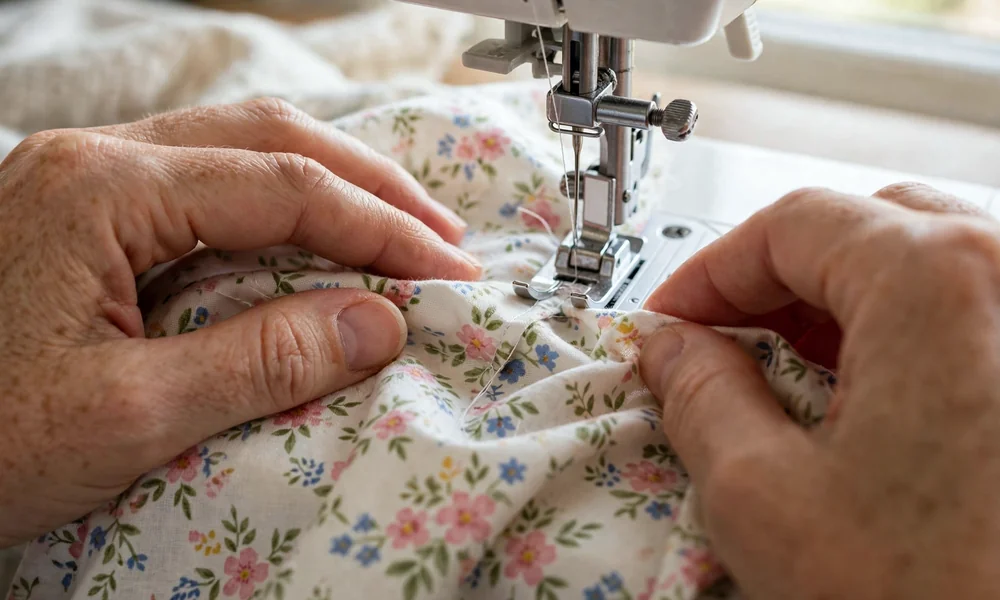
The best sewing machines share one habit: they disappear into the job. You sit down, you thread the machine, you sew, and the machine does what you ask without drama. The stitches come out even, the fabric feeds smoothly, and the motor keeps a steady speed whether you are sewing a light blouse or a heavy curtain hem. These machines are not always the most expensive ones. The best of them are often mid-priced machines with a solid metal frame, a clear threading path, and a small set of genuinely useful stitches rather than two hundred you will never touch.
Threading is where the best machines earn their keep. A good machine has a threading path you can follow with your eyes, a needle threader that actually threads the needle, and a bobbin that drops in from the top so you can see how much thread is left. That sounds like a small thing until you have threaded a bad machine four times in one evening, each time wondering whether the problem is the machine or you. The best machines also wind a bobbin cleanly, without the thread piling up on one side and jamming the works. When threading is easy, you sew more, and when you sew more, you get better at it.
Fabric range is the second great strength of the best machines. A good machine sews silk without puckering it, cotton without skipping a stitch, and denim without stalling halfway through the hem. It does this with a strong motor, a presser foot that holds the fabric firmly, and a feed that moves thick layers without bunching them. The best machines also come with the feet you actually need: a zipper foot, a buttonhole foot, and a walking foot for thick or slippery fabric. You should not have to buy a drawer full of extras before the machine does what the box promised it would do.
Buttonholes are the quiet test of a good sewing machine. A one-step buttonhole foot makes a neat, even buttonhole in a single pass, and it makes the same buttonhole ten times in a row when you are sewing a shirt. The best machines manage this without fuss, and they do it on thick fabric as well as thin. The worst machines make buttonholes that are lopsided, too tight, or so loose that the button slips straight through. A shirt with bad buttonholes is a shirt you will not wear, and that is a lot of sewing wasted.
The Worst Sewing Machines of 2026
The worst sewing machines announce themselves within the first hour. The thread nests under the fabric, the needle snaps on a denim hem, and the bobbin jams so often that you start to dread changing it. These machines are usually the cheapest ones, but cheap is not the problem: the problem is a plastic frame that flexes under load, a weak motor that stalls on anything thicker than a tea towel, and a tension system that seems to have a mind of its own. A machine that cannot sew a straight seam on plain cotton is not a bargain at any price.
Threading is where the worst machines waste your evening. The path is unclear, the diagrams are tiny, and the needle threader either misses the eye or breaks on the third use. You thread the machine, sew two inches, and find a bird’s nest of thread underneath. You rethread it, and the same thing happens again. After the third attempt you start to wonder whether sewing is even for you, when the truth is that the machine is failing, not you. A bad machine teaches people to give up sewing, and that is its worst fault.

Thick fabric is where the worst machines give up entirely. A denim hem stops the motor, a curtain lining bunches under the foot, and a zipper goes in crooked because the machine cannot hold the layers together. The feed dogs slip, the needle deflects, and the seam wanders off the line you marked. You end up sewing the same seam three times, and each time it looks worse. A machine that only sews thin cotton is a machine with a very small job, and most people buy a sewing machine precisely because they want to sew the hard things.
The worst machines also hide their real cost. The box promises two hundred stitches and a dozen feet, but the feet that matter are sold separately, the bobbins are an odd size you can only buy from one place, and the machine needs a service after six months because the timing has drifted. Add the cost of the extras, the wasted fabric, and the projects you abandoned, and the cheapest machine on the shelf becomes the most expensive one you own. That is the trap this comparison is meant to help you avoid.
Best vs Worst at a Glance
Put the two side by side and the difference is not subtle. The best sewing machines thread in under a minute, sew silk and denim with the same calm, and make buttonholes that look shop-bought. The worst take ten minutes to thread, stall on a denim hem, and make buttonholes you would be embarrassed to show anyone. The best machines come with the feet you need and a motor that keeps going. The worst machines come with a long list of stitches you will never use and a motor that gives up on the first thick seam.
The price gap is smaller than the quality gap. A good mid-priced machine often costs only a little more than a bad cheap one, and it lasts years longer, sews far more kinds of fabric, and does not waste your fabric or your evenings. The same comparison holds across the home: our look at the best and worst washing machines of 2026 found the same pattern, where the cheapest machine cost the most in the end. If you sew more than a couple of times a year, the mid-priced machine is the cheaper buy.
The Verdict
Buy the best sewing machine you can afford, and judge it by threading, stitch quality, and thick fabric, not by the number of stitches on the box. A machine with a solid frame, a clear threading path, a strong motor, and the three feet you actually need will sew well for years, and it will make you want to sew more. A cheap machine with a plastic frame and a weak motor will fight you on every seam, waste your fabric, and teach you to give up.
If you are buying your first machine, choose a mid-priced model from a maker with local servicing, test it on denim before you take it home, and check that the buttonhole foot works on the fabric you actually sew. If you already own a machine that nests thread, stalls on hems, and rattles the table, stop fighting it: the money you save by keeping it is spent many times over in wasted fabric and wasted evenings. The best sewing machines of 2026 are not the flashiest ones. They are the quiet, steady ones that let you get on with the sewing, and that is the whole point of owning one. The same rule applies to the rest of the laundry room, as our comparison of the best and worst vacuum cleaners of 2026 shows: the machine that works calmly, every time, is the one worth paying for.