
A smartwatch is the one gadget you wear all day, every day, so getting it wrong is worse than getting a phone wrong. A bad phone stays in your pocket. A bad watch buzzes on your wrist, dies before dinner, and counts your steps wrong while you are still walking. The best smartwatches of 2026 feel almost invisible: they last, they stay readable in sunlight, their health numbers stay steady, and their apps do what they promise. The worst ones look just as good in a product photo, then fall apart in the first week of real use. This guide puts both sides on the table. It explains what separates a great watch from a dud, where the best watches earn their price, and which warning signs should send you walking away before you pay.
Key Takeaways
- The best smartwatches last at least a full day with heavy use, stay bright in sunlight, and keep a steady connection to your phone.
- The worst smartwatches fail on basics: battery life, screen brightness, sensor accuracy, and software support.
- Match the watch to your phone first. An Apple Watch suits an iPhone, while Samsung and Pixel watches suit Android best.
- A long feature list at a rock-bottom price usually means corners were cut on sensors, build quality, or updates.
- Check the return window before you buy, and wear the watch for a full week before you decide to keep it.
How We Judged the Best and the Worst
We judged every watch on the things that matter after the excitement of unboxing wears off. Battery life comes first, because a watch that needs charging twice a day is a watch you will stop wearing. We looked at how long a watch lasts with notifications on, a workout tracked each day, and the screen set to a normal brightness, not the dimmest setting a manufacturer uses for its headline claim. A watch that survives a long day and still has charge left for sleep tracking earns its place on the best side. One that dies before dinner does not, no matter how many features it lists on the box.
Screen quality comes next. A good watch screen stays readable in bright sun, responds to a wet finger after a swim or a sweaty run, and does not wash out at an angle. We also weighed sensor accuracy: heart-rate readings that stay steady during a run, step counts that match reality, and sleep tracking that does not invent hours you never slept. A watch can be forgiven for missing an exotic metric, but it cannot be forgiven for getting the basics wrong. Finally, we looked at software and support. The best watches get regular updates, run apps that actually work, and pair reliably with your phone. The worst ones ship with buggy software, lose their connection for no reason, and never receive a single update after launch.
The Best Side: What Great Smartwatches Do Right
The best smartwatches share a simple quality: they do fewer things, but they do them properly. Their makers spend the money where it shows up in daily use — a bright screen, a reliable sensor, a battery that lasts, and software that has been tested on real people. You pay more, but you also stop thinking about the watch, which is the whole point of wearing one.
Battery Life You Can Plan Around
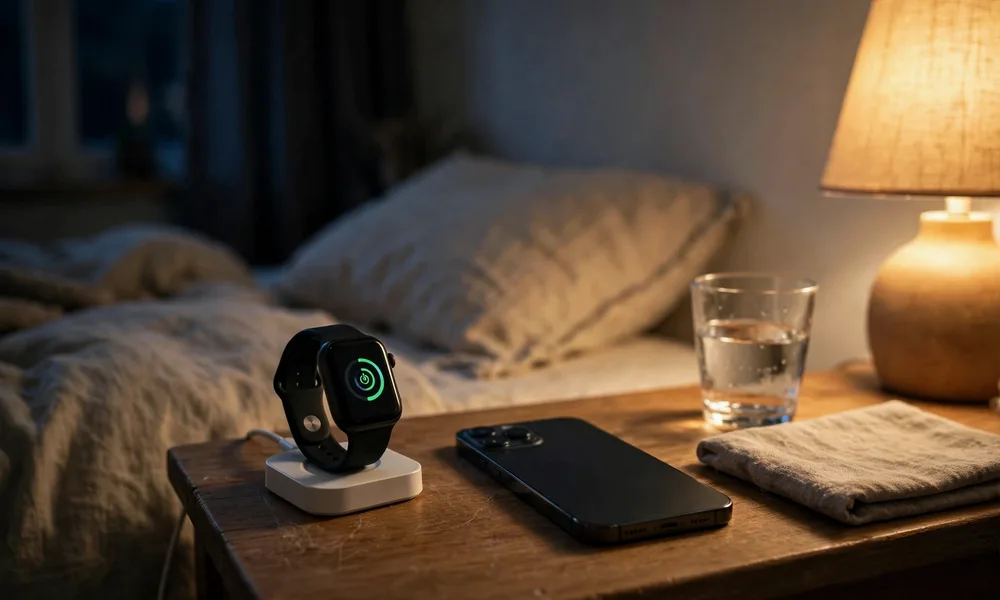
A great smartwatch lasts through a full day of notifications, a workout, and a night of sleep tracking, then still has charge left in the morning. The best everyday watches manage a day and a half to two days, while outdoor and fitness-first watches stretch to a week or more. That gap matters more than any single feature, because it decides whether the watch is on your wrist or on its charger when you need it. A watch with a two-week battery claim that only delivers it with everything switched off is not a two-week watch. The honest ones state their battery life with the screen on, notifications flowing, and a workout each day, and they come close to that number in real life.

Screens and Sensors That Tell the Truth
On the best watches, the screen is bright enough to read at a glance in direct sunlight, and the touch response stays reliable when your hands are wet or sweaty. The heart-rate sensor tracks steadily through a run instead of jumping between numbers, and the step counter matches the distance you actually walked. Sleep tracking lines up with the night you remember, not a fantasy version of it. These things sound basic, but they are exactly what separates a watch you trust from one you stop believing. The best watches also handle the everyday jobs well: calls sound clear, messages are easy to reply to, and contactless payments work on the first try.
Software That Gets Better, Not Worse
The best smartwatches come from makers that keep updating them. A watch that receives regular software updates gains features, fixes bugs, and stays compatible with new phones for years. Its app store has the apps people actually use, and those apps open quickly and work properly. Pairing is boring in the best way: it just works, and it stays connected. This is also where the phone match matters. If you use an iPhone, an Apple Watch gives you the deepest integration, from messages to payments to health data. If you use Android, a Samsung or Pixel watch fits far better than a watch built for a different ecosystem. For a closer look at the strongest options overall, see our guide to the best smartwatches of 2026, which compares the leading watches by the features you will use every day.
The Worst Side: Where Bad Smartwatches Go Wrong
The worst smartwatches are not short of features. Most of them list more features than the best watches on the market, at a third of the price. The problem is that those features do not work well enough to rely on. A watch that promises everything and delivers almost nothing is worse than a simple watch that does a few things well, because it wastes your money and your patience at the same time.
Batteries That Die Before Dinner
The most common failure is battery life. Cheap watches often claim several days of use, then die before dinner on the first day with notifications switched on. The screen is usually the culprit: a dim, power-hungry display that still cannot be read in sunlight. Some watches cope by turning the screen off so aggressively that you have to shake your wrist three times to see the time. Others simply shut down during a workout, losing the run you were tracking. When a battery claim sounds too good for the price, it usually is, and the only way to find out is to wear the watch for a full week.
Sensors and Screens You Cannot Trust
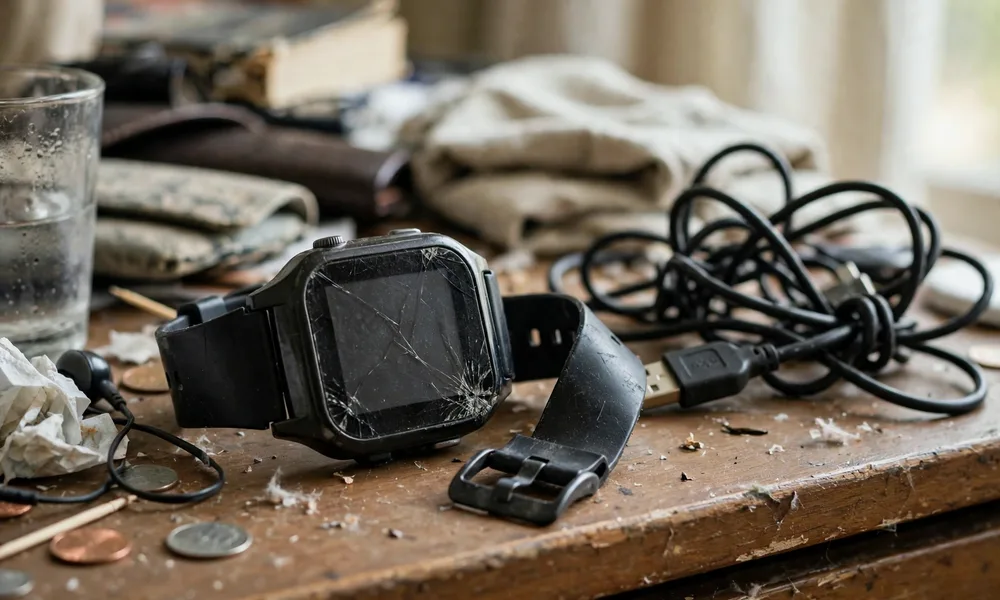
Bad watches also fail on the measurements they exist to make. Heart-rate readings that swing wildly during a steady run, step counts that add hundreds of steps while you are sitting at a desk, and sleep tracking that claims you slept nine hours on a night you were up with a sick child — these are the everyday failures of the worst watches. The screens are no better: dim in sunlight, slow to respond, and easy to scratch. A scratched screen is not just cosmetic, because it makes the display even harder to read outdoors. The straps are often the next thing to go, with cheap clasps that loosen and plastic that cracks after a few months. Our guide to the worst smartwatches of 2026 names the warning signs to watch for before you buy, so you can spot these failures in the shop instead of discovering them at home.
Software That Is Abandoned on Day One
The quietest failure of a bad watch is software support, or rather the lack of it. Many cheap watches ship with software that was never properly finished: apps that freeze, notifications that arrive late or not at all, and a connection to your phone that drops for no reason. Worse, the maker never updates it. Some of these watches also come with companion apps that ask for far more access to your phone than they need, which is a poor trade for a watch that barely works. A watch from a maker with no track record of updates is a gamble, and the odds are not in your favour. If the brand has no history of supporting its watches for more than a year, assume yours will be abandoned too.
Best vs Worst: Head to Head
Put the two sides next to each other and the difference is not one feature but a whole approach. The best watches spend their budget on a bright screen, accurate sensors, a battery that lasts, and software that keeps improving. The worst watches spend their budget on a long feature list and a low price, then cut corners on everything that makes those features usable. That is why a cheap watch can list blood oxygen, stress tracking, and fifty sport modes, yet fail at telling the time in sunlight.
Price is the most misleading guide. A watch that costs twice as much is not automatically twice as good, and a mid-range watch from a maker with a good record can beat a flagship from a brand that has never made a watch before. What matters is the balance: does the watch do its core jobs well, will it last a full day, and will it still be supported in a year? The best watches answer yes to all three. The worst answer yes only on the box. If you are choosing between a watch and a simpler tracker, our guide to the best fitness trackers of 2026 is worth a look, because a good tracker often does the health job better than a bad smartwatch at the same price.
Who Each Side Is For
The best smartwatches suit anyone who will wear a watch every day and rely on it: people who take calls on their wrist, pay with their watch, track workouts, and want sleep data they can trust. They suit runners, commuters, parents, and anyone whose phone is often in a bag or another room. They are also the right choice if you keep gadgets for years, because a well-supported watch stays useful long after a cheap one has been abandoned.
The worst smartwatches suit nobody, but the cheapest ones tempt a few specific buyers. They tempt people buying a first watch for a child, or a spare watch for a holiday, or anyone who only wants to try a smartwatch before spending more. Even then, a simple fitness tracker from a known brand is usually a better way to spend the same money, because it does its few jobs properly. A bad watch is not a cheap way to learn what you want; it is a fast way to conclude that smartwatches are useless, when the problem was the watch, not the idea.
The Verdict
The best smartwatches win on the things you notice every day: battery life you can plan around, a screen you can read anywhere, sensors you can trust, and software that keeps getting better. The worst smartwatches lose on those same basics, and no feature list can make up for it. Spend the money on a watch from a maker with a record of doing the basics well, match it to your phone, and wear it for a full week before you decide. If it survives that week without dying before dinner, losing its connection, or telling you something plainly untrue, you have found a keeper. If it does not, send it back and spend the money on something that does the job properly.


