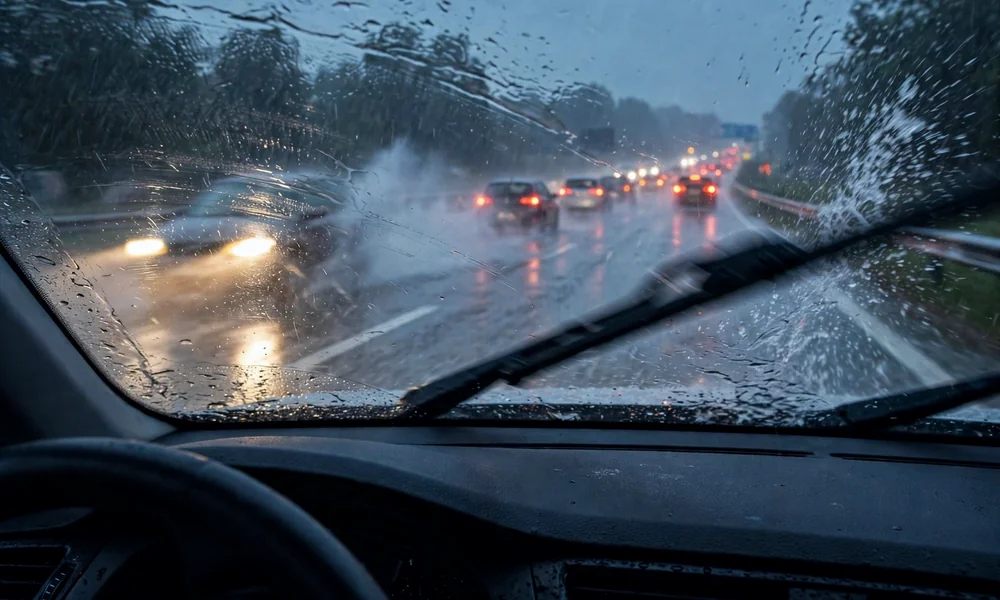
Windscreen wipers are the cheapest safety equipment on your car, and the easiest to ignore until the rain starts. You flick the stalk on a busy road in heavy rain, and instead of a clear view you get a smeared arc of water, a juddering blade, and a road that looks as if it is being seen through frosted glass. Every oncoming headlight scatters through the film of water they leave behind, and a pedestrian, a cyclist or a stopped car stays hidden until you are almost on top of them.
This comparison puts the best windshield wipers of 2026 head to head against the worst, judged the way you would actually use them: clearing a windscreen in a downpour, coping with motorway spray, surviving a winter of frost and grit, and lasting long enough that you are not buying another set in six months. The worst windscreen wipers show what failure looks like, and this guide holds every blade to the opposite standard.
Key Takeaways
- A good wiper clears the glass in one smooth pass, with no streaks, chatter or unwiped bands at the edges.
- Beam blades press evenly along their whole length, while old-style framed blades leave gaps where the frame cannot follow the curve of the glass.
- Rubber quality decides lifespan: soft, flexible rubber wipes cleanly for a year, while hard rubber cracks within months and can scratch the glass.
- Correct size matters more than brand, because a blade that is too short leaves a blind spot and one that is too long lifts off at the tip.
- Most wipers need replacing every six to twelve months, and the worst ones announce it by streaking, skipping and smearing.
How a Windshield Wiper Actually Works
A wiper is a thin strip of rubber dragged across glass, and its job is simple: push the water off in one clean sheet. The rubber edge, only a millimetre wide, presses against the windscreen and sweeps the water to the side, and the blade does this thousands of times in a wet month, dragging across dust, salt, oil and grit. Good rubber presses evenly and clears the water in one pass; bad rubber leaves it where it is.
There are two main designs on sale in 2026. A conventional framed blade has a metal frame with several pressure points that push the rubber onto the glass, and it is the design most cars came with for decades. A beam blade has no frame at all: a springy steel spine inside the rubber presses it evenly along its whole length, so it follows the curve of the windscreen far better and has no joints to ice up in winter.
The rubber itself matters as much as the design. Silicone rubber lasts longer and sheds water better, though it costs more. The cheapest blades use hard, low-grade rubber that cannot follow the curve of the glass, and that hardness is why they streak from the first week: the edge cannot flex, so it skips across the water instead of pushing it away.

The Best Windshield Wipers of 2026
The best wipers share a simple quality: you forget they are there. The glass clears in one sweep, the blade moves silently, and the wipers still behave the same way in their tenth month as they did in their first.
A Clean Wipe in One Pass
The best wipers of 2026 clear the glass in a single smooth pass, and that is the test that matters most. The rubber edge stays in even contact from one end of the blade to the other, so the water is pushed away in a clean sheet and the glass behind it is clear. There is no band of water left at the top of the sweep, no smear in the middle, and no second pass needed to see properly.
Beam blades do this best on most modern cars, because their spring steel spine presses the rubber evenly along its whole length and follows the curve of the windscreen. The best blades are also quiet: no chatter, no squeak, no judder, just a soft sweep you barely notice.
Rubber That Lasts the Year
Rubber quality is what separates a blade that lasts a year from one that lasts a season. The best blades use soft, flexible rubber with a graphite or silicone coating that lets the edge glide instead of drag, and that coating is what keeps the wipe silent and streak-free for months. The rubber stays supple in the cold, so it does not stiffen and skip on a frosty morning, and it resists cracking in summer sun, so it does not split along its edge by August.
A wiper fails gradually, and most drivers put up with the streaking for months before they replace it. A good blade gives you a full year of clean wipes, and the difference between the best and the worst is often only a few pounds at the till. The best and worst tyre inflators of 2026 follow the same rule: the cheapest option in the category is rarely the cheapest over the year.
Fitting That Actually Fits
The best wipers also fit properly, and that is less obvious than it sounds. A blade that is the right length for your car covers the full sweep of the glass, reaching the edges where your eyes need to see, and its connector clips firmly onto your wiper arm without wobbling.
A poor fit shows up fast. A blade that is too short leaves a wide unwiped margin at the edge of the glass, and that margin sits exactly in your line of sight on a bend. A blade that is too long lifts off at the tip, leaving a streak across the middle of your view. A loose connector can work free in a storm, and a bare arm will scratch the glass in seconds. Measure your old blades before you buy, or look them up by your car’s registration, and never guess.
The Worst Windshield Wipers of 2026
The worst wipers share the opposite quality: they make themselves known every time it rains. They streak, chatter, skip and smear, and they do it from the first weeks, not after a year of honest wear.
Streaking, Chattering and Skipping
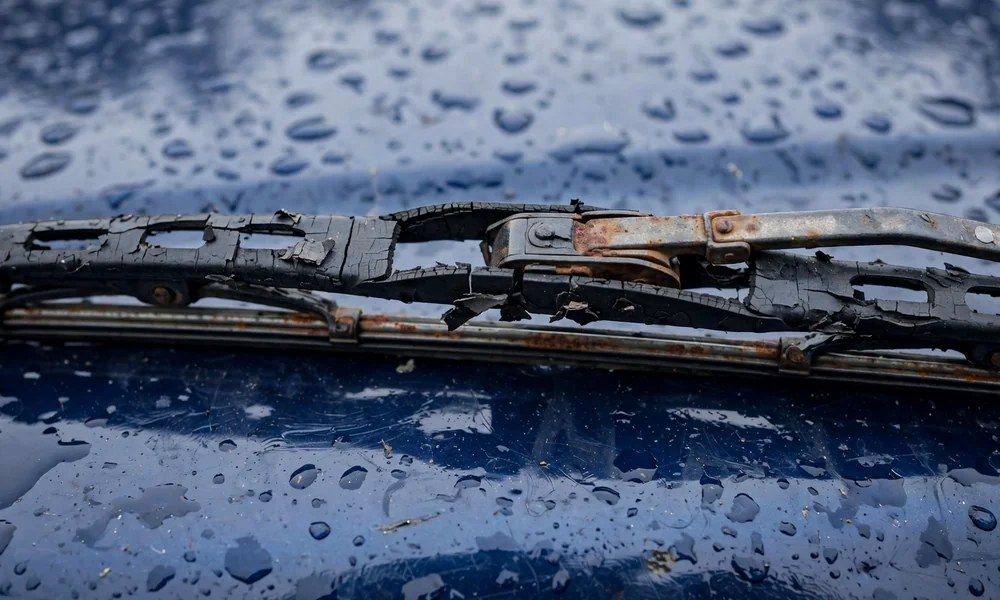
Streaking is the most common failure of a bad wiper, and it is easy to recognise: thin lines of water left behind after every sweep, exactly where the rubber edge has a nick, a flat spot or a hardened section. A new blade should leave no lines at all, so streaks on a fresh blade mean the rubber was poor before it was ever fitted. Chattering is a blade dragging rather than gliding, and skipping is the blade jumping across the glass instead of sweeping smoothly.
All three come from the same cause, which is rubber that cannot do its job. Hard, low-grade rubber cannot follow the curve of the glass, so it touches in some places and lifts in others, and the places it lifts are the places it leaves water.
Universal Fit Blades That Fit Nothing
Universal-fit blades promise to fit every car, and that promise is the problem. Windscreens vary enormously in curvature, size and wiper arm design, and a blade designed to fit everything usually fits nothing properly.
The adaptors are another weak point. A universal blade comes with a bag of plastic clips, and picking the wrong one, or letting one work loose, means the blade can detach from the arm entirely. A blade that comes off in a storm leaves you with no wiper at all on that side, and a bare arm on the glass. The best and worst car vacuums of 2026 make the same point in a different aisle: a tool that claims to do everything usually does nothing well, and a purpose-built fit beats a universal promise every time.
Best vs Worst at a Glance
Put the two sides next to each other and the difference is not one big thing but a dozen small ones that add up. The best wipers wipe clean in one pass, stay silent, last a full year, and fit your car properly. The worst streak from the first week, chatter in the cold, crack in the sun, and leave unwiped patches at the edges of the glass.
The price gap between the two is smaller than the cost gap. A good set of blades costs only a few pounds more than a bad set, but a bad set costs you visibility on every wet journey for a year, and a scratched windscreen costs many times what decent wipers cost. The best wipers are the cheapest per month of use, because they last twice as long.
The Verdict
The verdict is clear: buy the best blades that fit your car, and buy them before the rain finds out you need them. Choose the right length for your car, favour a beam blade on a curved screen, pick soft rubber from a maker with a reputation to protect, and replace both blades at the same time so they wear evenly. The best wiper is the one you never notice, and the worst is the one you notice every time it rains. Spend a few pounds more once, and the glass stays clear all year.
Who Each Wiper Is For
Best for Motorway Drivers and Rainy Climates
If you drive on motorways, or you live somewhere with real rain, the best wipers are not a luxury but a necessity. You need a blade that clears the glass in one pass at speed, copes with spray from other cars, and stays quiet and streak-free for a full year. A beam blade suits most modern cars, and a silicone-coated edge holds up best through a wet winter.
Best for Cars Parked Outside
If your car lives outside, your wipers face frost, sun, leaves and bird droppings all year, and rubber quality is your most important number. A good blade resists cracking in summer and stiffening in winter, while a cheap one splits within months. Clean the glass regularly, because grit wears the rubber edge faster than rain ever will.
Worst for Nobody, Except a Car About to Be Sold
The worst wipers suit exactly one situation: a car you are selling within weeks, where you need the blades to look new for viewings and nothing more. For every other driver, a bad blade is a bad buy, and the money saved on the shelf is spent again on an early replacement and a year of driving with smeared glass. The cheapest blade in the shop is the one you end up replacing first.
A wiper is a small purchase with an outsized effect on your safety, and getting it right is mostly a matter of refusing the cheapest option and checking three things: the length, the fit, and the rubber. Get those right and the glass clears in one sweep, the blade stays silent, and the road stays visible in the worst weather of the year.