How to Choose Worcestershire Sauce That Actually Adds Depth in 2026
Worcestershire sauce is the quiet bottle at the back of the cupboard, and it does more work than almost anything else in the kitchen. A few drops add salt, tang, sweetness and a deep, savoury richness that makes beef taste beefier, cheese on toast taste moreish, and a stew taste as though it has cooked for hours longer than it has. The best Worcestershire sauce in 2026 is a properly fermented sauce with a balanced, rounded flavour, and the right one depends on whether you are marinating steak, dressing a salad, or seasoning a stew.
Most bottles look the same, dark and thin, with a similar label, but they do not taste the same. Some are sharp and vinegary, some are sweet and syrupy, and some are so salty that a teaspoon overwhelms the dish. This guide explains what is in the bottle, how the main styles differ, and which Worcestershire sauce deserves a place in your kitchen.
Key takeaways
- A properly fermented Worcestershire sauce tastes rounded and complex, with vinegar, sweetness and savoury depth in balance, not one sharp note on its own.
- Use it by the teaspoon, not the tablespoon: a little adds depth, a lot makes food taste sour, salty and oddly fishy all at once.
- The original style suits marinades, burgers and stews; a vegan version works for Caesar dressing and for cooks who avoid anchovy.
- Read the label before you buy: anchovies, tamarind, molasses and vinegar should lead the ingredients, with no long list of flavourings and colourings after them.
- Store an opened bottle in a cool, dark cupboard, cap on, and it will keep its flavour for a year or more.
What Worcestershire sauce actually is
Worcestershire sauce began in Worcester in the 1830s, when chemists John Lea and William Perrins were asked to recreate a sauce a returning governor had tasted in India. The first batch was far too strong to use, so they left the barrels in a cellar and forgot about them. Months later they tasted it again and found fermentation had softened it into something rich, tangy and deeply savoury, and that accident became the original recipe.
The sauce is a fermented condiment, not a simple mix. Its base is malt and spirit vinegar, sweetened with sugar and molasses, seasoned with salt, and flavoured with anchovies, tamarind, onions, garlic and spices. The anchovies are the reason for its depth: as the fish ferments, it breaks down into the same savoury compounds that give aged cheese and soy sauce their richness.
The main styles, compared
The Worcestershire shelf is smaller than the soy sauce shelf, but the bottles still differ in ways that matter. The original fermented style is the benchmark, and everything else is a variation: cheaper, sweeter, saltier, meat-free, or flavoured.
| Style | Flavour | Best use |
|---|---|---|
| Original fermented | Balanced, tangy, deeply savoury | Marinades, burgers, stews, dressings |
| Store-brand / value | Sharper, sweeter, thinner | Everyday cooking where it is one note among many |
| Vegan / anchovy-free | Milder, less deep, still tangy | Caesar dressing, vegetarian cooking |
| Low-sodium | Similar, slightly flatter | Everyday cooking with less salt |
| Spicy or smoky | Heat or smoke on top of the base | Grilled meat, Bloody Marys, chilli |
| Shanghai-style | Sweeter, thicker, fruitier | Dipping, stir-fries, sweet-and-sour dishes |
Original fermented: the benchmark
The original style is the one to buy first. It is made by fermenting anchovies, tamarind and spices in vinegar for months, and that slow process gives it a rounded flavour instead of a sharp one. On the tongue it is salty and sour at first, then sweet, then savoury, and the flavour lingers instead of vanishing.
Store brands: cheaper, sharper, sweeter
Store-brand bottles are usually made faster, with less fermentation and more sugar and colouring to make up the difference. They tend to taste sharper and sweeter than the original, with the vinegar note sitting on top instead of blending in. In a chilli, a stew or a barbecue marinade, where the sauce is one flavour among many, a value bottle does the job well.
Vegan and anchovy-free versions
Because the original contains anchovies, it is not suitable for vegetarians or vegans, and several brands now make anchovy-free versions. These replace the fish with seaweed, mushrooms or fermented soy, and they keep the vinegar, tamarind and spice character of the original, though they are milder and a little less deep.
Low-sodium versions
Low-sodium versions cut the salt by about a third, which is useful if you cook with the sauce often or you are watching your salt intake. The flavour is close to the original, just a touch flatter. A naturally fermented full-salt sauce still beats a chemically flavoured low-sodium one, so check the ingredient list first and the sodium number second.

How to read a Worcestershire sauce label
The label tells you almost everything you need to know. The first thing is the ingredient order: vinegar, molasses or sugar, salt, anchovies and tamarind should appear early. If the list starts with water and high-fructose corn syrup, and flavourings and colourings outnumber the real ingredients, the bottle is imitating the real thing.
The second thing is the word fermented, or a mention of ageing. A bottle that has been fermented for months will say so, because it costs the maker time and money. A bottle that says nothing about fermentation has usually been mixed and bottled quickly, and it will taste like it.
Marinades, burgers and the grill
Marinades are where Worcestershire sauce earns its keep. A mix of the sauce, a little oil, garlic and black pepper seasons a steak in thirty minutes, and the vinegar and salt help the surface brown when the meat hits the pan. It works on beef, lamb and pork, and it is especially good on cheaper cuts. Use a tablespoon for a kilo of meat, and do not marinade for more than a few hours, or the vinegar will change the texture of the surface.
Burgers are the second place it belongs. A teaspoon mixed into the mince before shaping adds a savoury background that makes the burger taste more like beef, and a few drops in the sauce on top do the same job without touching the meat. The BBQ sauce styles compared for 2026 pair well with it, because the sweet, smoky sauce and the tangy Worcestershire sauce balance each other instead of competing.
On the grill itself, the sauce is best used before cooking or at the table, not brushed on during cooking. It is thin and full of sugar, so it burns quickly over high heat and turns bitter. If you want a glaze, mix it with a little oil and brush it on in the last minute. The best grills for backyard cooking in 2026 all run hot enough to punish a sugary sauce, so timing matters more than quantity.
Caesar dressing, cheese and the table
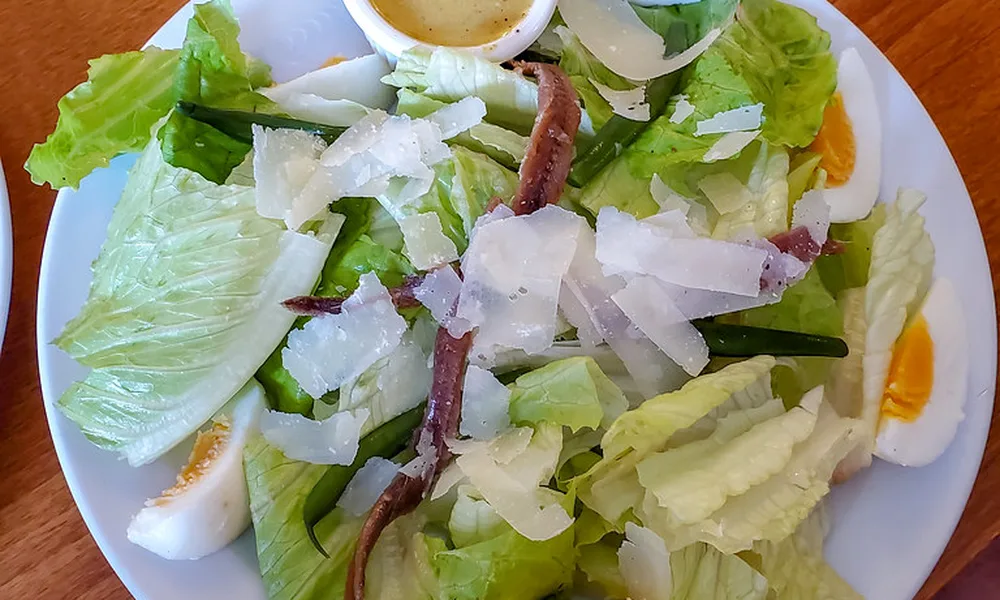
At the table, Worcestershire sauce is a dressing ingredient first and a seasoning second. A classic Caesar dressing is built on it: egg yolk, garlic, lemon juice, Parmesan, oil and a good teaspoon of the sauce, whisked into a creamy dressing that is tangy, salty and deeply savoury. Without the sauce the dressing tastes flat; with too much it tastes sharp and fishy.
Stews, soups and slow cooking
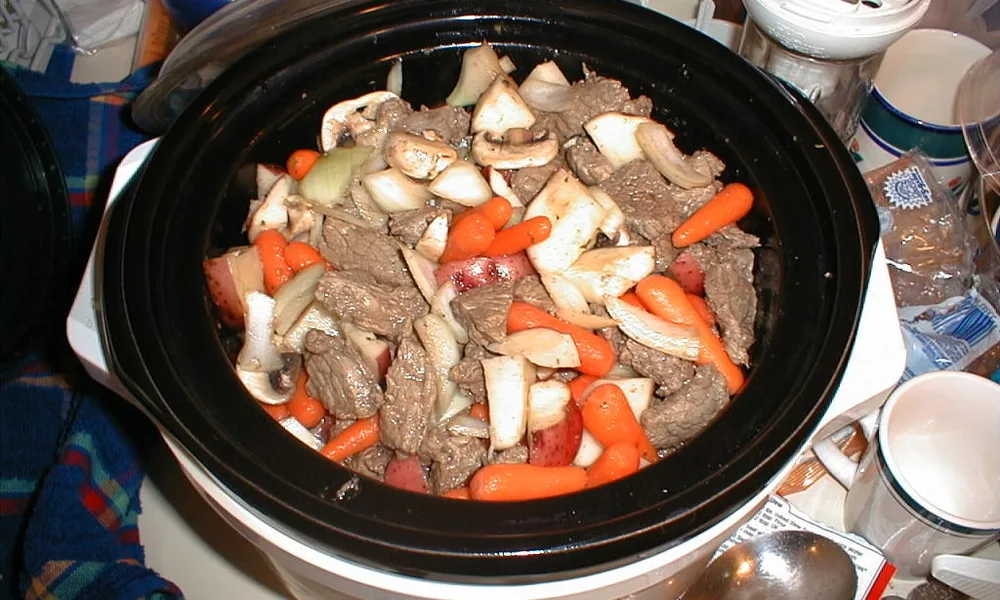
Slow cooking is the most forgiving use of Worcestershire sauce, and the one where a cheaper bottle is hardest to tell from an expensive one. A tablespoon in a beef stew, a pot of chilli or a slow-cooked ragu adds depth that builds over hours, and the vinegar cooks off while the savoury notes stay. Add it early, when the pot goes on, and taste before adding more at the end.
Soups benefit in the same way, especially bean, lentil and tomato soup, where a teaspoon lifts the flavour without making the soup taste of anything in particular. It is also good in gravy, where a few drops darken the colour and deepen the flavour, and in a shepherd’s pie filling, where it makes the mince taste richer.
One bottle for the stove and one for the table is a practical setup, if you cook with the sauce often. The cooking bottle can be a good value bottle, used generously in stews and marinades. The table bottle should be an original fermented sauce you enjoy, for dressings, cheese on toast and the occasional Bloody Mary. The best versus worst burgers in 2026 show how much a seasoned, well-flavoured patty matters, and Worcestershire sauce is one of the cheapest ways to get there.
Storing Worcestershire sauce properly
An unopened bottle keeps for years in a cool, dark cupboard, and the sauce is so acidic and salty that it is one of the most stable condiments you can own. Once opened, it keeps for one to two years, though its flavour is best in the first year. Keep the cap on and the bottle out of direct sunlight, and wipe the neck clean after pouring.
Your Worcestershire sauce checklist
- Buy a fermented original first: vinegar, molasses, anchovies and tamarind early on the label, with no long list of flavourings.
- Use it by the teaspoon, not the tablespoon, and taste before adding more — you can always add, and you cannot take it away.
- Keep a value bottle for stews and marinades if you cook with it often, and save the original for dressings and the table.
- Add it early in slow cooking so the vinegar cooks off, and late in dressings so its tang stays bright.
- Never brush it on meat over high heat on its own: the sugar burns, so mix it with oil and apply it in the last minute.
- Store opened bottles in a cool, dark cupboard, cap on, and use them within a year for the best flavour.
Frequently asked questions
What does Worcestershire sauce taste like?
It tastes salty, sour, sweet and savoury all at once, with a tangy vinegar note at the front and a deep, almost meaty richness underneath. The flavour is thin and sharp on its own, which is why it is used by the teaspoon as a seasoning rather than poured like a sauce.
Is Worcestershire sauce the same as soy sauce?
No, although both are dark, salty, fermented seasonings. Soy sauce is made from soybeans and wheat and tastes clean and savoury, while Worcestershire sauce is made with vinegar, molasses, anchovies and tamarind, and tastes tangy, sweet and spiced.
Does Worcestershire sauce contain fish?
The original does: anchovies are a defining ingredient, and they are the source of much of its depth. Vegan and anchovy-free versions replace the fish with seaweed, mushrooms or fermented soy, so check the label if you cook for vegetarians or anyone with a fish allergy.
How much Worcestershire sauce should I use?
Start with a teaspoon for a dish serving four, and a tablespoon for a kilo of meat in a marinade. Taste before adding more, because the sauce is concentrated and it is easy to over-season a dish.
Does Worcestershire sauce go off?
An opened bottle keeps for one to two years in a cool, dark cupboard, and it rarely becomes unsafe because it is so acidic and salty. It can lose flavour over time, so use it within a year for the best taste.
What can I use instead of Worcestershire sauce?
Soy sauce with a squeeze of lemon and a pinch of sugar is the closest everyday substitute, and fish sauce with a little vinegar works in savoury cooking. Neither tastes exactly the same, so use them when the sauce is a background seasoning.
The bottom line
Worcestershire sauce rewards a light hand and a good bottle. One properly fermented original, used by the teaspoon in marinades, dressings, stews and burgers, adds a depth no other single condiment can match. Buy the real thing, use less than you think you need, and let it do its quiet work in the background.