Choosing between a coupe vs convertible for weekend driving is one of the most enjoyable dilemmas in motoring. Both body styles promise fun, style and a sense of occasion, yet they deliver that pleasure in very different ways. The coupe wraps you in a quiet, rigid shell built for precision, while the convertible trades a little of that structure for open sky and fresh air.
Weekend driving is not the same as commuting. You pick the scenic route, leave earlier than you need to, and stop simply because the view deserves it. That changes what matters: comfort over long stretches, confidence on winding roads and the simple joy of the drive itself.
This guide compares the two body styles across handling, comfort, weather, running costs and practicality, so you can tell which one suits the way you actually spend your weekends.
Key takeaways
- Coupes are stiffer, quieter and sharper to drive, making them the better choice for fast, winding weekend roads.
- Convertibles deliver an open-air experience no coupe can match, and modern roofs have closed much of the old comfort gap.
- Weather matters: a convertible shines on dry, mild days and loses appeal in rain, cold or strong sun.
- Running costs favour the coupe, with lower insurance and simpler roof mechanisms.
- Choose the coupe for driving roads, the convertible for relaxed scenic cruising.
What Makes a Great Weekend Car
A great weekend car makes you want to drive for the sake of driving. Some achieve it through speed, others through character. The best combine a sense of occasion with enough comfort that a three-hour drive still feels like a treat at the end.
Handling matters because weekend routes are rarely straight. Country lanes and coastal roads reward a car that turns in crisply and stays composed through bends. Comfort matters just as much: good seats, a settled ride and low wind noise let you enjoy the journey instead of enduring it.
The Feeling of Occasion
Part of the appeal of both is that they feel special. A coupe looks purposeful and sleek, while a convertible announces leisure and freedom the moment the roof folds away. That sense of occasion is worth paying for, provided the car behind the styling also delivers.
The Case for the Coupe
The coupe is the driver’s choice, and it earns that title through engineering. A fixed metal roof makes the body shell far stiffer than any open-top car can manage, letting the suspension work properly and keeping the steering precise. On a winding weekend road, the difference is easy to feel within the first few bends.
Coupes are also quieter. With the roof closed and the windows up, wind noise is minimal and the cabin becomes a calm place to enjoy a long drive. That quiet matters on motorway stretches between the good roads, where a convertible can become tiring.
Handling and Performance
Because a coupe’s body is stiffer, engineers can tune the suspension for sharper responses without the car flexing over bumps. The result feels more connected and more predictable when you push it, and the lower stance helps it change direction with less drama.
Comfort and Refinement
Modern coupes are far more comfortable than their sporting image suggests. Supportive seats, good sound insulation and well-judged suspension make them easy to live with for hours, and the fixed roof keeps the cabin at the temperature you want all year.
Practicality and Storage
Coupes are more practical than most people expect. The boot is usually a sensible size, the rear seats fold down in many models, and there is room for a weekend bag or two and a picnic hamper. Compared with a convertible, where the folded roof eats into boot space, the coupe is easier to pack. If you sometimes need to carry more, the comparison of a hatchback vs estate family car shows how much body style shapes what you can fit in.
The Case for the Convertible
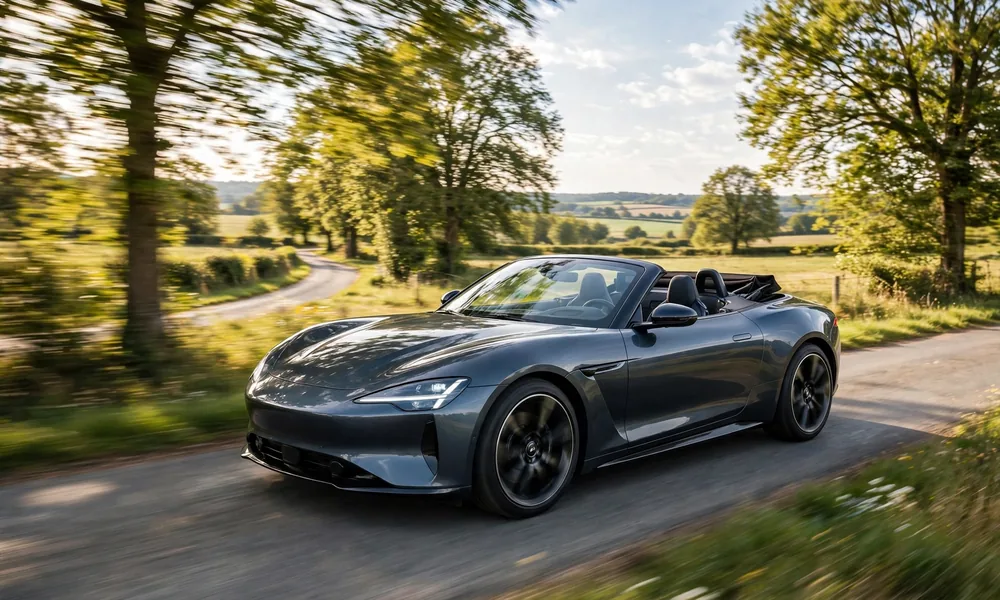
The convertible’s argument is not about lap times or stiffness figures. It is about sensation. Dropping the roof turns an ordinary drive into an event: the sound of the engine, the smell of the countryside and the warmth of the sun all become part of the journey. No coupe can reproduce that feeling, and for many drivers it is worth every compromise.
Modern convertibles are also far better than their reputation suggests. Folding hard tops and well-insulated soft tops have made them quieter and more weatherproof than the roadsters of the past, and heated seats, neck warmers and wind deflectors extend the open-top season well into spring and autumn.
The Open-Air Experience
Driving with the roof down changes how you experience the road. You hear more, see more and feel more connected to the landscape. A tree-lined lane becomes a canopy and a coastal road becomes a panorama. This is the convertible’s greatest strength, and the coupe cannot answer it with engineering alone.
Roof Technology and Weather
Today’s roofs are a long way from the leaky canvas tops of decades ago. Folding metal roofs offer near-coupe levels of insulation when closed, while modern soft tops are well sealed and quick to operate, often in under twenty seconds. A convertible can now handle a sudden shower without drama.
Noise, Wind and Comfort
The main comfort issue with a convertible is wind. At motorway speeds with the roof down, buffeting can be tiring and conversation becomes difficult. Wind deflectors help a great deal, and speeds below seventy miles per hour are perfectly pleasant. With the roof up, most convertibles are close to coupe levels of refinement.
Head-to-Head Comparison
Side by side, the two trade strengths in a clear pattern. The coupe wins on structure, refinement and cost, while the convertible wins on sensation and enjoyment on the right day. The table below sums up the comparison.
| Area | Coupe | Convertible |
|---|---|---|
| Handling | Sharper, stiffer body, more precise steering | Good, but heavier and less rigid |
| Comfort | Quiet, settled, all-weather | Superb with roof down, noisier at speed |
| Driving fun | Rewarding on twisty roads | Unmatched open-air sensation |
| Weather | Excellent in all conditions | Best in dry, mild weather |
| Running costs | Lower insurance and upkeep | Higher, with roof care and repairs |
| Practicality | Better boot space and storage | Roof mechanism eats into boot space |
| Style | Sleek, purposeful, understated | Eye-catching, leisure-focused |
The trade-off is clear. If you value precision and year-round usability, the coupe leads. If you value the experience of the drive itself, especially on sunny days, the convertible pulls ahead.
Driving Feel on Real Weekend Roads
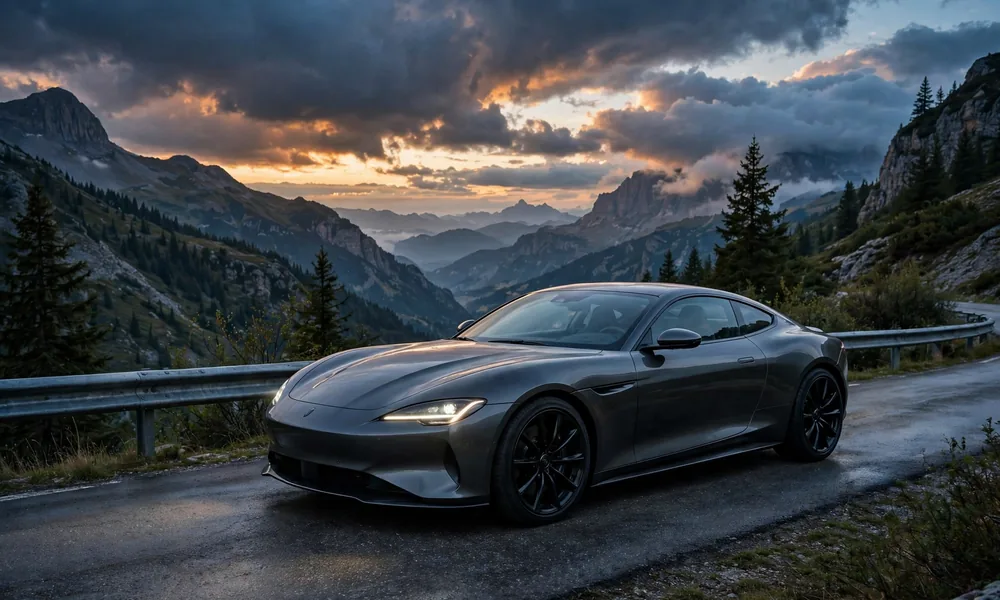
On a real weekend road, the coupe feels like a precision tool. It turns in crisply, holds its line and gives clear feedback about grip, letting you enjoy the road rather than simply survive it.
The convertible feels different rather than worse. With the roof down, the sensation of speed is greater and the engine sounds richer. On a relaxed scenic route, where enjoyment matters more than pace, it often delivers the better day out.
Costs, Care and Everyday Realities
Convertibles usually cost more to buy than the equivalent coupe, and the gap widens with running costs. Insurance tends to be higher, partly because of the roof mechanism and partly because convertibles are seen as more desirable targets. Soft tops wear and may need replacement after several years.
Coupes are simpler and cheaper to keep. There is no folding roof to maintain, fewer seals to leak and less exposure to weather-related wear. That simplicity also means fewer things to go wrong, which matters for a car that may sit unused for a week or two between drives.
Depreciation is a mixed picture. Well-kept convertibles can hold their value strongly, because demand for open-top cars stays high in the used market. Before buying, check the ownership costs of the specific model you want, since the difference between a good choice and a bad one can be large. Some sporting models are far more expensive to run than they first appear, as our guide to the worst sports cars for everyday driving makes clear.
Maintenance and Roof Care
Convertible roofs need attention. Soft tops should be cleaned and treated regularly to stay waterproof, and drainage channels must be kept clear. Folding hard tops need their seals and hinges checked, since a small leak can become a large repair. It is an extra chore the coupe owner never faces.
Security and Storage
A soft-top convertible is easier to break into than a coupe, worth considering if the car will be parked on the street or in public car parks. A folding hard top largely removes this concern, as does a garage. If you do not have secure parking, the coupe’s fixed roof offers real peace of mind.
Which One Wins for Different Drivers
The winner depends on the driver. If your weekends are built around driving roads, early starts and the pleasure of a car that responds precisely, the coupe is the better tool. It will reward you on every bend and ask for little in return.
If your weekends are built around leisure, sunshine and shared experiences, the convertible is the better pick. It turns a drive into a day out and makes even a slow cruise feel special, provided you live somewhere with enough dry, mild days to make the roof worthwhile.
There is also a middle ground: a coupe with a large sunroof offers some of the open-air feeling without the convertible’s compromises. It is not the same as a true open top, but it is sensible if you love fresh air yet need year-round practicality. If you are still weighing up body styles, our sedan vs coupe for daily driving comparison is a useful next step.
Weekend Driving Checklist
Whichever body style you choose, a little preparation makes the weekend drive better.
- Check tyre pressures and tread before a long drive, since both affect grip and comfort.
- Top up fuel or charge the night before, so the morning starts with driving, not queuing.
- Plan your route around the best roads, not the fastest ones, and allow time for stops.
- Pack light but well: water, sunglasses, a jacket for open-top driving and a phone charger.
- Check the weather and roof: in a convertible, know whether you will drive open or closed.
- Clean the windscreen and mirrors, since low evening sun makes dirty glass a real hazard.
Frequently Asked Questions
Is a convertible practical as a weekend car?
Yes, for most weekend use. Modern convertibles have decent boot space, comfortable cabins and roofs that handle rain well. The limits are reduced luggage room with the roof folded and higher running costs.
Are coupes better than convertibles for handling?
Generally, yes. A fixed roof makes the body stiffer, improving steering precision and body control. The difference shows on winding roads, though a good convertible is still very enjoyable.
Can you drive a convertible in winter?
You can, and many owners do. With the roof up, heated seats and a good heater, a modern convertible is comfortable in cold weather.
Do convertibles leak?
Rarely, when properly maintained. Seals and drainage channels need occasional attention, and older soft tops can wear. A pre-purchase inspection with a water test is sensible for any used convertible.
Which is cheaper to insure, a coupe or a convertible?
Coupes are usually cheaper to insure. The roof mechanism, higher replacement costs and greater theft appeal all push convertible premiums up, so compare quotes for both.
Should I buy a coupe or a convertible for my first weekend car?
Choose the coupe for the sharpest drive and lowest running costs, or the convertible for the most memorable sunny-day experience. Test drive both on your favourite roads first.
The Bottom Line
The coupe vs convertible decision comes down to what you want your weekends to feel like. The coupe is sharper, quieter and more practical. The convertible is the more joyful choice on the right day. If your weekends are about the road, buy the coupe. If they are about the sky, buy the convertible.