
The Worst Bookshops of 2026: Seven Shops That Waste Your Afternoon
The worst bookshops of 2026 are not the ones with the fewest books or the plainest windows. A small, crowded shop can carry a wonderful afternoon, and a glossy high-street store can still waste one. The worst bookshops fail more simply: the shelves hold the same twenty titles everywhere, the aisles are too narrow to browse, the prices are higher than the book is worth, or the shop sells more mugs and toys than books. This guide ranks the worst types of bookshop you will meet in 2026, so you can spot a bad one before you pay.
Key takeaways
- A bookshop is judged by its shelves, its prices and its browsing, not by how glossy the window looks from the street.
- The same twenty bestsellers on every table are the fault that matters most: a shop with no backlist has nothing you have not already seen.
- Aisles change everything: a good shop at opening time can be unbearable by midday, when nobody can reach the shelves.
- Price is part of the visit: a steep cover price, no discount and a damaged copy will sour even a good display.
- Check the shelves, the prices, the stock and the browsing space before you buy, and walk away from a shop that hides them.
How the worst bookshops of 2026 were chosen
Every type below was scored on five measures. Range comes first: are the shelves full, varied and current, or do they hold the same twenty titles in every shop in the country? Price is second, judged on whether the books are fairly priced for their condition, or marked up far above what the same book costs elsewhere. Browsing is third, because a shop where you cannot reach the shelves or sit down to read a first chapter is a different place from the same shelves with room to move. Stock is fourth: are the books new and undamaged, or remaindered, sun-faded and out of date? Service is fifth, measured by whether the staff know the books, find what you ask for and leave you alone to browse, or whether they hover and know nothing about the shelves.
Two notes before the list. First, this guide names no single bookshop as the worst, because the same bad patterns appear in many places. The same logic applies to other places to browse and borrow, as our guide to the worst libraries shows. Second, a good bookshop and a bad one can stock the same bestsellers. The difference is the range, the price and the room to browse, which is exactly what our guide to the worst museums rewards in reverse: the best shops put the reader first, and the worst put the till first.
Comparison table: the worst bookshops of 2026
| Rank | Bookshop type | Main fault | Warning sign |
|---|---|---|---|
| 1 | The Bestseller-Only Chain | The same twenty titles everywhere | Every table shows the same books |
| 2 | The Cramped Secondhand Maze | Narrow aisles, piles, no prices | You cannot pass another browser |
| 3 | The Antiquarian Price Trap | Dusty rare books at inflated prices | No price on any book you pick up |
| 4 | The Gift-Shop Bookshop | More mugs and toys than books | Books are decoration, not stock |
| 5 | The Window-Display Tease | A full window, empty shelves inside | The window book is out of stock |
| 6 | The No-Seat, No-Browse Shop | No chairs, loud music, staff hovering | You are hurried before the first chapter |
| 7 | The Discount-Bin Dead End | Remainder bins, damaged copies, no new stock | Every copy is creased, marked or torn |
The worst bookshops of 2026
1. The Bestseller-Only Chain: the same twenty books in every town
The Bestseller-Only Chain is the worst bookshop visit of 2026, because it fails at the one thing a bookshop exists to do: show you a book you have not already seen. The shop is bright, tidy and well stocked, but walk past the front tables and the truth shows: the same twenty titles, in the same order, in every branch in the country, and a backlist so thin that the shelves behind the tables hold little more than extra copies of the same books. A chain that only stocks what is already selling is not a bookshop, and the visit ends with you buying the book you already meant to buy, or nothing at all.
2. The Cramped Secondhand Maze: aisles you cannot turn around in
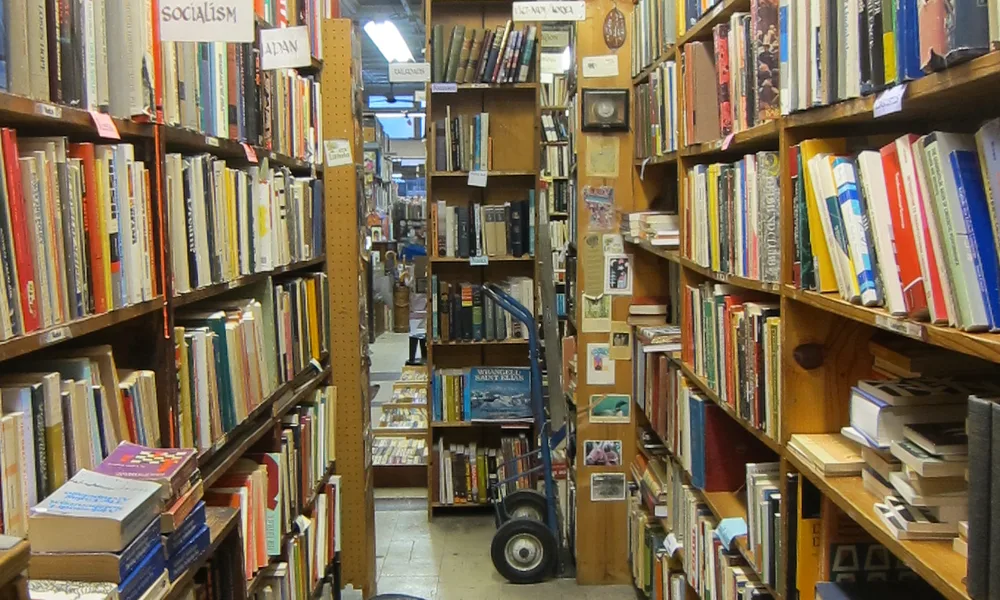
Every reader loves a secondhand shop, and the bad ones love their stock too much to let you reach it. The Cramped Secondhand Maze is a shop where the aisles are narrower than a person, the shelves are double-stacked, the piles on the floor are taller than the shelves, and the step stool is always in the way. You find a book you want on the top shelf and cannot reach it, and the owner is the only person who can move in the shop. If you cannot pass another browser in the aisle, the shop is a store room with a till, and the books are only for looking at from the door.
3. The Antiquarian Price Trap: dusty books, startling prices
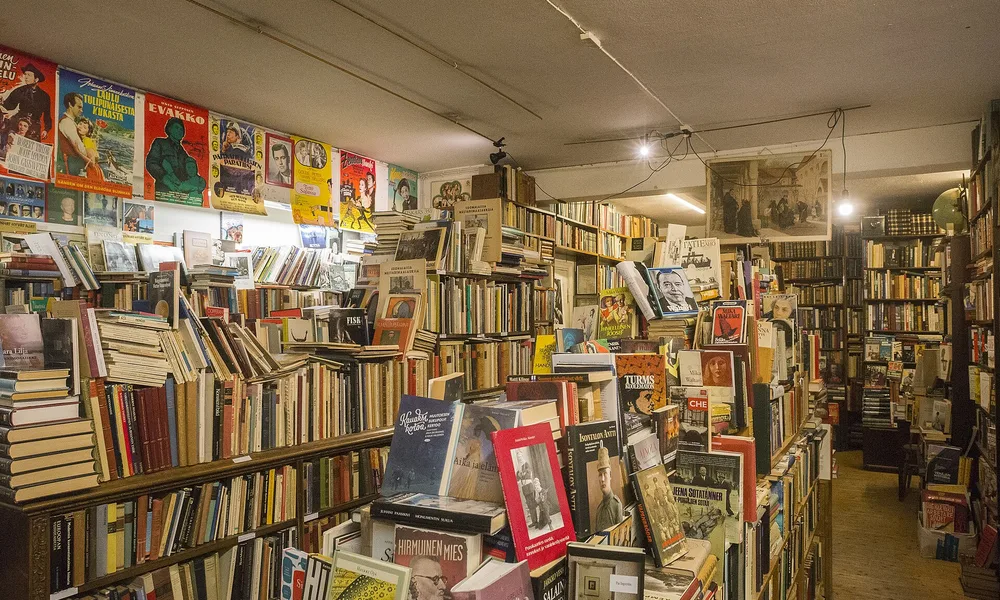
A good antiquarian shop is a small marvel: old books in fair condition, honest prices written in pencil inside the cover, and an owner who loves talking about them. The Antiquarian Price Trap is the opposite. The books are dusty, the spines are cracked and the pages are foxed, but the prices are written as if every volume were a first edition. There is no price on any book you pick up, so you must ask, and the figure is twice what the same book costs in the next town. If the price is a secret and the condition is poor, the shop is selling the idea of old books, not the books themselves.
4. The Gift-Shop Bookshop: mugs, toys and a few books
The Gift-Shop Bookshop is the shop that forgot it was a bookshop. The front of the shop is mugs, tote bags, candles, jigsaws and soft toys, and the books are squeezed into a corner at the back, face out like decoration. The stock is thin and safe: the same gift books, the same colouring books and the same humour titles that every gift shop in the country sells. The difference is the order: books first, gifts second. If the gifts take up more space than the shelves, you are in a gift shop that happens to keep books, and the afternoon you planned for browsing is over in ten minutes.
5. The Window-Display Tease: a full window, empty shelves
The Window-Display Tease is the shop with a beautiful window and nothing behind it. The display is perfect: the new releases, the staff picks, the seasonal theme, all arranged like a photograph. Inside, the book from the window is out of stock, the staff pick shelf holds three titles, and the section you came for ends in a gap where the books should be. If the window book is always out of stock, the shop is spending its effort on the display and none on the shelves.
6. The No-Seat, No-Browse Shop: hurried before the first chapter
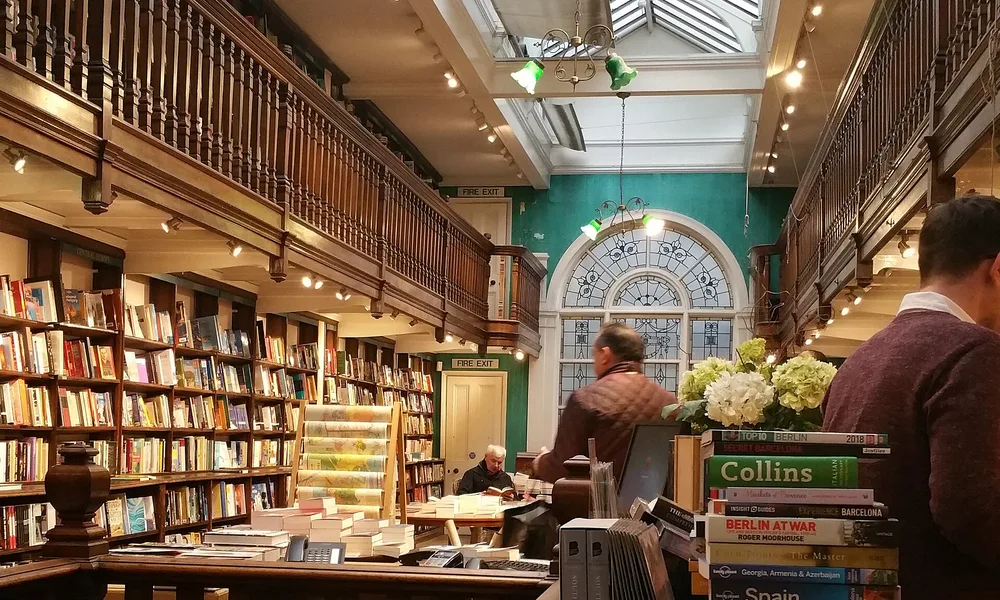
The No-Seat, No-Browse Shop is the shop that wants you to buy quickly and leave. There is nowhere to sit, nowhere to stand out of the way, the music is loud enough to stop you thinking, and the staff hover at your shoulder asking if you need help before you have read a single page. A good bookshop gives you room: a chair by the window and a quiet corner. If you are hurried before the first chapter, the shop is selling books like groceries, and the browsing that makes a bookshop worth visiting is the first thing it threw away.
7. The Discount-Bin Dead End: remainders and damaged copies
The Discount-Bin Dead End is the shop where everything is cheap and nothing is worth buying. The bins by the door are full of remaindered copies, the covers are creased, the pages are marked, and the new stock never arrives because the bins never empty. The prices look like a bargain until you realise the book is damaged or out of date. A good bargain bin is a small delight: a few good books at a fair price, changed often. If every copy is creased, marked or torn, the shop is clearing stock, not selling books, and the money you save is not worth the book you cannot enjoy reading.
What to avoid when buying books in 2026
The most common bookshop regret is not a bad book but a wrong purchase: a full-price copy of a book that is cheaper elsewhere, a damaged copy discovered at home, or an afternoon spent in a shop that had nothing you wanted. Avoid the trap by checking three things before you pay: the real price of the book elsewhere; the condition of the copy in your hand; and the range on the shelves behind the front tables. The same checks work in other shops too, and our guide to the worst flea markets makes the same point about condition and real prices, because the traps are the same everywhere.
Checklist: buying books in 2026
- Walk past the front tables first, and judge the shop by the shelves behind them.
- Check the price of the book elsewhere on your phone before you pay full price.
- Open the copy in your hand and check for creases, marks and missing pages.
- Ask for the book by title, and leave if the staff cannot find it or order it.
- Look for a chair or a quiet corner, and leave if there is nowhere to read a first chapter.
- Read recent visitor photos of the shelves, not just the shop’s own window display.
Frequently asked questions
What is the worst thing about a bad bookshop visit?
The same twenty bestsellers on every table, with no backlist behind them: a shop with nothing you have not already seen.
Are secondhand bookshops worth visiting?
Yes, when the aisles are wide enough to browse and the prices are written on the books. A good secondhand shop is where readers find the books they cannot find anywhere else.
How long should a good bookshop visit last?
Thirty minutes to an hour for a proper browse, including time to walk the shelves, sit down with a first chapter and ask the staff about a title.
Should I buy a book if the copy is damaged?
No, unless the price reflects the damage and you are happy with it. A creased cover or a marked page is not a bargain if it spoils the reading.
When is the best time to visit a bookshop?
Weekday mornings, when the aisles are empty, the shelves are tidy and you can reach the books without a crowd. Saturday afternoons are the worst time in almost every bookshop.
How do I know if a bookshop looks after its readers?
Look at the range, the prices and the browsing space. Varied shelves, fair prices and room to sit and read are good signs. The same twenty books, secret prices and no chairs are not.
Bottom line
The worst bookshops of 2026 fail on the simple things: the same twenty bestsellers everywhere, aisles too narrow to browse, dusty books at inflated prices, gifts instead of stock and bins full of damaged copies. A good bookshop does the opposite, with varied shelves you can browse, fair prices written on the books, room to sit and read, and staff who know the stock. Check the shelves behind the front tables, check the copy in your hand, and go in the morning. The books will still be there, and you will actually enjoy finding them.


