A Guide to the Worst Libraries of 2026: Seven Reading Rooms to Avoid
The worst libraries of 2026 are not the ones with the oldest books or the plainest buildings. A small branch can carry a wonderful afternoon, and a grand reading room can still waste one. The worst libraries fail more simply: the shelves are half empty, every seat is taken by someone who is not reading, the book you came for is in a store you cannot enter, or the rules make borrowing feel like a favour instead of a service. This guide ranks the worst types of library visit you will meet in 2026, so you can spot a bad one before you give it your morning.
Key takeaways
- A library is judged by its shelves, its seats and its borrowing, not by how grand the building looks from the street.
- Empty shelves and closed stores are the faults that matter most: a beautiful hall with nothing to borrow is a museum with chairs.
- Seats change everything: a good reading room at opening time can be unusable by midday, when every table is taken.
- Borrowing is part of the visit: a short loan, a long wait for a hold and a fine for a day late will sour even a good collection.
- Check the shelves, the seats, the loan rules and the opening hours before you go, and walk away from a library that hides them.
How the worst libraries of 2026 were chosen
Every type below was scored on five measures. The collection comes first: are the shelves full, current and browsable, or thin, dated and locked away? Seats are second, judged on whether you can sit down to read in comfort, or whether every chair is taken, broken or reserved for someone else. Borrowing is third, because a library where you cannot take a book home is a different place from one where you can. Quiet is fourth: can you actually read, or does noise from the children’s corner, the computers and the entrance carry across the whole floor? Help is fifth, measured by whether the staff answer questions, find books and run the place well, or whether the desk is empty.
Two notes before the list. First, this guide names no single library as the worst, because the same bad patterns appear in many places. The same logic applies to other public attractions, as our guide to the worst museums shows. Second, a good library and a bad one can hold the same books. The difference is the shelves, the seats and the service around them, which is exactly what our guide to the worst zoos rewards in reverse: the best public places put the visit first, and the worst put the rules first.
Comparison table: the worst libraries of 2026
| Rank | Library type | Main fault | Warning sign |
|---|---|---|---|
| 1 | The Silent Mausoleum | A grand hall, almost nothing to borrow | More marble than books on the shelves |
| 2 | The Empty Shelf Library | Thin, dated stock, gaps everywhere | Whole shelves with nothing on them |
| 3 | The Study-Hall Takeover | Every seat taken by laptops and bags | No free chair after ten in the morning |
| 4 | The Noisy Children’s Spill | Play noise across the whole floor | No quiet zone anywhere in the building |
| 5 | The Maze of Closed Stacks | Books in stores you cannot enter | A request slip and a long wait for every book |
| 6 | The Card-and-Fine Trap | Short loans, long holds, quick fines | The fine is larger than the book is worth |
| 7 | The Tired Branch | Cold rooms, broken chairs, short hours | Closed more days than it is open |
The worst libraries of 2026
1. The Silent Mausoleum: a grand hall with nothing to borrow
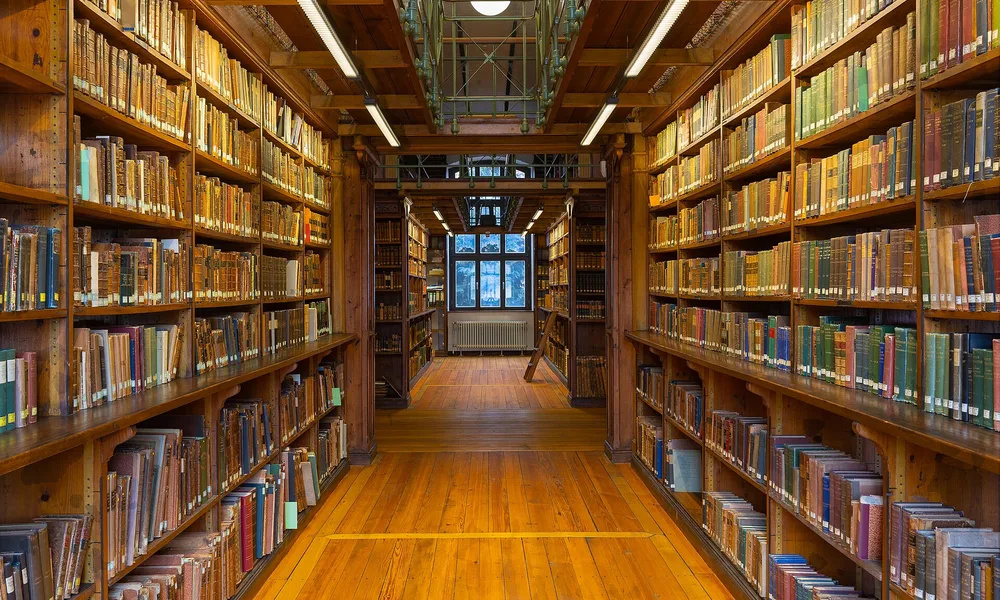
The Silent Mausoleum is the worst library visit of 2026, because it fails at the one thing a library exists to do: lend you a book you actually want to read. The building is magnificent, with high ceilings, stone floors and a reading room that photographs beautifully. The shelves, though, are mostly for show. The books are old, reference-only or behind glass, and the ones you can borrow are a thin row of donated paperbacks by the door. A grand building is not a grand library, and the visit ends with you admiring the ceiling and leaving empty-handed.
2. The Empty Shelf Library: gaps where the books should be
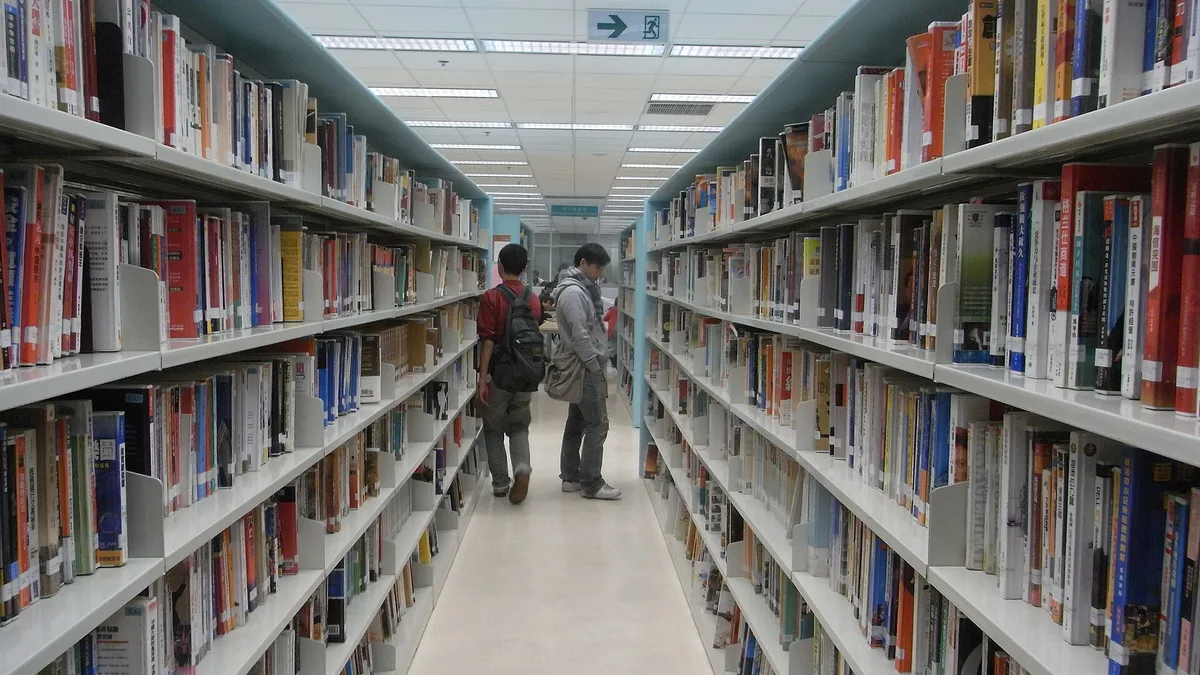
Every library has a few gaps, and the bad ones have gaps everywhere. The Empty Shelf Library looks busy from the door, but walk down any aisle and the truth shows: whole shelves stand empty, the new-books display holds the same five titles it held last month, and the section you came for ends in a row of leaning, sun-faded spines from twenty years ago. The catalogue makes it worse, because it lists books the shelves no longer hold. If the shelves are emptier than the car park, the library has stopped buying books.
3. The Study-Hall Takeover: every seat taken, none of them reading
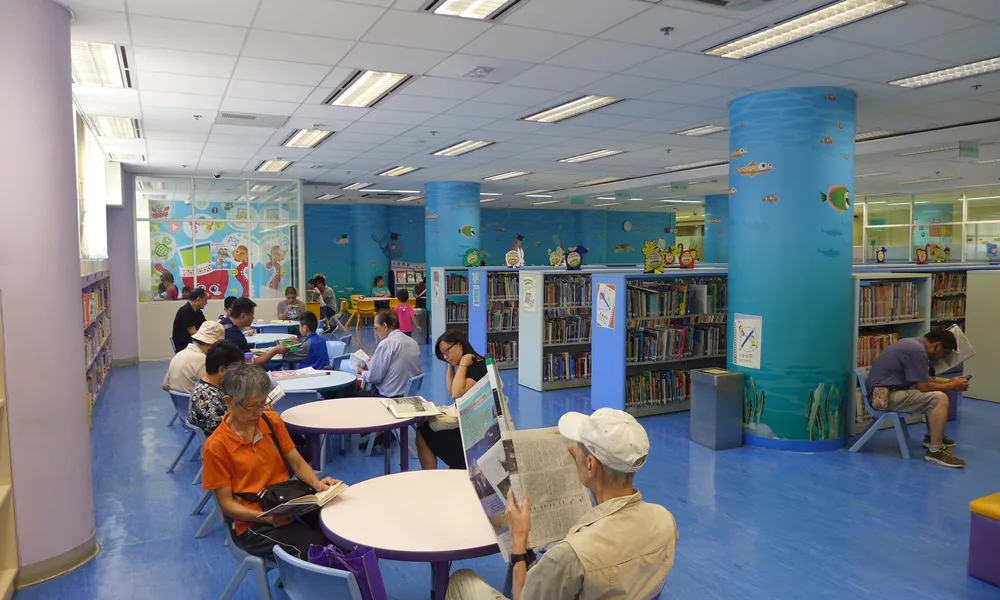
A good library welcomes students, and the Study-Hall Takeover is what happens when it welcomes nothing else. By ten in the morning every table is claimed: laptops open, bags on chairs, chargers trailing across the floor, and a queue of people waiting for someone to leave. The readers who came for a book have nowhere to sit, and the study readers have nowhere quiet either. If you cannot find a chair within five minutes of walking in, the library has become a study hall with shelves, and the books are only decoration.
4. The Noisy Children’s Spill: playtime across the whole floor
Children belong in a library, and a good children’s corner is a small marvel: low shelves, small chairs, a story time that ends on time and a door that closes. The Noisy Children’s Spill is the opposite. There is no door, no wall and no quiet zone anywhere in the building, so the games, the shouting and the toy instruments carry across the whole floor, and the readers at the far end give up and leave. The difference is the layout: children first in their own room, readers second in theirs. If you can hear the play area from the history shelves, the library was built for one kind of visitor and forgot the rest.
5. The Maze of Closed Stacks: request a slip, wait, repeat
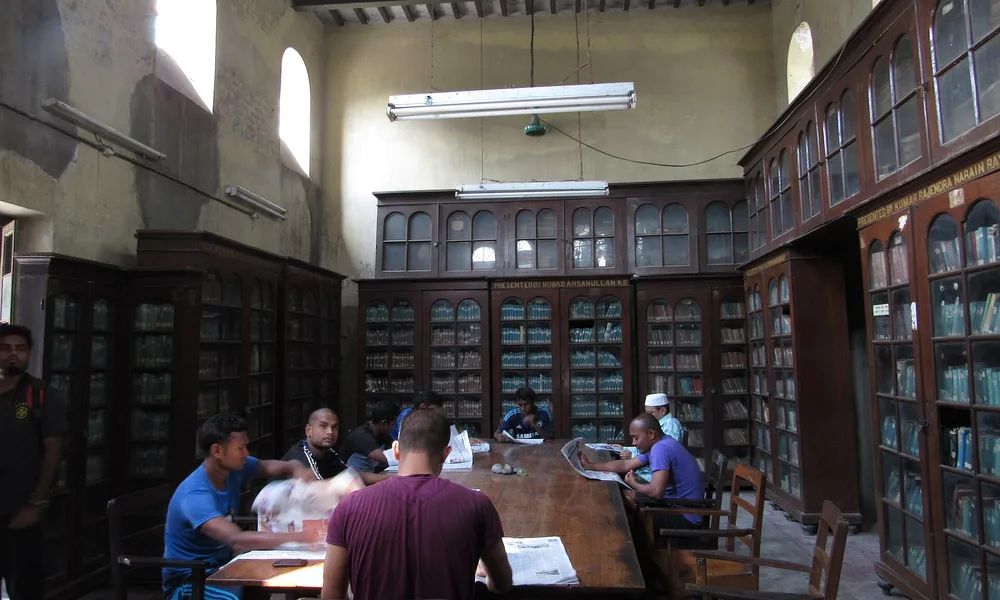
The Maze of Closed Stacks is the library where browsing is not allowed. The books you want live in a store, a basement or a floor marked staff only, and the only way to reach them is a request slip, a wait at the desk and a hope that the right book arrives. Sometimes the wrong edition turns up, and sometimes the slip comes back marked missing. A good library keeps its most-used books on open shelves and reserves the stores for the rare ones. If every book needs a slip and a wait, the library is guarding its collection from the people it was collected for.
6. The Card-and-Fine Trap: a short loan at a long price
The Card-and-Fine Trap does not hide its rules; it hides their cost. The loan is short, often a week, the hold queue is months long, and the fine for a day late is larger than the book would cost secondhand. Joining is no easier: proof of address, a photograph, a waiting period and a card that only works at one branch. The library is free in name and expensive in practice, and the people it prices out are the ones who need it most. If the fine for a late return would buy the book twice over, the library is charging for a service and delivering a warning.
7. The Tired Branch: cold rooms, broken chairs, short hours
The Tired Branch is the library that has been left to run down. The heating is off, the chairs wobble, the lights flicker, and the opening hours shrink a little every year until the branch is closed more days than it is open. The staff, usually one person doing three jobs, are doing their best, and the regulars keep coming out of loyalty. But a library that is cold, dark and closed is not a library at all. If the branch is open fewer hours than the cafe next door, use the central library instead and say so in the comments book, because branches only survive when people notice they are fading.
What to avoid when visiting a library in 2026
The most common library regret is not a bad book but a wasted trip: a midday visit to a famous reading room on a school holiday, a full morning spent waiting for a book that never arrives, or a fine for a loan you did not know was so short. Avoid the trap by checking four things before you go: the real opening hours; whether the book you want is on the open shelves or in a closed store; whether there is a quiet room; and the loan length and the fine, before you borrow anything. The same checks work for any day out, and our guide to the worst aquariums makes the same point about photographs and real costs.
Checklist: visiting a library in 2026
- Check the catalogue first, and confirm the book is on the open shelves, not in a closed store.
- Go in the first hour after opening, when the seats are free and the reading rooms are quiet.
- Ask for the loan length and the fine before you borrow, and note the return date on your phone.
- Find the quiet zone on your first visit, and leave if there is not one.
- Check the real opening hours on the library website, not the sign by the door.
- Plan a second library nearby, so a closed branch or an empty shelf does not end your morning.
Frequently asked questions
What is the worst thing about a bad library visit?
Empty shelves and closed stores: a beautiful hall with nothing you can borrow is the fault that matters most.
Are grand old libraries worth visiting?
Yes, when the shelves are full and the books are borrowable. A grand hall with open shelves and a quiet reading room is the visit readers remember.
How long should a good library visit last?
One to two hours for a proper visit, including time to browse the shelves, sit down with a book and borrow what you want to take home.
Should children use the children’s area?
Yes, when it has its own room, low shelves and a story time that ends on time. A children’s corner teaches children to love books. If the noise fills the whole building, the layout is the problem, not the children.
When is the best time to visit a library?
The first hour after opening on a weekday. The seats are free, the rooms are quiet, and you can reach the shelves without a crowd. Midday in exam season is the worst time in almost every library.
How do I know if a library looks after its readers?
Look at the shelves, the seats and the service. Full, current shelves, free chairs and staff who answer questions are good signs. Empty shelves, taken seats and an empty desk are not.
Bottom line
The worst libraries of 2026 fail on the simple things: empty shelves, closed stores, taken seats, noise across the whole floor, short loans and branches barely open. A good library does the opposite, with full shelves you can browse, a chair you can sit in, a quiet room to read in and a loan that gives you time to finish the book. Check the shelves, check the seats, and go early. The books will still be there, and you will actually be able to borrow them.