Bought-In, Not Grown: The Worst Farmers Markets of 2026
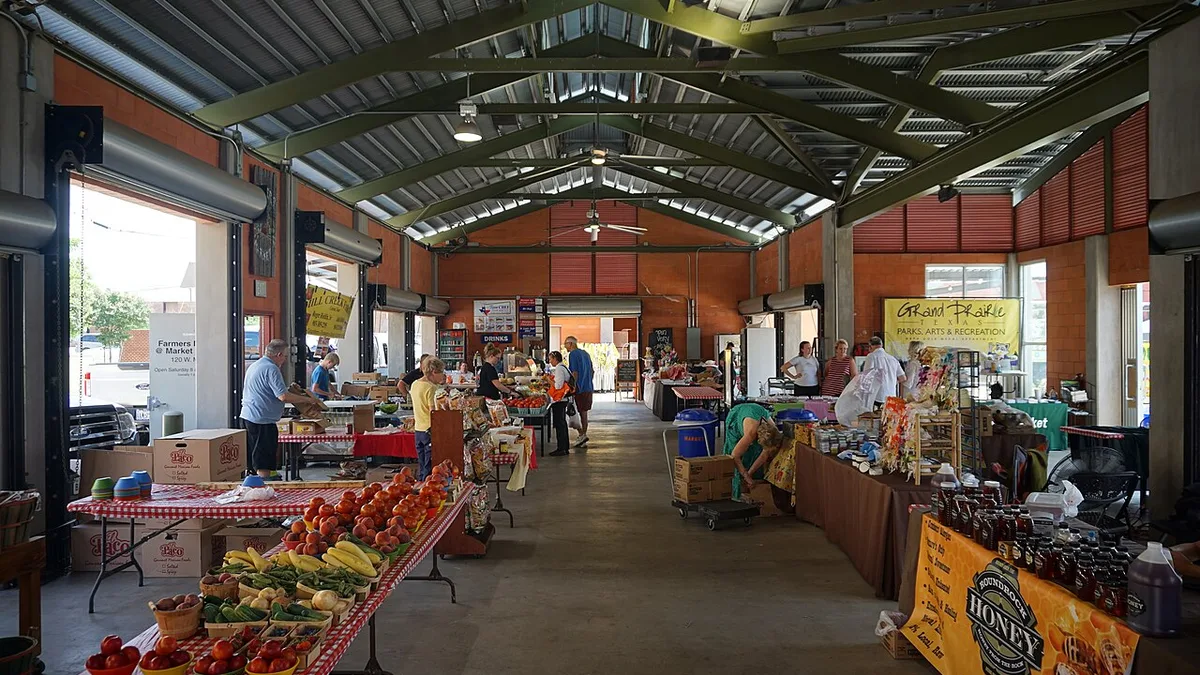
The worst farmers markets of 2026 are not the quiet ones with a handful of honest stalls. A small market with three growers and a hand-painted sign can be the best part of a morning, and a famous one can still waste it. The worst farmers markets fail more narrowly: the food was not grown by the seller, it is out of season, it was picked before it was ripe, or it costs three times what the same food costs anywhere else. This guide ranks the worst farmers market types of 2026, so you can spot a bad one before you hand over your money.
Key takeaways
- A farmers market is judged by its farm claim, not its atmosphere: who grew this food, where, and when?
- Bought-in produce sold as homegrown is the fault that matters most: it breaks the one promise a farmers market makes.
- Out-of-season stalls are a plain giveaway: summer fruit in deep winter never grew in a local field.
- Unripe produce is picked for the journey, not for eating, and no time on the counter will finish the job.
- Ask the farm name, variety and harvest day before you buy, and keep your money for the stall that can answer.
How the worst farmers markets were chosen
Every type below was scored on five measures. Provenance comes first: can the seller say which farm grew this food, and does the answer hold up to a second question? Seasonality is second: does the stall sell what the season grows, or everything all year round? Ripeness is third: produce picked green for transport is a different product from produce picked ripe. Range is fourth: a real farm grows many things across the year, while a bought-in stall sells the same few items weekly. Value is fifth: the real price compared with the shop, not the story on the sign.
Two notes before the list. First, this guide is only about the farm claim: whether the food was really grown by the seller, in season, and picked ripe. The wider shopping traps that haunt every market have their own treatment in our guide to the worst markets, which ranks the everyday types, from flea rows to night aisles. Second, no individual market is named here: the same seven types turn up in every town and every country. The matchday stalls outside a ground are a different world, as our guide to the worst sports markets shows, where the goods are souvenirs and the prices are set for a crowd.
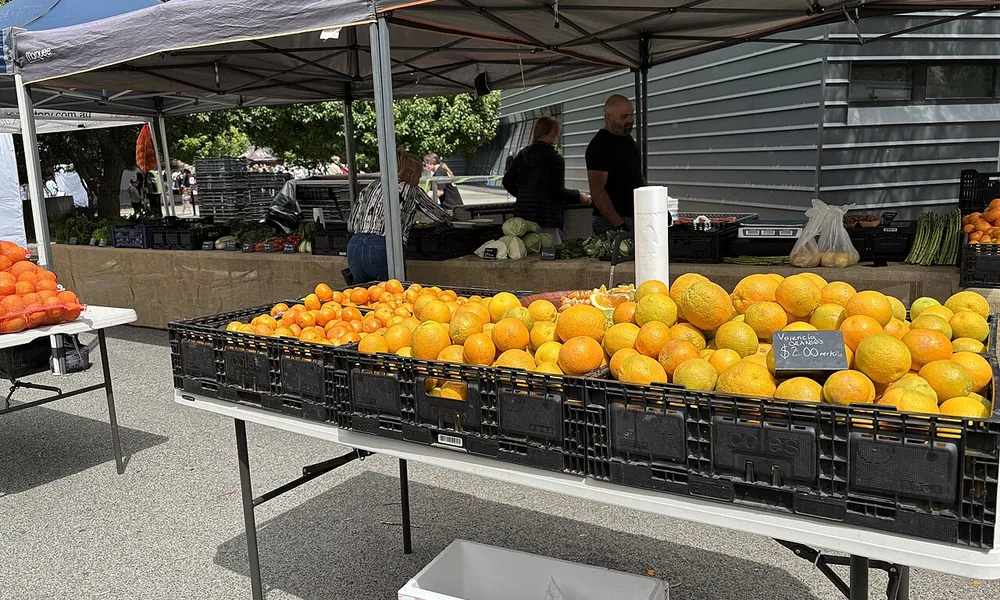
Comparison table: the worst farmers markets of 2026
| Rank | Market type | Main fault | Warning sign |
|---|---|---|---|
| 1 | The Bought-In Stall | Wholesale produce sold as farm-grown | Same boxes, no farm name |
| 2 | The Out-of-Season Stall | Summer fruit in deep winter | Everything, all year round |
| 3 | The Picked-Green Row | Harvested unripe for transport | Hard fruit, no smell |
| 4 | The Mystery Farm | No farm name, no place, no answers | A shrug at every question |
| 5 | The One-Crop Stall | Three items, every week, all year | Same table in every season |
| 6 | The Farm-Shop Price Trap | Shop-grade food at triple price | No price per kilo shown |
| 7 | The Fair-Weather Field | No cover, mud, packs up in rain | Stalls gone at first shower |
The worst farmers markets of 2026
1. The Bought-In Stall: the worst farmers market of all
The Bought-In Stall is the worst farmers market you will ever walk through. The stallholder talks about the farm, the soil and the early mornings, while the produce came from a wholesaler that morning, in the same boxes every other stall uses. The signs are plain: every stall sells the same tomatoes, cucumbers and apples, all the same size and colour, in the same crates. A real farm’s produce is uneven, because a field is uneven: some tomatoes are bigger, some split, and the varieties change as the season moves. Look under the table: if the crates carry a wholesaler’s name and the seller cannot name the field, the farm on the sign is a story, not a place.
2. The Out-of-Season Stall: summer fruit in deep winter
The Out-of-Season Stall sells strawberries in February, asparagus in November and sweetcorn when the fields are bare, under a banner about local food. A farmers market should follow the year: spring greens, summer berries, autumn squash, winter roots. When a stall ignores the calendar, the food has travelled further than the stallholder. Winter strawberries look right and taste of nothing: they were bred to survive a journey, not to be eaten. The stall breaks the point of the market: you came for what grows near you, now, and are sold what grows anywhere, always. Check the season, and treat a stall selling summer in winter as a shop with a tent.
3. The Picked-Green Row: harvested for the journey, not for eating
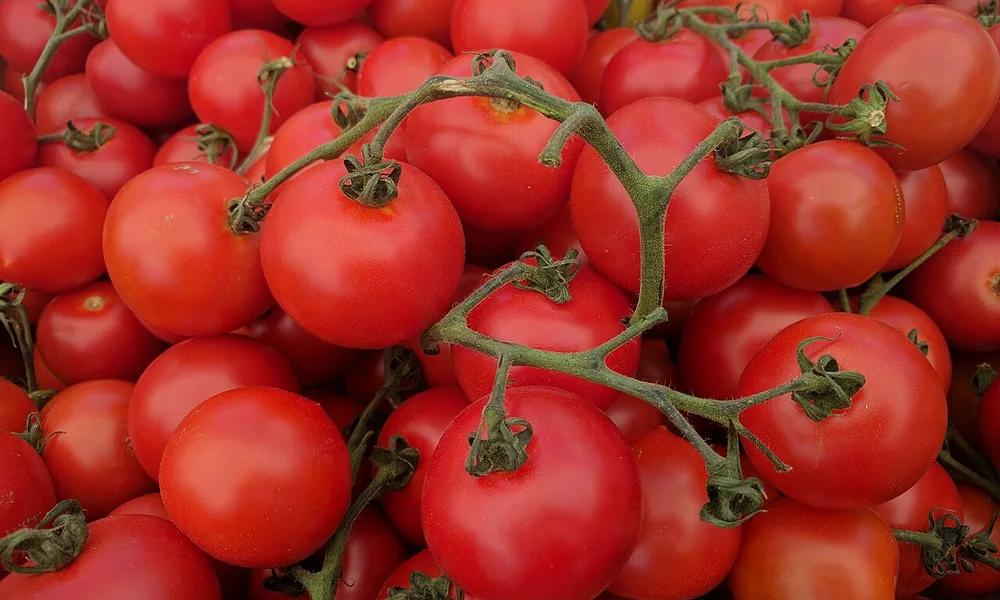
The Picked-Green Row is the stall where nothing is ready to eat. Tomatoes are hard and pale, peaches feel like stones, and plums have no smell, because everything was picked a week early to survive the trip. Some fruit ripens after picking, but most only softens: the sugar, scent and flavour are made in the last days on the plant, and a green tomato on a counter will never catch up. The stallholder will tell you to leave it on the windowsill; a week later it is soft and still tastes of nothing. Pick it up and smell it: ripe food smells of itself, and food with no smell was picked before it had anything to say.
4. The Mystery Farm: no name, no place, no answers
The Mystery Farm has a beautiful hand-painted sign, a basket of eggs, and no farm behind any of it. Ask where the farm is and you get a wave towards the hills. Ask the apple variety and you get a shrug. Ask when the carrots were pulled and you get a question about how many you want. A real grower loves these questions: the farm has a name and the variety is a point of pride. The Mystery Farm cannot answer, because there is nothing to answer with, and the sign does the work the farm should do. A stall that will not say where it comes from is selling a surprise, and the surprise is rarely good. Buy from the seller who can answer.
5. The One-Crop Stall: three items, every week, all year
The One-Crop Stall sells the same three things in January and July: the same potatoes, onions and carrots, laid out the same way, at the same price. A farm changes with the year: one month greens, the next berries, then beans, squash, then roots. A stall that never changes is not a farm stall, it is a crate refilled from the same supplier every week. The three items are usually fine, which is what makes the stall easy to trust, but a market exists to connect you with a farm, and a stall with no seasons has no farm behind it. Walk the whole market first: the growers worth your money are the ones whose tables change every month.
6. The Farm-Shop Price Trap: shop food at triple the price
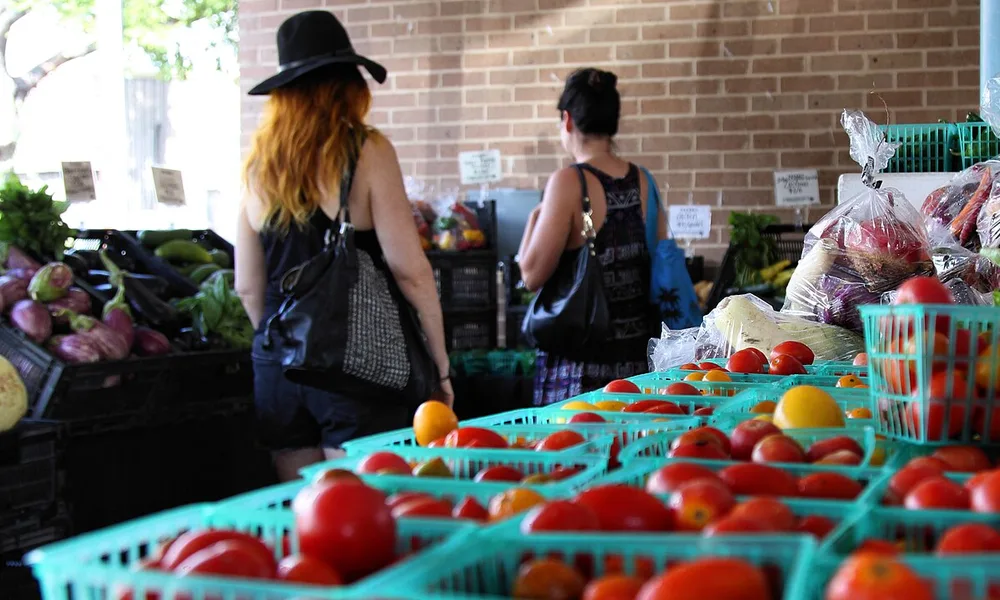
The Farm-Shop Price Trap charges a farm price for shop food. The vegetables are ordinary, no better than the supermarket, and the price per kilo is two or three times the same item down the road, justified by the word farm on the sign. Good farm food can cost more, and often should: picked yesterday, grown slowly, grower paid properly. The trap is different: the premium buys nothing, the same variety, size and taste for three times the money. Compare the price per kilo with the shop, and ask what the extra money pays for. If the answer is the sign, keep walking.
7. The Fair-Weather Field: no cover, mud and a quick pack-up
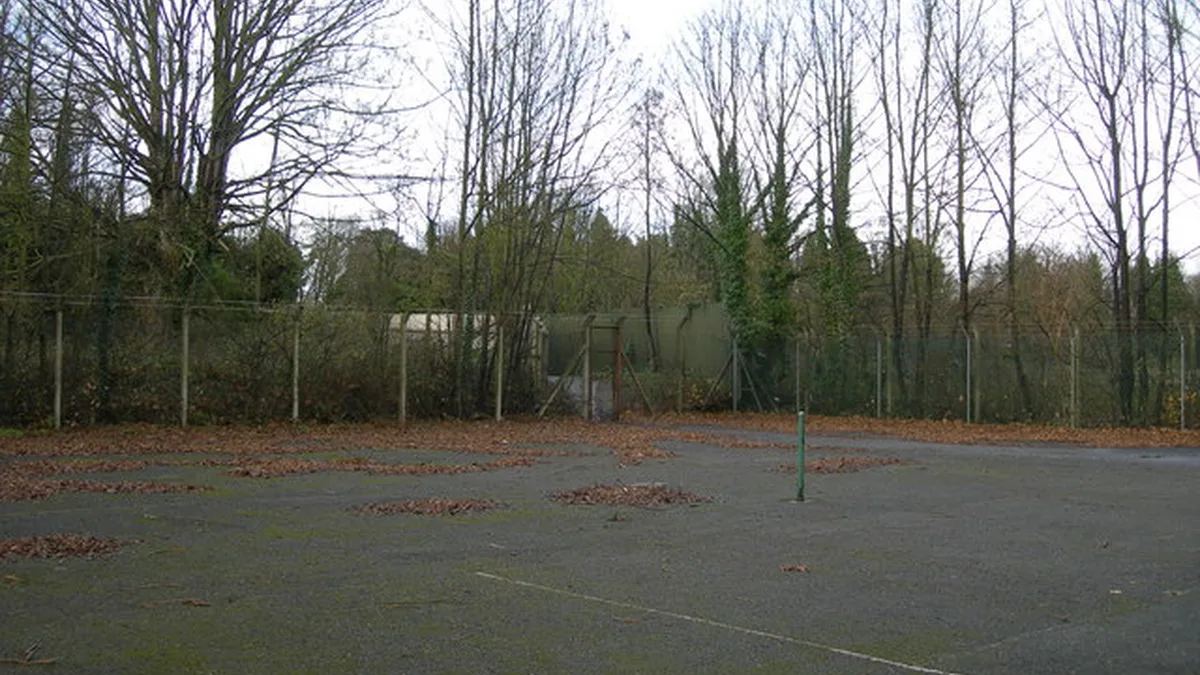
The Fair-Weather Field only exists when the sky cooperates. There is no cover, the ground turns to mud at the first shower, and sellers pack up the moment rain arrives. A farmers market is an outdoor business, and a good one plans for weather: canopies over the food, boards over the mud, sellers who stay until the advertised close. The Fair-Weather Field has none of that, because nobody invested in the market itself, and shoppers pay with a wasted trip. Check the forecast and the cover before you travel: a market with no shelter will leave you standing in a field holding nothing.
What to avoid when choosing a farmers market
The most common farmers market regret is a blind one: shopping from the first stall, trusting the sign instead of asking, and paying before checking the price elsewhere. Avoid the trap by checking four things before you pay: the farm name, and whether the seller can answer a second question; the season, and whether the stall sells what it grows; the ripeness, by picking the food up and smelling it; and the price per kilo, compared with the shop. The same checks work wherever food is sold outdoors, and our guide to the worst food trucks makes the same point about paying before you have looked properly: a good meal, like a good market, starts with asking what you are buying.
Checklist: shopping a farmers market
- Ask the farm name, the variety and the harvest day: a real grower answers all three at once.
- Look under the table: wholesaler crates and identical stock mean bought-in food.
- Check the season before you go, and treat summer fruit in winter as a shop with a tent.
- Pick the food up and smell it: ripe food smells of itself, and hard, scentless fruit was picked green.
- Compare the price per kilo with the shop, and ask what the premium is paying for.
- Walk the whole market before you buy, and check the cover if rain is forecast.
Frequently asked questions
How can I tell if market produce is really farm-grown?
Ask the farm name, variety and harvest day, and look at the table: real farm produce is uneven, varieties change with the season, and the seller answers a second question. Identical stock on every stall and a shrug mean bought-in food.
Is out-of-season produce always bad?
Not always, but it breaks the point of the place. Summer fruit in winter was bred to travel, not to taste good, so treat the stall as a shop with a tent and judge it on price.
Why are farmers market prices higher than the shop?
Good farm food can cost more because it was picked ripe yesterday and the grower was paid properly. The trap is a premium that buys nothing: the same variety and quality as the shop for three times the price.
Should I trust organic signs at a farmers market?
Ask what the sign means for that stall: who certifies it, and what was grown without? A real grower explains in a sentence, while a stall hiding behind the word is selling the label, not the farming.
What if a stall only has three things?
Three things in season is fine: a small farm grows what the month allows. Three things every week, all year, is the warning sign, because a real farm’s table changes with the seasons.
When is the best time to visit a farmers market?
Early, for the full choice and the grower’s attention, before fair-weather stalls pack up. Late in the morning the best produce is gone, the crowds choose for you, and the rain has had time to arrive.
Bottom line
The worst farmers markets of 2026 sell the idea of a farm and deliver a shop: bought-in produce under a farm sign, summer fruit in winter, food picked green, stalls with no farm behind them, and prices no harvest can justify. Ask the farm name, check the season, smell the food and compare the price, and keep your money for the grower who can answer.