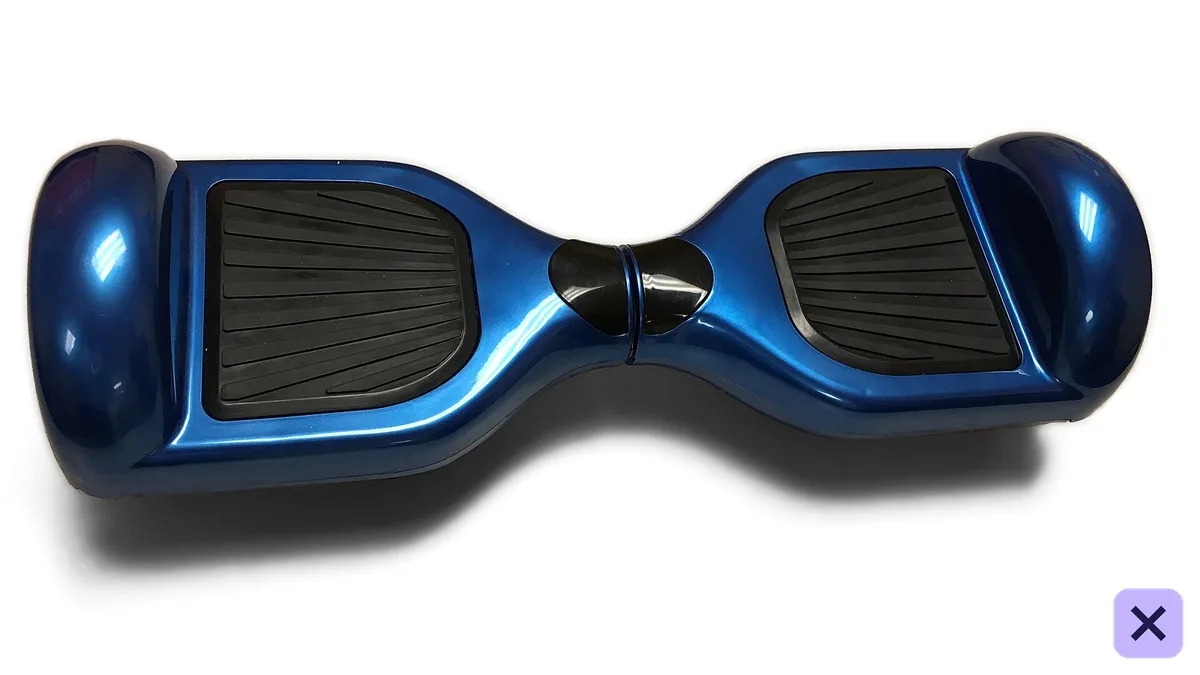
The worst electric scooters of 2026 are not simply the cheapest ones. They are the machines that look convincing in a photograph, promise far more than they deliver on the road, and then make everyday riding harder, slower, or less safe than walking would have been. A bad scooter rarely announces itself in the shop. It feels fine for the first hundred metres, then the brakes fade, the battery gauge collapses, the handlebars start to wobble, and a journey that should take fifteen minutes turns into a careful, rattling crawl.
That is the trap this guide is built to help you avoid. The market is crowded with scooters that share the same shape, the same glossy paint, and the same confident claims, yet differ enormously underneath. Some have motors too weak for the smallest hill, some have tyres that turn every pothole into a jolt, and some have batteries that lose a third of their range within a few months. The worst offenders combine several of those faults at once, and they usually come from sellers who vanish the moment something goes wrong.
We have judged the worst electric scooters by what actually ruins ownership: weak braking, dishonest range, poor build quality, uncomfortable rides, impossible servicing, and weight that makes the scooter a burden rather than a help. This is not a list of brands to mock. It is a guide to the types of scooter to walk away from, the warning signs to spot before you pay, and the questions that separate a bargain from a mistake. If you want the other side of the picture, our guide to the best electric scooters of 2026 shows what a good one looks like.
Key Takeaways
- The worst electric scooters fail on braking, range, build quality, or servicing, often on several at once.
- A scooter with electronic braking only, tiny solid tyres, or no water-resistance rating is a red flag before you ride it.
- Claimed range is usually far above real-world range, and the gap is widest on the cheapest machines.
- No-name scooters with no spare parts, no dealer network, and no warranty worth the paper it is written on cost more in the long run.
- If you cannot lift the folded scooter, fold it one-handed, or stop it quickly in the wet, do not buy it.
How We Judged the Worst Electric Scooters
A scooter earns a place among the worst when its faults affect daily use, not when it merely lacks a luxury feature. A plain display is forgivable. Brakes that need a long, hopeful squeeze are not. We looked first at stopping: whether the scooter has a proper mechanical brake, how it behaves in the wet, and whether the lever feels firm or spongy. Then we looked at range honesty, because a scooter that claims thirty miles and delivers twelve strands its rider halfway home. Build quality came next, from the folding latch to the stem, the deck, and the cables, followed by ride comfort, weather sealing, weight, and the practical question of who fixes it when it breaks.
The Worst Types of Electric Scooter in 2026
1. The No-Name Bargain With No Support
This is the most common worst scooter of all: a machine sold under a name you have never seen before, at a price that seems too good to be true, by a seller with no address, no service centre, and no spare parts. The scooter itself may look smart, but the frame is often thin aluminium, the folding latch is a crude clamp, and the battery is an unbranded pack of unknown origin. When the charger fails, the throttle sticks, or a tyre wears out, there is nobody to call and nothing to order. Owners end up either riding a broken machine or throwing away a scooter that is barely a year old.
2. The Electronic-Brake-Only Scooter
Some of the worst electric scooters rely entirely on electronic braking, with no disc or drum brake at all. The brake lever, if there is one, simply tells the motor to slow down. On a dry, flat road at low speed, that can feel adequate. Add rain, a downhill slope, a heavy rider, or a low battery, and the stopping distance stretches alarmingly. Electronic braking fades exactly when you need it most, and it gives the rider almost no feel for how hard the scooter is actually braking.

3. The Tiny Solid-Tyre Bone-Shaker
Small solid tyres are the hallmark of a scooter designed for a smooth showroom floor rather than a real street. They never puncture, which sounds like a benefit, until you ride one over cracked tarmac, cobbles, or a speed bump. Every jolt travels straight through the deck into your feet, knees, and hands. On a ten-minute ride that is tiring. On a daily commute it is miserable, and it makes the scooter harder to control, because the wheels skip and skitter over rough surfaces instead of gripping them.
4. The Overweight Pretender
Some scooters try to look like serious long-distance machines by adding a big battery and a powerful motor, then ruin the result by weighing thirty kilograms or more. They may manage a long ride on a flat road, but they are a misery everywhere else. Carrying one up a flight of stairs is a two-person job, lifting it onto a train is a gamble, and folding it into a car boot takes up the whole space. Many owners of these machines simply stop taking them anywhere, which defeats the entire point of owning a scooter.
5. The Overpowered Scooter With No Manners
At the other extreme sits the scooter that chases a headline top speed and forgets everything else. Its throttle is either off or furious, its acceleration throws the rider backwards, and its brakes, suspension, and tyres were never designed for the speeds it can reach. These machines are often sold with little regard for local speed limits, and their riders discover too late that a scooter built for speed but not for stopping is a frightening thing in traffic.
Comparison Table: Worst Scooter Types at a Glance
| Type | Main Fault | Who It Hurts Most | Verdict |
|---|---|---|---|
| No-name bargain | No parts or support | Every owner, eventually | Avoid |
| Electronic-brake-only | Weak, fading stopping | Commuters in traffic | Avoid |
| Tiny solid-tyre model | Harsh, skittish ride | Riders on rough roads | Avoid |
| Overweight pretender | Too heavy to carry or store | Train and stair users | Avoid |
| Overpowered, uncontrolled | Power without good brakes | New and nervous riders | Avoid |
Range Claims: Where the Worst Scooters Lie Loudest
The worst scooters make this gap worse by hiding it. Their battery gauges are vague bars that stay full for ages and then plunge, their apps report optimistic figures, and their chargers take so long that topping up midday is impractical. A good scooter, by contrast, gives an honest gauge, charges in a reasonable time, and still has reserve when it says it is low. When you compare machines, halve the claimed range in your head and ask whether the result still covers your longest regular journey. If it does not, the scooter is not a bargain, whatever the price. Our guide to the best electric scooters for commuting shows how much usable range a well-built commuter actually delivers.

Build Quality, Weather, and the Slow Decline
Weather sealing is the detail most often missing from cheap scooters, and the one that matters most for anyone riding year-round. A scooter with no water-resistance rating has not been tested against rain, and its maker is not willing to stand behind it in wet weather. Look for sealed cable entries, a proper mudguard, and a battery compartment that closes firmly. Check the folding mechanism too: it should lock with a solid click, stay locked when you lift the scooter, and show no movement when you push the handlebars firmly from side to side. If anything rattles, flexes, or feels loose in the shop, it will only get worse on the road.
Running Costs and the False Economy
A well-built scooter costs more at first and far less over three years. Its tyres, brake pads, and batteries are standard parts that any dealer can supply, its frame does not loosen, and its battery holds its range. Before buying, ask the seller three questions: how much is a replacement battery, how much is a set of brake pads, and who fits them locally. If the seller cannot answer, or the answers are vague, you are not buying a bargain. You are buying a machine with no future, and the saving will disappear the first time it breaks. If two wheels are not the right answer at all, our comparison of the e-bike versus scooter for city commuting may point you to a better fit.
Your Pre-Purchase Checklist
- Brakes: insist on a mechanical disc or drum brake as well as any electronic braking, and test an emergency stop before you buy.
- Tyres: choose larger pneumatic tyres over tiny solid ones, especially if your roads are rough or wet.
- Range: halve the claimed figure and check it still covers your longest regular journey with charge to spare.
- Weight: lift the folded scooter, carry it up stairs, and fold it one-handed before you commit.
- Weather sealing: look for a water-resistance rating, sealed cables, and a battery compartment that closes firmly.
- Support: confirm a local dealer, available spare parts, a replacement battery price, and a warranty you can actually use.
Frequently Asked Questions
What is the worst thing about cheap electric scooters?
The worst thing is not low speed or a plain design. It is the combination of weak braking, dishonest range, and no servicing or spare parts, which together make the scooter unsafe, unreliable, and expensive to own.
Are all budget electric scooters bad?
No. A budget scooter that is honest about short, flat, fair-weather journeys, with a mechanical brake and a real dealer behind it, can be a sensible buy. The bad ones are those that pretend to be long-range commuters while cutting corners on brakes, tyres, batteries, and support.
How can I tell if a scooter’s range claim is honest?
Halve the claimed figure as a rough guide, then check independent reviews and owner reports for real-world results. A scooter whose gauge drops suddenly, or whose seller cannot explain how the range was measured, is not to be trusted.
Is electronic braking alone ever enough?
For a slow scooter used only on flat, dry, private ground, it may be adequate. For commuting in traffic, in the wet, or on hills, it is not enough. A mechanical brake is essential, because it works regardless of battery level or software.
Why do some scooters feel so uncomfortable to ride?
Small solid tyres, no suspension, a narrow deck, and a short wheelbase all make a scooter harsh and skittish. Larger pneumatic tyres and proper suspension absorb bumps and keep the wheels in contact with the road, which is why they matter so much.
Should I buy a second-hand electric scooter?
Only if you can test it thoroughly first: check the brakes, the folding latch, the battery gauge under load, and the tyres, and ask for the charger and any paperwork. A second-hand scooter with no parts support is a gamble, so price it accordingly and walk away if anything feels loose or unreliable.
The Bottom Line
The worst electric scooters of 2026 share one trait: they ask you to pay for a promise and then make you live with the compromise. Skip the no-name bargain with no support, the brake that is only software, the tiny solid tyres, the machine too heavy to carry, and the overpowered scooter with no manners. Choose instead a scooter with a real mechanical brake, honest range, larger pneumatic tyres, a solid folding mechanism, and a dealer who will still be there when it needs a part. That is the difference between a scooter you ride every day and one you regret every day.