Worst Minivans for Autumn Driving 2026
The worst minivans for autumn driving in 2026 are not bad cars in the usual sense. Many of them are fast, luxurious and beautifully built, which is exactly why they trap autumn buyers. A minivan that feels superb on a cool, dry morning can turn into a punishment on a wet one: sliding on leaf mulch, blind in fog, slow to clear a misted screen, and expensive to run on dark, rainy evenings. The worst minivans for autumn driving are judged on exactly that: wet-leaf grip, fog and low-light visibility, demisting, ride comfort over hidden potholes, and running costs.
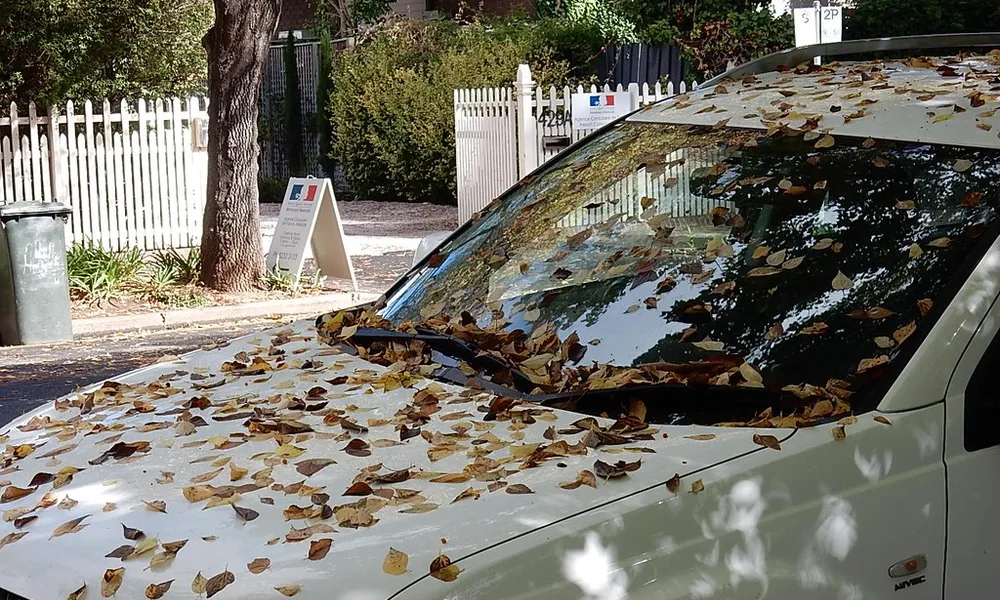
Autumn is the season that exposes a minivan’s weaknesses. Leaves trap water against the tarmac, rot into slippery mulch, and hide potholes, drains and white lines. The worst minivans for summer driving fail on heat, thirst and cooling, but the vans below fail autumn drivers on grip, light, visibility and cost,
Key Takeaways
- Too much power is a liability in autumn: big engines overwhelm wet-leaf grip and drink fuel in damp traffic.
- A stiff, sporty ride turns brutal on potholes hidden under leaves.
- Low, sloping vans with small boots defeat the whole point of buying a minivan for autumn.
- Slow demisting and weak headlights make cold, damp mornings and dark evenings miserable.
- A minivan with no all-wheel-drive option at any price has no answer to a wet-leaf bend.
What Autumn Really Punishes in a Minivan
Autumn driving is defined by surfaces that change under your wheels. A dry stretch of tarmac can turn into a slick leaf bed in the space of a few metres, especially under trees after rain. Braking distances grow, steering goes light, and a van with too much power and too little traction spins its wheels exactly when the driver needs grip most. A minivan carries more weight than almost any other family car, and that weight makes a wet-leaf slide longer and harder to catch.
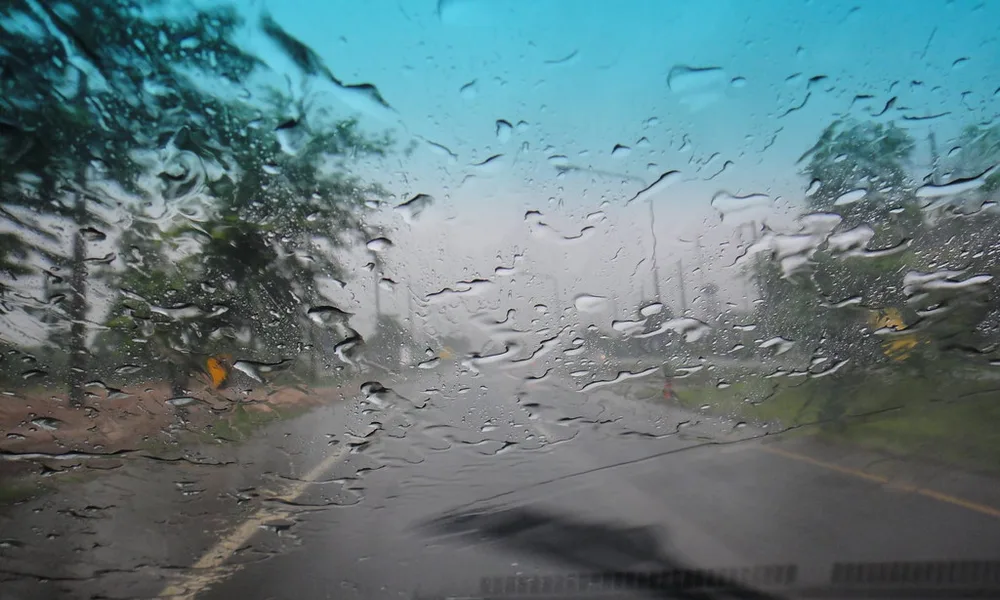
Light is the second autumn problem. The sun sits low for much of the day, dazzling drivers through a dirty windscreen, and then it is gone by late afternoon. Add fog, drizzle and spray, and visibility becomes the real test. A huge glass area that feels airy in summer fogs up fast when seven people are breathing on it, and a weak heater cannot clear it.
Then there is the practical failure. Autumn means wet coats, muddy boots, garden waste and firewood, and a minivan is bought to carry them. The worst autumn vans combine these failures: fast, thirsty, firm, cramped and blind, all at once
How We Ranked the Worst Minivans for Autumn Driving 2026
We ranked the 2026 minivans on the things that decide an autumn journey: grip on wet leaves, headlight reach and fog performance, demisting speed on cold damp mornings, ride comfort over leaf-hidden potholes, cargo space for wet gear, rear visibility in rain, and running costs.
The worst minivans for winter driving fail on snow and ice, which is a different test with different losers, and the vans below earn their places on wet leaves and in fog rather than on frozen roads. We scored each type out of ten on every measure, and the lowest totals are the ones to avoid.
The 6 Worst Minivans for Autumn Driving 2026
1. The Ageing V6 People-Carrier: Worst Overall for Autumn Driving
The ageing V6 people-carrier is the worst autumn minivan you can buy in 2026. Its big, thirsty engine overwhelms worn tyres on wet leaves, the old suspension wallows once seven people and a roof box are aboard, and the heater that felt fine in summer cannot clear the huge glass area on a damp October morning. Fuel economy collapses in stop-start autumn traffic, and the van drinks exactly when you drive the most.
What condemns it is the combination. No all-wheel drive, no modern driver assistance, weak headlights that yellow with age, and drains clogged with years of leaves that let damp into the cabin.
2. The Underpowered Base Van: Worst for Wet-Leaf Hills
The underpowered base van looks like sensible value until autumn arrives. Its small engine strains up a wet hill with a full cabin, the gearbox hunts for a ratio that does not exist, and the front wheels spin on leaf mulch at every damp junction. Momentum is the only way up a slope, and momentum is exactly what you cannot safely carry on wet leaves.
Inside, the base trim is the problem. No heated seats, a weak demister, manual air conditioning and dim halogen headlights turn every cold, damp morning into a chore.
3. The Glass-Roofed Showpiece: Worst for Fog and Damp Mornings
The glass-roofed showpiece is bought for the airy cabin and the view, and autumn punishes both. The huge glass area fogs faster than the heater can clear it, the panoramic roof drips condensation onto the seats on cold mornings, and the low sun glares through a smeary windscreen for hours each day. Rear visibility in rain is poor, and the blind spots are the worst in the class.
The roof also steals headroom and load space, so the van that looks spacious on the forecourt cannot swallow the wet gear autumn demands.

4. The Stripped-Out Budget Seven-Seater: Worst for Family Comfort
The stripped-out budget seven-seater seats seven on paper and punishes all seven in practice. The third row is cramped and hard to reach, the seats are thin and unsupportive, and there is no room for luggage once every seat is occupied, which defeats the point of a minivan in the season of wet coats and muddy boots.
The safety kit is the real autumn failure. No blind-spot warning, no animal detection, weak headlights and a demister that takes an age to clear the screen leave the driver guessing on dark, foggy evenings.
5. The Heavy Thirsty V6: Worst for Autumn Running Costs
The heavy thirsty V6 is the minivan that costs the most to run in the season you drive the most. Short school runs in damp traffic, cold starts on frosty mornings and long dark evenings with the lights and heater on full all conspire to push fuel use far beyond the brochure figure. A van that returns 22 miles per gallon in summer can fall well below that in autumn.
The weight is the other problem. A heavy van on wet leaves needs more distance to stop, and the soft suspension that feels luxurious empty wallows dangerously once seven people and their kit are aboard.
6. The Low-Slung Long-Wheelbase Van: Worst for Leaf-Hidden Roads
The low-slung long-wheelbase van is the hardest minivan to live with on autumn roads. Its long wheelbase makes it slow to turn on leaf-covered lanes, its low nose scrapes on leaf drifts and flooded dips, and its huge turning circle turns every three-point turn on a narrow country road into a careful exercise. Once it starts sliding on wet leaves, the length makes it harder to catch.
The ride is firm and the ground clearance is minimal, so potholes hidden under leaves thump through the cabin and wake the whole third row.
Worst Minivans for Autumn Driving 2026 Compared
| Minivan Type | Wet-Leaf Grip | Fog Lights | Demisting | Overall |
|---|---|---|---|---|
| Ageing V6 people-carrier | 2/10 | 3/10 | 3/10 | 2.8/10 |
| Underpowered base van | 3/10 | 4/10 | 4/10 | 3.8/10 |
| Glass-roofed showpiece | 5/10 | 3/10 | 2/10 | 4.0/10 |
| Stripped-out budget seven-seater | 4/10 | 3/10 | 4/10 | 3.9/10 |
| Heavy thirsty V6 | 4/10 | 5/10 | 5/10 | 4.6/10 |
| Low-slung long-wheelbase van | 3/10 | 4/10 | 5/10 | 4.1/10 |
Every type in the table above scores badly on wet-leaf grip, and that is no accident. In autumn, driven wheels and good tyres matter more than horsepower, and a van that cannot grip on leaves is a compromise whatever its badge.
Autumn Warning Signs Worth Checking
Before you buy, check the things autumn exposes. Look at the headlights on a dark road, not in a showroom: are they bright, wide and well aimed, or dim and yellow? Test the demister from cold on a damp morning and time it, because a slow screen is a daily frustration from October to December with seven people breathing on it. Check the drains at the base of the windscreen and in the sliding-door channels, and ask whether leaves collect there, because clogged drains cause damp carpets and misted glass.
Look at the boot: is it square and easy to load when your hands are full of wet gear, or narrow and awkward? The worst minivans for spring driving are judged on rain, potholes and pollen, but autumn adds the leaf, fog and deer test on top, so check for all three before you sign.
Autumn Driving Checklist for Minivan Owners
- Fit good all-season tyres before the first leaf fall, not after the first slide.
- Clear leaves from the windscreen drains and sliding-door channels every week.
- Check headlight aim and clean the lenses, because low sun and fog punish dirty lights.
- Keep a cloth and de-icer in the car for cold, damp mornings.
- Slow down under trees and on bends, where wet leaves hide the true grip.
- Watch for deer at dawn and dusk, and dip your headlights early on unlit roads.
Frequently Asked Questions
What is the worst minivan for autumn driving in 2026?
The ageing V6 people-carrier is the worst minivan for autumn driving overall in 2026, because it combines weak wet-leaf grip, slow demisting, dim headlights, no modern safety kit and the thirstiest running costs in the class.
Can I fix a bad autumn minivan with better tyres?
Partly. Good all-season tyres transform wet-leaf grip and braking distance, and they are the single best upgrade for any van on this list. But tyres cannot fix weak headlights, slow demisting, clogged drains or a missing animal-detection system, so a bad van stays bad in the dark.
Are old minivans always bad in autumn?
No, but age makes the autumn faults worse. Worn tyres, tired suspension, yellowed headlights and clogged drains all arrive with age, and autumn is the season that exposes every one of them at once. A well-kept older van with fresh tyres and clean drains can still be a decent autumn car.
How do I stop my windscreen misting up on autumn mornings?
Clear the leaves from the drains at the base of the windscreen, because blocked drains let damp into the cabin and the heater system. Run the air conditioning with the heater, even on cool mornings, and replace a tired cabin filter, since a clogged filter slows demisting badly in a van full of people.
Why are wet leaves so slippery?
Wet leaves trap water against the tarmac and rot into a slick mulch that acts like a lubricant between tyre and road. Grip can fall to levels close to ice, and the leaves also hide white lines, potholes and drains, so the danger is the hidden surface as much as the slide itself.
Should I avoid front-wheel drive in autumn?
Not necessarily. Front-wheel drive with good all-season tyres is fine for most autumn driving, and it is what most minivans offer. What you should avoid is front-wheel drive combined with too much power, worn tyres and no traction control, because that combination spins its wheels exactly when you need grip most.
The Bottom Line
Autumn punishes the minivan that is unprepared for the season, not the one with the smallest engine or the lowest price. Weak grip on wet leaves, lights that cannot cut through fog, a screen that clears slowly on damp mornings and a boot that cannot swallow wet gear are the faults that matter, and the ageing V6 people-carrier has all of them at once. If you own one, fit good tyres and clear the drains; if you are buying, walk away.