
A baby car seat is the one piece of baby gear you hope you never have to test for real, and the one you will use more than any other. From the first drive home from the hospital to the nursery run and the long motorway trip to see grandparents, your baby will spend hundreds of hours strapped into it. The best baby car seats of 2026 hold a tiny body snugly through every bump and turn, fit your car without a fight, and still feel comfortable after an hour on the road. The worst ones wobble on their base, twist their straps every time you buckle up, and leave a tired baby wriggling against hard edges.

What Makes a Baby Car Seat Different
A baby car seat is not a small version of an adult seat. It is a safety device built around a body that is still growing fast, with a heavy head, a soft neck and bones that are far more flexible than an adult’s. That is why the shell is deep, the sides are high, and the harness sits low over the hips and shoulders instead of across the chest the way an adult belt does. A seat that looks comfortable in a photograph but leaves gaps around a newborn is not doing its job, however soft the fabric feels to your hand.
The second difference is that a baby car seat has to work with your car, not just with your baby. Cars differ in seat shape, seat belt length, headrest position and the space between the front and back seats. A seat that installs perfectly in a large family car may not fit at all in a small hatchback, especially rear-facing, where it needs room behind the front seats. The best baby car seats come with clear fitting guides, adjustable bases and recline settings that let you get a firm, level install in more than one kind of car.
The third difference is time. A baby outgrows things in months, not years, and a car seat is no exception. The best baby car seats are designed with that growth in mind: a newborn insert that lifts out when the baby is bigger, a headrest that rises as the baby grows, harness slots that move without rethreading, and weight and height limits that are generous enough that you are not shopping for a replacement before the first birthday. If you are planning the rest of your baby kit at the same time, our guide to the best strollers of 2026 covers the travel systems many of these infant carriers clip straight into, but the car seat itself should always be chosen on its own merits first.
How to Choose: What Matters Most
Start with fit for your baby’s size right now. Check the seat’s minimum and maximum weight and height limits, and be honest about where your baby sits in that range. A newborn needs a seat with a low harness position, a snug insert and a recline angle that keeps the head from flopping forward. A bigger baby needs room to grow, with a headrest that still has space above it and a harness that can rise with the shoulders. A seat bought too big is just as unhelpful as a seat bought too small, because a baby who can slide around inside the shell is not held properly.
Next, look at the shell and the side protection. Deep side wings, a sturdy shell and energy-absorbing padding around the head are what protect a baby in a side impact, and they are worth more than a pretty fabric pattern. Press the sides gently: they should feel firm and well padded, not thin and hollow. The headrest should cradle the head without pushing it forward, and the fabric should feel smooth against the skin, with no rough seams where a cheek or an ear will rest on a long journey.
The harness comes third, and it is the part you will touch every single day. It should tighten smoothly with one pull, loosen easily when you lift the baby out, and stay flat instead of twisting into a rope. The chest clip should sit at armpit level and click shut firmly, and the buckle should be easy for an adult to open with one hand but impossible for a small child to undo. Test it in the shop if you can: a harness that fights you on a calm afternoon will be far worse on a rainy night with a crying baby.
Installation is fourth, and it is where most seats fail in real life. A seat can pass every laboratory test and still be unsafe if it is fitted loosely, so the best baby car seats make a correct install almost foolproof. Look for a base with clear indicators that turn green when the angle is right, connectors that click audibly onto the car’s anchor points, and a belt path that is easy to reach and thread. Once fitted, the seat should move less than an inch side to side at the belt path. If it wobbles, it is not tight enough, whatever the indicator says.
Two Main Types: Infant Carriers and Convertibles
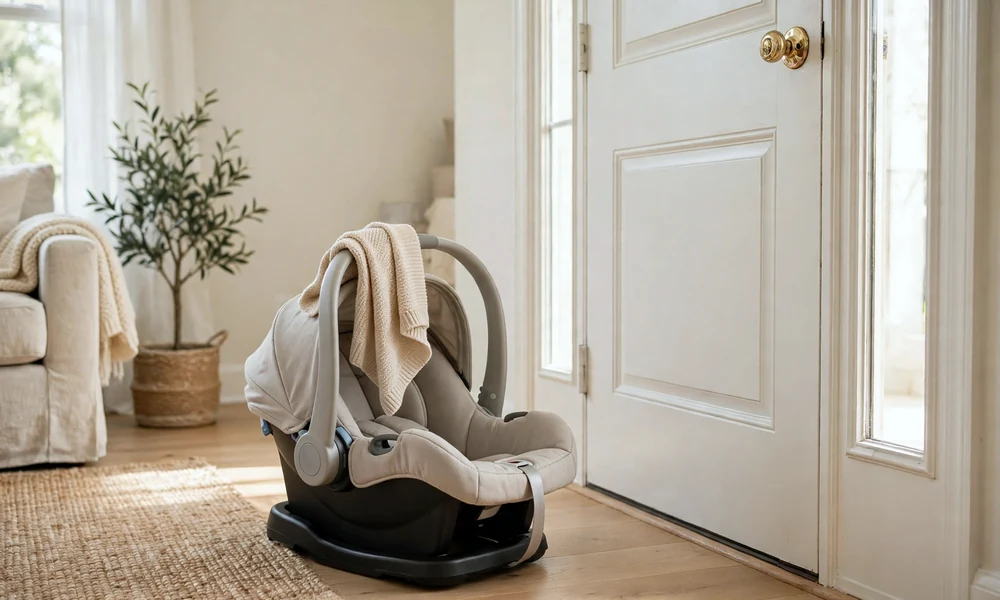
An infant carrier is the classic first seat. It has a handle, it lifts out of a base that stays in the car, and it often clips onto a pushchair frame, so you can move a sleeping baby from the car to the pavement without waking them. The trade-off is that babies outgrow them quickly, often before the first birthday, because the weight and height limits are lower than a larger seat. For a newborn, though, the snug fit and the carry handle are hard to beat, and most parents who start with a carrier are glad they did.
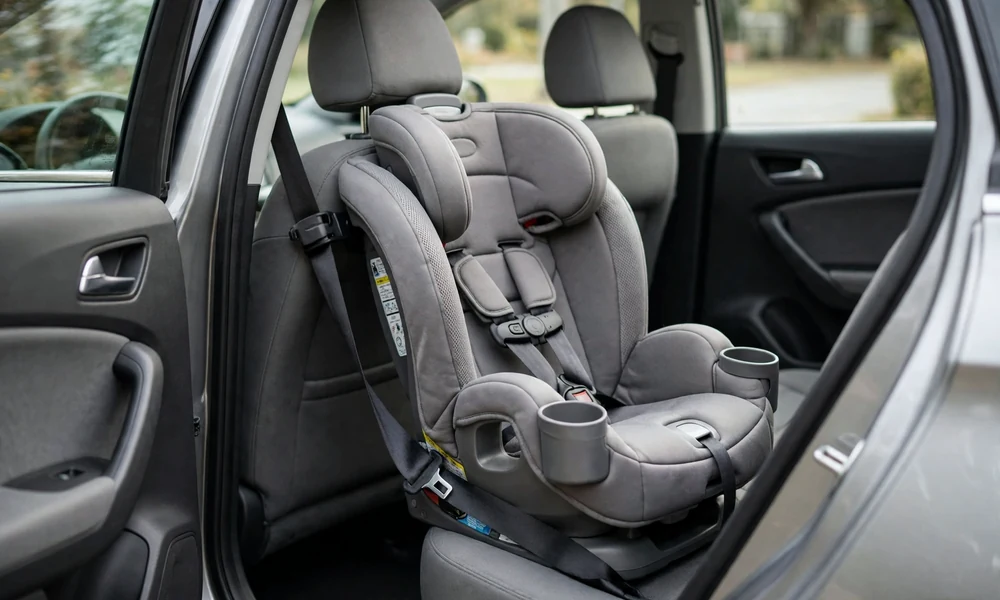
A convertible seat stays in the car and grows with the child. It starts rear-facing for a baby, then turns forward-facing for a toddler, and many models later work with the harness removed. It costs more up front, but it can last for years, which makes it good value over time. The catch is that a convertible is heavier, bulkier and harder to move between cars, and it is less snug for a very small newborn than a dedicated carrier. If you have one car and plan to keep the seat fitted for a long time, a convertible is often the sensible choice.
Rear-Facing First: The Safety Rule That Matters Most
Rear-facing for as long as possible is the safest way for a baby to travel, and it is the single most important decision in this guide. In a rear-facing seat, the shell spreads the force of a sudden stop across the baby’s whole back, head and neck, instead of letting the head be thrown forward. That is why safety guidance in many countries recommends keeping a baby rear-facing until at least their second birthday, and longer if the seat’s limits allow it. A seat with generous rear-facing weight and height limits is worth paying for, because it lets you keep your baby rear-facing for longer without buying a new seat.
Never put a rear-facing baby car seat in front of an active airbag. The back seat is the safest place for a baby, and the middle of the back seat is often the best spot of all, as far as possible from any side impact. If you must use the front seat, check your car manual and your local rules first, and make sure the airbag is switched off. Follow the seat manual and the rules where you live: they are written for your car and your seat, and they take priority over any general advice in a guide like this one.
Installation: Getting It Tight Enough
Most car seat problems are installation problems, not seat problems. Read the manual, then fit the seat on a flat surface first, before you try it in the car, so you know how the base, the recline and the belt path work. In the car, press the base firmly into the seat cushion while you tighten the belt or the connectors, using your knee or your body weight to push it down. Then test it: grip the seat at the belt path and try to move it side to side and front to back. If it moves more than an inch, tighten it again.
Planning the Journey
Plan for the rest of the journey too. A well-packed bag for the car makes every trip easier, and our guide to the best diaper bags of 2026 covers bags that carry everything a baby needs without taking up the whole boot. Keep a spare outfit, a muslin and a small toy in the car, so a spill or a sick-up does not mean turning around. A calm parent and a comfortable baby make for a safer journey than any gadget ever will.
What to Avoid When Buying a Baby Car Seat
Avoid bulky clothing in the harness. A thick winter coat or a snowsuit compresses in a sudden stop, leaving the harness loose around the baby, which is exactly when it needs to be tight. Dress the baby in thin layers, tighten the harness properly, and then put a blanket over the top of the harness if it is cold. The pinch test is a quick check: try to pinch the harness strap at the shoulder. If you can pinch a fold of fabric, it is too loose.
Setting It Up on Day One
Fit the seat at least a few weeks before the baby is due, and practise with a doll or a rolled-up blanket so the harness, the buckle and the base are familiar before the real baby arrives. Adjust the harness to the lowest slots for a newborn, fit the insert, and set the recline for a small baby. Then do a practice drive to somewhere near home, so you can check that the baby settles, the canopy works, and nothing rattles or squeaks. A seat that has been practised with is a seat you will trust on the drive home from the hospital.
Frequently Asked Questions
How long should my baby stay rear-facing? As long as possible, within the seat’s weight and height limits, and at least until the second birthday where local guidance recommends it. A baby who is still within the rear-facing limits is safer rear-facing, even if their legs look cramped or they seem ready to turn around. Leg room is not a safety problem; a forward-facing harness on a small neck is.
The best baby car seat is the one that fits your baby today, fits your car without a struggle, and is fitted correctly every time you drive. Choose a snug shell, a smooth harness, a base that installs firmly and rear-facing limits that give you room to grow, and the seat will look after your baby for years rather than months. Choose on price or looks alone, and you will be choosing again far sooner than you planned, and with far more worry than you needed. When your baby starts sitting up for meals, our guide to the best high chairs of 2026 covers the next step.


