The Worst Trolley Buses of 2026: Wire-Bound Buses That Strand Their Routes
The worst trolley buses of 2026 are not the slowest vehicles on the road. They are the electric buses that look smart in the depot and then wear their passengers and their operators down: poles that slip off the wires at a junction, a route that cannot change when the road is closed, air conditioning that quits in a heatwave, or a repair bill that arrives far earlier than planned. This guide names the seven worst trolley buses of 2026, based on recall records, operator reports and passenger complaints, so you can spot the pattern before you sign.
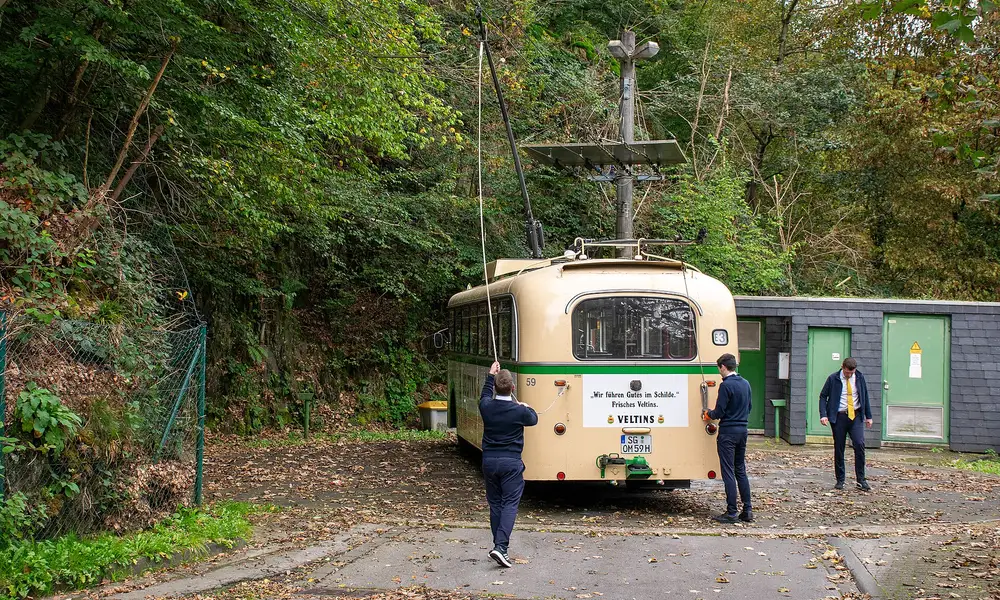
First, the distinction that matters. A trolley bus, also called a trolleybus, draws its power from twin overhead wires through two poles on its roof. That wire is the whole story: a trolley bus can only run where the wires go, and a slipped pole stops the bus where it stands. That makes it a different machine from a general bus, and our guide to the buses to avoid in 2026 ranks diesel and battery buses that run anywhere. It is also different from a tour coach, which our guide to the tour buses to avoid in 2026 ranks, and from a small shuttle, which our guide to the minibuses to avoid in 2026 covers. A trolley bus is not a battery-electric bus either: a battery bus carries its energy with it. This guide is only about the wire-bound buses on fixed city routes, judged on the poles, the wires and the depot that keeps them running.
Key takeaways
- The Solaris Trollino 12 is the trolley bus to avoid first: poles that dewire at junctions and electronics that age badly.
- A trolley bus lives or dies on its poles and its wires: a bus that slips off the wires or cannot detour fails at its basic job.
- The wire network matters as much as the bus: a thin or ageing network means dewiring and maintenance that closes whole routes.
- Dealer and parts support matters as much as the bus: a thin network means long waits for pole parts and body panels that only fit one model.
- Always check the recall record before you buy, and ride the exact bus on a full route in the rain, not just around the depot.
How the worst trolley buses of 2026 were chosen
Every trolley bus below was scored on five measures. Reliability comes first: how often operators report faults, and how serious those faults are. Pole and wire behaviour is second, because dewiring and frozen poles decide whether the bus finishes its route at all. Repair cost is third, because a dealer-only repair turns a nuisance into a disaster. Passenger comfort is fourth: whether riders can sit and breathe comfortably for a full route, from the seat to the air conditioning. Support is fifth, judged on the dealer network near the buyer and how long parts take to arrive. No trolley bus here is slow or ugly. They earn their place because the ownership experience lets them down, not because the motor is weak.
Comparison table: the worst trolley buses of 2026
| Rank | Trolley bus | Main problem | Buy instead |
|---|---|---|---|
| 1 | Solaris Trollino 12 | Dewiring, ageing electronics | Skoda 26Tr Solaris |
| 2 | Skoda 27Tr Solaris | Premium price, joint wear | Solaris Trollino 18 |
| 3 | Hess lighTram 19 | Costly parts, complex hybrid drive | Hess lighTram 25 |
| 4 | Van Hool ExquiCity 24 | Dealer-only, thin support | Van Hool ExquiCity 18 |
| 5 | New Flyer XT40 | Discontinued, thin parts supply | New Flyer XE40 |
| 6 | TrolZa-5265 Megapolis | Build quality, support gamble | Belkommunmash AKSM-321 |
| 7 | Ageing ZiU-682 trolleybuses | Old age, no air conditioning | Hess SwissTrolley 19 |
The worst trolley buses of 2026
1. Solaris Trollino 12: the trolley bus to avoid first
The Solaris Trollino 12 is the most common modern trolley bus in Europe, and that is why its faults sting. Drivers report poles that dewire at junctions and in wet weather, leaving the bus stranded while the driver reseats them by hand. Electronics are the most reported fault: warning lights that come and go, traction errors that cut power without warning, and door sensors that fail in the rain. The cabin is cramped for the driver, and the pedals sit awkwardly. Buy a Skoda 26Tr Solaris instead: the same job with steadier poles and a parts supply that does not leave the bus waiting.
2. Skoda 27Tr Solaris: a good trolley bus at the wrong price
The Skoda 27Tr Solaris is the articulated trolley bus many cities are shown first. Its place on this list is about running costs, not breakdowns. The articulation joint is the most reported fault: it wears faster than operators expect on tight turns, and a joint repair takes the bus off the road for days. Air conditioning is the second complaint: it struggles on hot afternoons with a full load, and compressors fail early and cost thousands to replace. A fully optioned 27Tr costs as much as two smaller trolley buses, and those two would cover more of the route. If you need an articulated trolley bus, buy the Solaris Trollino 18 and compare the real out-the-door price first.
3. Hess lighTram 19: brilliant, and brutally expensive to keep
The Hess lighTram 19 is the most advanced trolley bus on the market, with a long body, a quiet ride and a battery that lets it run short stretches off the wires. The problem is what it costs to own. Parts prices are among the highest in the class, and the hybrid drive is the most reported fault: only a handful of technicians understand it, so a fault that should take a day takes a week. The battery is the second weakness: it adds weight, and replacing it costs as much as a small bus. The Hess lighTram 25 costs more up front but comes with a longer body and far better parts availability.
4. Van Hool ExquiCity 24: clever, and dealer-only when it breaks
The Van Hool ExquiCity 24 is the longest trolley bus on this list, with a striking design and a huge passenger capacity. Support is the most reported problem: the manufacturer has been through bankruptcy, so parts take weeks to arrive and only a few dealers can work on the bus. The steering is the second complaint: it needs wide junctions, and a kerb strike that would scratch a normal bus can damage the guidance system. Buy a Van Hool ExquiCity 18 instead: the same design in a shorter body, with far more dealers able to fix it.
5. New Flyer XT40: the electric promise that depends on your parts shelf
The New Flyer XT40 is the trolley bus American operators remember best, with a strong motor and a low floor passengers love. The problem is that it is no longer made. Production ended years ago, and the parts supply has thinned since: pole hardware and body panels are now scarce, and a bus that needs a major repair can wait months. An XT40 can only run where the wires go, and cities that have cut back their wire networks have left these buses with shorter and shorter routes. The New Flyer XE40 costs more but is still in production, comes with a real dealer network and far stronger support.
6. TrolZa-5265 Megapolis: capable, but support is the gamble
The TrolZa-5265 Megapolis is a capable trolley bus on paper, with a low floor and a price that undercuts every western rival. Build quality is the most reported fault: seats that creak, panels that fit poorly and a floor that wears fast. The electrical system is the second complaint: traction faults that are hard to diagnose. The dealer network outside its home market is thin, parts take weeks to arrive, and a bus that cannot be fixed quickly is useless in the middle of the winter timetable. The Belkommunmash AKSM-321 does the same job with a better build record.
7. Ageing ZiU-682 trolleybuses: strong on paper, costly in the workshop
The ZiU-682 is the trolley bus that carried whole cities for decades, and thousands still run on their original frames. Its place on this list is about age, not design. The body is the most reported fault: rust in the frame, floors that flex under load and doors that stick in cold weather. There is no air conditioning, so summer routes become ovens, and winter heating is patchy. Parts are the second problem: the factories that made them have closed, so operators patch buses with second-hand parts and improvised repairs. A ZiU-682 can still run, but it is a museum piece doing a city job. The Hess SwissTrolley 19 costs far more but rides better and stays cool in summer.
What to buy instead of the worst trolley buses
The pattern across this list is simple: buy the trolley bus with the strongest dealer near you, not the cheapest price in the showroom. A Skoda 26Tr Solaris, a Solaris Trollino 18 or a Hess lighTram 25 will cost more than the cheapest option, but their dealers stock pole parts and their resale values hold up. Check the wire network before anything else: a trolley bus is only as good as the wires above its route. If the wires are going, a battery-electric bus such as the New Flyer XE40 gives you the same quiet ride with no wires at all.
Checklist: buying a trolley bus in 2026
- Ride the bus on a full route with a full load, and watch the poles through junctions.
- Check how far your nearest dealer is, and ask how long a pole part or traction part takes to arrive.
- Look up the recall record and any service bulletins for the exact model year before you sign.
- Inspect the wire network on your route, and ask whether any sections are due to be removed.
- Compare the real five-year cost, including a battery replacement, not just the showroom price.
- Check resale values for the same model three years old.
Frequently asked questions
What is the worst trolley bus to buy in 2026?
The Solaris Trollino 12 is the one to avoid first: poles that dewire at junctions, electronics that age badly and a driving position that wears drivers out.
Are trolley buses the same as electric buses?
No. A trolley bus is an electric bus that draws power from overhead wires through poles, so it can only run where the wires go. A battery-electric bus carries its energy in a battery and can run anywhere.
What happens when a trolley bus dewires?
The poles slip off the wires and the bus loses power where it stands, usually at a junction or in wet weather. The driver must stop, get out and reseat the poles by hand, which blocks traffic and delays every passenger on board.
How important is the wire network when buying a trolley bus?
It is the most important factor after the bus itself: a city that removes wire sections shortens your routes, so check the network plan before you buy.
Should I buy a used trolley bus?
Only if you know its full history. Check the hours, the service records and the pole hardware, and ride it on a full route with a load before you pay. Walk away from any seller who cannot show the service records.
What should I check before buying a trolley bus?
Check the poles, the traction motor and the air conditioning, and ask for the full service history. Start it cold, drive it through a junction at full load, and watch the poles stay on the wires.
Bottom line
The worst trolley buses of 2026 fail on ownership, not on paper: poles that slip off the wires, routes that cannot detour, air conditioning that quits in a heatwave, and parts that take weeks to arrive. Buy from the strongest dealer near you, and test the bus on a full route with a full load.