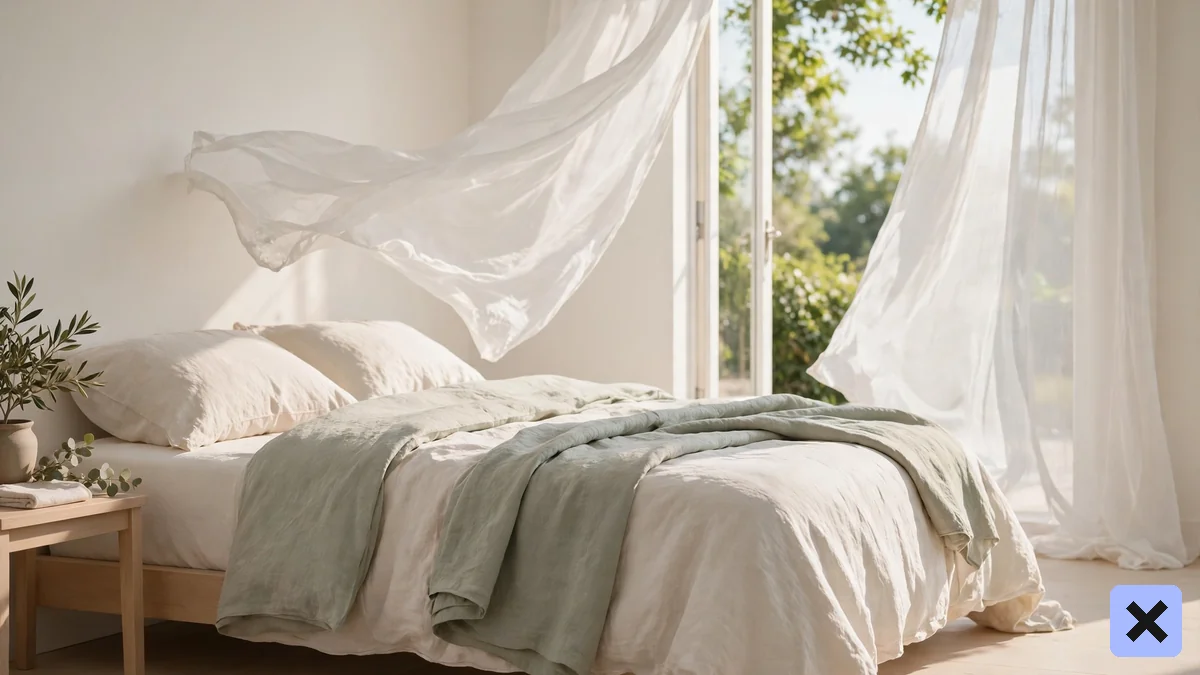
The best duvet covers for summer 2026 are light, breathable, and genuinely cool to the touch, and they make the difference between a restless, sweaty night and the kind of deep sleep that leaves you feeling properly rested. When the temperature climbs, a thick winter cover traps heat against your skin. A summer cover does the opposite: it lets air move, wicks away moisture, and feels fresh from the moment you slip into bed.
Choosing the right one is trickier than it sounds. Some covers look light and airy but are woven so tightly that they hold heat. Others are beautifully cool but wrinkle badly, shrink in the wash, or lose their softness after a few months. The weave, the fibre, and the weight all play a part in how cool you will feel at three in the morning.
This guide brings together the strongest summer duvet covers for 2026, from crisp cotton percale to relaxed European linen and silky bamboo lyocell. We compared breathability, weight, feel, washability, and value, so whether you sleep hot every night or just want a lighter layer for the warmest months, you will find a winner here.
Key Takeaways
- The best summer duvet covers use breathable natural fibres like cotton percale, linen, or bamboo lyocell.
- Crisp, low thread count weaves sleep cooler than dense, high thread count sateen.
- Look for a lightweight cover under 400 grams per square metre so it drapes without trapping heat.
- Natural, lightly coloured covers stay cooler and wash more easily than dark, heavily dyed ones.
- Machine washable covers in cotton or lyocell are far easier to live with through a hot summer.
What Makes a Great Summer Duvet Cover
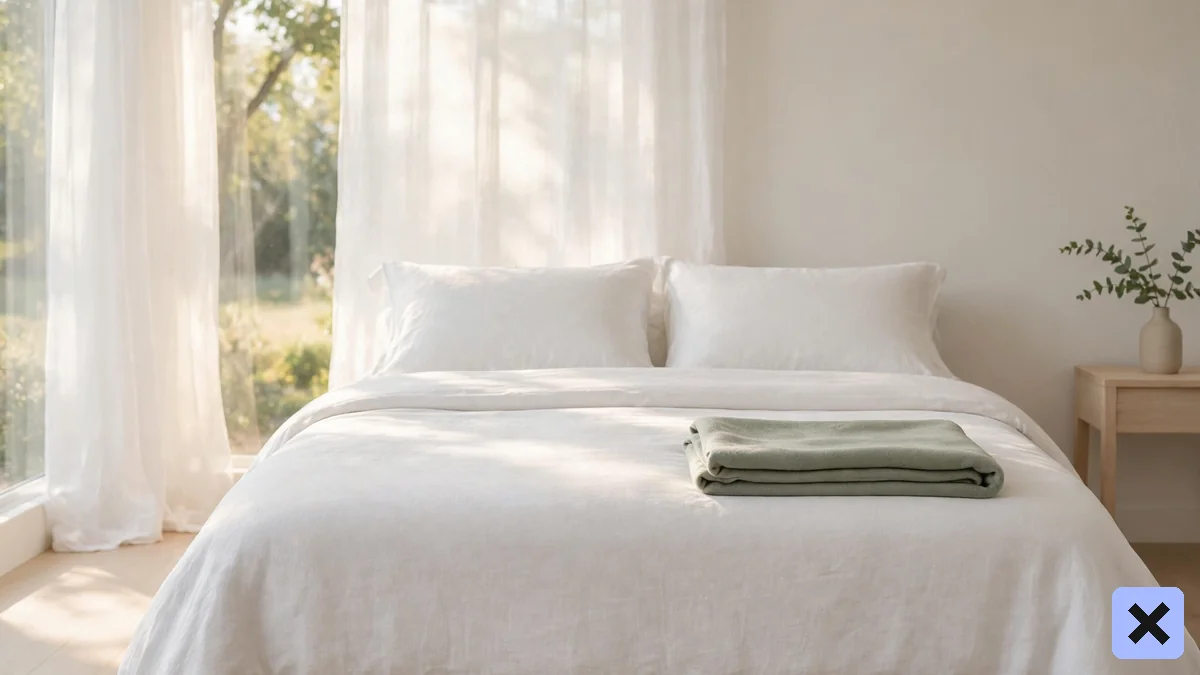
A summer duvet cover has one job above all else: keep you cool. The fibre decides how much moisture the fabric can absorb and release, the weave decides how much air can pass through, and the weight decides whether the cover feels like a light sheet or a heavy blanket. Get all three right and the cover almost disappears.
Breathability Comes First
Breathability is the single most important quality in a summer duvet cover. Natural fibres such as cotton, linen, and bamboo lyocell absorb moisture from your skin and release it into the air, which is exactly what keeps you cool when the room is warm. Synthetics like polyester and microfibre do the opposite: they trap moisture against your skin, which is why they feel clammy on a hot night. The weave matters just as much as the fibre. Percale is woven in a simple one-over, one-under pattern that leaves tiny gaps for air to pass through, which is why it feels so crisp and cool. Linen has a looser, more open weave that lifts the fabric slightly off your skin.
Weight Matters More Than You Think
A heavy duvet cover defeats the purpose of a summer setup, even if the fabric itself is breathable. Thick, heavy covers press down on you and block the airflow that keeps you cool. The best summer covers are noticeably light in the hand, usually well under 400 grams per square metre, and they drape loosely rather than sitting flat and heavy on the bed. A light cover also shifts easily when you move in your sleep, while a heavy one can feel restrictive and make you overheat simply from the effort of moving it.
The Right Closure and Fit
Small details make a real difference in summer. Corner ties or snaps inside the cover keep the duvet from bunching up, which matters more in warm weather because a bunched duvet creates hot spots. A button or zip closure at the foot of the bed keeps everything in place without adding bulk. Fit matters too: a cover that is too small will pull tight and trap air, while one that is too large will slide around. Check the measurements carefully, and remember that natural fibres can shrink slightly in the first wash.
The Best Duvet Covers for Summer 2026
These are the covers that stood out for coolness, comfort, durability, and value this summer. Each one earns its place for a different reason, so there is a strong option here whatever your budget and whatever kind of sleeper you are.
Best Overall: Crisp Cotton Percale
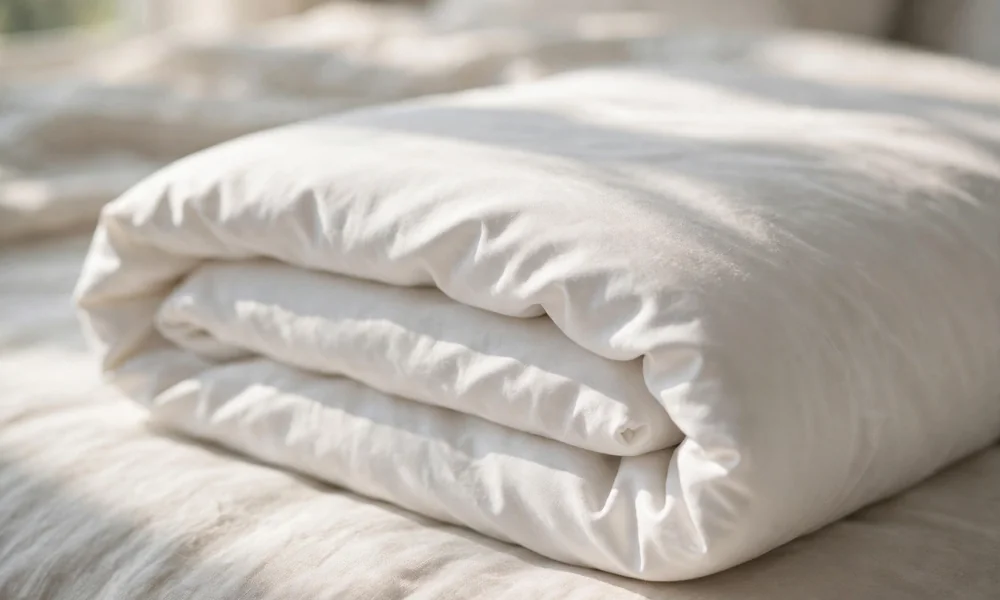
Cotton percale is the classic summer choice, and for good reason. Its plain weave feels cool and matte against the skin, it washes beautifully, and it gets softer with every wash without losing its crispness. A good percale cover in the 200 to 300 thread count range is the sweet spot: low enough to breathe freely, high enough to feel smooth and substantial rather than thin. It does not cling or pill easily, and it dries quickly on the line, which is a real advantage when you wash bedding more often in hot weather.
Best for Hot Sleepers: European Linen
If you sleep hot, linen is the fabric most likely to change your nights. It absorbs far more moisture than cotton and releases it quickly, and its open weave lets air circulate freely. A linen duvet cover feels cool the moment you touch it, and it stays cool because the fabric does not hold heat against your body. Linen has a relaxed, slightly wrinkled look that suits a casual bedroom, and it softens dramatically over the first few months of use. It is also one of the most durable bedding fabrics, which makes the higher price easier to justify.
Best Silky Feel: Bamboo Lyocell
Bamboo lyocell, often sold as bamboo viscose, has a smooth, almost silky feel that is cooler than cotton sateen without the heat-trapping weave. It drapes beautifully, feels gentle on sensitive skin, and wicks moisture away from the body very effectively. If you like the smooth feel of sateen but find it too warm in summer, bamboo lyocell is the natural replacement. It is also naturally resistant to odour, and it washes well in cool water. Look for 100 percent bamboo lyocell rather than blends with polyester, since blends lose much of the cooling benefit.
Best Budget Pick: Lightweight Cotton Voile
Cotton voile is a finely woven, semi-sheer cotton and one of the lightest bedding fabrics you can buy. A voile duvet cover feels barely there, which is exactly what you want on the hottest nights of the year, and it is one of the most affordable ways to get a genuinely cool cover. It is not as durable as percale, so it suits a guest room or a second cover rotated through the season rather than daily use all year.
Best Luxury Pick: Washed Belgian Linen
Washed Belgian linen is the premium end of summer bedding. The washing process softens the fibres before the cover ever reaches your bed, so it feels broken in from day one, with a gentle, lived-in texture that no other fabric quite matches. It is breathable, moisture wicking, and remarkably strong, and it only gets softer with time.
Summer Duvet Cover Fabrics Compared
The right fabric depends on how hot you sleep, how much you want to spend, and how much care you are willing to give your bedding. This table compares the main summer fabrics side by side.
| Fabric | Cooling | Feel | Care | Price |
|---|---|---|---|---|
| Cotton percale | Excellent | Crisp, matte | Machine wash, easy | Mid-range |
| European linen | Outstanding | Textured, relaxed | Machine wash, line dry | Higher |
| Bamboo lyocell | Excellent | Smooth, silky | Cool wash, gentle | Mid-range |
| Cotton voile | Very good | Light, floaty | Cool wash, delicate | Budget |
| Washed Belgian linen | Outstanding | Soft, lived-in | Machine wash, line dry | Premium |
| Cotton sateen | Fair | Smooth, silky | Machine wash, easy | Mid-range |
The fabrics that sleep coolest are the ones with open weaves and natural fibres. Sateen is the outlier here, but its tight weave makes it the weakest summer performer despite its smooth feel. If you already own a sateen cover, save it for spring and autumn and switch to percale or linen for the hottest months.
How to Choose the Right Summer Duvet Cover
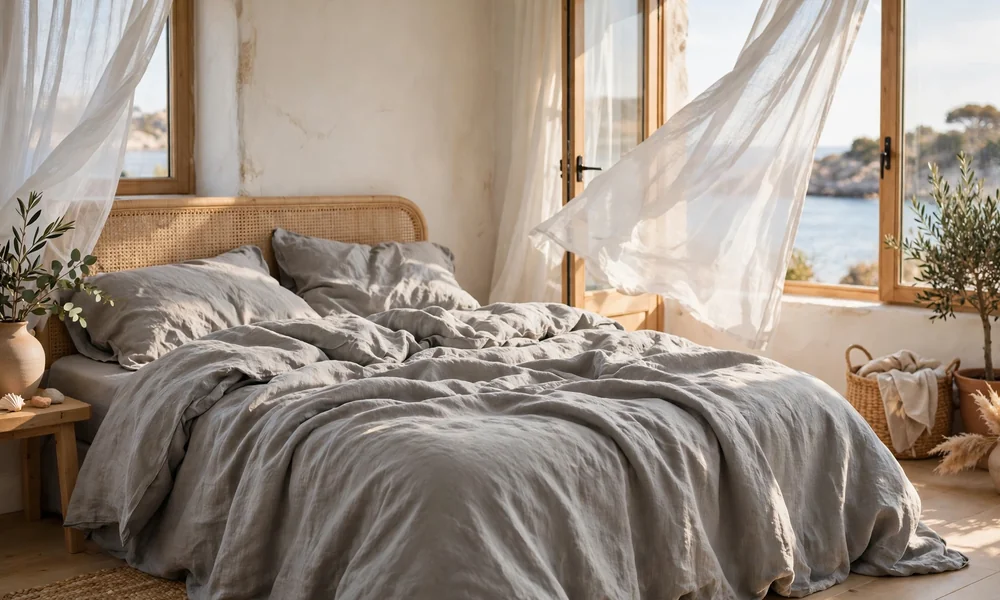
Start with how you sleep. Hot sleepers should go straight to linen or bamboo lyocell, since these fabrics move moisture away from the body fastest. If you sleep at a normal temperature, cotton percale is the safest all-round choice. Next, think about your bedroom. A room that gets strong afternoon sun will stay warmer at night, so a lighter fabric and a pale colour will help. Pairing your new cover with the best curtains for bedrooms can make a real difference too, since the right curtains keep the worst of the daytime heat out of the room. Finally, consider care: percale is the easiest to live with, while linen needs a gentler wash and line drying.
Summer Duvet Cover Checklist
Use this checklist before you buy.
- Choose a natural fibre: cotton, linen, or bamboo lyocell, never polyester or microfibre.
- Pick an open weave like percale or linen rather than a tight sateen weave.
- Check the weight and aim for a light cover under 400 grams per square metre.
- Measure your duvet and allow a little extra room for natural shrinkage after washing.
- Look for corner ties and a zip or button closure to keep the duvet in place.
- Choose a pale colour that reflects heat and stays looking fresh in strong sunlight.
Caring for Your Summer Duvet Cover
Summer bedding gets washed more often than winter bedding, so easy care matters. Wash cotton percale and voile in cool or warm water with a mild detergent, and avoid fabric softener, which coats the fibres and reduces breathability. Linen and bamboo lyocell prefer cool water and a gentle cycle, and both dry best on the line.
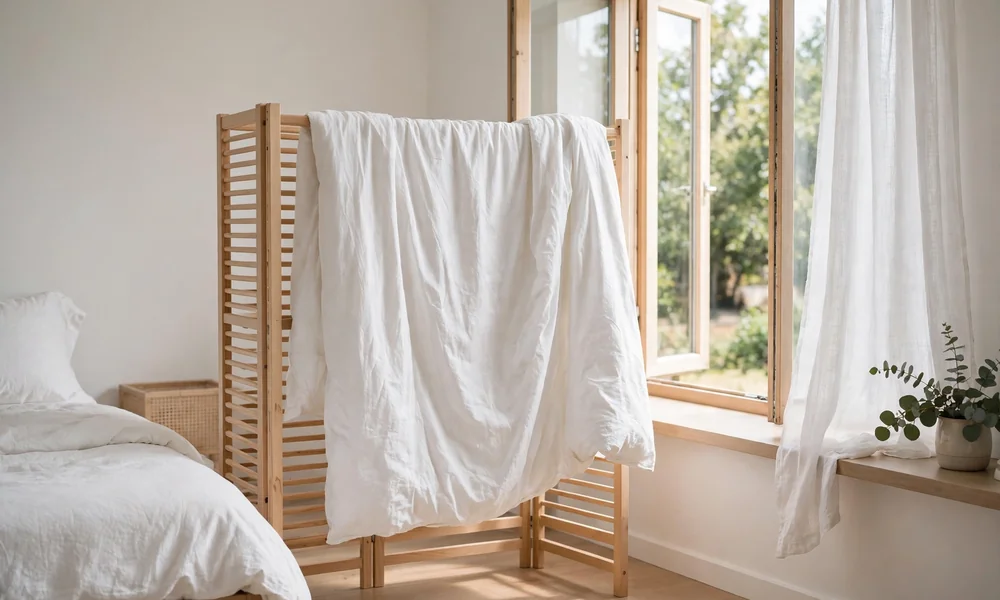
Line drying is worth the effort in summer: it is gentler than a tumble dryer, saves energy, and the sun freshens the fabric naturally. It also helps to have a second cover in rotation, so one is always on the bed while the other is in the wash.
Choosing Bedding That Works Together
A duvet cover is only part of a cool summer bed. The sheets underneath it matter just as much, and the same rules apply: natural fibres, open weaves, and light colours. A percale sheet set under a linen cover is a classic combination that sleeps cool and looks relaxed. Pillows deserve the same attention, so look for breathable fills and cotton or linen pillowcases. The best throw pillows for bedrooms add colour without adding heat, since they come off at night.
Frequently Asked Questions
What is the coolest duvet cover fabric for summer?
Linen is generally the coolest, thanks to its open weave and high moisture absorption. Cotton percale and bamboo lyocell are close behind.
Should I use a duvet cover without a duvet in summer?
Yes, many people use a duvet cover on its own as a light top sheet in very hot weather. A percale or voile cover works particularly well for this because it is so light and breathable.
What thread count is best for a summer duvet cover?
For cotton percale, a thread count of 200 to 300 is ideal for summer. Lower counts breathe better, while counts above 400 tend to feel warmer because the weave is denser. With linen, thread count matters less than the quality of the flax.
Do linen duvet covers get softer over time?
Yes, linen softens noticeably with every wash, and most owners say their cover is far more comfortable after a few months than it was on day one.
How often should I wash a summer duvet cover?
In hot weather, washing your duvet cover once a week is a good rule, and more often if you sweat heavily at night. Regular washing keeps the cover fresh and breathable.
Can I use my winter duvet cover in summer?
You can, but it is unlikely to feel comfortable. Winter covers are usually made from denser, heavier fabrics like sateen or flannel that trap heat. A mid-weight percale is the best year-round compromise, but a dedicated summer cover will always sleep cooler. The best duvet covers for winter use exactly the opposite qualities: heavier weaves, warmer fibres, and a closer fit that holds heat in.
The Bottom Line
The best duvet covers for summer 2026 are the ones that let your body breathe: crisp cotton percale for reliable all-round coolness, European linen for hot sleepers, and bamboo lyocell for a silky feel without the heat. Choose a natural fibre, an open weave, and a light weight, and your bed will stay cool and comfortable through the hottest nights of the year.