
Top After-Shaves for Calm Skin in 2026
The best after-shave is the product that makes the difference between a shave you forget about by breakfast and one that stings, burns and itches all day. A good after-shave calms the skin the razor has just scraped, replaces the moisture shaving strips away, and leaves your face feeling cool and comfortable instead of tight and raw. A bad one stings on contact, dries the skin out further, and turns a small nick into an angry red patch.
After-shave matters because shaving is, by nature, a small injury. A blade drags across the skin, removes a thin layer of cells along with the hair, and leaves tiny openings where moisture escapes and irritation gets in. What you put on your face in that first minute matters most, because the skin is at its most open and reactive.
Key takeaways
- After-shave exists to calm, hydrate and protect freshly shaved skin, not to sting it — a burning sensation is a warning, not a sign it is working.
- Balms suit dry and sensitive skin, splashes suit oily skin, and gels sit in the middle, so the format matters as much as the brand.
- Alcohol-heavy after-shaves dry the skin and worsen razor burn, while aloe, glycerin, allantoin and niacinamide genuinely soothe it.
- Apply after-shave to clean, slightly damp skin, using a small amount patted on gently rather than rubbed in hard.
- If your skin stays red, bumpy or sore for hours after every shave, the after-shave is only part of the problem — your razor, your technique and your shaving cream matter too.
What after-shave actually does
An after-shave has three jobs. First, it calms the skin: the razor leaves the surface warm and sensitive, and soothing ingredients bring that reaction down instead of adding to it. Second, it replaces moisture: shaving and hot water strip the skin’s natural oils, and an after-shave puts a light layer of hydration back before the skin dries out. Third, it protects: the tiny nicks left by the blade are open to bacteria, and a clean formula helps keep them clean while the skin repairs itself.
What an after-shave is not is a disinfectant for the whole face, a cologne, or a moisturiser on its own. The old idea of splashing on something that burns comes from a time when after-shaves were mostly alcohol and scent, and the sting was mistaken for proof that it was working. Modern formulas do the same protective job without the punishment. Scent is a bonus, not the point: a pleasant smell that fades in an hour is fine, but a strong fragrance that lingers is a reason to choose something else.
Balm vs splash vs gel vs lotion
| Format | Feel on the skin | Best for | Watch out for |
|---|---|---|---|
| Balm | Creamy, rich, sinks in slowly | Dry, sensitive and mature skin | Heavy balms can feel greasy on oily skin |
| Splash | Thin, watery, dries fast | Oily skin, hot weather, quick mornings | Many splashes are high in alcohol |
| Gel | Cool, light, slightly tacky at first | Combination skin, warm climates | Some gels contain menthol that irritates |
| Lotion | Light cream, absorbs quickly | Normal skin, everyday use | Fragrance is often strongest here |
Get the format right before you worry about the brand. A balm is the most forgiving choice for dry or reactive skin, because it leaves a thin protective layer behind. A splash feels the most refreshing on a hot morning, but it evaporates quickly and does little to moisturise, which is why it suits oily skin best. Gels are the middle ground for combination skin, and lotions are the everyday all-rounders.

The ingredients that calm skin
Aloe vera is the ingredient to look for first, because it is the most reliable soother in an after-shave. It cools the skin on contact, reduces the redness that follows a close shave, and hydrates without leaving a greasy film. Glycerin pulls moisture into the skin and holds it there, which is why it appears in almost every good formula. Allantoin helps the skin repair its surface and calms the itching that comes with razor burn.
Niacinamide strengthens the skin barrier, which is exactly what a freshly shaved face needs, and it reduces redness over time rather than just covering it up for an hour. Witch hazel is worth looking for too, as long as it is the alcohol-free kind: it tightens the skin gently without the drying effect of alcohol. Panthenol, also listed as vitamin B5, helps the skin hold moisture and recover.
The ingredient to be careful with is alcohol, usually listed as alcohol denat or ethanol. In small amounts it helps a splash dry quickly, but in large amounts it strips the skin, stings every nick, and leaves the face drier than before. Strong fragrance is the other common troublemaker: it adds nothing to performance, and on freshly shaved skin it is a likely cause of lingering redness. Menthol feels wonderfully cool for a minute, but on sensitive skin it can keep the irritation going.
Matching after-shave to your skin
Dry skin
Dry skin needs a balm, every time you shave. Look for shea butter, glycerin and squalane, and avoid anything that lists alcohol near the top of the ingredients. Apply the balm while the skin is still slightly damp, because damp skin holds moisture far better than dry skin does. If your face still feels tight an hour later, follow with a plain moisturiser.
Oily skin
Oily skin does best with a splash or a light gel, because a heavy balm can leave it looking shiny by midday. Look for witch hazel and niacinamide, which calm the skin and keep oil in check without stripping it. The temptation is to use the harshest splash available, but that backfires: skin stripped of oil produces more of it to compensate.
Sensitive skin
Sensitive skin needs the simplest formula you can find: fragrance-free, alcohol-free, and short on ingredients you do not recognise. A plain balm with aloe, allantoin and glycerin is the safest starting point, and test any new product on a small patch, such as the jawline, before using it on your whole face.

How to apply after-shave so it works
The order matters. Rinse your face with cool water after shaving, not hot, because cool water calms the skin and closes the pores. Pat the skin dry gently, leaving it slightly damp rather than bone dry. Wash your hands, then squeeze a pea-sized amount of balm, or a small splash of liquid, into your palm. Warm it between your hands, then press it onto the shaved skin and pat it in, instead of rubbing in circles.
Rubbing is the mistake most people make, because freshly shaved skin is already irritated and friction only adds to it. Give it a minute to sink in before you put anything else on your face, and let the after-shave settle first so later layers do not pill. A little goes a long way: a thin, even layer soothes better than a thick one, and using too much is the most common reason a balm feels greasy.
Mistakes that make razor burn worse
The first mistake is shaving against the grain on the first pass, which scrapes the skin raw and guarantees irritation no matter what after-shave you use. Shave with the grain first, and only go against it on a second pass if your skin tolerates it. The second mistake is pressing too hard: a sharp blade needs almost no pressure, and pressing down is what causes nicks and redness.
The third mistake is shaving dry skin, or with a blunt blade, both of which turn a routine shave into an ordeal. The fourth is using after-shave on dirty skin, so rinse well before you apply it. The fifth is treating after-shave as a substitute for a moisturiser: it is a light first step, not a full day of hydration. Finally, do not shave every day if your skin cannot take it. Skipping a day gives the skin time to recover.
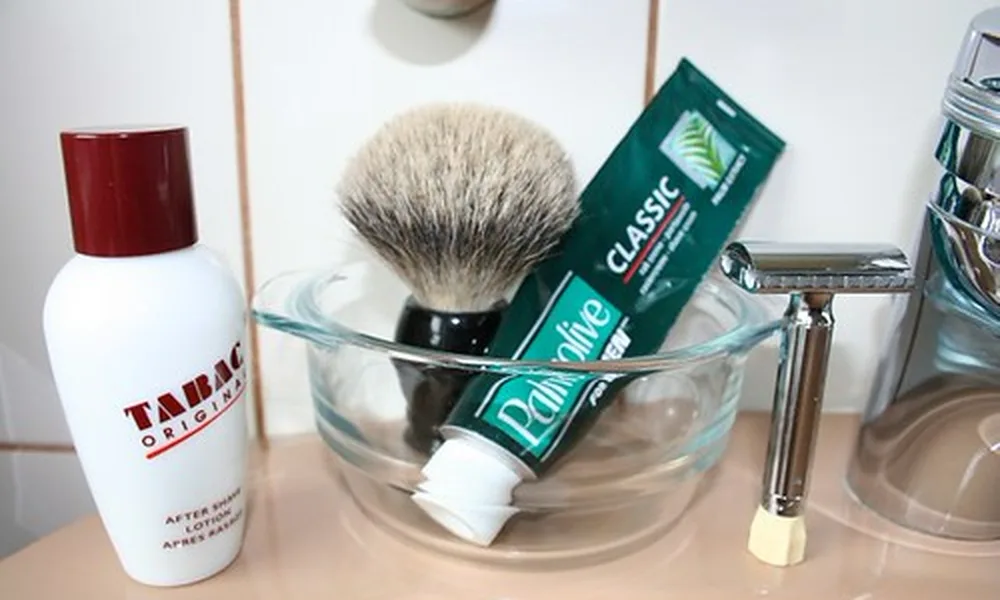
After-shave and the rest of your routine
After-shave is only one part of a calm shave, and the rest of the routine decides how much work it has to do. A good razor matters more than any bottle: a sharp, clean blade glides, while a dull one drags, and no after-shave can undo the damage of a blunt edge. Our guide to the best and worst shavers of 2026 explains which types suit sensitive skin and which ones are most likely to leave you sore.
If you keep a beard or trim it regularly, the skin underneath needs care too: clean the area, trim with a sharp tool, and soothe afterwards. Our guide to beard trimmers that keep your beard sharp in 2026 covers the tools that cut cleanly without pulling. Your daily moisturiser does the longer job of keeping the barrier strong between shaves, and our guide to why the right moisturizer changes everything explains how to choose one that suits your skin.
Checklist: choosing your after-shave
- Pick the format for your skin: balm for dry or sensitive skin, splash or gel for oily skin, lotion for normal skin.
- Check the label for aloe, glycerin, allantoin or niacinamide, and be wary of alcohol high on the list.
- Choose fragrance-free if your skin reacts easily, and patch-test any new product on your jawline first.
- Apply a pea-sized amount to clean, slightly damp skin, patting it in gently instead of rubbing.
- Pair it with a sharp razor and a good shaving cream, because no after-shave rescues a bad shave.
- Follow with a plain moisturiser if your skin still feels tight an hour after shaving.
Frequently asked questions
Should after-shave sting?
A brief tingle is normal with some splashes, but a sharp sting that lasts means the formula is too harsh, usually because of alcohol or fragrance. A good after-shave should feel cool and calm within a minute.
Can I use after-shave on my whole face?
Yes, on the areas you shaved, and on the rest of the face too as long as the formula suits your skin. Keep it away from your eyes, and avoid broken skin, where even a gentle product will sting.
Is a balm better than a splash?
It depends on your skin. Balms are better for dry and sensitive skin because they moisturise and protect, while splashes suit oily skin and hot weather. Neither is better in general, only better for a particular face.
Do I still need a moisturiser after after-shave?
Often, yes. After-shave is a light first step, but dry and mature skin usually needs a proper moisturiser on top, applied once the after-shave has had a minute to settle.
Can women use after-shave?
Yes. After-shave is for any skin that has just been shaved. The same rules apply: choose the format for your skin type, look for soothing ingredients, and avoid heavy fragrance on freshly shaved skin.
How long does a bottle of after-shave last?
Most bottles last six to twelve months once opened if stored somewhere cool and dry. Throw it away if it smells sharp or stale, changes colour, or starts to sting when it never used to.
The bottom line
The top after-shaves for calm skin in 2026 soothe instead of sting: a balm with aloe and glycerin for dry or sensitive skin, a light splash or gel for oily skin, and a fragrance-free formula whenever your skin reacts easily. Apply a small amount to clean, damp skin, pat it in gently, and let a sharp razor do the rest.


