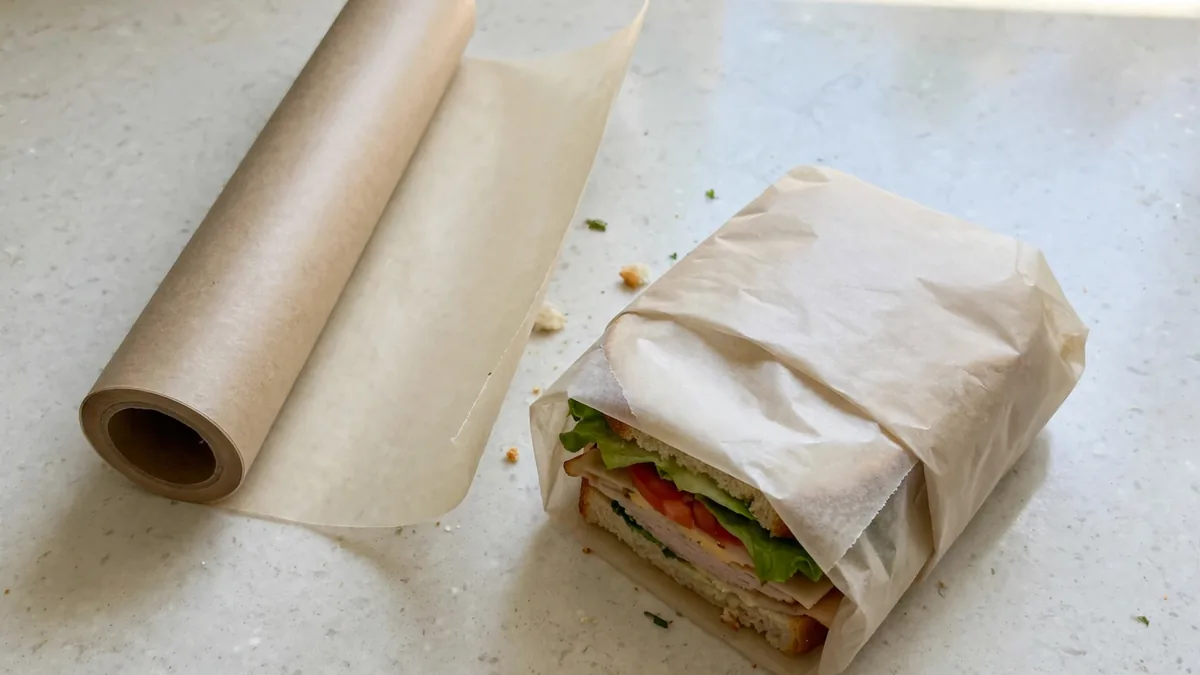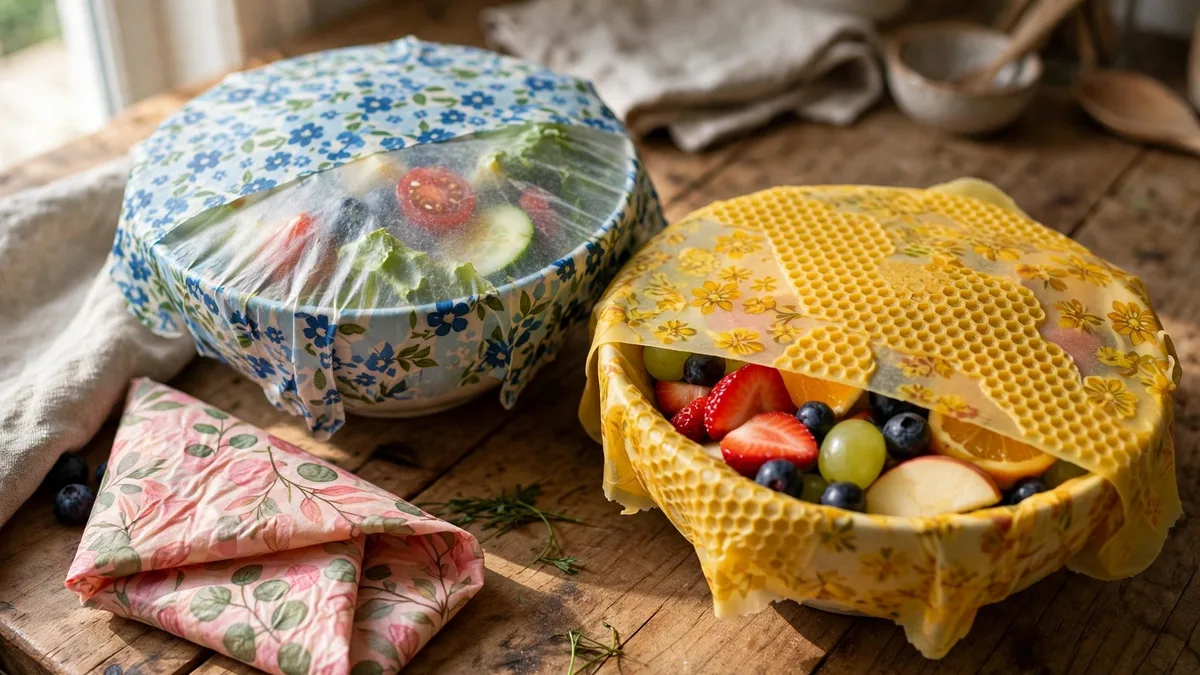
Why beeswax wraps are worth trying in 2026 comes down to one simple fact: they do the everyday job of plastic wrap without throwing anything away. A beeswax wrap is a sheet of cotton cloth coated in beeswax, tree resin, and a little plant oil, and it seals around a bowl or a piece of food with the warmth of your hands. It keeps a cut lemon fresh, a block of cheese from drying out, and a bowl of leftovers covered until lunch, and when it gets grubby you wash it, dry it, and use it again. The best beeswax wraps of 2026 last for months, seal firmly without sticking to themselves, and cost less over a year than the rolls of plastic wrap they replace.
Key Takeaways
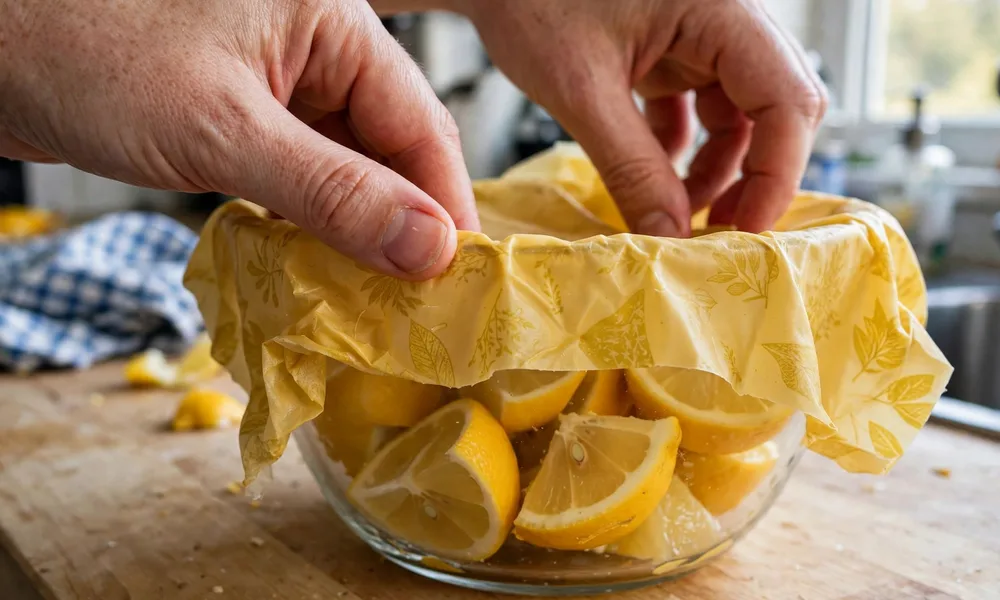
- Beeswax wraps seal with the warmth of your hands, so press the wrap around a bowl or food for a few seconds and let it cool into shape.
- A good wrap lasts six to twelve months with regular use, which makes it cheaper over time than buying roll after roll of plastic wrap.
- Beeswax wraps suit cold food, cheese, bread, fruit, and covering bowls, but they are not for raw meat, hot food, or the microwave.
- Thicker wraps seal more firmly and last longer, while thinner wraps are easier to fold around small or awkward shapes.
- Wash wraps in cool water with mild soap, air-dry them, and replace them when the wax coating wears thin or stops sealing.
What Is a Beeswax Wrap, and How Does It Work
A beeswax wrap is a piece of cotton fabric infused with a blend of beeswax, tree resin, and jojoba or coconut oil. The wax gives the cloth its structure and its seal: at room temperature the wrap is firm and slightly tacky, and the warmth of your hands softens it just enough to mould around a bowl rim, a half onion, or a block of cheese. As it cools, it holds its shape and forms a breathable seal that keeps moisture in and air out, without the airtight grip of plastic. That breathability is part of the point. Cheese, bread, and fresh produce last well under a wrap that lets a little air through, while a fully airtight seal can trap moisture and speed up spoilage. The resin adds stickiness, the oil keeps the fabric flexible, and the cotton gives the wrap its strength. If you are comparing wraps with the disposable option they replace, our guide to what makes great plastic wrap in 2026 explains what plastic wrap does well, and where a reusable wrap wins on cost and waste.
How We Judged the Best Beeswax Wraps
We judged beeswax wraps the way they are actually used: pressed over a bowl of leftovers, folded around half a lemon, wrapped around a sandwich, and washed in the sink afterwards. Seal strength came first. A good wrap should grip a smooth bowl rim with a light press and stay put in the fridge, without sliding off or peeling back at the edges. After sealing came durability: how many washes the wrap survives before the wax thins and the seal weakens. We also looked at flexibility, because a wrap that is too stiff will not fold around small or awkward shapes, while one that is too thin tears easily. Size range mattered too, since a useful set needs small wraps for lemons and jars, medium wraps for sandwiches and bowls, and large wraps for loaves of bread and big salad bowls.
Beeswax Wraps 2026 at a Glance
| Best for | Wrap type | Standout strength |
|---|---|---|
| Best overall | Thick cotton, beeswax and resin | Strong seal, long life, and easy washing |
| Best for cheese | Medium wrap with firm wax coating | Breathable seal that stops cheese drying out |
| Best for bread | Large wrap, flexible weave | Wraps a whole loaf without cracking |
| Best for small items | Small wraps, thin and pliable | Folds neatly around lemons, jars, and snacks |
| Best value set | Mixed-size pack of three | Covers most jobs at a fair price |
The Best Beeswax Wraps of 2026
Best Overall: Thick Cotton Wraps With Beeswax and Resin
The best all-round beeswax wraps use a thick cotton cloth coated in a generous layer of beeswax and tree resin, and that thickness is what makes them reliable. They seal firmly around a bowl with a few seconds of hand warmth, they hold their shape in the fridge, and they survive months of washing without the wax wearing thin. The best versions are easy to wash: a rinse in cool water with a drop of mild soap, a quick air-dry, and they are ready to use again.
Best for Cheese: Medium Wraps With a Firm Wax Coating
Cheese is where beeswax wraps earn their keep, because cheese needs to breathe. Wrapped in plastic, cheese sweats and picks up a damp, sour smell; left uncovered, it dries out and hardens at the edges. A beeswax wrap gives cheese the middle ground: a breathable cover that keeps moisture in without trapping it, so a block of cheddar stays firm and flavourful for days longer than it would in an open fridge. Choose a medium wrap with a firm wax coating, and fold it around the cheese like an envelope rather than scrunching it tight. If you store a lot of cheese, keep one wrap aside just for that job, and pair it with a good herb keeper for the fresh herbs in your fridge; our guide to the best herb keepers of 2026 covers the containers that keep herbs crisp for weeks.
Best for Bread: Large Flexible Wraps
A loaf of bread is the hardest shape for a wrap to handle, because it is large, uneven, and needs a cover that folds without cracking. The best bread wraps are large, usually at least 35 centimetres across, and made from a flexible cotton weave that bends easily around a crusty loaf. Thinner wraps work better here than the thickest ones, since a very stiff wrap cracks at the folds and leaves gaps where air gets in. Beeswax wraps keep bread fresh for two or three days, which is about as long as a good loaf lasts at its best anyway, and they are far kinder to a crust than a plastic bag, which traps moisture and turns it soft.
Best for Small Items: Small Thin Wraps
Small wraps are the unsung heroes of the beeswax world. A wrap the size of your hand is perfect for half a lemon, half an avocado, a small jar, or a snack for a lunchbox, and it folds neatly without the excess fabric that makes a large wrap awkward on a small job. Choose thin, pliable wraps for this size, since flexibility matters more than thickness when you are folding around a curved or uneven shape. The only job to avoid is covering anything hot or greasy, since heat melts the wax and fat can be hard to wash out of the cloth.
Best Value Set: A Mixed-Size Pack of Three
If you are trying beeswax wraps for the first time, a mixed-size pack of three is the sensible place to start. You get a small wrap for lemons and jars, a medium wrap for sandwiches and bowls, and a large wrap for bread and salads, which covers most everyday jobs without a big upfront cost. Judge value by checking the wax coating: press the wrap between your fingers and see whether it feels evenly coated, with no bare patches of dry cloth. A good value set should last six months or more with regular washing, and if it does, it will have paid for itself many times over compared with buying plastic wrap.
What Beeswax Wraps Cannot Do
Beeswax wraps are genuinely useful, but they have limits, and knowing them keeps your food safe. They are not for raw meat or raw fish, because the cloth cannot be washed hot enough to be safe after contact with raw meat juices, and the wax would melt in hot water anyway. They are not for hot food either: let leftovers cool before you cover them, or the heat will soften the wax and leave it on your food. They also cannot match plastic wrap for a truly airtight seal, which matters for foods that dry out quickly. For those jobs, a reusable container or a freezer bag is the better tool, and our guide to the best freezer bags of 2026 covers the bags that keep food freshest in the freezer.
Washing and Looking After Your Wraps
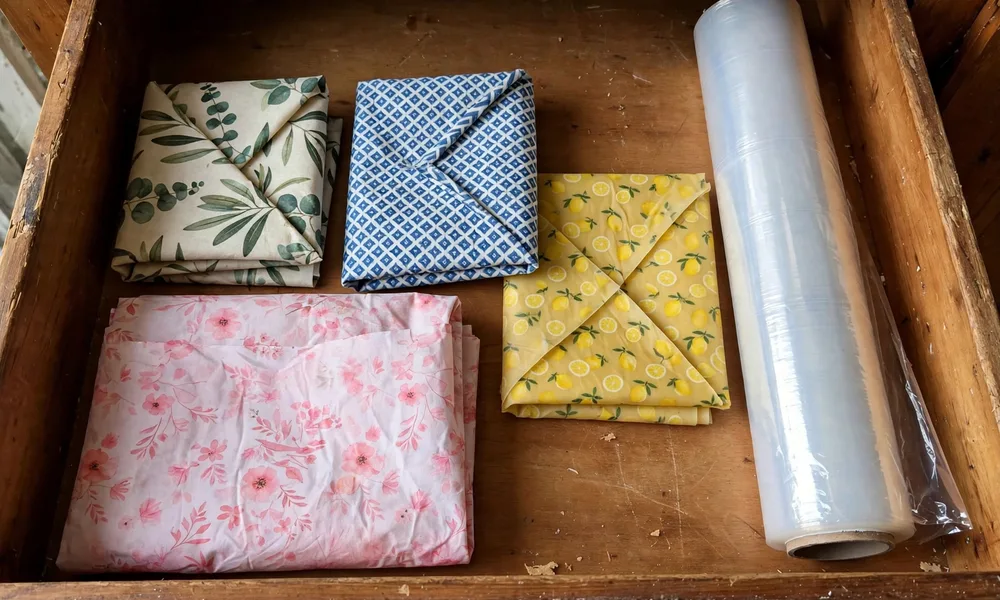
Washing a beeswax wrap is simple, but the details matter. Use cool water and a drop of mild washing-up liquid, rub the wrap gently with your hands or a soft cloth, rinse it, and hang it up or lay it flat to air-dry. Never use hot water, which melts the wax off the cloth, and never put a wrap in the dishwasher, the washing machine, or the microwave. Store wraps flat or loosely rolled in a drawer, away from direct heat and sunlight, and they will keep their shape and their seal for months. A wrap is ready to replace when the wax looks thin and patchy, the cloth feels dry rather than tacky, or the seal no longer holds on a smooth bowl.
Your Beeswax Wrap Checklist
- Buy a mixed-size set first, so you have the right wrap for bowls, sandwiches, cheese, and bread.
- Press the wrap with warm hands for a few seconds to seal it, and let it cool before you move the bowl.
- Use wraps for cold food, cheese, bread, fruit, and covering bowls, never for raw meat or hot food.
- Wash in cool water with mild soap, air-dry flat, and never use hot water or the dishwasher.
- Store wraps flat in a drawer away from heat and sunlight to keep the wax coating even.
- Replace a wrap when the wax wears thin, the cloth feels dry, or the seal stops holding on a smooth bowl.
Frequently Asked Questions
How long do beeswax wraps last?
With regular use and proper washing, a good beeswax wrap lasts six to twelve months. Thicker wraps with a generous wax coating last longest, while thin wraps used daily may need replacing sooner.
Are beeswax wraps safe for food?
Yes, provided they are made with food-safe beeswax, tree resin, and plant oil, and used as intended. Use them for cold food, cheese, bread, fruit, and covering bowls.
Can I put beeswax wraps in the microwave?
No. Heat melts the wax, so beeswax wraps should never go in the microwave or the oven, and should never be used to cover hot food.
How do I wash beeswax wraps?
Wash them in cool water with a drop of mild soap, rub gently, rinse, and air-dry flat.
Do beeswax wraps keep food fresh as long as plastic wrap?
For cheese, bread, and fresh produce, they often keep food fresh longer, because the breathable seal stops moisture building up. For foods that need a completely airtight seal, plastic wrap or a reusable container works better.
Can I refresh an old beeswax wrap?
Yes, if the cloth is still in good shape. Sprinkle a little grated beeswax over the wrap, place it on baking paper in a warm oven for a few minutes until the wax melts evenly, then hang it to cool.
The Bottom Line
Beeswax wraps are worth trying in 2026 because they replace the plastic wrap you use most often with something that lasts for months, costs less over time, and keeps cheese, bread, and leftovers fresh without a bin full of torn plastic. Buy a mixed-size set, use it for cold food and covering bowls, wash it in cool water, and keep a roll of plastic wrap for the few jobs that need an airtight seal.