
A bowling ball is the one piece of equipment every bowler touches on every single shot, and it is also the piece most people choose badly. House balls are drilled for nobody in particular, they are scuffed, they are the wrong weight more often than not, and they roll straight whether you want them to or not. Your own ball changes the game completely. It fits your hand, it weighs what you can actually control, and its surface grips the lane the way you want it to. The best bowling balls of 2026 are not the flashiest ones on the rack, and they are not the most expensive. They are the balls that match your hand, your speed, and the way you actually bowl, and that keep doing it week after week.
Bowling has the same easy, social pull as a night in with the best board games — anyone can join in, nobody needs a lesson first, and the fun is in the playing rather than the gear. But once you bowl more than a few times a year, the gear starts to matter. A ball that fits lets you relax your grip, and a relaxed grip lets you repeat the same delivery shot after shot. That repeatability is what turns a lucky strike into a reliable average, and it is worth more than any single feature printed on the box.
What Makes a Bowling Ball Good
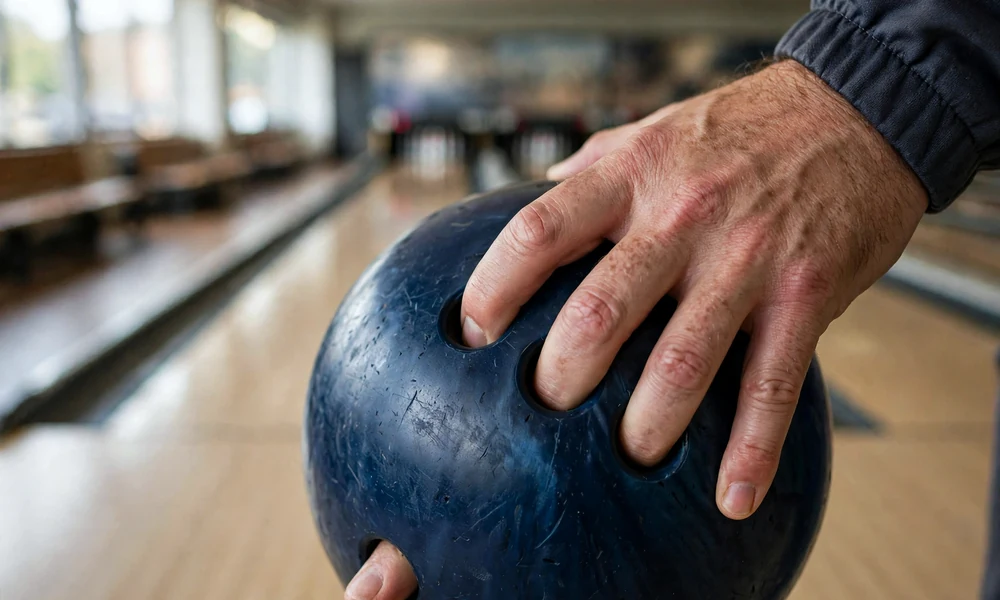
The first thing to judge is fit. A ball drilled for your hand lets your fingers sit in the holes without stretching or squeezing, and your thumb slides out cleanly at release instead of sticking or slipping early. If you have to grip the ball hard to hold on to it, you will muscle every shot, your arm will tire, and your accuracy will fall apart by the third game. A good fit feels almost loose in the hand until the moment of release, and that is exactly how it should feel.
The Main Types of Bowling Ball
Plastic, or polyester, balls are the simplest kind. They have a hard, smooth cover that slides over the lane with very little friction, so they travel in a straight line and barely hook at all. That makes them ideal for picking up spares, especially the ten pin, and for bowlers who throw straight by choice. They are also the cheapest balls you can buy, they last for years with almost no maintenance, and they come in every colour imaginable. Their weakness is obvious: on oily lanes they slide too far and hit the pocket weakly, and they give an experienced bowler nothing to work with when the lanes dry out.
Reactive resin balls are the most popular choice for league bowlers, and for good reason. Their coverstock is made with resin additives that grip the lane far harder than urethane, especially once the ball reaches the dry back end of the lane. The result is a strong, sharp hook and a hard angle into the pocket, which knocks pins down with more force and carries strikes that a straighter ball would leave standing. Modern reactive balls come in solid, pearl, and hybrid versions: solid covers read the lane early and smooth, pearl covers skid further and snap harder at the back, and hybrids split the difference. The trade-off is that reactive balls are more sensitive to lane conditions and need more maintenance, because oil soaks into the cover and dulls the reaction over time.
Weight: How Heavy Should Your Ball Be
Weight is the decision most new bowlers get wrong, and it is almost always because they pick too heavy. A sixteen-pound ball sounds like the serious choice, and it does hit the pins harder, but only if you can throw it with the same speed and timing as a lighter ball. If the extra weight slows your approach, drags your arm down, or makes you grip tighter, you lose more pins to poor shots than you gain from the extra mass. The pins do not care how heavy the ball is if it arrives off target.
The honest test is simple. Hold the ball at your side with your arm hanging straight down, palm facing your leg, and try to hold it there for ten seconds without straining. Then take a few practice swings. If your arm feels tired after a handful of swings, or your wrist bends back under the weight, the ball is too heavy. Drop a pound and try again. Most bowlers are surprised how much better they bowl with a fourteen-pound ball than a sixteen, and how much longer they can enjoy a three-game series without their shoulder complaining the next day.
Core Shapes and What They Do
Inside every modern bowling ball is a core, a shaped weight block that changes how the ball rolls. A symmetric core is balanced and even, and it gives a smooth, predictable motion that is easy to read and easy to repeat. Most beginner and intermediate balls use symmetric cores, and many excellent league balls do too. If you want a ball that does the same thing every time and does not surprise you, a symmetric core is the safe choice.
Finger Holes and Fit
The holes in a bowling ball are not an afterthought; they are the connection between you and the ball. A conventional grip puts your fingers in to the second joint, which is comfortable and easy to learn, and it suits most casual bowlers. A fingertip grip puts your fingers in only to the first joint, which gives you more lift and more revs at release, and it is the standard for league and competitive bowlers. Fingertip grips feel strange for the first few games, but they are the single biggest upgrade most bowlers can make once they are ready for them.
Getting drilled by a proper pro shop is not a luxury, it is the purchase. The driller measures your hand, watches you throw, and lays out the holes so the ball leaves your hand cleanly and rolls the way you intend. A ball drilled from measurements alone, or a ball bought online and drilled by guesswork, can be off by a fraction of an inch in ways that make your thumb stick or your fingers ache. Take the time to visit a pro shop, throw a few shots in front of the driller, and let them adjust the fit. Your hand will thank you for years.
The Best Balls for Beginners
If you are buying your first ball, start with a plastic or entry-level reactive ball in the right weight, drilled fingertip or conventional to suit your comfort. A plastic ball is the cheapest way to own a ball that fits your hand, and it will immediately improve your spare shooting. An entry-level reactive ball costs more, but it teaches you how a hook works and grows with you as your game improves. Either choice beats another year of house balls, and neither choice locks you in: most bowlers own several balls within a few years, each for a different lane condition.
Learning to bowl is like learning the best card games: the basics matter far more than the fancy gear, and the players who improve fastest are the ones who practise the simple things until they are automatic. A straight, repeatable delivery, a balanced finish at the foul line, and a spare system you trust will raise your average more than any ball on the market. The ball is a tool, not a shortcut, and the best beginners treat it that way.
The Best Balls for League Bowlers
League bowlers usually need more than one ball. A typical three-ball setup covers most house patterns: a solid reactive ball for fresh oil, a pearl reactive ball for when the lanes dry out and you need length, and a plastic spare ball for the corners. That combination costs more than a single ball, but it means you always have the right tool for the lane in front of you, instead of forcing one ball to do a job it was never built for.
The Best Balls for Kids and Families
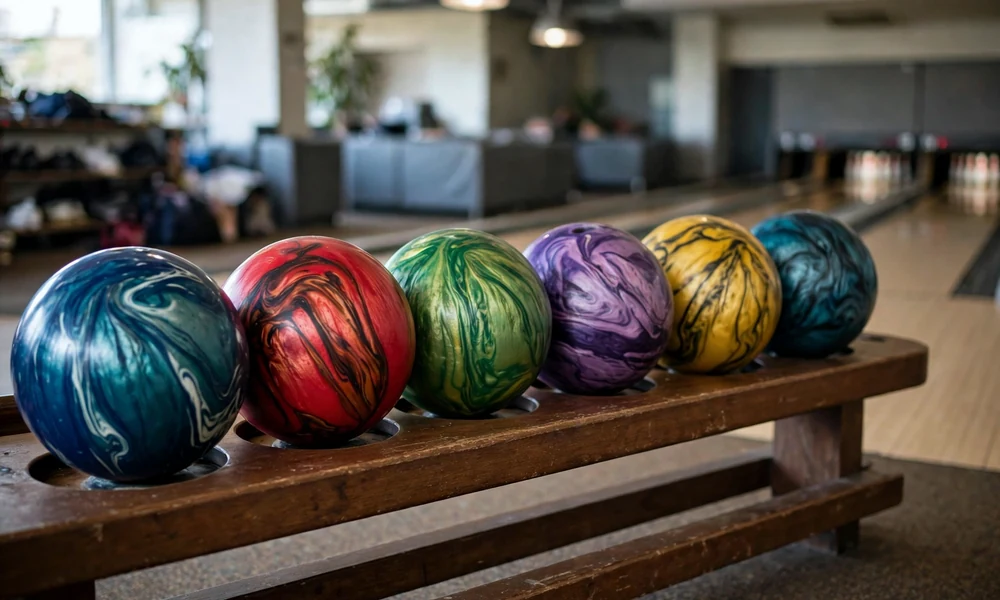
For children, the right ball is light, bright, and drilled to fit small hands. Most bowling centres stock lightweight house balls, but a child who bowls regularly will do far better with their own ball in the correct weight, even if it is only eight or nine pounds. A ball that fits lets a child roll the ball properly instead of pushing it with both hands, and that proper roll is what builds the habit that lasts. Many manufacturers make junior balls in fun colours and patterns, and the excitement of owning their own ball is often what turns a one-off visit into a hobby.
Choosing a ball for a child is a little like working through one of the best puzzles: the answer is not the biggest or the brightest piece, it is the one that fits the space in front of you. Weight first, fit second, colour last. A child who can roll a light ball comfortably will bowl better, enjoy it more, and ask to come back sooner than a child handed a ball that is too heavy just because it looks impressive on the rack.
Looking After Your Bowling Ball
A bowling ball is not a buy-and-forget purchase. Lane oil soaks into the coverstock every time you bowl, and over weeks and months that oil dulls the ball’s reaction until it barely hooks at all. The fix is simple and cheap: wipe the ball with a clean microfibre towel after every shot, and clean it properly with a ball cleaner after every session. That two-minute habit keeps the cover gripping the lane and extends the ball’s life by months or even years.
How to Choose in Five Steps
Start by being honest about how often you bowl and how you throw. A bowler who plays once a month needs a different ball from a league bowler who plays twice a week, and a straight bowler needs a different ball from a bowler who already hooks the ball. Write down your average, your ball speed if you know it, and whether you throw straight or with a hook. That short note is the most useful thing you can hand to a pro shop.
The Verdict
The best bowling ball of 2026 is the one that fits your hand, matches your speed, and suits the lanes you bowl on. For most beginners that means a plastic or entry-level reactive ball, drilled properly, in a weight you can control for three games. For league bowlers it means a small set of balls that cover fresh oil, dry lanes, and spares, each chosen for a real gap in the bag. For children it means the lightest ball they can roll properly, in a colour they love. Spend the money on fit and on practice, keep the ball clean, and let the ball do the work it was built to do.


