
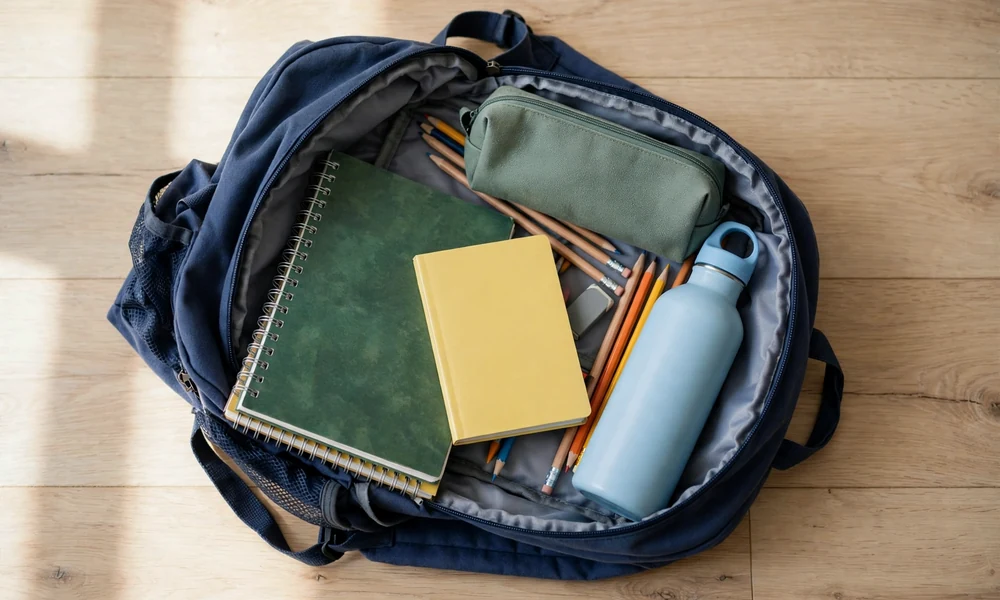
A school backpack is the one piece of kit a child carries every single day, and it takes more punishment than almost anything else they own. It gets stuffed with books, dropped on the playground, dragged along the floor, left out in the rain and crammed into a locker that is always slightly too small. A good kids backpack makes all of that easier: it sits comfortably on small shoulders, holds everything without bursting, and still looks decent by the end of the school year. A bad one does the opposite. It digs into shoulders, its zips give up by October, and it ends up replaced before Christmas. The best kids backpacks for school in 2026 are not the ones with the loudest characters or the biggest price tags. They are the ones that fit properly, carry comfortably, and survive the daily routine without falling apart.
What Makes a Kids Backpack Good
The first thing to judge is the fit. A backpack should sit high on a child’s back, with the bottom resting just above the waist and the top no higher than the shoulders. If it hangs down past the hips, it pulls the child backwards and throws off their balance. If it is too wide, the straps slip off the shoulders and the child ends up carrying it in one hand, which defeats the purpose entirely. The right size depends on the child, not the age on the label, so measure from the shoulders to the waist and compare that with the height of the bag before you buy.
Weight matters just as much as fit. A good rule is that a loaded backpack should weigh no more than ten to fifteen percent of the child’s body weight. That means the bag itself should be light before anything goes into it. A heavy, stiff bag eats up the weight budget before a single book is packed, and a child who is already carrying close to the limit has no room left for a lunch box and a water bottle. Look for bags that feel light in the hand and keep their shape without heavy frames or rigid boards.
Choosing the Right Size by Age
For nursery and reception children, small is right. A bag around ten to twelve litres is plenty for a change of clothes, a water bottle, a snack and a reading book. Anything bigger overwhelms a small frame and ends up half empty, which means its contents rattle around and the bag flops about on the walk to school. Small bags also fit into the low cubbies and pegs that early-years classrooms use, which is a practical detail that matters every single morning.
Older primary children, from around eight upwards, need more room. Sixteen to twenty litres covers textbooks, a pencil case, a lunch box, a water bottle and a reading book, with a little space left over for a sports kit on the right day. This is also the age when children start to care about how the bag looks, so it is worth letting them choose the colour or pattern within a shortlist of bags that actually fit. A bag they like is a bag they will look after, and a bag they chose themselves is far less likely to be abandoned by the front door.
Straps, Padding and Everyday Comfort
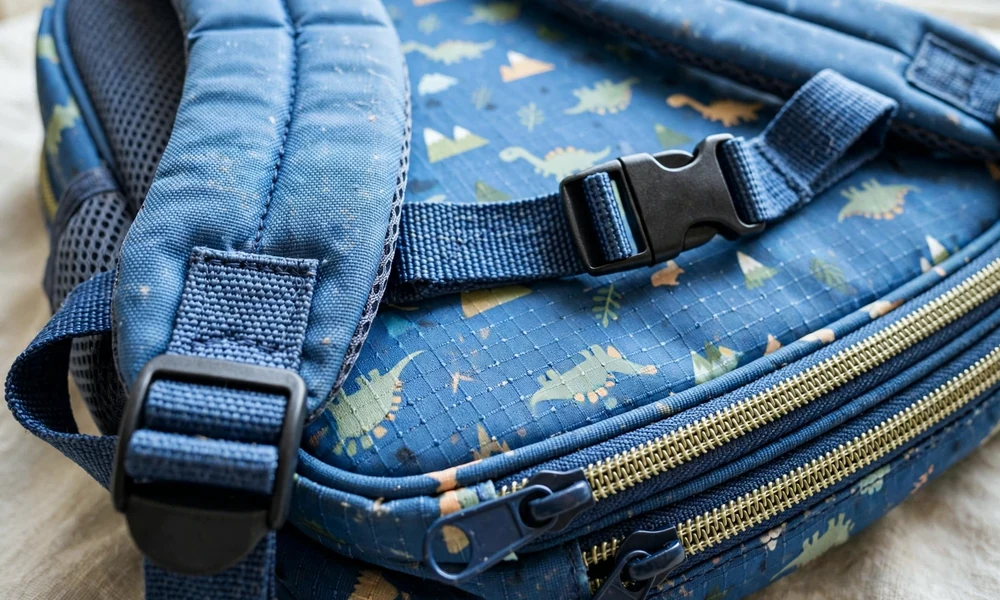
The shoulder straps deserve a close look before you buy anything else. Wide, padded straps are better than thin ones because they spread the weight over a larger area, and adjustable straps are essential because children grow fast and the same bag may need to fit a taller child by spring. The adjustment buckles should be easy to slide but firm enough to stay put, since straps that loosen during the day leave the bag sagging by home time.
The back panel is easy to overlook and hard to live without once it is missing. A padded, slightly ventilated back panel cushions the spine against hard book corners and lets a little air circulate on warm days, which keeps the child cooler on the walk to school. Bags with a completely flat, unpadded back feel cheaper for a reason: every hard edge inside the bag is felt through the fabric, and a child will notice that long before a parent does.
Pockets, Zippers and Practical Details
Organisation is what separates a bag that works from a bag that is just a sack with straps. A main compartment for books and folders, a front pocket for small items like a bus pass or a snack, and two side pockets for a water bottle and an umbrella cover most school days. Internal pockets are a bonus, but they should be simple: a slip pocket for a reading book and a zipped pocket for anything valuable is enough. Too many pockets means a child spends the morning hunting through them.
Zips are the most common point of failure on a kids backpack, so they are worth testing before you buy. A good zip runs smoothly along its full length without catching, and the pull should be big enough for small fingers to grip, even with cold hands in winter. Chunky, sturdy zips last far longer than fine, delicate ones, and a bag with a double zip on the main compartment is easier to open wide and pack properly. If the zip snags on the shop floor, it will snag every day at school.
Durability and Easy Cleaning
A school bag lives a rough life, so the fabric has to be up to it. Tightly woven polyester and nylon are the most common choices because they resist scuffs, shed light rain, and dry quickly when they do get wet. Reinforced stitching at the strap joins and along the base is a good sign, because those are the places where bags usually fail first. A reinforced base also helps the bag stand upright on the floor instead of flopping over and spilling its contents.
Water resistance matters more than most parents expect. A bag does not need to be fully waterproof, but a water-resistant coating keeps books dry in a shower and stops the fabric from soaking through on a wet morning. Some bags have a rain cover tucked into a pocket, which is a thoughtful extra for children who walk to school. At the very least, the fabric should bead water rather than absorb it, because a soaked bag is heavy, slow to dry, and unpleasant to carry.
Designs Children Actually Want to Carry
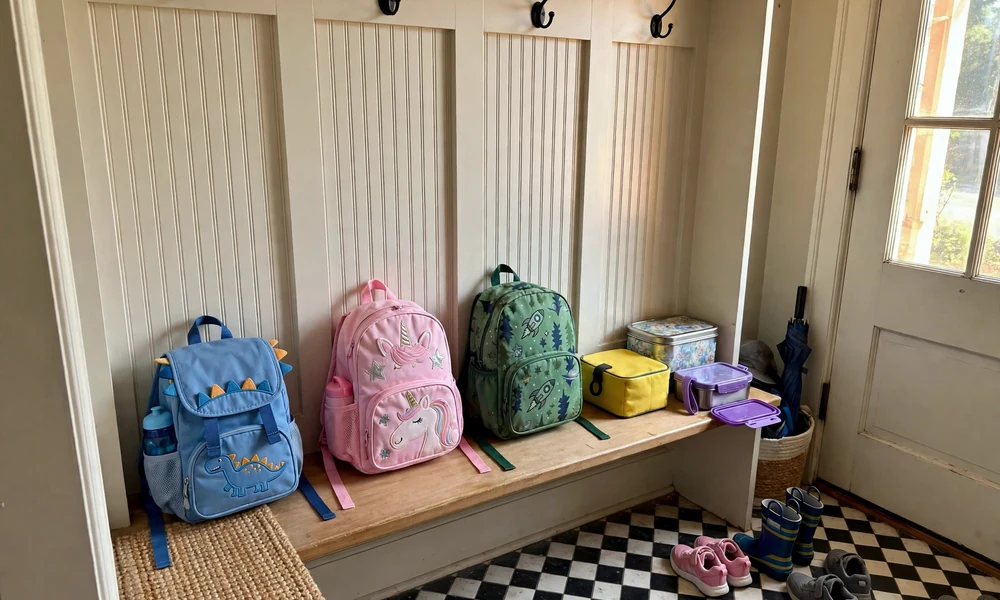
Letting a child choose the design is one of the easiest wins in school shopping. A bag with their favourite colour, animal, or character is a bag they will be excited to pack and proud to carry, and that enthusiasm lasts well into the term. The trick is to set the shortlist first and let the child choose within it, so the decision is between bags that fit, weigh the right amount, and are built to last. That way the child gets a bag they love and the parent gets a bag that works.
Reflective details are worth looking for, whatever the design. Small reflective strips or prints on the front and sides make a child much more visible on dark winter mornings, and they cost nothing in style. Some bags build reflective material into the straps or the front pocket, which is a smart place for it because it is visible from the front and the back. Visibility is a safety feature that should be on every school bag, and it is easy to check for in the shop by holding the bag under a light.
Packing It Right
Even the best bag will be uncomfortable if it is packed badly. The heaviest items, like textbooks and a full water bottle, should sit closest to the back, in the middle of the bag, so the weight pulls straight down rather than dragging the child backwards. Lighter items like a jumper and a pencil case go towards the front. A bag packed this way feels lighter than the same bag packed the other way round, and it is a habit worth teaching on the first day of term.
The lunch box and water bottle deserve a little thought too. A lunch box that fits flat in the bag is better than a tall one that makes the bag bulge, and a leak-proof bottle is worth the extra cost because a leak ruins books and homework in seconds. If the bag has a separate lunch compartment, use it, since it keeps food away from books and makes the bag easier to clean. A bag that carries lunch well is a bag that earns its keep every single day.
Mistakes to Avoid
The most common mistake is buying a bag that is too big. A bag that swallows a small child looks impressive in the shop and terrible on the walk to school, and it encourages overpacking because there is always room for one more thing. Size the bag to the child and the school day, not to the idea of growing into it. A bag that fits now and lasts a year is a better buy than a bag that is too big now and merely adequate next year.
The second mistake is choosing on looks alone. A beautiful bag with thin straps, flimsy zips and no padding will be a bad bag by the end of the first month, whatever it looked like on the shelf. Check the straps, test the zips, feel the back panel and look at the stitching before you fall for the pattern. A bag that passes those checks and looks good is the one to buy, and there are plenty of bags that manage both.
The third mistake is forgetting the weight of the empty bag. Some bags are heavy before anything is packed into them, thanks to rigid frames, thick boards and heavy hardware, and that weight comes straight out of the child’s carrying budget. Pick the bag up empty and hold it for a moment: if it feels heavy in your hand, it will feel heavier on a small back. Light bags with good structure are the sweet spot, and they are easy to spot once you know to check.
The Bottom Line
The best kids backpack for school is the one that fits the child, carries comfortably, and stands up to daily use. Size it to the child’s back, keep the empty weight low, look for padded straps, a chest strap, sturdy zips and a water-resistant fabric, and let the child choose the design from a shortlist of bags that tick those boxes. Pack the heaviest items closest to the back, clear the bag out once a week, and check the straps and zips every now and then so small problems are caught before they become big ones. Get those basics right and the bag will quietly do its job all year, which is exactly what a school bag should do. For a wider look at school bags in general, see our guide to the best backpacks for school 2026, and if you want to know which bags to steer clear of, read our best versus worst backpacks 2026 comparison. If the family travels often, our best travel backpacks for kids 2026 guide covers bags built for trips as well as school.


