Why Canned Pineapple Belongs in Your Pantry in 2026
Canned pineapple is the tin most cooks reach for when a dish needs sweetness or a little tropical lift, and there is no fresh pineapple in the house. A good tin opens onto golden chunks, rings or crushed fruit that taste sunny and ripe, with juice worth keeping. It is cheap, it keeps for years, and it turns up in more dishes than most tins.
Fresh pineapple is a gamble. It can be sour or under-ripe, and it goes off quickly once cut. A tin removes the gamble: the fruit is canned at ripeness, and there is no peeling, coring or waste. The heat of canning softens the fruit, so the texture is always gentler than fresh pineapple.
Key Takeaways
- Chunks are the most versatile cut: bite-size pieces that work in stir-fries, salsas, smoothies and fruit salads.
- Rings are the pick for baking and grilling, because the neat circles sit flat on cakes and hams, and char beautifully on a grill.
- Crushed pineapple disappears into batters and sauces, adding sweetness and moisture without visible pieces.
- Buy pineapple in its own juice, not heavy syrup. Juice-packed fruit tastes fresher, has less added sugar, and the juice is useful in dressings.
- Drain canned pineapple well for baking, but keep the juice for smoothies and sauces, where it adds flavour for free.
What Canned Pineapple Actually Is
Canned pineapple is fresh pineapple that has been peeled, cored, cut, packed in juice or syrup, and sealed in a tin before being heated to make it shelf-stable. The canning happens soon after harvest, when the fruit is ripe, which is why a good tin can taste sweeter than a fresh pineapple bought out of season.
The heating that makes the tin safe also cooks the fruit and changes one thing cooks should know about. Fresh pineapple contains bromelain, an enzyme that stops jelly and some dairy desserts from setting. Canning destroys the enzyme, so canned pineapple is safe in jelly, mousse and yoghurt desserts where fresh pineapple would fail.
Chunks, Rings, Crushed and Tidbits: The Cuts Compared
The four cuts you will see most often are chunks, rings, crushed and tidbits, and each one behaves differently in cooking. Chunks are bite-size pieces, rings are full circles with the core removed, crushed pineapple is finely chopped fruit in juice, and tidbits are smaller pieces than chunks.
| Cut | Texture | Best for | Watch out for |
|---|---|---|---|
| Chunks | Firm, bite-size pieces | Stir-fries, salsas, salads | Can be uneven in cheap tins |
| Rings | Neat circles, hold shape | Baking, grilling, burgers | Too large for mixed dishes |
| Crushed | Soft, pulpy, juicy | Cakes, sauces, fillings | Too wet for crisp dishes |
| Tidbits | Small, even dice | Fruit salads, yoghurt, baking | Can go soft if overcooked |
Chunks: The All-Rounder
Chunks are the default to stock, and the cut to buy if you only buy one tin. The pieces are ready to toss into a stir-fry, fold into a salsa, or blend into a smoothie, and they hold their shape through cooking. Look for pieces of even size and a bright, even gold colour.
Rings: The Baker’s and Griller’s Cut
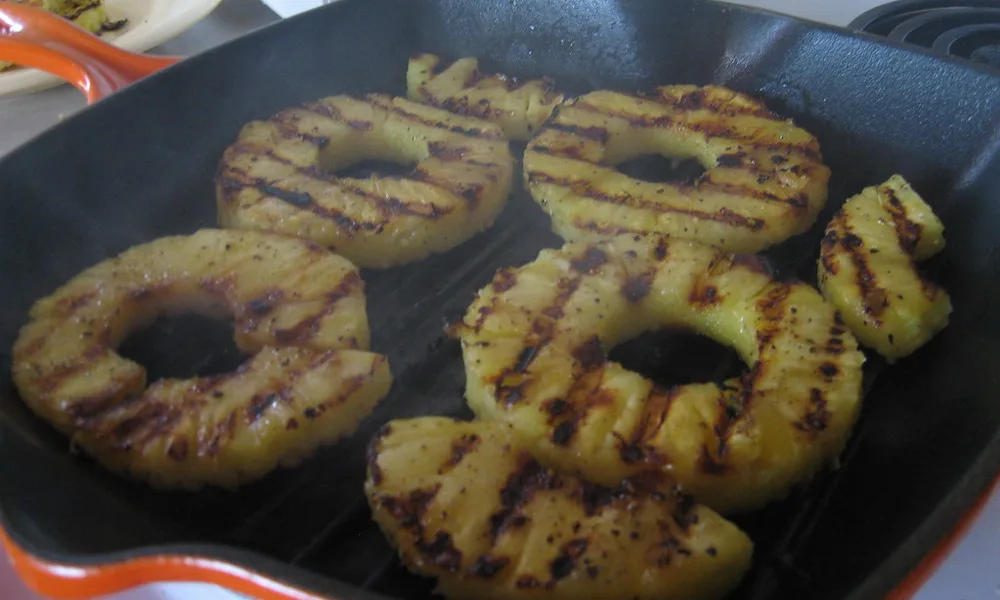
Rings are the pick for baking and grilling. The neat circles sit flat on an upside-down cake, a glazed ham or a burger, and they char beautifully on a grill, where the sugar caramelises. The trade-off is size: a ring is too large for a mixed dish, so cut rings into pieces for a salad or a stir-fry.
Crushed: The Disappearing Cut
Crushed pineapple is finely chopped fruit in juice, and it disappears into whatever you cook with it. It adds sweetness and moisture to cake batters and fillings without visible pieces, and it stirs into sauces and glazes without lumps. The trade-off is wetness: drain it well for baking, or the batter will be too wet.
Tidbits: The Small, Even Dice
Tidbits are smaller pieces than chunks, closer to a dice, and they are the best choice when you want pineapple spread evenly through a dish. They fold into fruit salads, yoghurt and baked goods without dominating any single bite. They can go soft if overcooked, so add them near the end of cooking, and drain them well.
Syrup vs Juice: The Packing Liquid Matters
The packing liquid matters more than most shoppers realise. Pineapple in its own juice tastes the freshest, has the least added sugar, and the juice is useful in its own right. Pineapple in light syrup is sweeter and suits baking. Pineapple in heavy syrup is the sweetest of all, and it is best avoided, because the syrup overwhelms the fruit.
For most dishes, juice-packed pineapple is the right buy. The juice can go into a smoothie, a marinade, a stir-fry sauce or a salad dressing, and it adds pineapple flavour for free. Syrup, by contrast, is mostly sugar water, and it is rarely worth keeping. Check the label: the packing liquid should be listed clearly.
Sweetness, Ripeness and Acidity
Canned pineapple is reliably sweet, because the fruit is canned at ripeness, but not all tins are equal. The best tins taste bright and sunny, with a little acidity to balance the sweetness. A tin that tastes flat has usually been packed from over-ripe fruit, and a tin that tastes sharp has usually been packed from under-ripe fruit.
The acidity is part of what makes pineapple so useful in cooking. It cuts through rich, fatty dishes, such as glazed ham, pork and burgers, and it brightens sweet dishes, such as cakes and fruit salads, so they do not taste cloying. If a dish tastes too sweet, a squeeze of lime or a splash of vinegar will bring it back into balance.
Reading the Label: Sugar, Sodium and What Else Is in the Tin
Read the sugar before the price. The best tins list pineapple and pineapple juice, and nothing else. A juice-packed tin has around 12 to 15 grams of sugar per serving, all of it from the fruit. A tin in heavy syrup can have twice that, and the extra sugar is added, not natural.
Pineapple should be the first and nearly only ingredient. A good tin lists pineapple and juice, and perhaps a little ascorbic acid, which is vitamin C added to keep the colour bright. A tin with added colouring or flavourings usually means dull fruit that needed help. Sodium is rarely a problem with pineapple, and most tins list little or none.
Check the tin itself before you buy. Avoid tins that are dented along the seam, swollen, leaking or rusted, and check the best-before date, because a tin that has sat for years will be softer. Once opened, pineapple keeps for five to seven days in the fridge in a covered container, in its juice, and it freezes well, so you can freeze leftover chunks for smoothies.
Recipes and Everyday Uses: Five Ways to Use a Tin of Pineapple
The simplest use is a fruit salad. Drain chunks or tidbits, toss them with other fruit, and serve them with yoghurt or cream. It takes two minutes, and it works as a breakfast, a dessert or a side with a curry, where the sweetness balances the heat.
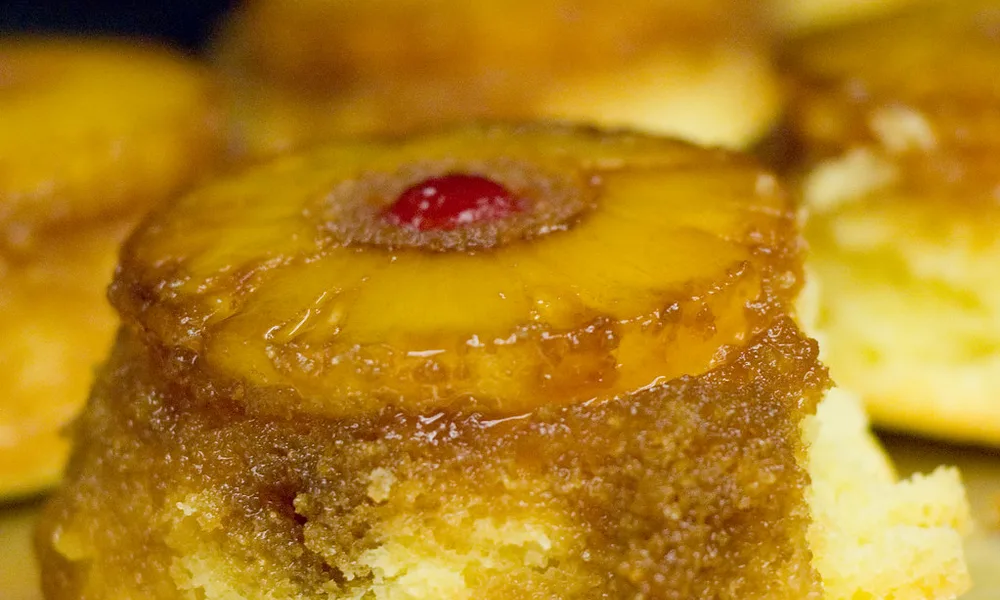
A second use is a stir-fry. Add chunks to a sweet and sour chicken or pork stir-fry in the last few minutes, with peppers, onion and a sauce made from the reserved juice, soy sauce and vinegar. A third use is baking: crushed pineapple in a carrot cake or an upside-down cake adds moisture and sweetness, and rings on top caramelise into the classic golden topping.
A fourth use is a salsa. Dice chunks finely with red onion, coriander, lime and chilli, and serve it with grilled fish, chicken or tacos. A fifth use is a glaze: simmer the reserved juice with brown sugar and mustard, and brush it over ham or chicken in the last ten minutes of roasting. The frozen fruit guide is useful if you want a second fruit option for smoothies, and the coconut milk guide pairs well with pineapple for curries and desserts.
Storage, Shelf Life and Food Safety
An unopened tin of pineapple keeps for two to five years in a cool, dry cupboard, and the best-before date is a guide to quality rather than a safety deadline. Store tins away from heat and damp, and use the oldest tin first. Once opened, transfer leftovers to a covered container, cover them with juice, and refrigerate them. Do not store opened pineapple in the tin.
Opened pineapple keeps for five to seven days in the fridge, and it is best used within three days. If the pineapple smells sour or fermented, or if the juice is cloudy or fizzy, throw it away. Pineapple freezes well: spread leftover chunks on a tray, freeze them until firm, then bag them for smoothies.
What to Avoid in a Tin of Pineapple
The worst tins share a few traits. The fruit is pale or grey rather than a bright, even gold, which suggests under-ripe fruit or a tin that has sat too long. The pieces are mushy and fall apart when lifted with a fork. The juice is cloudy or smells fermented, and the label lists heavy syrup first, which means the packer was compensating for flavour that was not there.
Also be wary of tins that promise a lot on the front and deliver little inside. A plain tin from a reliable brand, with a short ingredient list and a recent date, will usually beat a fancy tin with a long list of flavourings. The dried fruit guide applies the same test: trust the ingredient list and the date, not the picture on the label.
Shopping Checklist
- Choose chunks for stir-fries, rings for baking and grilling, crushed for batters, and tidbits for fruit salads.
- Buy pineapple in its own juice, not heavy syrup, and check the sugar: around 12 to 15 grams per serving.
- Read the ingredients: pineapple and juice first, a short list, no added colouring or flavourings.
- Look for a bright, even gold colour and pieces that hold their shape.
- Buy the size you will use within a week, and check the tin for dents, swelling or rust.
- Keep the juice: it goes into smoothies, marinades and sauces, and it adds flavour for free.
Frequently Asked Questions
Is canned pineapple as healthy as fresh pineapple?
Canned pineapple keeps most of the vitamin C, manganese and fibre of fresh pineapple. The main difference is sugar, so choose a juice-packed tin and drain it well.
Should I drain canned pineapple before using it?
Drain it well for baking, frying and salads, so it does not water down the dish. Keep the juice for smoothies, marinades and sauces, where it adds flavour.
How long does canned pineapple last once opened?
Opened pineapple keeps for five to seven days in the fridge in a covered container, in its juice. Use it within three days for the best texture, and do not store it in the opened tin.
Can I use canned pineapple in jelly and desserts?
Yes. Canning destroys bromelain, the enzyme in fresh pineapple that stops jelly and some dairy desserts from setting, so canned pineapple is the safe choice for those dishes.
Why is some canned pineapple sour?
Sour pineapple usually comes from under-ripe fruit. A squeeze of lime or a little honey in the dish will balance it, but a sour tin will never taste as good as a ripe one.
Can I freeze leftover canned pineapple?
Yes, and it freezes better than most canned fruit. Spread the chunks on a tray, freeze them until firm, then bag them for smoothies.
The Bottom Line
Canned pineapple belongs in your pantry because it is cheap, it keeps for years, and it is always ripe, sweet and ready to use. Buy chunks for everyday cooking, rings for baking and grilling, crushed for batters, and tidbits for salads. Choose juice-packed tins, drain them well for baking, and keep the juice for smoothies and sauces.