What Makes a Great Face Primer in 2026?
A great face primer decides whether your makeup still looks like makeup at four in the afternoon, or has creased, faded and gone shiny by lunchtime. It sits between skincare and foundation, smoothing the surface, gripping the makeup that follows and fixing the problem your skin has that day, whether pores, dryness or shine. Here is what a face primer actually does, how silicone and water-based formulas differ, and how to apply it so it works instead of pilling under your foundation.
Primer is not magic, and it is not a replacement for skincare: it cannot shrink your pores or fix dehydrated skin on its own. What it can do is create a smoother, more even canvas in thirty seconds, so your foundation needs less product, blends more easily and lasts hours longer. The difference between a great primer and a disappointing one is matching the formula to your skin type and using far less than you think.
Key Takeaways
- A face primer sits between skincare and foundation, smoothing skin and helping makeup last longer, but it cannot replace moisturiser.
- Silicone-based primers blur pores and fine lines best, while water-based primers suit oily, sensitive and acne-prone skin.
- Choose a pore-blurring primer for texture and large pores, and a hydrating primer for dry or flaky skin that makes foundation look patchy.
- Use a pea-sized amount for the whole face, let it set for a minute, then apply foundation.
- The wrong primer, or too much of it, causes pilling and patchy foundation, so match the base of your primer to your foundation.
What a Face Primer Actually Does
Think of primer as the layer that negotiates between your skin and your makeup. Skin is not a smooth surface: it has pores, fine lines, dry patches and oily zones, and foundation applied straight onto it has to cope with all of that at once. A primer fills in the shallow texture and gives foundation something consistent to hold onto, so makeup looks more like skin and less like makeup sitting on top of it.
Primer also controls what happens over the next few hours: on oily skin it absorbs excess oil and slows the shine that breaks foundation down by midday; on dry skin it adds a thin layer of moisture that stops foundation clinging to flakes. It is not a moisturiser or a setting product: its job is done before your foundation goes on.
Start With Skin Prep, Not the Primer Tube
Primer works best on skin that is already clean and moisturised: wash your face, apply your usual moisturiser and give it a few minutes to sink in. A primer applied over dry, unmoisturised skin highlights every flake, and one applied over a still-wet moisturiser slides around instead of gripping. The order matters: skincare first, primer second, foundation third.
Your moisturiser choice matters too: a heavy cream under a silicone primer can pill, while a light gel gives a gripping primer a clean surface to hold onto. Our guide to why the right moisturizer changes everything explains how to pick a base that plays nicely with the rest of your routine. Sunscreen goes here as well, after moisturiser and before primer, given a few minutes to set.
Silicone vs Water-Based Primers
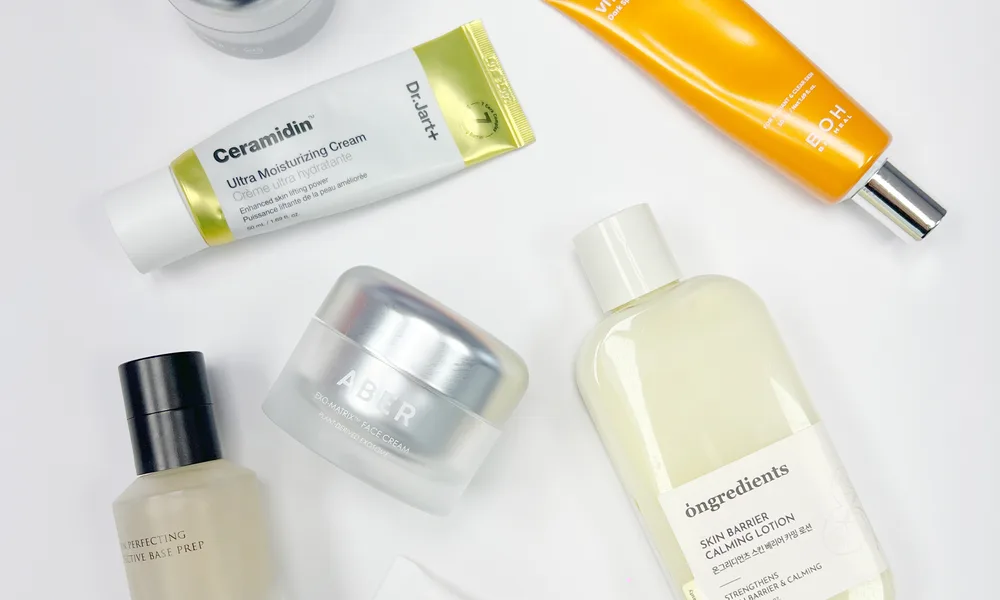
Almost every face primer is built on one of two bases, silicone or water, and the base decides how it feels, what it does best and which foundations it works with.
Silicone-Based Primers
Silicone primers feel smooth, almost slippery, gliding over skin like silk. Built on silicones such as dimethicone, they form a thin film that fills in pores and fine lines, levelling the surface so pores look smaller. They grip foundation well and keep makeup in place longer, especially on combination and oily skin. The trade-off is weight: a heavy formula can trap oil and lead to breakouts, and it can pill over a water-based moisturiser or under a water-based foundation, because oil and water do not mix.
Water-Based Primers
Water-based primers feel light and fresh, more like a gel or a serum than a cream. They absorb quickly, leave almost no residue and work well under any foundation, making them the safest choice if you are unsure. They suit oily, sensitive and acne-prone skin best, because they do not trap oil or sit heavily on the surface. What they do less well is blur: they hydrate and smooth, but they do not fill in pores the way silicone does. The fix is simple: use a water-based primer all over, then press a little silicone primer only onto the areas with visible pores.
Face Primers Compared
| Primer type | Best for | Finish | Watch out for |
|---|---|---|---|
| Silicone, pore-blurring | Large pores, texture, oily skin | Smooth, matte-soft | Can pill over water-based skincare; heavy for some skin |
| Water-based, hydrating | Dry, sensitive, acne-prone skin | Fresh, dewy | Less blurring; pores still visible |
| Illuminating | Dull, tired-looking skin | Glowy, radiant | Can look shiny on oily skin |
| Mattifying | Very oily skin, long days | Flat matte | Can look flat and dry on normal skin |
| Colour-correcting | Redness, sallowness, dullness | Even-toned | Too much tint shows through foundation |
| SPF primer | Short days out, light coverage | Varies | Not enough protection alone |
Pore-Blurring vs Hydrating: Which One Is Yours?
Choose Pore-Blurring If Your Problem Is Texture
If your pores are visible in the mirror, your foundation sinks into them by midday, or your skin looks bumpy rather than dry, a pore-blurring primer is your match. These are almost always silicone-based, filling in the tiny dips in your skin so foundation sits on a level surface. Apply a small amount only where pores are visible, usually the nose, cheeks and chin, and press it in with your fingertips. It softens the look of pores, it does not erase them: from a normal distance, makeup looks smoother, more even and less textured.
Choose Hydrating If Your Problem Is Dryness
If your foundation clings to dry patches, looks patchy by the afternoon or makes your skin feel tight, you need hydration, not blur. A hydrating primer adds moisture and humectants such as glycerin or hyaluronic acid, plumping the surface just enough for foundation to glide on smoothly instead of catching on flakes. It is also the best choice for mature skin, because it does not settle into fine lines the way heavy silicone formulas do. If your skin is both dry and textured, use a hydrating primer all over, then a pore-blurring primer only on the textured areas.
Matching Primer to Your Skin Type
Skin type decides more than marketing claims do: a primer that is perfect for oily skin will make dry skin look worse.
Oily Skin
Look for a mattifying or oil-controlling primer, silicone-based or a water-based gel with oil absorbers, that keeps shine down for hours without drying your skin out. Avoid illuminating primers, which add shine you do not need.
Dry Skin
Choose a hydrating primer with glycerin, hyaluronic acid or squalane, and avoid mattifying formulas entirely. A hydrating primer pairs best with a dewy or satin foundation, so read our guide to foundations that match your skin before you buy both.
Sensitive Skin
Keep it simple: a fragrance-free, water-based primer with a short ingredients list. A heavy, fragranced formula is the most likely to cause a reaction, so patch test on your jawline for a day first.
Mature Skin
Choose a hydrating primer and avoid ultra-matte finishes, which settle into lines and make them look deeper. A light, soft-focus formula is more flattering than a heavy blur. Less is more: a thin layer smooths, a thick layer creases.
How to Apply Face Primer So It Actually Works
Application is where most primer goes wrong, and the fix is almost always using less. Start with a pea-sized amount for your whole face: primer is concentrated, and a thin layer grips foundation far better than a thick one. Warm it between your fingertips, then press it onto your skin rather than rubbing it in. Pressing pushes it into pores and texture; rubbing just moves it around. Apply primer where you need it: if your pores are only visible on your nose and cheeks, put primer there and leave your forehead alone.
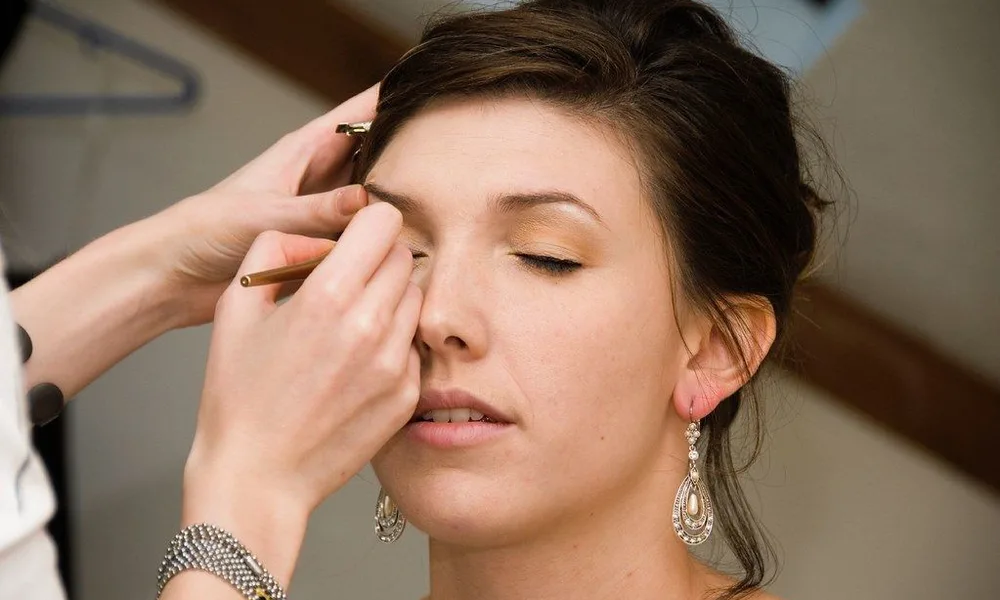
Wait a full minute before foundation. Primer needs a short time to set into a thin film; apply foundation straight away and you push the primer around, ending up with patchy, sliding makeup. Finally, match your bases: silicone primer under silicone-based foundation, water-based primer under water-based foundation. Check the first few ingredients: water first with no dimethicone near the top means water-based; dimethicone near the top means silicone-based. Mixing bases is the most common cause of pilling.
The Mistakes That Ruin a Good Primer
Using too much is the biggest mistake, and it causes most of the others: a thick layer never sets properly, so it stays slippery and foundation slides, creases and wears off in patches. Skipping moisturiser is the second mistake, since primer is not a moisturiser and bare, dry skin looks worse under it. The third is applying foundation too soon, before the primer has set. The fourth is using the wrong type for your skin. And the fifth is expecting primer to fix deep texture or a foundation in the wrong shade. Primer improves the canvas; it does not repaint the wall.

Face Primer Buying Checklist
- Know your main problem first: pores, dryness, oil, redness or dullness, then buy the primer type that solves it.
- Check the base: silicone for blur and grip, water-based for lightness and sensitive skin.
- Read the first five ingredients, not the front of the tube, and skip fragrance if your skin is reactive.
- Use a pea-sized amount, press it in with fingertips, and wait a minute before foundation.
- Test a new primer on one half of your face for a day, so you can see the difference side by side.
- Pair it with a finishing step: a setting spray that locks your look in protects the work your primer did.
Frequently Asked Questions
Do I really need a face primer?
Not everyone does. If your foundation already lasts all day and looks smooth, a primer adds little. But if your makeup fades, creases, goes shiny or settles into pores, a primer is the cheapest fix.
Can I use primer instead of moisturiser?
No. Primer sits on the surface and grips makeup, while moisturiser hydrates the skin underneath. Skipping moisturiser usually makes dryness and flaking look worse.
Why does my primer pill under foundation?
Pilling almost always means a clash of bases, usually a silicone primer under a water-based foundation, or primer applied over a moisturiser that had not sunk in yet. Match your bases, use less, and wait a minute between layers.
How much primer should I use?
A pea-sized amount for your whole face is enough: primer is concentrated, and a thin layer grips foundation better than a thick one. If you can see it sitting on your skin, you have used too much.
Can I wear primer without foundation?
Yes. A pore-blurring primer on its own smooths skin and cuts shine, and a hydrating or illuminating primer gives a healthy glow with no makeup at all.
Does primer help makeup last longer?
Yes, when it is the right type for your skin and applied properly. A good primer gives foundation a grippy, even surface, adding several hours of wear.
The Bottom Line
A great face primer in 2026 is not the most expensive one, or the one with the longest list of promises. It is the one that matches your skin type and the base of your foundation, used in a thin layer with a minute to set. Silicone primers blur pores and texture best, water-based primers are lighter and kinder to sensitive skin, and hydrating primers are the answer when dryness makes foundation look patchy. Get the type right, use less than you think, and let it set: your foundation will look like your skin, only better, from morning until evening.