
How to Pick Frozen Edamame Worth Stocking in 2026
Frozen edamame is the fastest protein in the freezer aisle. A good bag opens onto bright green beans, loose and free-flowing, that cook in three minutes and taste fresh, nutty, and faintly sweet. A bad bag is dull, grey-green, and mushy, with beans that taste faintly of the freezer no matter how you cook them. The difference is not the price. It is the form you buy, the salt that is already on the beans, and the few minutes you spend cooking them properly. This guide explains how to pick frozen edamame worth stocking, and how to use it once it is home.
Key Takeaways
- Shelled edamame is the versatile buy: it goes straight into salads, bowls, pasta, and dips with no extra work.
- In-pod edamame is the better snack: the pods slow you down, keep the beans warm, and make salt taste like a seasoning rather than an ingredient.
- Buy plain beans with one ingredient. Salted bags and seasoned bags cost more and take away your control over the flavour.
- Cook frozen edamame fast and hot, straight from the freezer, and never boil it for longer than three minutes.
- Squeeze the bag before you buy it. Loose, free-flowing beans were frozen properly; a solid icy block has thawed and refrozen.

Shelled or In the Pod: The Form That Matters
The first choice on the shelf is the form, and it decides what the beans are for. Shelled and in-pod edamame are the same bean, but they behave like two different ingredients in the kitchen.
Shelled Edamame
Shelled edamame is the bag to stock first. The beans arrive ready to use: no pods to open, no shells to throw away, nothing to slow you down. Tip them into a salad, a grain bowl, a stir-fry, or a pot of pasta in the last two minutes, and they are done. Shelled beans overcook faster than pods, so treat them gently.
Edamame In the Pod
Edamame in the pod is the snack form, and it is the one that makes edamame feel like a treat rather than an ingredient. The pods protect the beans while they cook, so they stay firmer and sweeter than shelled beans, and they stay warm longer in the bowl. In-pod bags give you less bean per gram, so they cost more per serving.
How to Tell a Good Bag From a Bad One
Whatever the form, the bag tells you most of what you need to know. Squeeze it gently. The beans should feel loose and free-flowing, like marbles in a bag. If they feel like a solid block, the bag has thawed and refrozen, and the beans inside will cook up soft and grey. Look through the bag if you can: the beans should be bright green, plump, and even in size. Dull, yellowed, or shrunken beans were old before they were frozen, and no cooking will revive them. Large clumps of ice inside mean the bag has thawed and refrozen, and the beans will be dry.
Fresh edamame is a short-season vegetable, and outside that season the pods in the shops are often old and woody. Frozen edamame sidesteps the season entirely: the beans are picked young and frozen within hours, so a bag bought in January tastes much like one bought in July. That is the real reason to stock it, more than price or convenience. It makes a summer vegetable available all year, at its best rather than its worst.
Salt: How Much Is Already There
Salt is the second decision, and the one most people skip. Many bags of frozen edamame arrive already salted, and some arrive seasoned with chilli, garlic, or soy. The salt is printed on the back, in the ingredients and in the nutrition table, and it is worth the ten seconds it takes to read.
A plain bag lists one ingredient: edamame, sometimes with the note that the beans are soybeans. That is the bag to buy. It costs less, it has no salt you did not ask for, and it lets you season the beans yourself, which matters more than it sounds. Salt added before freezing soaks into the bean, so you cannot take it back out, and a salted bag that tastes right as a snack will be too salty stirred into a pasta or a salad that already has its own seasoning. A seasoned bag is worse: the coating is usually uneven, and you pay for flavouring you could add yourself.
Cook the beans plain, then toss them while they are still hot with flaky sea salt, so the salt sticks to the damp skins instead of sliding off. For in-pod edamame, salt the pods: a little goes a long way.

Comparison Table: Which Edamame for Which Dish
| Form | Best for | Cook time | Salt | Value |
|---|---|---|---|---|
| Shelled, plain | Salads, bowls, pasta, dips | 2 to 3 minutes | You decide | Excellent |
| In-pod, plain | Snacking, sharing bowls | 3 to 4 minutes | Salt the pods | Good |
| Shelled, salted | Quick snack only | 2 to 3 minutes | Already added | Fair |
| Seasoned | Nothing much | 2 to 3 minutes | Uneven coating | Poor |
How to Cook Frozen Edamame Properly
Cooking frozen edamame well is mostly about not overcooking it. The beans are already blanched before freezing, which means they are partly cooked. Your job is to finish them, not to cook them from scratch. Cook them fast, cook them hot, and use as little water as possible.
Bring a pot of salted water to a hard boil, tip the frozen beans in, and cook shelled beans for two minutes and in-pod beans for three. Drain them the moment the time is up. Steaming is gentler: three minutes in a steamer, or two minutes in a covered pan with a splash of water, keeps the colour brighter and the flavour sweeter. The microwave works too: two minutes in a covered bowl with a tablespoon of water.
Toss shelled beans in a little oil and roast at a high heat until the edges blister, or fry them in a hot pan with garlic and chilli until they char in spots. Dry heat brings out a nutty flavour that boiling never reaches. Cook frozen edamame straight from the freezer. There is no need to defrost it first, and defrosting makes the beans soggy. Season after cooking, not before, because salt draws water out of the beans and makes them soft.
Five Ways to Use Frozen Edamame
As a snack, in-pod edamame needs nothing more than salt and a bowl. Cook it, toss it with flaky sea salt while it is hot, and eat it with your hands. In salads, a cup of shelled edamame turns a side into a meal.
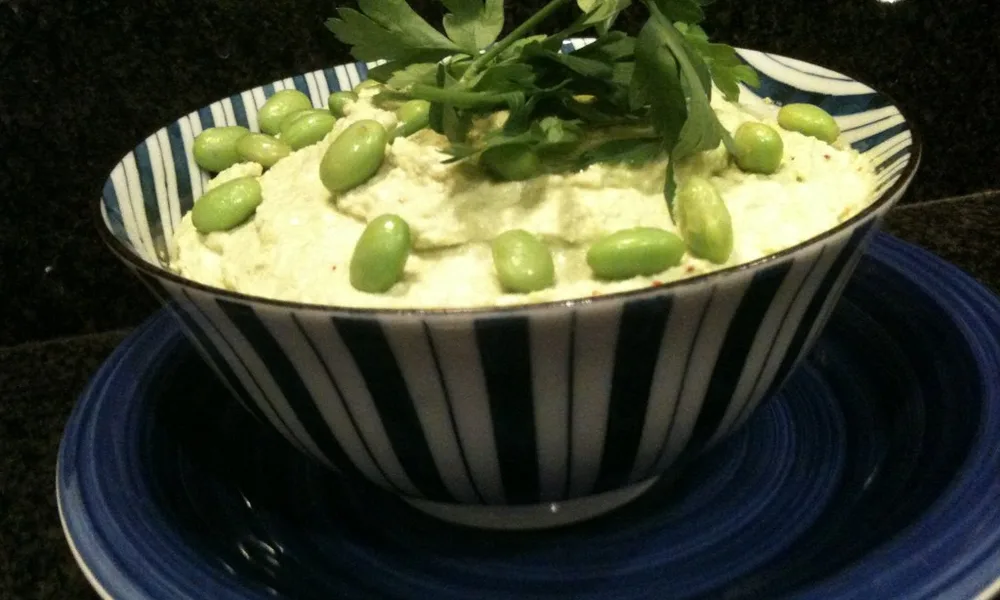
Blend a cup of cooked shelled beans with tahini, lemon, and garlic for a bright green hummus in five minutes. Stirred into pasta in the last two minutes, it adds protein with no extra pan. In a stir-fry, a cup makes a thin fridge suddenly substantial.
For lunchboxes, shelled edamame is one of the few proteins that tastes good cold. Cook a cup the night before, chill it, and toss it with a little soy sauce and sesame seeds in the morning. It holds up far better than chicken or egg by midday, and it needs no reheating.
Our guide to the best frozen vegetables for quick, healthy meals covers the other bags worth keeping beside it, and our round-up of frozen peas worth stocking covers the closest rival.
Nutrition: What You Actually Get
Edamame is a young soybean, picked before it hardens, so it keeps the protein of a bean and the sweetness of a vegetable. A cup of shelled edamame carries around 17 grams of protein and 8 grams of fibre, which is more protein than an egg and more fibre than most vegetables. It is also a complete protein, which means it contains all nine essential amino acids, a rare thing in a plant.
Freezing is kind to edamame. The beans are picked and frozen within hours of harvest, which locks in their vitamins and keeps their colour bright. Frozen edamame often keeps more vitamin C than fresh beans that spent a week in transit. The real difference between bags is what gets added: a salted bag carries sodium you did not choose.
Storage: Keeping Edamame at Its Best
Store frozen edamame sealed, flat, and cold. Squeeze the air out of the bag before you seal it, and lay the bag flat in the freezer so it freezes in a thin layer and you can break off what you need. A bag left open will develop freezer burn within weeks, and the beans will taste of the freezer. Our guide to frozen broccoli worth stocking makes the same point about keeping bags sealed and flat.
A bag kept properly will taste good for three months and acceptable for six. After that the flavour fades and freezer burn sets in. Never refreeze edamame that has thawed, because the second freezing breaks the beans down completely. If a bag has thawed by accident, cook the beans within a day and eat them, or blend them into a dip.
Six-Point Checklist Before You Buy
- Squeeze the bag. The beans should feel loose and free-flowing, never a solid icy block.
- Read the ingredients. One ingredient, edamame, is the mark of a good bag; salt or seasoning means less control.
- Pick the form for the job: shelled for cooking, salads, and dips, and in-pod for snacking and sharing.
- Look for bright green, plump, even-sized beans with no yellowing and no large clumps of ice inside the bag.
- Cook fast and hot, straight from frozen, for two to three minutes, and season after cooking, not before.
- Seal the bag, lay it flat, label the date, and use it within three months.
Frequently Asked Questions
Do I need to defrost frozen edamame before cooking?
No. Cook it straight from frozen, in boiling water, a steamer, or the microwave. Defrosting first makes the beans soggy, and the only exception is a dip, where the beans are blended anyway.
How long should I cook frozen edamame?
Two minutes for shelled beans and three minutes for in-pod beans in boiling water. A minute longer turns them olive and mushy, so set a timer and drain them the moment it rings.
Can you eat the pods?
No. The pods are tough and fibrous, and they are not meant to be eaten. Squeeze the beans out with your teeth and discard the empty pod. Shelled edamame skips this step entirely.
Is frozen edamame as healthy as fresh?
Usually, yes, and sometimes more so. The beans are frozen within hours of picking, which locks in vitamins that fresh beans lose during transport and storage. A plain bag has nothing added.
Why is my frozen edamame mushy?
Usually over-boiling, or a bag that thawed and refroze before you bought it. Cook fast and hot, and buy loose, free-flowing bags.
How long does frozen edamame last in the freezer?
Three months for the best flavour, and up to six months before the quality drops noticeably. It stays safe to eat for longer, but the taste and texture fade, and freezer burn sets in.
The Bottom Line
The best frozen edamame in 2026 is a plain bag, bright green and loose in the bag, shelled for cooking and in-pod for snacking, cooked fast and hot straight from the freezer and seasoned by you, not by the factory. Stock one bag of each form, cook them for two to three minutes, and your freezer holds the fastest protein you own.