A Guide to Foundations That Match Your Skin in 2026
Foundation is the hardest makeup to buy and the easiest to get wrong. A good one disappears: it evens out your skin, softens redness, and leaves people thinking you have great skin rather than great makeup. A bad one does the opposite. It sits on the surface, shows every dry patch, turns orange by lunchtime, and announces itself from across the room. The difference is rarely the price.
This guide is about finding a foundation that matches your skin in 2026: reading your undertone, testing shades properly, and choosing the finish and coverage your skin actually likes, so the bottle you buy is the one you finish.
Key takeaways
- Shade is everything: a foundation even slightly too dark, too light, too pink or too yellow will look wrong in daylight, however good the formula is.
- Test on your jawline, not your hand: the jawline shows whether a shade blends into your neck, while your hand is a different colour entirely.
- Finish should match your skin: a dewy finish flatters dry skin and overwhelms oily skin, while a matte finish does the exact opposite.
- Less is more: a thin layer, blended well, looks like skin, while a thick layer looks like makeup and cracks by the afternoon.
- Check it after an hour: a good foundation looks the same after an hour, while a bad one oxidises, cakes or slides.
Start with your skin, not the bottle
Every good foundation match starts before you pick up a bottle, with an honest look at your own skin. Is it dry, oily, or somewhere in between? Does it go shiny by midday, or feel tight by the afternoon? The answers decide the formula far more than any shade chart does, because a perfect shade in the wrong formula will still look wrong.
Dry skin needs hydration and a finish that reflects light. Oily skin needs a formula that controls shine without feeling tight. Combination skin, the most common kind, needs a middle ground: a medium-coverage satin that behaves everywhere. If you are not sure what kind of skin you have, wash your face, wait an hour without applying anything, and look: shine everywhere means oily, tightness means dry, shine only on the forehead and nose means combination.
Undertone: warm, cool or neutral
Undertone is the test most people get wrong. A foundation is a tinted cream, liquid or powder designed to even out skin tone, and at its heart it is pigment suspended in a base of water, oil or silicone. Change the balance and you change everything: more pigment gives more coverage but a heavier feel, more oil gives a dewy glow but less staying power, more powder gives a matte finish but a drier look.
A warm foundation has yellow or golden tones, a cool one has pink tones, and a neutral one sits between the two. Put a pink foundation on warm skin and it looks grey; put a yellow one on cool skin and it looks sallow. The only reliable test is on your own jawline, blended toward your neck, in daylight, after ten minutes. The veins on the inside of your wrist help too: greenish veins and gold jewellery that suits you point to warm, bluish veins and silver point to cool, and if you cannot tell, you are probably neutral.
Depth: finding your shade number
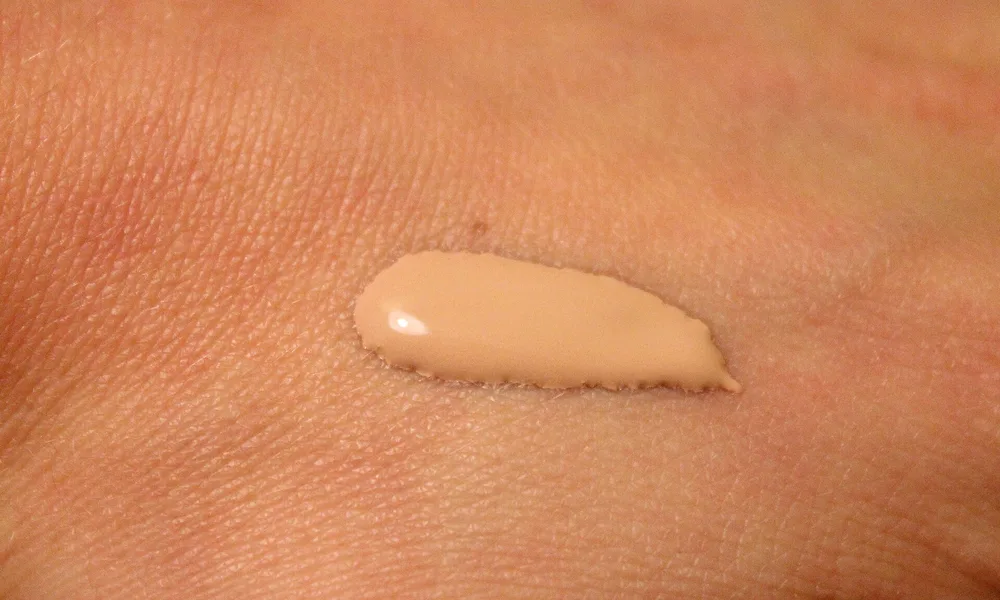
Once the undertone is settled, depth is the next question: how light or deep is your skin? Most brands now number their shades from light to deep, and the honest ones offer forty or more, with clear warm, cool and neutral options at every depth. A narrow shade range is a warning sign. If a brand offers twelve shades and only two of them are deep, it has not built its range for real skin.
Depth changes through the year, which is why the shade that matched you in February may not match you in August. Many people need two shades: one for winter, one for summer, mixed in spring and autumn. Buying the second shade is cheaper than wearing the wrong one for half the year.
Finish and formula by skin type
Finish decides how a foundation looks on real skin through a working day, and each one has a place. A satin finish is the best all-rounder: a soft sheen, enough pigment to make a difference, and a fade that stays even. A dewy finish flatters dry skin and overwhelms oily skin. A matte finish controls shine on oily skin but cakes on dry patches. The table below is the quickest way to match the two.
| Finish | Best for | Avoid if | Wear |
|---|---|---|---|
| Satin | Most skin types, everyday | Very oily skin | 6 to 8 hours |
| Dewy | Dry or mature skin | Oily or acne-prone skin | 5 to 7 hours |
| Matte | Oily skin, long days | Dry or flaky skin | 8 hours or more |
| Sheer or tinted | Good skin, no-makeup days | You need real coverage | 4 to 6 hours |
| Powder | Oily skin, touch-ups | Dry or mature skin | 5 to 6 hours |
Coverage: how much do you actually need
Coverage is the first thing most people ask about, and more is not always better. A sheer foundation lets freckles show through and takes the edge off redness, which is enough for most days. A medium foundation covers redness and uneven tone while still looking like skin. A full-coverage foundation hides almost everything, but it is hardest to apply well, most likely to cake, and most obvious in daylight.
The honest test is to ask what you are covering. If it is mild redness and uneven tone, medium coverage is plenty. If it is strong pigmentation, scarring or a skin condition, full coverage earns its place, applied thinly and built up only where you need it. Our comparison of the best and worst foundations of 2026 shows how the same coverage level can look honest in one formula and wrong in another, so trust your own mirror over the claim on the bottle.
The jawline test, step by step
Testing a foundation properly takes ten minutes and no special tools. Start with clean, moisturised skin, and bring the bottles to a window or step outside: shop lighting is warm and flattering, while daylight is honest. Our guide to why the right moisturizer changes everything is worth reading first if your skin is dry, because a good moisturiser is the base that makes any foundation behave.
Swatch three shades on your jawline, side by side, blending each one down toward your neck. The right shade is the one whose edge disappears: you cannot see where it starts and stops. The wrong ones show a line, a patch of pink, or a stripe of yellow. Wait ten minutes before deciding, because some foundations oxidise, darkening or turning orange as they react with the air and the oils on your skin. A shade that looked perfect in the shop and wrong by lunchtime has oxidised, and it will do it every time you wear it.

If two shades both look close, choose the lighter one. A shade slightly too light can be warmed up with a little bronzer, while a shade slightly too dark makes the whole face look muddy. And if none of the shades disappear into your jawline, the brand does not make your shade, whatever the chart says.
Tools: fingers, sponge or brush
The tool you use changes the result as much as the product does. Fingers are best for sheer and dewy foundations, because their warmth softens the product and presses it into the skin. A damp sponge is best for medium coverage, because it sheers the foundation out and leaves no edge. A brush is best for full coverage, because it places the product evenly and builds it up without streaks.
Whatever tool you use, the technique is the same: start in the centre of the face, where redness is worst, and blend outward, adding a little more only where you need it. A thin layer, blended well, looks like skin, while a thick layer looks like makeup and cracks by the afternoon. Concealer does the detailed work afterwards: our comparison of the best and worst concealers of 2026 explains why a good base makes every concealer perform better, and why foundation first, concealer second, uses less of both.
When your shade stops matching
A foundation that matched you perfectly in March can look wrong by July, and that is normal. Skin tans, even with sunscreen, and it also changes with the seasons: drier in winter, oilier in summer. If your foundation suddenly looks too light, too dark or too pink, your skin has changed, not the bottle.
The fix is to keep two shades and mix them. A drop of a darker foundation warms a winter shade for summer, and a little moisturiser mixed into a full-coverage foundation sheers it out for days when you want less. And if your skin itself has changed, the formula may need to change too: the matte foundation that served you in your twenties may not serve you in your forties.
Everyday foundation buying checklist
- Know your skin type first: dry, oily, combination or sensitive decides the formula before you look at a shade.
- Find your undertone with the wrist test, then confirm it on your jawline in daylight, not under shop lights.
- Swatch three shades side by side on your jawline and pick the one whose edge disappears into your neck.
- Wait ten minutes after swatching before deciding, because some foundations oxidise and turn orange as they settle.
- Match the finish to your skin: satin for most days, dewy for dry skin, matte for oily skin, sheer for good-skin days.
- Buy one bottle and wear it for two weeks before buying another, so you learn how it behaves on your real skin.
Frequently asked questions
Should I match foundation to my face or my neck?
Your neck. The jawline test works because it shows whether a shade blends into your neck, and a foundation that matches your face but not your neck leaves a visible line that everyone can see in daylight.
Why does my foundation turn orange during the day?
It is oxidising: the formula reacts with the air and the oils on your skin and darkens as it settles. It will do it every time you wear it, so a shade that oxidises is the wrong shade, however good it looked in the shop.
Can I wear foundation every day?
Yes, if it is the right formula for your skin and you take it off properly at night. A light, breathable foundation worn daily is fine; a heavy, full-coverage one worn every day without proper cleansing is what causes problems.
How do I stop foundation from caking?
Use less product, moisturise first, and apply in thin layers with a damp sponge. Caking is almost always too much product on skin that was not prepared, rather than a bad foundation.
Do I need primer under foundation?
Only if you have a specific problem it solves: large pores, very oily skin, or makeup that slides off by midday. For most people, a good moisturiser left to sink in for ten minutes does the same job.
When should I throw a foundation away?
When it smells different, separates and will not mix back together, or changes colour in the bottle. Most liquid foundations last about a year once opened if kept cool and out of sunlight.
The bottom line
The foundations that match your skin in 2026 are the ones that disappear: an undertone that agrees with your own, a depth that blends into your neck in daylight, a finish that suits your skin type, and a layer so thin you forget you are wearing it. Test on your jawline, wait ten minutes, and buy fewer bottles but better ones. The right foundation should make people think you have great skin, not great makeup.


