Frozen cauliflower is one of the most useful bags in the freezer aisle, and one of the most often ruined. Bought well and cooked hot, it turns into crisp roasted florets, a creamy soup, or a convincing bowl of cauliflower rice in minutes. Bought badly and boiled, it turns into the grey, watery mush that gives frozen vegetables a bad name. The difference is rarely the brand on the bag. It is the cut you choose, how much water you let near it, and whether you give it enough heat to brown. This guide covers all of it: florets versus riced, the cooking methods that actually work, the recipes where frozen cauliflower shines, and how to store it so the next bag is as good as the first.
Key Takeaways
- Buy florets for roasting and side dishes, and riced cauliflower for stir-fries, soups, and low-carbohydrate swaps; the two cuts are not interchangeable.
- Never boil frozen cauliflower if you want it to taste good: roast, air-fry, or sauté it from frozen, in a single layer, with plenty of heat.
- Check the bag before you buy it: the florets should be loose and separate, with no large ice crystals and no frost clinging to the inside of the bag.
- Do not thaw frozen cauliflower before cooking it, and never refreeze it once it has thawed, because both steps make it soggy.
- A bag of frozen cauliflower keeps for eight to twelve months in a sealed freezer bag, and it costs a fraction of fresh cauliflower out of season.
What Is Actually in a Bag of Frozen Cauliflower?
Frozen cauliflower starts life as ordinary fresh cauliflower, picked at its peak, cut into florets, briefly blanched in hot water, and then frozen within hours. Blanching stops the enzymes that would otherwise turn it brown and mushy in storage, and flash-freezing locks in most of its nutrients. That is why a bag of frozen cauliflower can be as nutritious as a fresh head, and sometimes more so, because fresh cauliflower loses vitamins during the days it spends in transit and on a shelf. A good bag contains one ingredient: cauliflower. If the ingredients list mentions anything else, put it back.
Florets vs Riced: Which Cut Should You Buy?
The two main cuts of frozen cauliflower do different jobs, and choosing the wrong one is the most common mistake. Florets are whole pieces, roughly the size of a golf ball or smaller, and they behave like a vegetable: they roast, they hold their shape in a curry, and they look like something on a plate. Riced cauliflower is cauliflower that has been grated into small, rice-sized grains. It cooks in minutes, it absorbs flavour from sauces and spices, and it works as a base for dishes where rice would normally sit. It will never roast into a crisp floret, and florets will never turn into a convincing rice without a food processor and a lot of patience.
| Cut | Best for | Cooking time | Watch out for |
|---|---|---|---|
| Florets | Roasting, air-frying, curries, sheet-pan dinners | 18–25 minutes roasted | Small pieces burn before large ones cook; pick even sizes |
| Riced | Stir-fries, fried rice, soups, mash, pizza bases | 4–6 minutes sautéed | Goes mushy fast; cook it hot and briefly, never boil |
| Mash portions | Quick side dishes, shepherd’s pie topping | 4–5 minutes microwaved | Often salted; taste before adding more |
| Whole head | Roasting whole as a centrepiece | 45–60 minutes roasted | Hard to find frozen; fresh is usually better here |

How to Cook Frozen Cauliflower So It Actually Tastes Good
The single rule that matters most is this: cook frozen cauliflower from frozen, with dry heat, and do not crowd the pan. Thawing it first lets it sit in its own meltwater, and the result is steamed and soggy before it ever sees heat. Tipping a whole bag onto one small tray has the same effect, because the florets steam each other instead of roasting. Spread them in a single layer, leave gaps between them, and use a second tray if you have to.
Roasting: the best method for florets
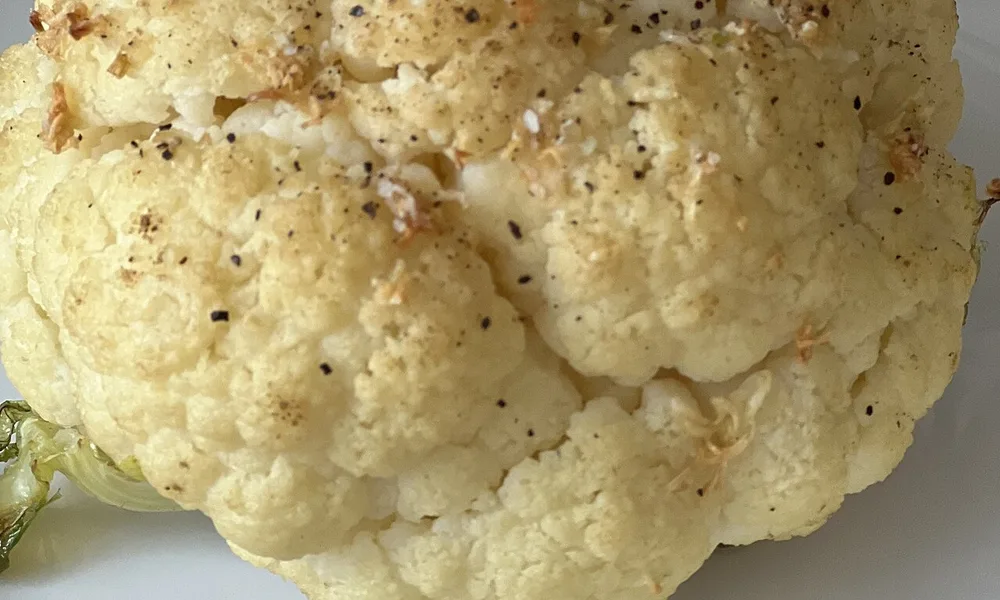
Heat the oven to 220 degrees Celsius, or 200 degrees with a fan, and put the tray in while the oven heats so it is hot when the cauliflower lands on it. Tip the frozen florets straight onto the hot tray, toss them with a tablespoon of oil and a good pinch of salt, and spread them out. Roast for 20 to 25 minutes, turning once halfway through, until the edges are golden and crisp. The florets should be browned in places and tender in the middle. If they are pale and soft, the oven was not hot enough or the tray was too crowded. Roasting is also the method that suits frozen cauliflower best when you compare it with the wider freezer aisle, and the general principles are the same ones that make the best frozen vegetables work: high heat, a single layer, and as little water as possible.
Air-frying: the fastest way to crisp florets
An air fryer is, in practice, a small hot oven, and it suits frozen cauliflower perfectly. Preheat it to 200 degrees, add the florets in a single layer, spray or toss them lightly with oil, and cook for 12 to 15 minutes, shaking the basket once. The result is as crisp as oven roasting in about half the time, and the small basket makes it harder to overcrowd. Work in batches rather than piling the basket full; a second batch takes five minutes, while a crowded basket gives you steamed cauliflower and a wasted bag.
Steaming and sautéing: for riced cauliflower
Riced cauliflower needs the opposite treatment from florets in one respect: it cooks so fast that it is easy to overdo. Heat a wide pan over a high heat with a little oil, add the riced cauliflower straight from the freezer, and stir-fry for four to six minutes until it is hot through and just tender. Season it well, because plain riced cauliflower is mild to the point of blandness, and it takes on the flavour of whatever you cook it with. Garlic, soy sauce, chilli, and lemon all work. Do not add water, do not cover the pan, and do not leave it on the heat while you do something else. Two extra minutes is the difference between fluffy grains and porridge.
Recipes That Make Frozen Cauliflower Shine
Frozen cauliflower earns its freezer space when it is the backbone of a dish rather than a sad side. The recipes below all start with a bag from the freezer, take under half an hour, and taste like food you meant to cook.
Cauliflower rice stir-fry
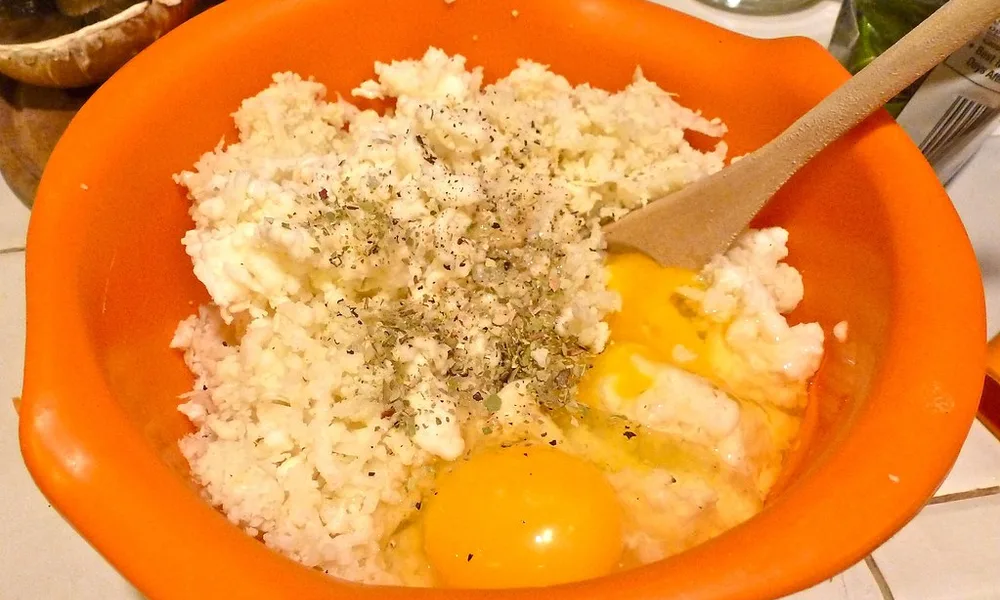
Heat oil in a wide pan, fry garlic, ginger, and chilli for a minute, then add the riced cauliflower straight from the bag. Stir-fry on a high heat for five minutes, push it to the side, scramble an egg in the empty space, and mix everything together with soy sauce, spring onions, and whatever vegetables you have. It works as a light main dish on its own, or as a base under chicken, prawns, or tofu. The cauliflower stays separate and fluffy if the pan is hot and you do not stir it constantly; let it sit for a minute between stirs so it browns.
What to Look for When You Buy a Bag
Not all frozen cauliflower is equal, and the bag tells you most of what you need to know before you open it. Hold it up and look through the plastic. The florets should be loose and separate, rattling when you shake the bag, with no large lumps of ice and no thick frost on the inside. A bag that feels like a solid block has thawed and refrozen somewhere on its journey, and the cauliflower inside will be mushy. The colour should be creamy white with no grey or brown patches, and the florets should be roughly the same size so they cook evenly.
Check the ingredients list, which should say one thing: cauliflower. Some brands add salt to riced cauliflower, which is not a disaster but is worth knowing before you season the dish. Own-brand supermarket bags are usually as good as the named brands here, and often cheaper, because cauliflower is cauliflower once it is frozen well. The difference between a good bag and a bad one is almost always handling and storage, not the name on the front. The same loose, even pieces matter for the best frozen broccoli too: the bag you can see through is the bag you can trust.
Storage, Value, and Serving
An unopened bag of frozen cauliflower keeps for eight to twelve months in a freezer that stays at minus 18 degrees, and it is worth writing the date on the bag when you open it. Once opened, squeeze the air out, seal it with a clip or a rubber band, and use it within a month or two for the best texture. It will still be safe after that, but the quality drops as ice crystals build up. Never refreeze cauliflower that has thawed: cook it instead, and eat it that day.
Checklist: Buying Frozen Cauliflower
- Shake the bag: the florets should be loose and separate, not a solid frozen block.
- Look for creamy white colour with no grey patches and no thick frost inside the bag.
- Pick florets of roughly even size so they cook at the same rate.
- Check the ingredients: it should say cauliflower, and nothing else.
- Buy florets for roasting and riced for stir-fries, soups, and rice swaps.
- Once opened, squeeze the air out, seal the bag, and use it within a month or two.
Frequently Asked Questions
Is frozen cauliflower as healthy as fresh cauliflower?
Yes, for practical purposes. It is blanched and frozen within hours of picking, which preserves most of its vitamin C, folate, and fibre, and it is low in calories either way. Fresh cauliflower that has spent a week in transit and a few days in the fridge may have lost more nutrients than a bag from the freezer.
Do I need to thaw frozen cauliflower before cooking it?
No, and you should not. Cook it straight from frozen with dry heat, such as roasting or air-frying, for the best texture. Thawing it first leaves it sitting in meltwater and makes it soggy.
Why does my frozen cauliflower always come out soggy?
Almost always because it was boiled, thawed first, or crowded on the tray. Cook it from frozen, in a single layer, in a hot oven or air fryer, with a little oil and no added water.
Can I use frozen cauliflower instead of fresh in any recipe?
Almost. It works in roasts, soups, curries, stir-fries, mash, and rice dishes. It is less suited to recipes where raw cauliflower needs to stay crisp, such as a crudité platter or a salad that calls for raw florets.
How long does frozen cauliflower last in the freezer?
An unopened bag keeps for eight to twelve months at minus 18 degrees. Once opened, seal it well and use it within a month or two for the best texture.
Can I refreeze frozen cauliflower that has thawed?
No. Once it has thawed, cook it and eat it that day. Refreezing makes the texture much worse and is not worth doing.
Bottom Line
Frozen cauliflower is a genuinely good ingredient that gets ruined by timid cooking. Buy a bag where the florets are loose and the ingredients list says cauliflower, cook it from frozen with high, dry heat, and season it boldly. Keep florets for roasting and riced for stir-fries and soups, and it will earn its place in the freezer. The best frozen spinach may be the workhorse of the freezer aisle, but frozen cauliflower is the one that tastes most like a proper dinner when it is cooked well.