A crayon is one of the simplest tools a person can pick up, and one of the easiest to buy badly. A good crayon lays down colour smoothly, holds together under a firm hand, and keeps its tip long enough to finish a picture instead of crumbling halfway through. A bad crayon does the opposite. It drags across the paper, leaves pale scratchy lines, snaps at the first sign of pressure, and fills the page with waxy crumbs instead of colour. The best crayons of 2026 are not the biggest boxes and they are not the ones with the brightest packaging. They are the crayons that colour evenly, feel comfortable in the hand, and keep working until they are worn down to a stub.
What Makes a Crayon Good
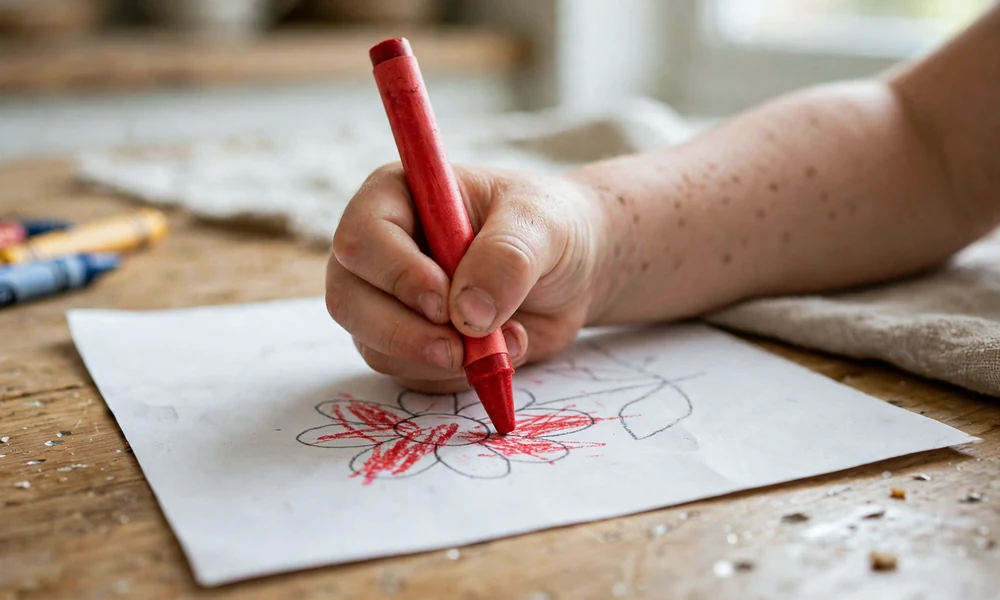
The first thing to judge is how the colour goes down. A good crayon leaves a rich, even layer with one smooth stroke, without needing to press hard or go over the same spot again and again. The wax should glide rather than drag, and the colour on the paper should look close to the colour of the crayon itself. If the line comes out pale, patchy or scratchy, the crayon is either too hard or too dry, and no amount of effort will make the picture look good. Smooth, strong colour is the foundation of everything else, and it matters more than the number of colours in the box.
The second thing is strength. A crayon will be pressed, leaned on and sometimes dropped, and a good one survives all of that without snapping in half. The wax should be firm enough to hold a point but not so brittle that it breaks when a child grips it tightly. A crayon that snaps every few minutes is not just annoying; it teaches the person using it to colour timidly, with light nervous strokes, instead of drawing with confidence. A strong crayon lets the hand relax, and relaxed hands make better pictures.
The Main Types of Crayon
Standard wax crayons are the classic kind most people picture when they think of crayons. They are slim sticks of coloured wax wrapped in paper, sold in boxes of eight, sixteen, twenty-four or more. They are cheap, easy to find and good for everyday drawing and colouring, and they suit older children and adults who have learned not to press too hard. Their colours are bright and familiar, and a fresh box has a smell that takes many people straight back to school. For general use at home or in the classroom, a good set of standard wax crayons is still the sensible starting point.
Jumbo crayons are thicker and shorter, made for small hands that are still learning to grip. They are easier to hold, harder to snap and less likely to roll off the table, which makes them the right choice for toddlers and very young children. The thicker barrel also means more wax, so a jumbo crayon lasts longer even when it is used with enthusiasm. The trade-off is detail: a fat tip cannot draw a fine line, so jumbo crayons suit big bold colouring rather than careful work. For a first set, though, they are hard to beat.
Twistable crayons work like a pen: twist the end and more crayon slides out of the plastic barrel. They never need sharpening, they do not snap, and they do not leave waxy crumbs on the hands or the table. That makes them a tidy choice for travel, for school bags and for anyone who dislikes mess. The colour is usually smooth and strong, though the plastic barrel can feel less natural in the hand than a plain wax stick. For drawing on the move, or for a child who breaks every ordinary crayon in sight, a twistable set is worth the extra cost.
Water-soluble crayons, sometimes called watersoluble wax crayons, can be used dry like an ordinary crayon or brushed with water to turn the colour into a wash. That second trick opens up a whole new way of working: soft skies, blended backgrounds and gentle shading that a dry crayon cannot manage. They are a good bridge between crayons and paint, and they suit older children and adults who want to try something a little more ambitious. The paper matters here, because thin paper will buckle when it gets wet, so use them on thicker paper or card for the best results.
How to Choose the Right Set
Start with the person who will use the crayons. A toddler needs jumbo crayons that are easy to grip and hard to break. A school-age child needs a standard set with a good range of colours and crayons that survive a school bag. An adult who colours for relaxation or makes art will want richer pigment, smoother blending and perhaps oil pastels or water-soluble crayons. Buying a set made for the wrong age is the most common mistake: a toddler given slim crayons will snap them, and an adult given a toddler set will find the colours too pale and the tips too blunt for careful work.
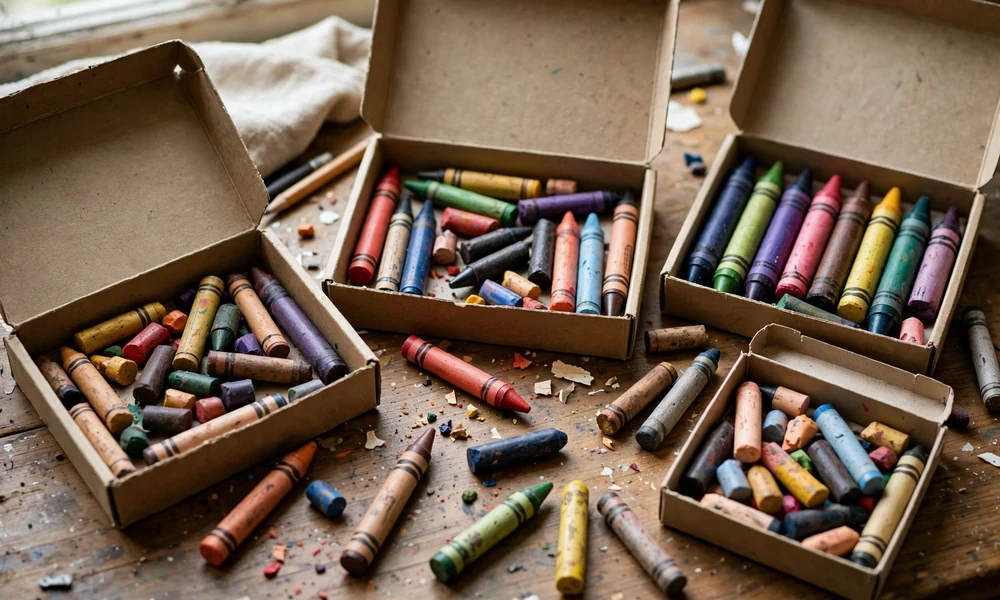
Next, look at the colour range rather than the colour count. A set of twenty-four crayons with a well-chosen range will cover most pictures: several reds, blues, greens and yellows, plus browns, pinks, purples, black, white and a few skin tones. A huge set with ninety colours sounds impressive, but many of those extra shades will barely be used, and the quality of each crayon matters far more than how many there are. Check for the colours that get used most: a good red, a true blue, a grass green, a sunny yellow and a warm brown. If those five are strong, the set is probably good.
The Best Crayons of 2026
The best all-round crayon set of 2026 is a mid-priced box of twenty-four standard wax crayons with strong, even colour and sturdy sticks. Every colour in the box lays down smoothly, the crayons hold their points well, and none of them snaps under normal use. The range covers the colours people actually reach for, with no dull fillers and no shades that look identical on paper. It is the set for the kitchen table, the classroom and the sketchbook: affordable enough to replace without a second thought, and good enough that nobody will wish for a better box.
The best crayons for young children this year are a set of chunky jumbo crayons in bright, cheerful colours. They fit small hands comfortably, they survive being dropped and pressed hard, and their colour is bold enough to delight a child on the first stroke. The set is small on purpose, with just enough colours to learn about mixing and choosing, and the crayons are non-toxic and washable, which keeps parents calm. For a first set, or a gift for a toddler, this is the pick that makes the most sense for the most families.
The best twistable crayons of 2026 are a smooth, tidy set that never needs sharpening and never snaps. The twist mechanism is sturdy and does not slip, the colours are rich, and the plastic barrels keep hands and tables clean. They are the crayons to pack for a car journey, a restaurant or a holiday, because they travel well and make almost no mess. They cost more than a plain wax set, but the lack of breakage and the lack of crumbs make them good value over time, especially for families who have lost count of how many ordinary crayons have snapped.
The best crayons for artists and adult colouring are a set of oil pastels with soft, buttery colour that blends beautifully. The pigment is deep and the sticks lay down thick, even layers that can be smudged, layered and scraped for texture. They turn a simple sketch into something rich and expressive, and they reward anyone willing to experiment. They are messy, and finished work needs a fixative or a frame to stop it smudging, but for serious colour work they are the most rewarding crayons in this guide by a clear margin.

What Else You Need
Crayons on their own are only half the kit. Paper matters more than most people expect: thin printer paper tears under heavy colouring and buckles when water-soluble crayons get wet, while a thicker drawing pad or sketchbook holds up far better. A colouring book with thick pages is a good start for children, and a proper sketchbook is better for adults. A simple pencil sharpener made for crayons can rescue a blunt tip, though twistable crayons never need one. A small box or tin keeps the set together, because a crayon that rolls away is a crayon that gets lost or stepped on.
Common Mistakes to Avoid
The biggest mistake is pressing too hard. A good crayon colours well with light, even pressure, and pressing hard only snaps the tip, leaves crumbs and makes the colour look waxy and uneven. The second mistake is buying the biggest box instead of the best box: a huge set of pale, crumbly crayons will frustrate anyone, while a smaller set of strong ones will get used every day. The third is storing crayons in a hot car or on a sunny windowsill, where the wax softens and the colours can melt together into a sticky mess. Keep them cool and dry, and they will last for years.
How Crayons Fit a Creative Afternoon
Crayons are one of the few art supplies that ask nothing of the person using them. There is no set-up, no water to spill, no brushes to wash, just a box, some paper and a free afternoon. That ease is part of the appeal, and it is why crayons sit so well beside other gentle creative pastimes. A drawing session pairs naturally with other hands-on hobbies, and many people who enjoy colouring also enjoy the broader world of art supplies. Readers who want to branch out will find plenty to like in the best markers guide, which covers bold lines and bright colour from a different angle: the right tool, matched to the picture, makes the whole afternoon more fun.
The hobby also builds the kind of colour sense that carries into other kinds of art. Learning how crayon colours layer and blend teaches the eye to see warm and cool tones, and that skill transfers directly to paint. Readers who enjoy that kind of mixing will find plenty to like in the best watercolor sets and the best acrylic paints guides, which cover the same idea from a different angle: the right colours, matched to the maker, make the whole picture more satisfying.
The Verdict
The best crayons of 2026 are the ones that colour smoothly, hold together and suit the person holding them. For most people that means a mid-priced box of twenty-four standard wax crayons: strong colour, sturdy sticks and a range that covers everyday pictures. For young children, chunky jumbo crayons are the better tool. For travel and tidy hands, twistable crayons win. For artists, oil pastels are the most rewarding choice of all. Whatever the choice, start with good paper, press lightly, keep the box cool and dry, and let the colours do the work. A crayon chosen this way will not just colour well on the first day; it will still be colouring well when it is worn down to a stub, and every finished picture will feel like it was earned.