Why Dumplings Deserve a Spot on Your Table in 2026
The best dumplings are small, deceptively simple parcels that reward attention to detail: a thin, tender wrapper, a juicy, well-seasoned filling, and a seal that holds through cooking. Dumplings appear in almost every food culture on earth, from Chinese jiaozi and Japanese gyoza to Polish pierogi and Turkish manti. They are economical, endlessly adaptable, and deeply satisfying to eat. They are also easy to get wrong: thick doughy wrappers, bland fillings, and burst seams are the usual disappointments. This guide explains what makes a dumpling great, which styles to learn first, how to fold and cook them, and how to choose between homemade and frozen in 2026.
Key Takeaways
- Buy or make thin wrappers: a wrapper that is too thick is the most common reason homemade dumplings taste doughy.
- Season the filling generously and test it by frying a small spoonful before you fold a whole batch.
- Seal firmly with water and press out the air, or the dumplings will burst while cooking.
- Match the cooking method to the style: steam for delicate wrappers, pan-fry for crisp bottoms, boil for hearty fillings.
- Freeze dumplings in a single layer first, then bag them, so they never stick together.
What Makes a Great Dumpling
A great dumpling is a balance of three things, and the wrapper is the first of them. The wrapper should be thin enough to be tender and almost translucent when cooked, but strong enough to hold a juicy filling without tearing. Too thick, and you are eating dough with a little filling; too thin, and it splits in the pan. If you are buying wrappers, look for ones labelled specifically for dumplings rather than wonton wrappers, which are thinner, squarer, and made with egg. If you are making your own dough, roll each wrapper thin at the edges and slightly thicker in the centre, where it takes the most pressure from the filling.
The filling is where the flavour lives, and it needs more seasoning than you expect. A raw filling always tastes milder than the finished dumpling, so season boldly: salt, soy sauce, ginger, garlic, and spring onion are the backbone of most fillings. A little fat keeps the inside juicy, so use fattier pork or fold a spoonful of oil into a vegetable filling. Fry a teaspoon of the filling and taste it before you fold a whole batch.
The seal decides whether the dumpling survives cooking. It should be firm, even, and free of trapped air, which expands as it heats and bursts seams. Press the filling down, squeeze out the air, and make sure the edges are damp enough to stick. A simple pressed fold that is properly sealed beats a fancy pleat that leaks.
The Dumpling Styles Worth Knowing
Chinese jiaozi are the classic starting point: crescent-shaped, usually filled with pork and cabbage or chive, and they can be boiled, steamed, or pan-fried. Their wrappers are a simple flour and water dough, forgiving to fold, which makes them the best first dumpling to learn.
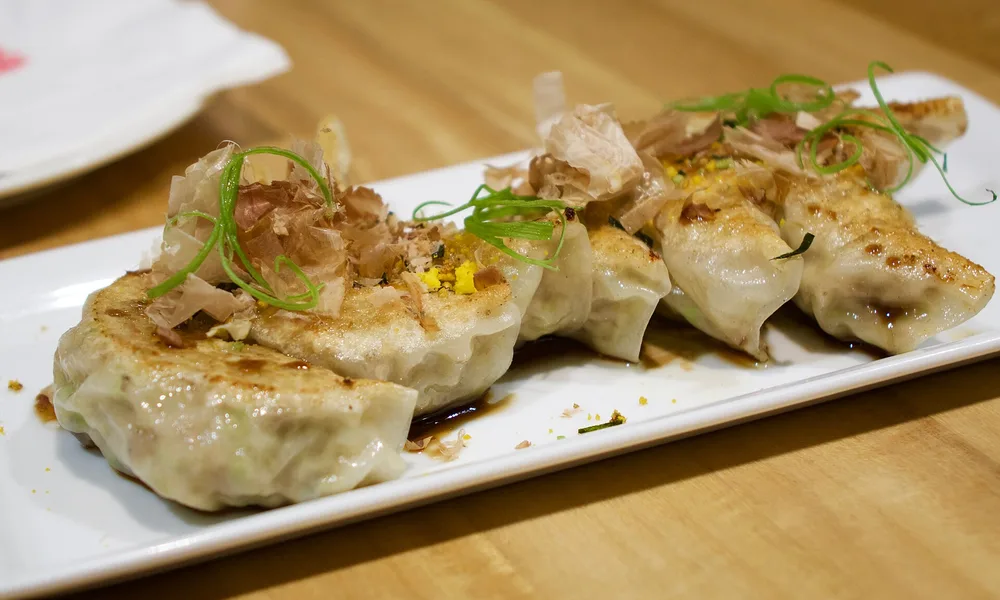
Japanese gyoza are close cousins with a thinner wrapper and a filling that is usually more finely chopped, often with garlic chives and a higher proportion of cabbage. They are almost always pan-fried using the steam-fry method: fry the base until golden, add a splash of water, cover, and let the steam finish the tops. The result is a dumpling that is crisp underneath and soft on top, and it is one of the most satisfying textures in cooking. Gyoza wrappers are thinner than jiaozi wrappers, so they cook faster and need a gentler hand when folding.
Soup dumplings, or xiao long bao, contain aspic, a jellied stock that melts into soup as the dumpling steams. They are hard to make at home, but widely available frozen, and a good frozen soup dumpling is one of the best value convenience foods you can buy. Steamed prawn dumplings, or har gow, are another dim sum favourite, with a translucent, slightly chewy wrapper.
Beyond Asia, Polish pierogi are filled with potato and cheese or sauerkraut and mushroom, then boiled and pan-fried in butter, while tiny Turkish manti are served with yoghurt and chilli butter. Learn one style well and the skills transfer.
How to Fold a Dumpling That Holds
Folding looks harder than it is, and the simple half-moon fold is all you need to start. Place about a teaspoon of filling in the centre of the wrapper, wet the edge with a fingertip dipped in water, and fold the wrapper in half. Press the edges together firmly, starting at one end and working to the other, squeezing out air as you go. That is a complete, functional dumpling. It will cook perfectly and hold its filling. Pleats are optional decoration, and they come later.
To add pleats, make three small folds along one edge, pressing each into the opposite edge. Do not overfill: a teaspoon is enough, and more filling makes sealing harder and bursting more likely. Keep unused wrappers covered with a damp cloth so they do not dry out.

Three Ways to Cook Dumplings
Boiling is the simplest and most forgiving method. Bring a large pot of water to a rolling boil, add the dumplings, and stir gently so they do not stick. When the water returns to the boil, add a cup of cold water, and repeat twice more. The dumplings are done when they float and the wrappers look slightly translucent.
Steaming gives the most delicate result and is the right choice for soup dumplings and har gow. Line a steamer with parchment or cabbage leaves, arrange the dumplings with space between them, and steam over boiling water for six to eight minutes. It is also the gentlest method for frozen dumplings, because it heats them evenly without stressing the seal.
Pan-frying, or the potsticker method, gives two textures at once: a crisp, golden base and a soft, steamed top. Heat a little oil in a non-stick pan, arrange the dumplings flat-side down, and fry for two minutes until the bases are golden. Add a few tablespoons of water, cover, and steam for three to four minutes, then remove the lid and let the water evaporate so the bases crisp again. Do not move the dumplings once they are in the pan.
Dumplings Compared
| Style | Wrapper | Typical Filling | Best Method | Difficulty |
|---|---|---|---|---|
| Jiaozi | Flour and water | Pork and cabbage | Boiled or pan-fried | Easy |
| Gyoza | Thin flour | Pork, cabbage, chive | Pan-fried | Easy |
| Xiao long bao | Thin flour | Pork and aspic | Steamed | Hard |
| Har gow | Wheat starch | Prawn | Steamed | Hard |
| Pierogi | Flour and egg | Potato and cheese | Boiled, then fried | Medium |
| Manti | Thin flour | Spiced lamb or beef | Boiled | Medium |
Homemade or Frozen
Homemade dumplings are better than frozen ones when made well, but a good frozen dumpling beats a rushed homemade one every time. Making your own takes about an hour for a batch of forty, mostly folding, and the reward is complete control over the filling, seasoning, and wrapper thickness. Freeze what you do not cook in a single layer on a tray, then bag them: they keep for a month and cook straight from frozen with a couple of extra minutes.
When buying frozen dumplings, look for a short ingredient list and a filling you can identify: real pork, prawn, cabbage, or mushroom near the top, not mostly textured soy protein and starch. The wrapper should look thin and even. Frozen soup dumplings and gyoza have the widest quality gap between brands, so try two or three before settling on a favourite. Cook them from frozen, never defrost them first.
Sauces That Make the Difference
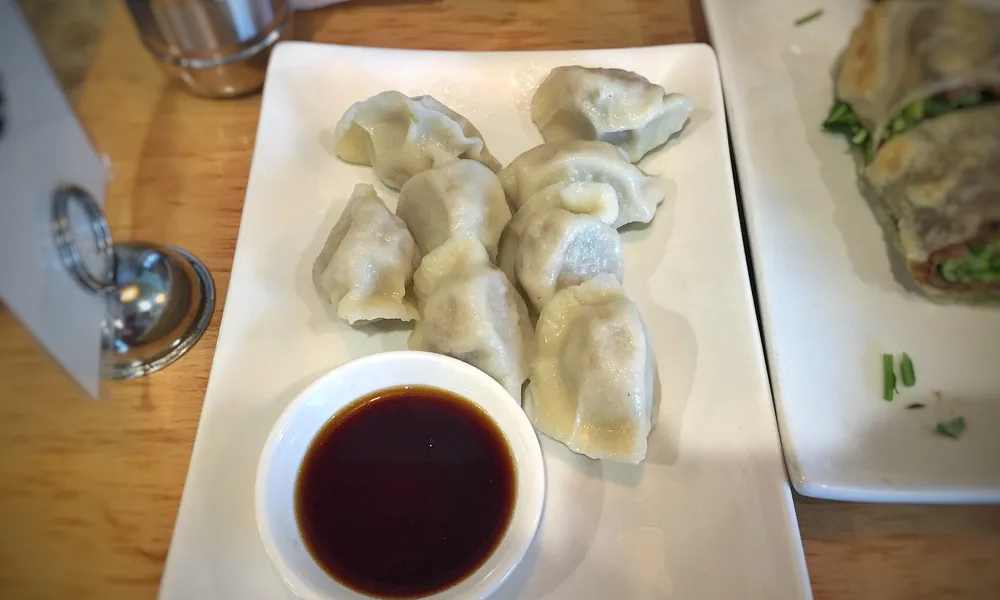
A good dipping sauce is not an afterthought: it is part of the dish. The classic base is soy sauce with a splash of rice vinegar, which gives you salt, acidity, and depth in one bowl. From there, you can build. Chilli oil adds heat and fragrance, and a spoonful of chilli crisp adds crunch as well as heat. A little grated ginger brings freshness, and a few drops of sesame oil add richness. For gyoza, the traditional ratio is roughly equal parts soy sauce and rice vinegar with a drop of chilli oil. For soup dumplings, a black vinegar with slivers of fresh ginger is the classic pairing.
Make sauces fresh each time: a week-old sauce loses its brightness. Mix it in the bowl you will eat from and adjust to taste, more vinegar if it tastes flat, more soy if it tastes thin, more chilli if it tastes dull. Two or three small bowls on the table turn a plate of dumplings into a shared meal. If you are building a pantry for this kind of cooking, our guides to the best soy sauces, chili crisp, and the best rice vinegars cover the bottles worth buying.
Dumpling Checklist
- Use thin wrappers and keep them covered so they stay pliable.
- Season the filling well and fry a teaspoon to taste it first.
- Use about a teaspoon of filling per wrapper, no more.
- Wet the edges, press out the air, and seal firmly.
- Match the method to the style: boil, steam, or pan-fry.
- Serve immediately with a fresh dipping sauce.
Frequently Asked Questions
Why do my dumplings burst while cooking?
Bursting is usually caused by trapped air inside the dumpling, an overfilled wrapper, or a seal that was not pressed firmly enough. Use about a teaspoon of filling, squeeze the air out as you close the wrapper, and make sure the edges are damp before pressing them together. Handle them gently in the pot and avoid crowding the pan.
Can I use wonton wrappers for dumplings?
You can, but the result will be different. Wonton wrappers are thinner, square, and made with egg, so they cook faster and have a more delicate, slightly yellow colour. They suit steamed dumplings but tear more easily when pan-fried. Round dumpling wrappers are thicker and more forgiving, so they are the better choice if you are learning.
How do I stop dumplings sticking together?
Give them space in the pot or steamer and stir gently in the first minute. When freezing, freeze in a single layer on a tray first, then bag them once solid, with a light dusting of flour to stop sticking.
Should I defrost frozen dumplings before cooking?
No. Cook frozen dumplings straight from the freezer, and add two to three minutes to the cooking time. Defrosting makes the wrappers soft and sticky, which causes tearing.
What is the difference between gyoza and jiaozi?
Gyoza are the Japanese version of Chinese jiaozi, with a thinner wrapper, a more finely chopped filling that usually includes garlic chives, and a cooking method that is almost always pan-frying with steam. Jiaozi have a slightly thicker wrapper, a coarser filling, and are commonly boiled. The skills for one transfer directly to the other.
How long do homemade dumplings keep?
Raw dumplings keep in the freezer for about a month if they are frozen in a single layer first and then sealed in a bag with the air pressed out. Cooked dumplings keep in the fridge for two days and reheat best in a steamer or a lightly oiled pan, not the microwave.
The Bottom Line
Dumplings deserve their place on your table because they reward a little care with a lot of flavour, and because one batch can feed a crowd, fill a freezer, or turn an ordinary evening into something worth sitting down for. Start with jiaozi or gyoza, use thin wrappers, season the filling boldly, seal firmly, and cook them by the method that suits the style. Keep a bag of good frozen dumplings for busy nights and a fresh dipping sauce on the side. Once you have folded a batch yourself and eaten them hot from the pan, the frozen aisle will never look quite the same again.