Fridge Liners That Keep Shelves Clean Without the Sticky Mess in 2026
Fridge liners are one of the cheapest upgrades you can make to a kitchen, and one of the most underrated. A good liner stops spills from reaching the glass shelf, keeps jars from sliding around, and turns a sticky clean-up job into a thirty-second wipe. The best fridge liners in 2026 do all of that without trapping smells, sliding out of place, or leaving a gummy residue when you peel them up. The worst ones do the opposite: they bunch up, hold moisture underneath, and make the fridge look worse than an empty shelf.
Key Takeaways
- Non-slip EVA and silicone liners grip best, while thin plastic shelf paper slides and bunches.
- Measure every shelf separately — fridge shelves are rarely the same size, and one roll seldom fits them all.
- Leave a small gap at the back of each shelf so cold air can circulate and the fridge stays efficient.
- Washable liners last far longer than disposable ones and cost less over a year of use.
- Pull liners out and clean underneath them monthly, or trapped moisture will turn into smells and mould.
What Fridge Liners Do, and What They Do Not
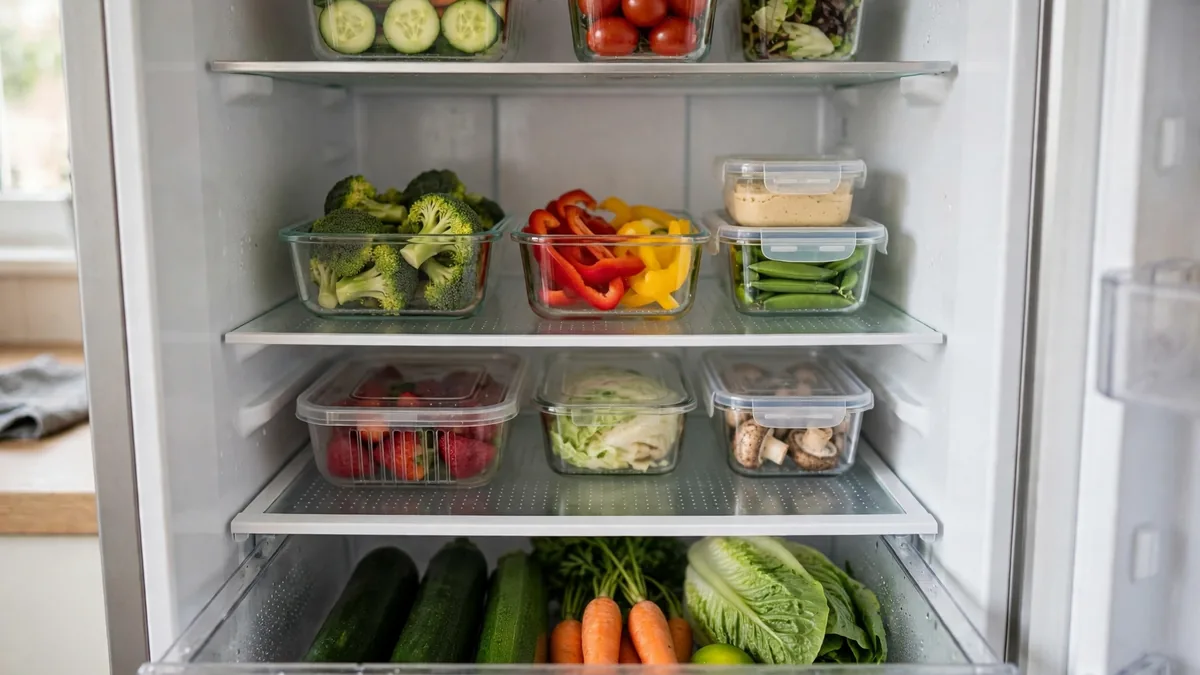
A fridge liner is a thin mat that sits on a shelf or in a drawer, between the shelf and your food. Its first job is protection: it catches drips from a leaky milk carton, a jar of jam, or a bag of vegetables before they reach the glass. Its second job is grip. A textured liner stops bottles and jars from sliding when you open and close the door, which means fewer knocks and fewer spills in the first place. Its third job is hygiene: a liner you can pull out and wash is much easier to clean than a fixed glass shelf with a lip.
What a liner cannot do is fix a fridge that is too warm, stop food from going off, or replace regular cleaning. It will not absorb odours on its own, and it will not keep vegetables fresh longer — that is a job for air flow and storage. Think of a liner as a washable worktop for your shelves: it makes the mess easier to deal with, but the mess still has to be dealt with. Pairing liners with good storage habits is where the real difference shows, and for keeping food fresh longer, our guide to vacuum sealers that keep food fresh for weeks covers the storage side in detail.
The Main Types of Fridge Liner
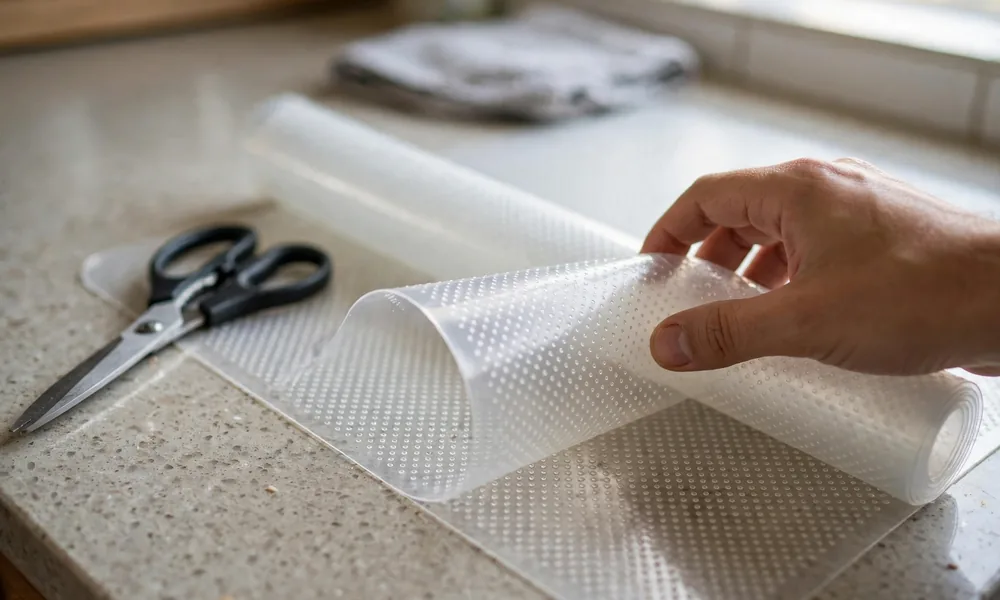
Most liners fall into four types, and the material decides almost everything about how they behave. EVA foam liners are the most common: soft, cushioned, non-slip, and easy to cut with scissors. They come in rolls and in pre-cut sheets, and they are the best all-round choice for most fridges. Silicone liners are heavier and grippier, and they handle heat and cold better than anything else, but they cost more and are harder to cut neatly. Clear plastic shelf paper is cheap and wipeable, but it slides around unless it has an adhesive backing, and adhesive versions can leave residue on glass shelves. Mesh or woven liners breathe well and let air through, which suits crisper drawers, but they trap crumbs in the weave and are harder to clean properly.
How to Choose the Right Liner
The right liner depends on where it goes and what sits on it. For glass shelves, a non-slip EVA or silicone liner is the best pick because glass is the slipperiest surface in the fridge. For wire shelves, a thicker liner is needed so small items do not tip through the gaps — a thin sheet will sag between the wires. For crisper drawers, a breathable mesh or a perforated liner works best, because solid liners can trap moisture under vegetables and speed up spoiling. For the door shelves, cut smaller pieces and accept that they will need replacing more often, because the door gets the most movement and the most knocks.
Thickness, Grip and Washability
Thickness is a trade-off. A liner around one to two millimetres thick is enough to cushion jars and stop sliding without eating into shelf height. Thicker liners feel more premium and absorb knocks better, but they are harder to cut and can make drawers stick. Grip matters more than thickness on glass shelves: a liner with a textured or dotted surface will hold a jar in place where a smooth one lets it slide. Washability is the feature that decides whether a liner lasts three months or three years. Machine-washable or wipe-clean liners can be rinsed under a tap and dried flat, while disposable paper liners need replacing every few weeks and cost more over time.
Size, Fit and Cutting
Measure each shelf before you buy, and measure twice. Fridge shelves are almost never identical: the top shelf is often narrower than the middle one, and the shelf above the crisper is usually a different depth. A roll of liner is more flexible than pre-cut sheets, because you can cut each piece to its own shelf. Leave a gap of a centimetre or two at the back of the shelf for air circulation, and round the corners slightly so they do not curl up. If a liner curls at the edges, flip it over for a day, or weigh the corners down with a jar overnight — most liners flatten out once they have settled into the cold.
Comparison: Which Liner Type Suits Which Shelf?
| Liner type | Best for | Grip | Cleaning | Watch out for |
|---|---|---|---|---|
| EVA foam | Glass shelves, general use | Very good | Wipe or rinse | Can stain with strong colours |
| Silicone | Heavy jars, long-term use | Excellent | Dishwasher safe | Costs more, hard to cut |
| Clear plastic | Quick cover, rented fridges | Poor unless adhesive | Wipe clean | Slides, adhesive leaves residue |
| Mesh or woven | Crisper drawers | Good | Needs a scrub | Traps crumbs in the weave |
| Washable fabric | Door shelves, light use | Fair | Machine washable | Absorbs spills, slower to dry |
Installing Fridge Liners Without the Hassle
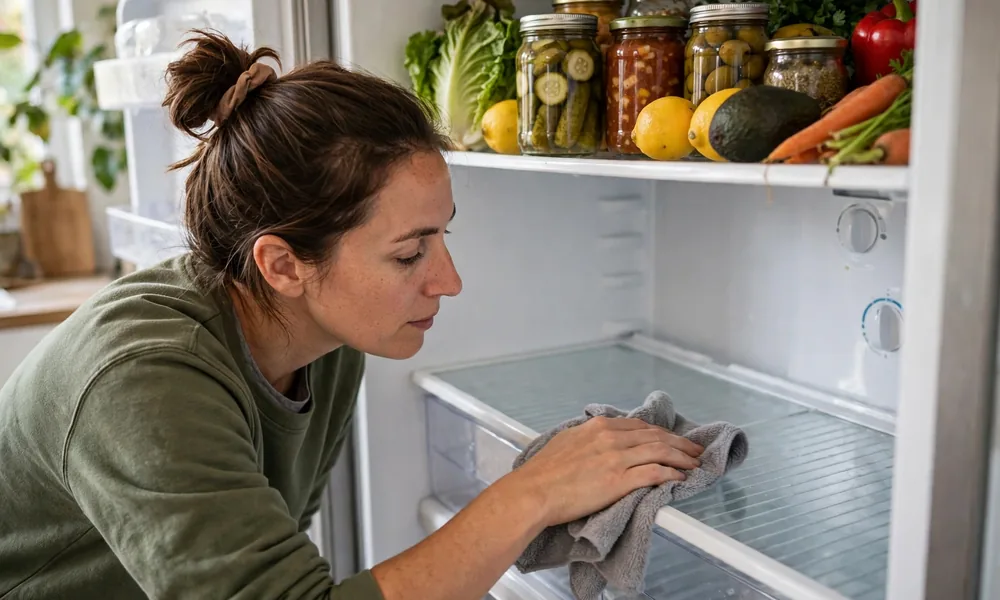
Installation is a fifteen-minute job if you do it in the right order. Empty one shelf at a time rather than the whole fridge, so the food stays cold and you are not racing the clock. Wipe the shelf clean and dry it fully before the liner goes down — a liner laid on a damp shelf will slide and will trap moisture underneath from day one. Cut the liner a touch small rather than a touch big: a piece that is slightly short sits flat, while a piece that is slightly long buckles at the edges and catches on everything you slide across it.
Cleaning and Replacing Your Liners
Replace a liner when it is stained through, torn, or no longer lies flat. EVA liners usually last six to twelve months, silicone can last years, and plastic shelf paper lasts weeks. When you replace them, take the chance to give the shelf a proper clean, because the bare glass will show you every mark the liner was hiding. If smells persist after cleaning, the problem is usually food, not the liner — check for forgotten leftovers at the back, and see our guide to the odor eliminators that actually remove smells for the cases where cleaning alone is not enough.
Mistakes That Make People Rip Liners Out
Most liner failures are installation failures. Covering the whole shelf right up to the back wall blocks the vents that circulate cold air, and the fridge has to work harder while the food at the front stays warmer. Lining a shelf that is still damp traps moisture underneath, which is how a liner starts to smell. Buying one size for every shelf guarantees a bad fit somewhere, because no fridge has identical shelves. And choosing a liner purely on colour usually ends badly — dark liners show every crumb, light liners show every stain, and patterned liners hide both until cleaning day.
Do Fridge Liners Save Money?
A roll of liner costs a few pounds or dollars and lasts months, which makes it one of the cheapest kitchen purchases with a visible effect. The savings are indirect but real: fewer broken jars from sliding bottles, less time scrubbing shelves, and less food thrown away because a spill went unnoticed behind a jar. The biggest saving is time. A shelf that wipes clean in seconds is a shelf you will actually wipe, and a fridge that gets wiped regularly wastes less food. For food that goes in the freezer rather than the fridge, the same logic applies — good storage saves money — and our guide to which freezer bag keeps food freshest covers the freezer half of that habit.
There is one cost to watch: airflow. A liner that blocks the vents at the back of the fridge forces the motor to run longer, which costs electricity and can shorten the life of the appliance. The fix costs nothing — leave that small gap at the back of every shelf. A liner that costs a few pounds and saves ten minutes of scrubbing a month has already paid for itself by the second month.
Buying Checklist: Picking Liners in the Shop
- Measure every shelf separately and buy a roll, not pre-cut sheets, if sizes differ.
- Choose EVA or silicone for glass shelves, thicker liners for wire shelves, mesh for crispers.
- Check the liner is washable or wipe-clean, so it lasts months instead of weeks.
- Leave a gap at the back of each shelf so cold air can circulate freely.
- Pick a light, plain colour so stains and crumbs are visible and you clean them sooner.
- Buy enough for the door shelves too, and expect to replace those pieces first.
Frequently Asked Questions
Are fridge liners worth it?
Yes, for most people. They protect glass shelves from spills, stop jars from sliding, and make cleaning faster. They are worth it as long as you clean under them monthly and leave a gap at the back for airflow.
Do fridge liners block airflow?
They can, if they cover the vents at the back of the fridge. Leave a gap of a centimetre or two at the back of each shelf, and use mesh or perforated liners in the crisper drawers.
How often should I clean fridge liners?
Wipe spills straight away and give the liners a proper wash once a month. Pull them out, wash in warm soapy water, dry flat, and wipe the shelf underneath before putting them back.
Can I put fridge liners in the dishwasher?
Silicone liners usually can, but check the label first. EVA foam liners are better washed by hand, because dishwasher heat can warp them, and plastic shelf paper should only be wiped.
Do liners work on wire shelves?
Yes, but choose a thicker liner so it does not sag between the wires. A thin sheet will dip under heavy jars and can tip small items. Measure the wire spacing before you buy.
Will liners leave marks on glass shelves?
Non-adhesive liners will not, and they are the safest choice for glass. Adhesive shelf paper can leave a gummy residue, especially after months in the cold, so avoid it unless you are happy to scrub the residue off later.
The Bottom Line
The best fridge liners in 2026 are simple ones: non-slip EVA or silicone, cut to fit each shelf, with a gap at the back for airflow and a monthly wash underneath. They will not change your cooking, but they will change your cleaning — spills wipe up in seconds, jars stay put, and the shelves look cared for instead of sticky. Measure first, fit carefully, clean monthly, and a few pounds of liner will quietly do its job for a year.