
Green powders have a reputation problem, and most of it is deserved. The first time most people try one, they mix a scoop into water, take a sip, and wonder why they paid good money for something that tastes like mown grass. The idea is sound enough: a spoonful of dried greens, grasses and fruit extracts that fills the gaps on days when vegetables barely make it onto the plate. The execution, though, varies wildly. Some green powders genuinely taste pleasant, mix smoothly and use ingredients worth paying for. Others are bitter, gritty and padded with cheap fillers. Here are the green powders that don’t taste like grass in 2026.
Key Takeaways
- The best-tasting green powders use fruit, citrus or mint to balance the greens instead of burying them under sweetener.
- Look for a short ingredient list led by leafy greens, with no proprietary blend hiding the amounts.
- A good powder dissolves in water with a quick shake and leaves no gritty sediment at the bottom of the glass.
- Green powders are a supplement to eating vegetables, not a replacement for them, and they do not detox your body.
- Start with half a scoop for the first week so your stomach can adjust.
What Green Powders Actually Are
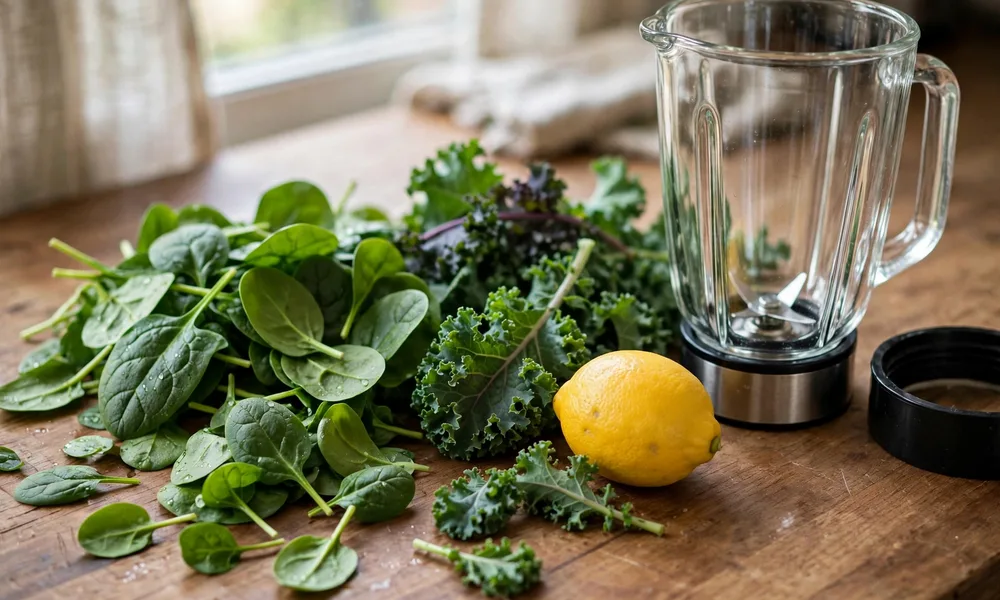
A green powder is a dried blend of leafy greens, grasses, vegetables and fruit, sometimes with probiotics or enzymes, ground into a fine powder you stir into water or a smoothie. The core is usually kale, spinach, wheatgrass, barley grass and spirulina or chlorella, with fruit powders added for flavour. A single scoop is meant to deliver a concentrated dose of plant compounds, vitamins and minerals in one quick drink.
What they are not matters just as much. A green powder is not a meal, and it is not medicine. It does not replace vegetables, because drying removes most of the fibre and some of the nutrients whole vegetables provide. It also does not detox you: your liver and kidneys already do that. What a good one does is make it easier to get a broad range of plant foods into your day. If you already eat plenty of vegetables, a green powder adds little. If you rarely do, it can close a real gap.

Why Most Green Powders Taste Like Grass
The grassy taste comes from the ingredients themselves. Wheatgrass, barley grass, spirulina and chlorella are intensely green, and their flavour is earthy, bitter and a little marine. In a fresh juice those flavours are softened by cucumber, apple and lemon. In a powder, nothing softens them unless the maker deliberately adds it, and cheap powders skip that step.
Sweetness is the other half of the problem. Some brands mask the bitterness with large amounts of stevia or monk fruit, which leaves a lingering aftertaste. Others add sugar or fruit juice powder, which improves the taste but turns a greens supplement into a sweet drink. The powders that taste best find a middle path: enough real fruit, citrus or mint to round off the bitterness, a light hand with sweetener, and a fine grind so the texture does not remind you that you are drinking powdered leaves. A powder that clumps or leaves grit at the bottom of the glass will put you off long before the flavour does.
The 5 Best Green Powders of 2026
We judged the strongest green powders of 2026 on taste first, then on ingredients, mixability, transparency and value.
1. AG1 — Best Overall
AG1 remains the benchmark for green powders in 2026, and taste is a big part of why. It mixes into a smooth, lightly sweet drink with a mild pineapple and vanilla note, with none of the harsh grassy bite of cheaper blends. The formula is broad: leafy greens, probiotics, digestive enzymes, vitamins and minerals in one scoop. It is also the most expensive powder here, at around two to three pounds or dollars a day on subscription.
2. Bloom Greens & Superfoods — Best for Taste
Bloom built its following almost entirely on flavour, and it shows. The citrus and berry versions taste more like a light fruit drink than a greens powder, which makes it the easiest one here for people who have tried green powders before and given up. The formula is simpler than AG1, with a shorter ingredient list and no probiotics, but it covers the greens, fibre and fruit extracts well, at a far lower price per serving. The trade-off is sweetness: if you dislike stevia, try a single-serving sachet before buying a full tub.
3. Garden of Life Raw Organic Perfect Food — Best Organic Option
Garden of Life’s green powder is certified organic and raw, built around barley grass, wheatgrass, kale and sprouted grains, with probiotics and enzymes included. The taste is earthier than Bloom or AG1, but smooth rather than bitter, and it mixes well in a smoothie. This is the pick for buyers who care about organic certification and a short ingredient list.
4. Amazing Grass Green Superfood — Best Value
Amazing Grass has been making green powders longer than most brands on this list, and its Green Superfood remains one of the best-value options. The original flavour is mild and pleasantly grassy, while the berry and chocolate versions hide the greens well. A serving costs roughly half what the premium brands charge. The formula is straightforward: wheatgrass, barley grass, alfalfa, spirulina and chlorella with fruit and vegetable powders.
5. Live it Up Super Greens — Best for Sensitive Stomachs
Live it Up is designed for people who find other green powders hard on their stomachs. The blend is gentle, with no added sugar, no artificial sweeteners and a mild taste that leans fresh rather than bitter. It mixes cleanly in water with no grit, which is rarer than it should be at this price. The label is transparent, with the amounts of each ingredient printed on it instead of hidden inside a proprietary blend.
Green Powders Compared
| Powder | Best for | Taste | Sweetener | Price per serving |
|---|---|---|---|---|
| AG1 | All-in-one daily habit | Mild, pineapple and vanilla | Stevia | High |
| Bloom Greens | Flavour | Fruity, light | Stevia | Mid |
| Garden of Life | Organic | Earthy, smooth | None added | Mid |
| Amazing Grass | Value | Mild, grassy | Stevia in flavoured versions | Low |
| Live it Up | Sensitive stomachs | Fresh, mild | None | Mid |
How to Make Green Powders Taste Better
Even the best green powder tastes better with a little help. Cold water makes the biggest difference: warm water brings out the bitterness, while ice-cold water dulls it. Use more water than the label suggests for the first week, around 350 to 400 millilitres per scoop. A squeeze of lemon or a splash of orange juice works better than extra sweetener, because acidity cuts through the earthy notes.
Blending is the next step up. A green powder mixed into a smoothie with a banana, berries and milk or oat milk tastes like a smoothie, not a supplement. If you prefer plain water, a shaker bottle with a metal whisk ball beats a spoon: shake hard for ten seconds and drink it straight away, because the powder settles and the last mouthful is always the worst. For more on drinks that work as a daily habit, our guide to the best green juice covers the ready-to-drink alternatives.
What to Look For on the Label
The label tells you almost everything. The ingredient list should start with recognisable greens, not a vague “proprietary blend” that hides how much of each ingredient is inside. A proprietary blend can be mostly cheap filler with only a dusting of the expensive ingredients on the front. Transparent labels that list amounts are a good sign.
Watch the sugar line too: a green powder should have little or no sugar per serving, and no powder boosts immunity, burns fat or detoxes your body, whatever the label claims.
Who Benefits Most — and Who Should Skip Them
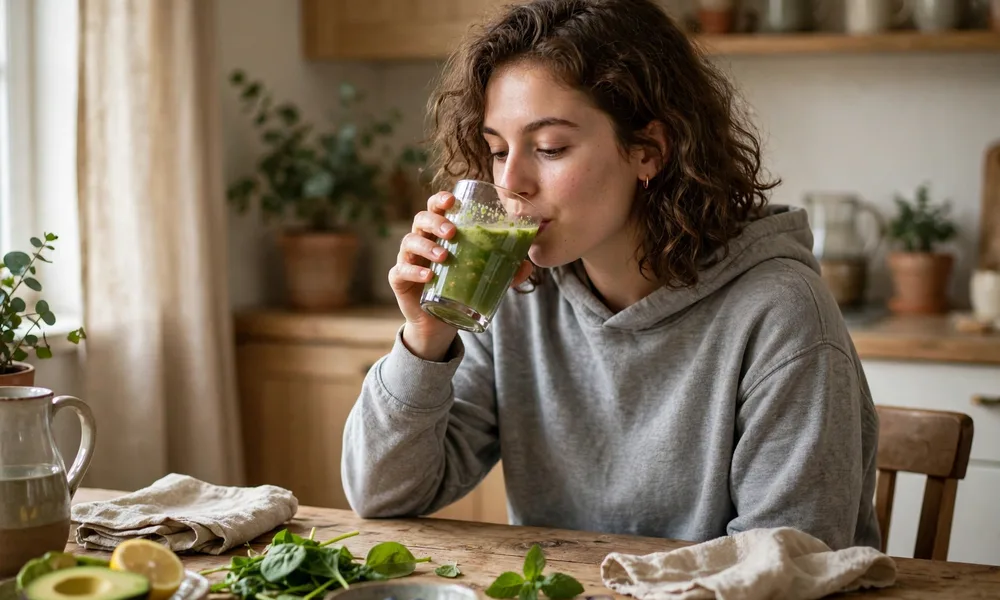
Green powders help most when your diet has a genuine gap. If you travel a lot, work long hours, eat most meals out, or simply do not enjoy vegetables, a daily scoop is a practical way to add plant foods you would otherwise miss. A glass of greens next to breakfast takes thirty seconds and tends to stick.
Some people should be cautious. If you take blood-thinning medication, the vitamin K in leafy greens can interfere with it, so talk to your doctor first. The same applies if you are pregnant, breastfeeding or managing a medical condition. People with sensitive stomachs should start with half a scoop and build up slowly. And if you already eat a varied diet rich in vegetables, a green powder is probably an unnecessary expense. Pairing it with a proper protein source, as covered in our guide to the best protein powder, is a more useful daily routine than a green powder on its own.
Green Powder Buying Checklist
- Choose a flavour you enjoy in plain water, not just in a smoothie, so you will drink it on busy days.
- Check the ingredient list starts with real greens and that the amounts are listed, not hidden in a proprietary blend.
- Look for little or no sugar per serving, and be wary of powders that rely on heavy sweetening.
- Pick a powder that dissolves with a quick shake and leaves no grit at the bottom of the glass.
- Buy the smallest tub or a sachet first to test the taste before committing to a subscription.
- Talk to your doctor first if you take blood thinners, are pregnant, or have a medical condition.
Frequently Asked Questions
Do green powders actually work?
They work as a convenient source of plant nutrients, especially if you eat few vegetables. They do not replace vegetables, they do not detox your body, and they are not a substitute for a balanced diet.
When is the best time to drink a green powder?
Morning is the most popular time, because it is the easiest habit to keep. There is no strong evidence that one time of day is better than another, so pick the time you will stick to.
Can green powders replace vegetables?
No. Powders lose most of the fibre of whole vegetables during processing, and they cannot match the variety of nutrients in different vegetables across the week. They add to your diet; they do not stand in for it.
Why does my green powder taste so bitter?
The bitterness comes from the greens themselves, especially spirulina, chlorella and wheatgrass. Use ice-cold water, add a squeeze of lemon, or mix the powder into a smoothie with fruit. If it still tastes awful, try a different brand.
Are green powders safe to drink every day?
For most healthy adults, yes, at the recommended serving. Start with half a scoop for the first week. If you take medication, are pregnant or breastfeeding, or have a medical condition, check with your doctor first.
What is the difference between green powders and green juice?
Green juice is fresh liquid pressed from vegetables and fruit, sold in bottles and best drunk within a few days. Green powder is dried and shelf-stable, cheaper per serving, and easier to travel with, but it contains less fibre. Many people use both: juice at home and powder when travelling. If you want a powder that pairs well with other daily supplements, our guide to the best collagen powder is a useful next read.
The Bottom Line
The best green powder is the one you will actually drink every morning, and taste decides that more than any ingredient list. AG1 is the strongest all-round choice if you want one premium product and do not mind the price. Bloom is the easiest to drink and the best pick for anyone put off green powders before. Garden of Life suits buyers who want organic certification, Amazing Grass is the best value first step, and Live it Up is the gentlest on sensitive stomachs. Pick one, buy the smallest size, mix it ice-cold, and give it two weeks.


