
A headboard is the one piece of bedroom furniture that does the work of a whole redecoration without changing anything else in the room. Swap a bare wall for a tall upholstered headboard and the bed suddenly looks finished, the room feels warmer, and the wall behind the pillows stops looking like an afterthought.
Headboards come in more shapes than most people expect, from soft padded panels to solid wood, slim metal, and woven rattan. This guide covers the types that hold up best in 2026, how to get the height and width right, and how to fit one so it stays solid and silent.
Key Takeaways
- Match the headboard to the bed, not the room: it should be the same width as the bed or a few centimetres wider, never narrower.
- Height matters more than style: a headboard 120 to 150 centimetres tall suits most beds, and taller suits rooms with high ceilings.
- Upholstered headboards are the most comfortable for reading in bed, while wood and metal are the easiest to keep clean.
- Check the fixing before you buy: bolt-on headboards are the sturdiest, freestanding ones need a wall fixing, and wall-mounted panels need solid plugs.
- Measure the wall, the bed, and the bedside tables first, because a headboard that crowds the lamps will annoy you every day.
How We Judged Headboards
A good headboard earns its place by making the bed look finished and feel comfortable. First, comfort: can you lean against it to read without feeling a hard edge or a cold panel? Second, build: is the frame solid, is the padding even, and does the finish survive daily use? We also weighed fit, ease of fixing, cleaning, and whether it suits the bedroom it is meant for.
The Main Types of Headboard
The right type depends on how you use the bed, the style of the room, and how much upkeep you are willing to do.
Upholstered headboards
Upholstered headboards are padded panels covered in fabric, leather, or velvet, and they are the most popular type for a reason. They are soft to lean on, they muffle sound, and they come in every colour from pale linen to deep green velvet. Fabric marks, so choose a washable or stain-resistant cover if you have children or pets.
Wooden headboards
Wooden headboards suit almost any bedroom, from a plain pine panel to a carved oak showpiece. Solid wood is heavy and stable, it ages well, and a scratch can usually be sanded or waxed away. A slatted wooden headboard keeps a small room feeling light, while a wide panel with a shelf holds a book and a glass of water. Avoid thin fibreboard dressed up as wood: it chips, wobbles, and rarely survives a house move.
Metal headboards
Metal headboards are light, strong, and easy to clean, which suits guest rooms and children’s rooms. A slim black steel frame looks modern, while brass or wrought iron suits a traditional bedroom. Metal feels cold to lean on, so it is a poor choice for nightly reading, though cushions solve that. Welded frames stay silent; bolted ones can squeak.
Rattan and woven headboards
Rattan, cane, and woven headboards bring warmth and texture without adding visual weight. They suit relaxed, coastal, and bohemian rooms, and their open weave lets light through, which helps a small bedroom feel bigger. The weave collects dust and can snag bedding, so vacuum it with a brush attachment.
Panel and slat headboards
Panel headboards are flat boards, often in painted wood or laminate, that sit behind the bed like a piece of wall. They are the simplest way to give a bedroom a finished look in a modern room. Slat versions feel lighter and let the wall colour show through. Both wipe clean, and a wide panel can run the full width of the wall behind the bed and the bedside tables.
Bookcase and storage headboards
Bookcase headboards have shelves or small cupboards built into the panel behind the bed, which is a gift in a small bedroom with no room for a bedside table. They hold books, glasses, a phone charger, and a lamp within reach. The catch is dust: open shelves behind a bed collect it fast, and anything stored there is at head height, so keep heavy objects off the top shelf. They also make the bed feel enclosed, so they suit larger rooms better.
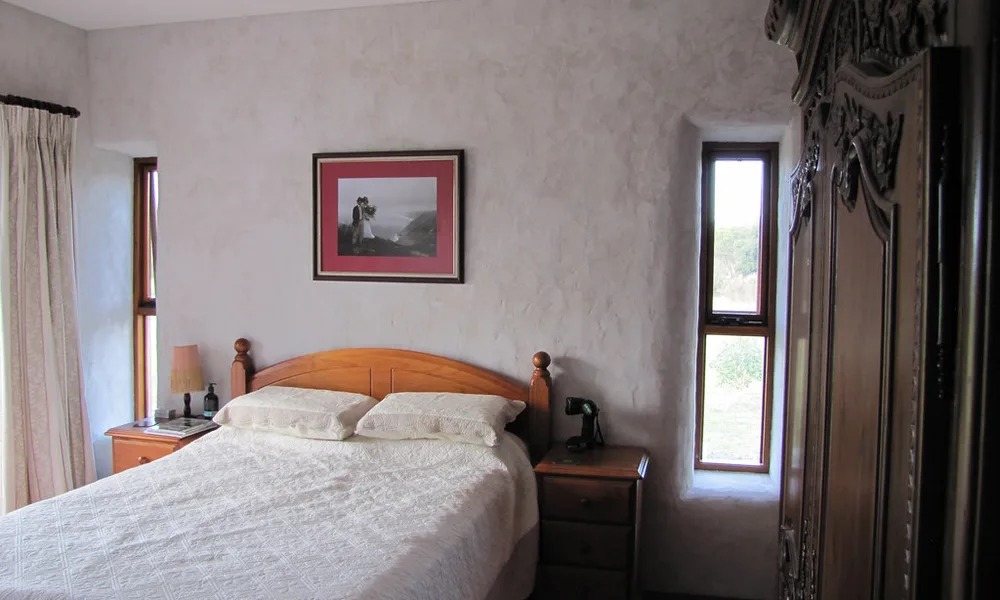
Headboards Compared
| Type | Comfort | Cleaning | Best room | Best for |
|---|---|---|---|---|
| Upholstered | Excellent | Vacuum, spot clean | Main bedroom | Reading in bed |
| Wooden | Good with cushions | Wipe clean | Any bedroom | Durability, warmth |
| Metal | Firm, cold | Wipe clean | Guest room, child’s room | Light, simple style |
| Rattan or woven | Good with cushions | Brush vacuum | Relaxed, coastal rooms | Texture, lightness |
| Panel or slat | Firm | Wipe clean | Modern rooms | Clean lines, low cost |
| Bookcase or storage | Good with cushions | Dust shelves often | Small bedrooms | Storage, small spaces |
Getting the Height and Width Right
Size is where most headboards go wrong, and it is the easiest thing to fix before you spend anything. The headboard should be at least as wide as the bed, and a few centimetres wider on each side looks deliberate rather than accidental. A headboard narrower than the mattress looks like a mistake, and no amount of styling will hide it.
Height is a matter of proportion. With a standard ceiling, a headboard 120 to 150 centimetres tall sits well behind the pillows and gives you something to lean on. With high ceilings, go taller, up to 180 centimetres, or the bed will look lost against the wall. If you read in bed, the top should sit at least 30 centimetres above your pillows.
Choosing Materials and Colours
Look at the room first and the headboard second. It should repeat something already in the bedroom: the wood of the floor, the colour of the curtains, or the tone of the bedding. A velvet headboard in the same colour family as the cushions ties the bed together, while a wooden one that matches the floor makes the room feel calm.
Practicality matters as much as looks. Pale fabric shows every mark, so it suits a guest room better than a family bedroom. Dark velvet hides marks but shows dust and pet hair. Leather wipes clean but feels cold in winter and sticky in summer. If you are torn between two colours, choose the quieter one: a bold choice you loved in the shop can become tiring within a year.
Fitting and Fixing a Headboard
A headboard that wobbles will annoy you every night, so the fixing matters as much as the design. Bolt-on headboards attach to the bed frame with sturdy bolts through the frame’s headboard struts, and this is the most solid option for a bed you already own. Check that the struts on your frame match the bolt holes on the headboard before you buy, because spacings vary. Our comparison of the best and worst bed frames of 2026 explains which frames carry proper headboard fixings and which ones leave you improvising.
Freestanding headboards lean against the wall and are held by the weight of the bed pushed against them. They are easy to move but can shift, so a small wall bracket or anti-slip pads stop them creeping. Wall-mounted panels fix directly to the wall with brackets and plugs, which looks clean and saves floor space, but you need solid fixings and must be sure of the height before you drill. Whatever the type, sit on the bed and lean back hard before you call the job done: if it moves, it will move every night.
Matching the Rest of the Bedroom
A headboard does not stand alone: it shares a wall with the bedside tables, the lamps, and often the curtains. It should be wider than the gap between the bedside tables, so the tables sit against it or the wall rather than floating beside it. If the tables are taller than the headboard, the room looks top-heavy; if much shorter, the headboard towers over them.
Lamps deserve a thought too. A tall headboard with a low lamp looks unbalanced, so match the lamp height to the headboard: the bottom of the shade should sit roughly level with the top of the pillows. Our guide to the best and worst nightstands of 2026 covers the heights and widths that sit comfortably beside a bed, and if your room is small, our picks for bedside tables for small bedrooms show how to keep the wall balanced without crowding the bed.

Mistakes That Make a Headboard Look Wrong
The most common mistake is buying too small. A narrow headboard behind a wide bed looks like it belongs to a different bed, and a short one buried behind pillows disappears entirely. The second is choosing for the shop rather than the room: a tall tufted velvet panel looks grand in a showroom and overwhelming in a small room with a low ceiling. The third is ignoring the fixing: a headboard that leans or shifts every time you sit up will drive you mad within a week. Finally, do not forget the wall behind it: a headboard traps dust and moisture, so pull the bed out and clean behind it every few months.
Checklist: Choosing Your Headboard
- Measure the bed width and the wall, and choose a headboard at least as wide as the mattress.
- Pick a height to suit the ceiling: 120 to 150 centimetres for standard rooms, taller for high ceilings.
- Choose the material for how you use the bed: upholstered for reading, wood or metal for easy cleaning.
- Check the fixing matches your bed frame or your wall, and test it by leaning back hard.
- Match the colour to something already in the room, and choose the quieter option if you are torn.
- Leave room for the bedside tables and lamps, so the wall looks balanced rather than crowded.
Frequently Asked Questions
What size headboard do I need for a double bed?
The same width as the bed or a few centimetres wider: about 140 to 150 centimetres for a standard double. A headboard narrower than the mattress looks wrong, so measure the mattress rather than guessing from the bed size name.
How tall should a headboard be?
Between 120 and 150 centimetres tall suits most bedrooms with standard ceilings. Go taller, up to 180 centimetres, in rooms with high ceilings, and make sure the top sits at least 30 centimetres above your pillows if you read in bed.
Can I add a headboard to any bed frame?
Most bed frames have headboard struts with bolt holes, but spacing varies, so check before you buy. If your frame has no fixings, a freestanding headboard held by the bed or a wall-mounted panel are the practical alternatives.
Are upholstered headboards hard to keep clean?
They need more care than wood or metal: vacuum them with an upholstery attachment every few weeks and treat marks quickly. Stain-resistant fabrics and removable covers make them far easier to live with, especially in a family bedroom.
Should the headboard match the bedside tables?
It should sit comfortably with them rather than match exactly. The headboard should be wider than the gap between the tables, and the tables should be lower than the top of the headboard, so the wall looks balanced.
Can a headboard damage the wall?
A freestanding headboard can scuff paint where it rubs, and a wall-mounted one needs proper plugs, so fix felt pads to the back and use the right fixings for your wall type. Pull the bed out and clean behind the headboard every few months.
The Bottom Line
The best headboard for your bedroom in 2026 fits the bed, suits the ceiling height, and matches how you use the bed: a soft upholstered panel for reading, a solid wooden one for easy care, or a woven one for warmth. Measure first, check the fixing, and buy the one that makes the room feel finished.


