Moka Pots That Brew Rich Coffee on the Stove in 2026
Moka pots brew rich coffee on the stove with nothing more than hot water, steam pressure and a little patience. A moka pot is a small three-part brewer that sits directly on a hob: water in the bottom chamber boils, pressure pushes it up through a basket of finely ground coffee, and dark, strong coffee collects in the top chamber. The result is not true espresso, because a moka pot works at around one and a half bars while an espresso machine uses nine, but the cup is bold, syrupy and far richer than drip coffee. For a fraction of the price of an electric machine, with no plug, no pump and almost nothing to break, a moka pot turns an ordinary stove into a small Italian cafe. This guide covers the sizes, materials and habits that decide whether your moka pot makes a great cup or a bitter one.
Key Takeaways
- A moka pot brews strong, espresso-like coffee on any stove with steam pressure alone: no pump, no plug, almost nothing to break.
- Buy the size that matches how many cups you drink: a moka pot only brews well when filled completely, so a three-cup pot suits most people.
- Aluminium pots are light, cheap and heat quickly; stainless steel costs more, lasts longer and works on induction hobs.
- Fine, even grounds and a gentle heat make the difference between a sweet cup and a bitter one.
- Never tamp the coffee, and never let the pot sputter: take it off the stove as soon as the coffee turns pale and starts to gurgle.
How a Moka Pot Actually Works
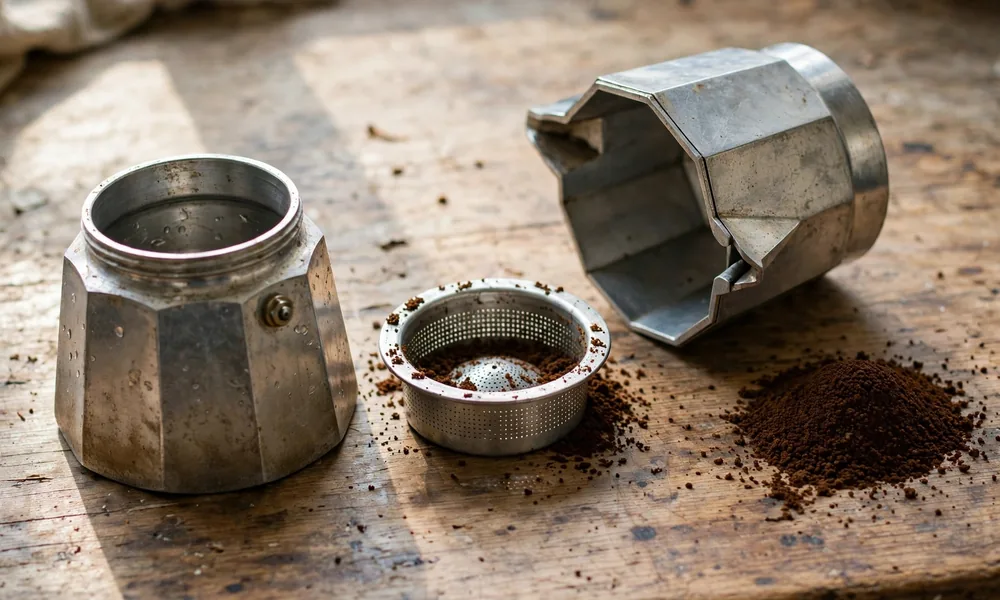
A moka pot has three parts and one clever idea. The bottom chamber holds water up to just below the safety valve. Above it sits a funnel-shaped basket filled with finely ground coffee, and on top screws the upper chamber, where the finished coffee collects. When the pot sits on a flame, the water heats, steam builds pressure in the sealed bottom chamber, and that pressure forces the hot water up through the coffee and into the top chamber. The whole brew takes about four to five minutes on a medium heat. Listen as you brew: a quiet hiss as the coffee starts to flow, then a louder gurgle when the water is nearly gone.
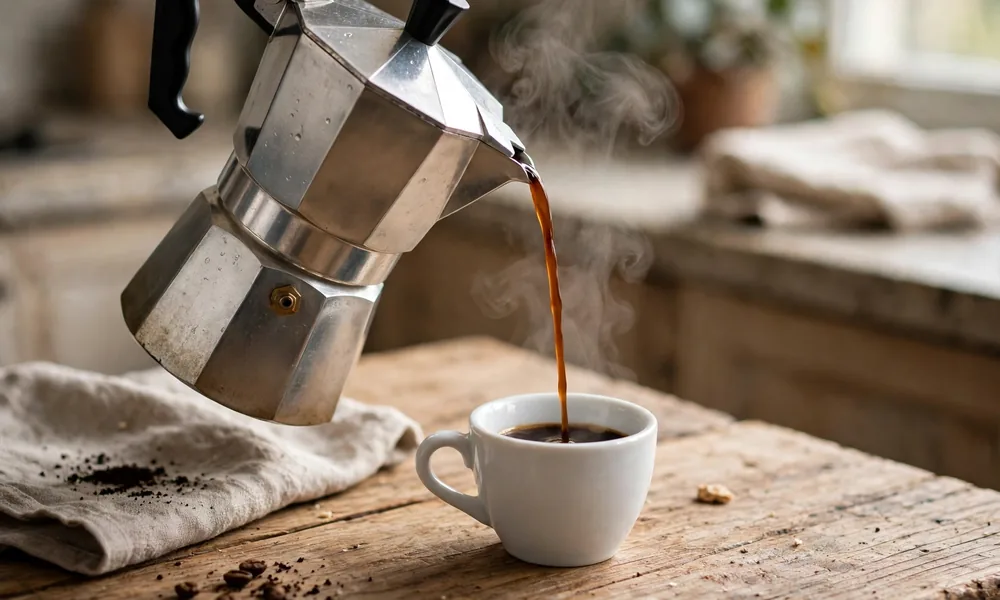
That gurgle is the moment that matters most. Coffee that keeps brewing after it turns bitter, because the last of the water is mostly steam, and steam scorches the grounds. Take the pot off the heat the moment the stream turns pale and the sound changes, then pour immediately. A gentle flame also matters: high heat pushes the water through too fast and leaves the cup thin and harsh.
The Best Moka Pots of 2026 at a Glance
| Pick | Best For | Standout Strength | Typical Price |
|---|---|---|---|
| Best overall | Most kitchens | Classic aluminium, even brew | $30–$50 |
| Best for induction | Induction hobs | Stainless steel base | $45–$80 |
| Best for one person | Solo mornings | Small one-cup size | $25–$40 |
| Best for families | Four or more cups | Large six-cup chamber | $40–$70 |
| Best value | First-time buyers | Simple, sturdy, cheap | $20–$35 |
Best Overall Moka Pot for Most Kitchens
The best overall moka pot is the classic three-cup aluminium pot, barely changed in ninety years. Aluminium heats quickly and evenly, and the pot is light enough to lift and pour with one hand. A three-cup pot makes about 150 millilitres of strong coffee: one generous mug or two small cups. The octagonal shape gives the pot strength and makes it easy to grip. Expect to pay $30 to $50, and check the gasket and filter plate are easy to replace: those are the only parts that wear out.
Best Moka Pot for Induction Hobs
Aluminium does not work on induction hobs, which need a magnetic base, so induction cooks need a stainless steel moka pot. Stainless steel costs more and heats a little more slowly, but it is tougher, it will not stain the way aluminium can, and it works on every kind of hob: gas, electric, ceramic and induction. Look for a thick, flat base that sits flush on the hob, because a thin or warped base heats unevenly and makes the brew sputter. A good stainless steel three-cup pot costs $45 to $80. Mixed pots with a stainless steel base and an aluminium top cost less and still work on induction.
Best Moka Pot for One Person
For a solo drinker, a one-cup pot is the most honest size on the shelf. Moka pots are designed to be filled completely: the basket must be full of coffee and the chamber full of water, or the pressure and extraction go wrong. A three-cup pot used to make a single cup brews weak, watery coffee. A one-cup pot makes about 50 millilitres of strong coffee, heats faster, uses less coffee and is easier to clean. If you live alone and drink one cup a day, buy the small pot.
Best Moka Pot for Families and Guests
A six-cup moka pot makes about 300 millilitres, enough for three or four small cups, and it is the right size when several people drink coffee together. Do not buy a six-cup pot for a household of one: a half-filled moka pot brews badly. The six-cup pot is wider and heavier, so it needs a burner big enough to support it. Check the handle before you buy: a large pot full of hot coffee is heavy, and a handle too close to the body will burn your knuckles. Expect to pay $40 to $70.
Best Value Moka Pot for First-Time Buyers
The best value moka pot is the simplest aluminium pot you can find, in the size that matches your household, with no extra features at all. You do not need a built-in thermometer or a designer finish. You need a pot that seals properly, a gasket that fits snugly, and a valve that moves freely. Pots between $20 and $35 cover that ground comfortably, and they brew coffee just as well as pots costing three times as much. Buy the cheap pot first, and only spend more once you know which size and material you want.
Aluminium or Stainless Steel: Which Should You Choose?
The material question comes down to your hob. Aluminium is the traditional choice: light, fast to heat, and cheap. It develops a dark patina inside over time, and many drinkers say that seasoned layer protects the flavour, so they never scrub it with soap. Stainless steel is the modern choice: heavier, more expensive, and it works on induction. It is also easier to keep clean and will not react with acidic coffee the way bare aluminium can. Neither material makes better coffee on its own. Choose aluminium for gas or electric and stainless steel for induction, or if you want the toughest pot.
The Grind, the Fill and the Heat
Three details decide the cup. First, the grind: moka coffee needs a fine grind, finer than drip coffee but coarser than espresso. Too coarse and the water rushes through, leaving a weak, sour cup. Too fine and the coffee comes out bitter. Second, the fill: fill the basket level with coffee and do not press it down. Tamping is the most common beginner mistake, and it chokes the brew. Fill the water to just below the safety valve, never above it. Third, the heat: use a medium flame, small enough that it does not lick up the sides, and keep the lid open so you can watch the coffee rise. When the stream turns pale and the pot gurgles, take it off the heat at once.
Moka Pot vs Espresso Machine: The Honest Comparison
A moka pot and an espresso machine both make strong coffee, but they are different tools for different mornings. An espresso machine uses a pump to force water through coffee at nine bars of pressure, producing thick golden crema and a sweeter cup. It also costs hundreds of dollars, needs regular descaling, and takes up permanent counter space. A moka pot uses steam pressure alone, makes no true crema, and produces a cup that is strong and rich but a little less refined. It costs less than a week of cafe coffee and fits in a drawer. Our guide to the best coffee makers of 2026 compares every brewing method, and our guide to the best coffee beans of 2026 covers the beans that make the biggest difference in a moka pot. If you want cafe-quality espresso every day, buy the machine. If you want rich, strong coffee with almost no fuss, buy the moka pot.
What to Check Before You Buy
- Size first: match the pot to how many cups you brew at once, because a moka pot only works when it is filled completely.
- Hob compatibility: aluminium works on gas and electric only, while stainless steel works on induction too.
- Seal and gasket: the lid should screw down smoothly and the gasket should sit flat, because a leaky seal lets pressure escape.
- Safety valve: it should move freely when pressed, since a stuck valve is the one real safety risk.
- Handle clearance: the handle should sit far enough from the body that your knuckles stay clear of the hot metal.
- Spare parts: gaskets and filter plates wear out, so buy from a brand that sells replacements cheaply.

Frequently Asked Questions
Is moka pot coffee the same as espresso?
No, but it is close. A moka pot brews strong, concentrated coffee with steam pressure at around one and a half bars, while an espresso machine uses a pump at nine bars and produces true crema. Moka coffee is rich and bold, and it works well in milk drinks.
What size moka pot should I buy?
Buy the size that matches how many cups you brew at once. A one-cup pot suits a solo drinker, a three-cup pot suits one or two people, and a six-cup pot suits a family or guests. A moka pot only brews well when filled completely, so a pot that is too big will make weak coffee.
Should I use aluminium or stainless steel?
Aluminium is lighter, cheaper and heats faster, and it is the classic choice for gas and electric hobs. Stainless steel costs more and is heavier, but it works on induction hobs and is tougher and easier to clean. The coffee tastes the same when the grind and heat are right.
Why does my moka coffee taste bitter?
The usual causes are heat that is too high, leaving the pot on after it starts to gurgle, and coffee ground too fine. Use a medium flame, take the pot off the heat the moment the stream turns pale, and grind to the texture of table salt.
Do I need to tamp the coffee down?
No, never tamp moka coffee. Fill the basket level with grounds and leave it loose. Pressing the coffee down blocks the flow of water, builds up too much pressure, and makes the cup bitter or causes the pot to sputter.
How do I clean a moka pot?
Rinse it with hot water after every use and let it dry completely before putting it away. Avoid soap inside an aluminium pot, because it strips the seasoned layer that protects the flavour, and never put a moka pot in the dishwasher. Replace the gasket when it feels hard or leaks steam.
The Bottom Line
A moka pot is the cheapest way to brew genuinely rich coffee at home in 2026, and it asks for almost nothing: a stove, a fine grind, and taking it off the heat at the first gurgle. Buy the size that matches your household, pick aluminium for gas or electric and stainless steel for induction, and spend what you save on beans. Our guide to the best milk frothers of 2026 covers the simple tools that turn moka coffee into a proper latte at home.