Mozzarella that melts like the good kind is the difference between a pizza worth remembering and one you forget before the box is empty. The right mozzarella stretches in long, glossy strands, browns in gentle spots, and tastes milky and fresh even after a hot oven. The wrong one turns rubbery, leaks oil across the crust, or vanishes into a thin, salty slick. The gap between the two is rarely the price on the packet. It is the type of mozzarella you bought, how wet it was when it went on, and how hot the oven was when it met the heat. This guide explains how to pick mozzarella that melts like the good kind in 2026, from soft fresh balls for caprese to the low-moisture blocks that make pizza properly stretchy.
Key Takeaways
- Fresh mozzarella and low-moisture mozzarella are different cheeses for different jobs: fresh is for cold dishes and caprese, low-moisture is for pizza and baking.
- Wet mozzarella is the main cause of soggy pizza, so tear fresh mozzarella, drain it, and let it dry for twenty minutes before it goes on a pizza.
- Block mozzarella melts better than pre-shredded, because the shreds are coated in starch that stops them clumping in the bag and stops them flowing smoothly in the oven.
- Good mozzarella tastes milky and clean with a gentle saltiness, and it should stretch rather than snap or turn to oil when it melts.
- Store fresh mozzarella in its brine in the fridge and eat it within a few days, and wrap low-moisture blocks tightly so they do not dry out.
Fresh vs Low-Moisture: The Two Mozzarellas
The first thing to understand is that mozzarella comes in two broad families, and the family matters more than the brand. Fresh mozzarella is the soft, white ball sold in a tub of water or whey, sometimes in a vacuum pack with a little liquid. It is made to be eaten young, within days, and its charm is its texture: tender, springy, faintly elastic, with a milky flavour that is gentle rather than sharp. It tears rather than slices, and it weeps a little milky liquid when you cut it, which is exactly what it should do. Burrata is its richer cousin, a fresh mozzarella pouch filled with cream and soft curd, and it belongs in the same family for shopping purposes.
Low-moisture mozzarella is the firm, pale-yellow block in the dairy aisle, or the bag of shreds beside it. It is the same cheese taken further: more of the water has been pressed out, the texture is firmer and drier, and the flavour is milder and a little saltier. It slices cleanly, grates neatly, and melts into an even, stretchy blanket rather than a puddle. Whole-milk low-moisture mozzarella melts richer and browns better than part-skim, which is drier and can turn leathery if the oven is too hot or the bake is too long. If a recipe calls for mozzarella to melt, this is almost always the cheese it means.
The two are not interchangeable, and the failures are easy to recognise. Fresh mozzarella on a pizza releases its water as it heats, and that water has nowhere to go except into the crust, which turns soft and pale underneath while the cheese itself slides around. Low-moisture mozzarella in a caprese is the opposite mistake: it is firm and squeaky where the dish wants something tender and milky, and the salad tastes flat because the cheese brings nothing but salt. Buy the fresh ball for cold dishes and the firm block for hot ones, and both will do what you bought them for. Our comparison of the best and worst cheeses of 2026 puts mozzarella in context with the other cheeses on the same shelf, and it is worth a read before a big cheese-board shop.

Mozzarella Compared: Which Type for Which Job
The table below puts the mozzarella types side by side, so you can match the cheese to the meal instead of buying the same packet for everything.
| Type | Texture | Flavour | Best for |
|---|---|---|---|
| Fresh mozzarella | Soft, tender, milky | Gentle, clean, milky | Caprese, salads, sandwiches |
| Mozzarella di bufala | Soft, creamy, delicate | Rich, tangy, lactic | Caprese, eating on its own |
| Low-moisture block | Firm, sliceable, dry | Mild, lightly salty | Pizza, baking, gratins |
| Low-moisture shredded | Loose shreds, coated | Muted | Quick pizza toppings, nachos |
| String cheese | Firm, peelable strands | Mild, salty | Snacking, lunchboxes |
| Burrata | Soft pouch, creamy centre | Rich, buttery | Salads, crostini, pasta topping |
The Pizza Melt: How to Get the Stretch
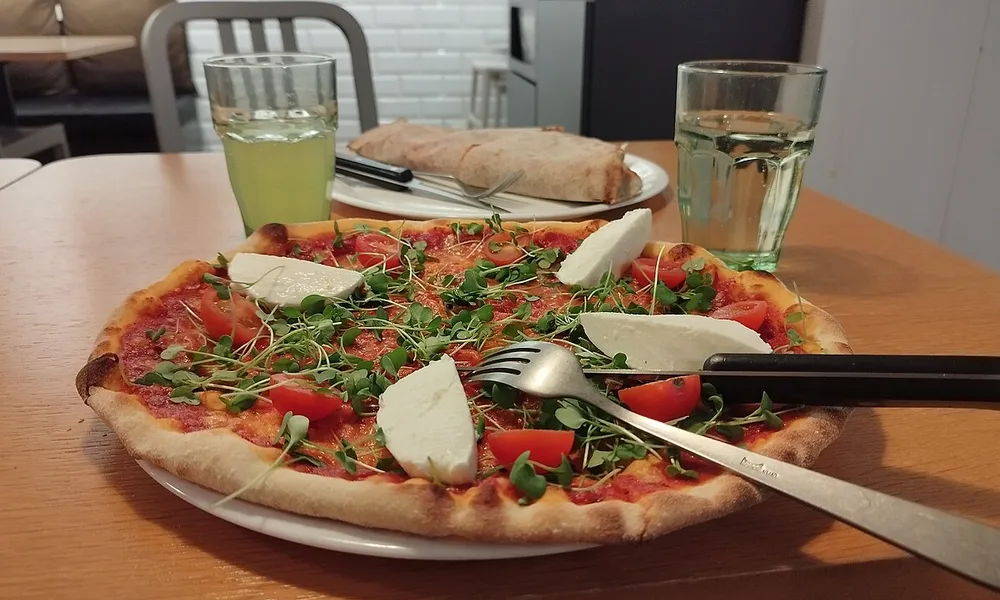
Pizza is where mozzarella earns its reputation, and it is also where most of the mistakes happen. The stretch that people photograph is not magic; it is what happens when low-moisture mozzarella is heated quickly and evenly, so the proteins loosen and the cheese flows before the moisture can escape. The rules are simple once you know them. First, use a low-moisture block and grate it yourself, cold from the fridge, because cold shreds melt evenly while warm shreds clump. Second, get the oven as hot as it will go, because mozzarella melts best in a short, fierce bake, and a long, lukewarm one dries it out before it can stretch. Third, do not overload the pizza: a thin, even layer melts into a blanket, while a thick pile insulates itself, so the top stays pale and the bottom turns to oil.
Fresh mozzarella can work on pizza, but only if you treat it right. Tear it into small pieces, spread them on a plate, and leave them for twenty minutes so the surface dries, then pat them with a clean cloth before they go on the dough. Use fewer pieces than you think you need, and space them out so the water that does escape has somewhere to go. A pizza baked this way, with a hot oven and a light hand, gets the milky flavour of fresh mozzarella without the soggy middle. A pizza baked with a wet ball torn straight from the tub gets a puddle, and the puddle is not the cheese’s fault. For the frozen version of the same meal, our guide to frozen pizzas worth the oven in 2026 explains which ones get the cheese right and which ones do not.
Caprese and Cold Dishes
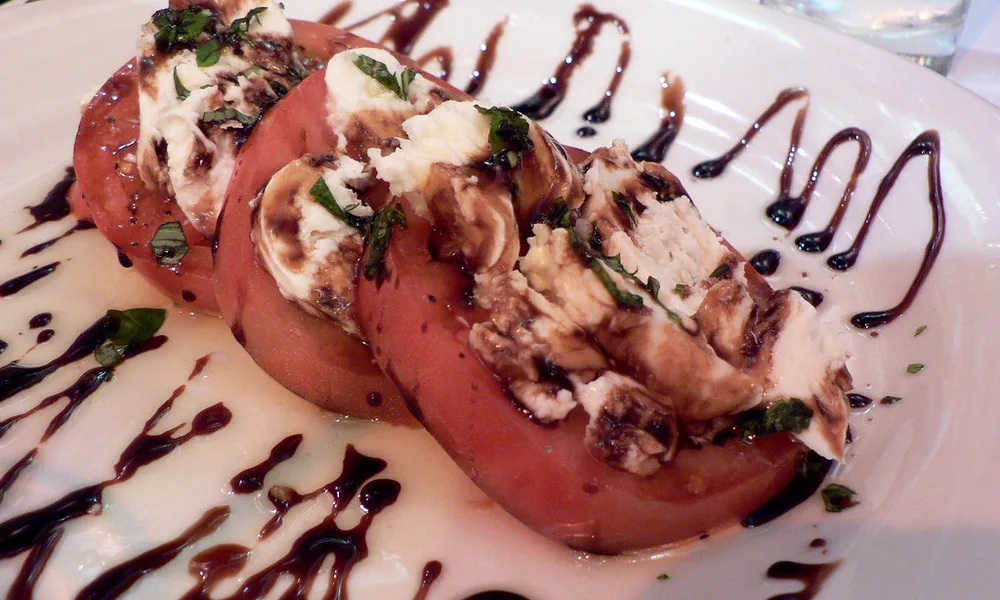
Caprese is the dish that shows fresh mozzarella at its best, and it is also the dish that exposes a bad one fastest, because there is nothing to hide behind. A good caprese needs three things: a mozzarella that is fresh enough to taste milky, tomatoes that are ripe enough to taste of something, and basil that has not been bruised. Slice the mozzarella thickly, at least as thick as the tomato, and let it come to room temperature for twenty minutes before serving, because cold mozzarella tastes of nothing and its texture turns firm and squeaky. Season the tomatoes first, then layer, then finish with good olive oil, flaky salt and torn basil, and serve it within the hour.
String Cheese and Snacking
String cheese is the most honest form of low-moisture mozzarella, because it makes no claims beyond being a snack. It is the same cheese pulled into sticks while it is warm, so the proteins line up in strands that peel apart, and it is sold individually wrapped for lunchboxes and desks. The good ones taste mildly of milk and salt, peel in satisfying strips, and feel firm without being hard. The bad ones taste of nothing, snap rather than peel, or leave a waxy film on the fingers, which usually means they are old or made from the cheapest milk the factory could buy.
How to Store Mozzarella
Storage is where most mozzarella is quietly ruined, and the rules are different for the two families. Fresh mozzarella must stay in its liquid, in a sealed tub in the fridge, and it should be eaten within two or three days of opening. The liquid is part of the cheese, and a ball left to dry out in an open container turns tough and sour within a day. If the tub runs low, top it up with lightly salted water, and never freeze fresh mozzarella, because freezing breaks the structure and it comes back rubbery and weeping. A ball that smells sour or feels slimy has turned, and no amount of rinsing will save it.
Buying Checklist
- Match the type to the job: fresh balls for cold dishes, low-moisture blocks for pizza and baking.
- Check the liquid on fresh mozzarella: it should be clear and milky, never cloudy or sour-smelling.
- Buy a block and grate it yourself rather than pre-shredded, which is coated in starch and melts grainy.
- Choose whole-milk low-moisture mozzarella for pizza, because it melts richer and browns better than part-skim.
- Taste a piece on its own: good mozzarella tastes clean and milky, not just salty or like plastic.
- Check the date and the feel: fresh balls should be plump and smooth, blocks should be firm with no dried-out edges.
Frequently Asked Questions
Is fresh mozzarella better than low-moisture mozzarella?
Neither is better in general; they are better at different jobs. Fresh mozzarella wins for caprese, salads and sandwiches, where its milky flavour and tender texture are the point. Low-moisture mozzarella wins for pizza, baking and gratins, where its even melt and lower water content matter most. Buy the one that suits the meal you are making.
Why does my pizza go soggy under the mozzarella?
Almost always because the mozzarella was too wet. Fresh mozzarella releases water as it heats, and a wet ball torn straight from the tub will flood the crust. Tear it, let it dry for twenty minutes, pat it dry, and use less than you think. A hot oven and a thin layer of cheese help too.
Can I use string cheese on pizza?
You can, but it is not a good idea. String cheese is portioned for snacking, and peeled strings melt unevenly and dry out fast in a hot oven. A grated low-moisture block melts far better and costs less per gram. Keep the strings for lunchboxes.
How long does fresh mozzarella last in the fridge?
An unopened tub lasts until the date on the pack. Once opened, keep the ball in its liquid in a sealed tub and eat it within two or three days. If it smells sour or feels slimy, it has turned and should be thrown away. Do not freeze fresh mozzarella.
What is the difference between mozzarella and burrata?
Burrata is a fresh mozzarella pouch filled with cream and soft curd, so it is richer and runnier than a plain ball. It is a finishing cheese for salads, roasted vegetables and pasta, served at room temperature and cut open at the table. It should never be cooked, because heat destroys the creamy centre that makes it worth buying.
Is mozzarella di bufala worth the extra money?
For a caprese or a dish where the cheese is eaten on its own, yes: it tastes richer, tangier and more complex than cow’s milk mozzarella. For pizza, no: the heat flattens the difference, and a good low-moisture block does the job better for less money. Spend the premium where you can taste it.
The Bottom Line
Mozzarella rewards a simple rule: buy the right type for the job, and treat it gently. Fresh balls belong in cold dishes, eaten within days and served at room temperature. Low-moisture blocks belong in the oven, grated by hand, in a hot oven and a short bake. String cheese belongs in a lunchbox. Get those three right and the cheese does the rest: it stretches, it browns, it tastes milky and clean, and the pizza, the caprese or the sandwich tastes like it was made by someone who knew what they were doing. For the wider picture, our guide to the best and worst pizzas of 2026 shows where good mozzarella makes the difference and where it cannot save a bad base.