
Pineapple juice is the sweetest problem in the fridge. It promises sunshine in a glass, but the first sip of most cartons is so sweet that it tastes less like fruit and more like syrup. Bought well, served cold and balanced with a little tartness, it is bright, fragrant and refreshing, and it earns its place without overwhelming everything around it.
The trick is knowing what makes one bottle cloying and another one lively, because the difference is rarely the pineapple itself. It is the ripeness of the fruit, the way the juice was made, what was added to it, and how you serve it. Get those four things right, and pineapple juice becomes a genuinely useful drink: for breakfast, for cooking, and for cocktails and mocktails that need tropical lift without a sugar crash.
Key Takeaways
- Fresh pineapple juice is brighter and more tart than canned, but it spoils fast and must be drunk within a day or two.
- Buy juice labelled 100 percent pineapple juice, with no added sugar, and avoid nectar, which is mostly water and sweetener.
- Chill it hard and serve it in a small glass, because cold and a smaller portion make the sweetness far less cloying.
- Balance the sweetness with lime, soda water, ginger or a pinch of salt.
- Its enzymes tenderise meat, and its acidity lifts marinades, glazes and dressings.
What Pineapple Juice Actually Is
Pineapple juice is the liquid pressed from the flesh of ripe pineapples, with the pulp and most of the fibre removed. A good juice tastes like the fruit at its best: golden, fragrant, sweet at first and tart at the finish. A poor one tastes flat and sugary, because it was made from under-ripe fruit, or from concentrate that was watered down and sweetened to hide the difference.
Nutritionally, pineapple juice is a mixed picture. A small glass gives vitamin C, manganese and bromelain, the enzyme that gives pineapple its bite, but it also gives about 25 grams of natural sugar per cup and almost no fibre. That is why portion matters: a small glass with breakfast is a pleasure, while a pint with every meal is a lot of sugar. The general guide to juice makes the same point about all fruit juice, and it applies twice over to pineapple.
Fresh vs Canned vs Carton
Fresh pineapple juice is the best-tasting option and the least practical one. You need a ripe pineapple, a juicer or a blender and a strainer, and the juice must be drunk the same day, because it ferments quickly and the flavour dulls within hours. It is worth the effort for a special breakfast or a cocktail, and it is the only version that tastes properly tart.
Canned pineapple juice is the workhorse. It is pasteurised, shelf-stable and consistent, and a good brand tastes clean and sweet with a proper pineapple finish. Look for juice with no added sugar, and check the label for 100 percent juice. The juice in a tin of canned pineapple is not the same thing: it is thinner and sweeter, though it works in a pinch for cooking and glazes.
Cartons and bottles from the chilled aisle sit between the two. The best are labelled not from concentrate, which means the juice was pressed, pasteurised and bottled without being reduced and reconstituted. Juice from concentrate is cheaper and perfectly usable, but it tends to taste flatter and sweeter. Either way, read the label: if sugar, sweetener or flavouring appears in the ingredients, put the carton back.
Why Pineapple Juice Tastes So Sweet
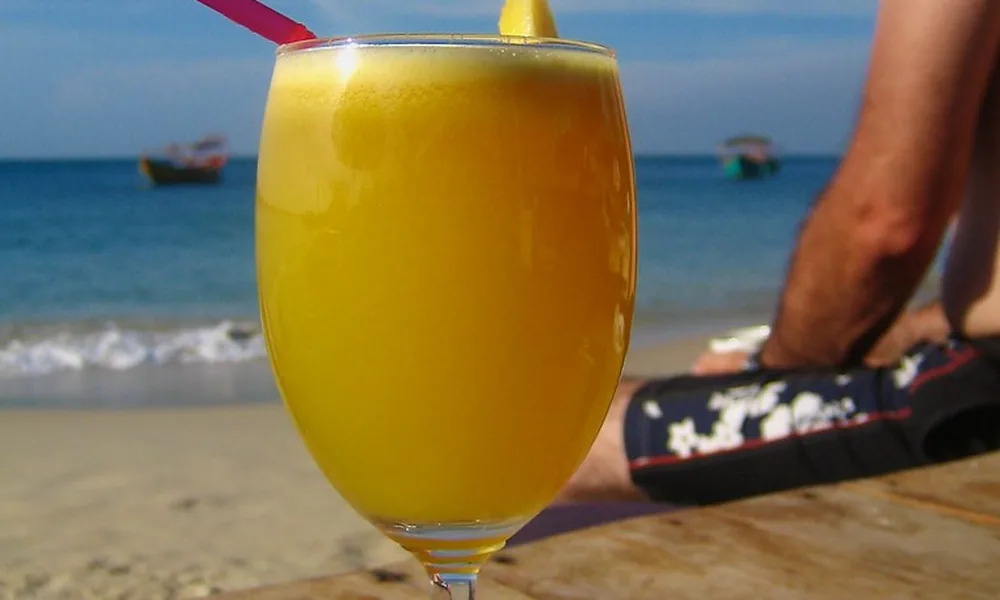
Pineapple juice tastes sweet because pineapples are sweet, and because juice concentrates that sweetness. A whole pineapple has fibre, water and bulk that slow you down; a glass of juice is the sugar of several slices of fruit with none of the chewing and none of the fibre. That is the nature of juice, and it is why a small glass feels right and a large one feels like too much.
Ripeness matters more than most people realise. An under-ripe pineapple makes juice that is sour and thin, while an over-ripe one makes juice that is syrupy and flat. The best juice comes from fruit that is golden, fragrant and slightly soft at the base. Temperature matters too: juice served warm tastes noticeably sweeter than the same juice served ice cold, because cold dulls sweetness on the tongue. Serve it straight from the fridge, over ice, and the sweetness drops a notch while the fragrance stays.
Taming the Sweetness
The best way to make pineapple juice less sweet is not to water it down, but to balance it. A squeeze of lime is the classic move: the acidity sharpens the pineapple and makes the sweetness taste like fruit rather than sugar. A thumb of grated ginger does the same job with a little heat, and a pinch of salt rounds off the edges and makes the flavour taste fuller.
Soda water is the other easy fix. A glass that is half pineapple juice and half soda water, over ice with a lime wedge, is lighter, fizzier and far more refreshing than a full glass of juice, and it still tastes unmistakably of pineapple. Coconut water works the same way, while a splash of tart cranberry or grapefruit juice pulls the whole drink towards the sour side. Blending helps too: pineapple juice mixed with orange or green apple juice keeps the tropical note while cutting the sugar per glass.
Cocktails and Mocktails
Pineapple juice is a cocktail staple for a reason: it is sweet, fragrant and strong enough to stand up to rum, vodka and tequila without disappearing. The classic piña colada pairs it with coconut cream and white rum, but it is a dessert in a glass, and best kept small. A lighter option is pineapple juice with white rum, lime and soda, which keeps the tropical flavour and drops most of the sugar.
For mocktails, pineapple juice is even more useful, because it gives a non-alcoholic drink a proper backbone. Mix it with soda water, lime and a dash of bitters, or with ginger beer and mint, and you have a drink that feels like a cocktail rather than a soft drink. The trick is the same as with the juice itself: keep the glass small, keep it cold, and add something tart or bitter to balance the sweet.
Pineapple juice is one of the most useful juices in the kitchen, and not just for drinking. Its bromelain enzyme breaks down protein, which makes it a powerful meat tenderiser: a pork or chicken marinade with pineapple juice, soy sauce, garlic and ginger will soften the meat noticeably within an hour. Do not leave meat in it overnight, because the surface turns mushy.
Cooking and Marinades
It is also a natural glaze. Brushed over ham, pork chops or roast chicken in the last twenty minutes of cooking, pineapple juice reduces to a sticky, golden coating that balances salt and fat with sweetness. In baking, it adds moisture and a gentle tropical note to cakes and muffins, and in dressings it replaces vinegar as the acidic element. One caution: fresh pineapple juice will stop gelatine from setting, because bromelain breaks down the protein in gelatine. Canned juice does not have this problem, because pasteurisation destroys the enzyme.
Pineapple Juice Compared With Its Rivals
| Juice | Sweetness | Best use | Watch out for |
|---|---|---|---|
| Pineapple | Very sweet | Cocktails, glazes, marinades | Large glasses, added sugar |
| Orange | Medium sweet | Breakfast, cooking | From concentrate can taste flat |
| Apple | Medium sweet | Everyday drinking | Cloudy vs clear is a style choice |
| Grapefruit | Tart | Balancing sweet drinks | Bitter edge, interacts with some medicines |
| Cranberry | Very tart | Mixing, not drinking neat | Most cartons are sweetened cocktail, not pure juice |
The practical lesson is to treat pineapple juice as an ingredient as much as a drink. Use it where its sweetness is an asset, in a glaze, a marinade or a cocktail, and dilute or balance it where it is not. Frozen pineapple is often the better choice for smoothies, because it brings the same flavour with fibre and bulk, and no extra sugar.
Buying and Storing Pineapple Juice
Buy pineapple juice in the smallest bottle you will finish quickly, because once opened it keeps for only three to five days in the fridge, and the flavour fades fast. Unopened, a carton keeps for weeks in the fridge or months on the shelf, so check the date and buy the freshest bottle. Shake the bottle before pouring: natural juice settles, and the sediment at the bottom is part of the flavour.
Look for a short ingredients list: pineapple juice, and possibly ascorbic acid as a preservative, and nothing else. If the label says nectar, juice drink or cocktail, it is not pure juice, and it will be sweeter and thinner than the real thing. If it says from concentrate, it is usable but flatter; if it says not from concentrate, it will taste brighter and cost a little more. Freezing is a good way to save leftover juice: pour it into ice cube trays and you have pineapple ice cubes for smoothies and cooking, with no waste.
Mistakes to Avoid
The most common mistake is buying nectar by accident. Nectar is mostly water and sugar with some juice, and it tastes syrupy in a way that pure juice never does. The second is serving a large glass warm: warm pineapple juice tastes twice as sweet as the same juice ice cold, so chill it hard and pour a small glass. The third is leaving meat in a pineapple marinade for too long: an hour is plenty, and overnight turns the surface to mush. And the fourth is using fresh juice in a gelatine dessert: the enzyme stops it setting, and canned juice or a quick simmer is the fix.
Checklist: Buying Pineapple Juice
- Choose juice labelled 100 percent pineapple juice, with no added sugar.
- Prefer not from concentrate for brightness, and accept from concentrate for cooking.
- Buy the smallest bottle you will finish within three to five days.
- Chill it hard and serve it in a small glass, over ice.
- Balance it with lime, soda water, ginger or a pinch of salt.
- Freeze leftovers in ice cube trays instead of letting them go off.
Frequently Asked Questions
Is pineapple juice good for you?
In a small glass, yes: it gives vitamin C and manganese, but also about 25 grams of sugar per cup and almost no fibre, so treat it as a pleasure rather than a health drink.
How long does fresh pineapple juice last?
One to two days in the fridge, in a sealed bottle. It ferments quickly and the flavour dulls within hours, so drink it the day you press it.
Can I drink pineapple juice every day?
You can, in a small glass, but a large glass every day is a lot of sugar. Diluting it with soda water is a better daily habit.
Why does pineapple juice make my mouth sore?
Bromelain, the enzyme in fresh pineapple, breaks down protein, including the surface of your mouth. Canned juice is gentler, because pasteurisation destroys most of the enzyme.
Is canned pineapple juice as good as fresh?
It is different, not worse. Canned juice is sweeter, softer and more consistent, and it works better for cooking. Fresh juice is brighter and more tart.
Can I use pineapple juice in a marinade?
Yes, and it is excellent for pork and chicken, but limit the marinating time to an hour or two. Left overnight, the enzyme will turn the meat mushy.
The Bottom Line
Pineapple juice does not need to be too sweet. Buy pure juice with no added sugar, chill it hard, pour a small glass, and balance it with lime, soda or ginger, and it becomes the bright, fragrant drink it was meant to be. Keep the rest for the kitchen, where its sweetness is an asset in glazes, marinades and cocktails.


