Ramen in 2026: Broth, Noodles and Toppings That Earn the Slurp
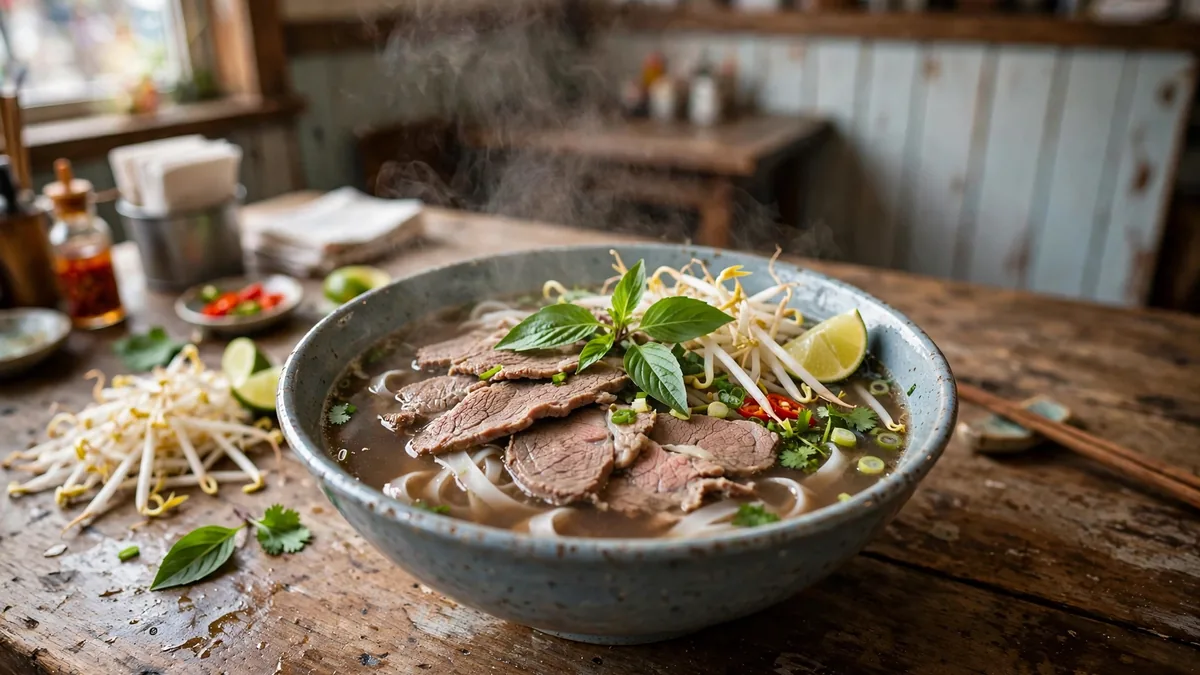
Ramen in 2026 is judged the same way it always has been: by the broth first, the noodles second, and the toppings third. A great bowl has a broth with real depth, noodles that are springy rather than soft, and toppings that add something the broth does not already have. A poor bowl hides behind salt, chilli oil and a fancy egg, and the first spoonful tells you everything. This guide explains what separates the two, in a ramen shop or at home.
Ramen is a Japanese noodle soup built from four parts that have to agree: broth, tare, noodles and toppings. The broth is the body, the tare gives it character, the noodles carry both, and the toppings finish the bowl. When one part is wrong, the whole bowl suffers: too much tare and the broth tastes only of salt, noodles cooked too long and the bowl turns to mush. Get all four right, and ramen is one of the most complete meals there is.
Key Takeaways
- Broth is the test: a great broth tastes of something real, not just salt and fat.
- Noodles must be springy: cooked just past firm, never soft, and eaten while they are at their best.
- Tare decides the style: shoyu, miso, shio and tonkotsu are seasoning choices, not just names on a menu.
- Toppings should add contrast: egg, pork, greens and nori each do a different job in the bowl.
- Eat it hot and fast: ramen is at its best in the first ten minutes, before the noodles swell.

What Ramen Actually Is
Ramen is a noodle dish, and that distinction is worth making plain, because the site already covers the dish it is served in. Our guide to noodle bowls that keep broth hot to the last slurp is about the bowl itself: its depth, its material, and whether it holds heat while you eat. This article is about what goes inside the bowl. The bowl is the equipment; the ramen is the meal. A perfect bowl cannot save a thin broth, and a great broth still deserves a bowl that keeps it hot.
Ramen arrived in Japan from China in the late nineteenth century and became a Japanese dish in its own right over the decades that followed, with regional styles growing up around different broths, noodles and toppings. The instant version, invented in 1958, made ramen a pantry staple around the world, but it is a different thing from a fresh bowl, and it should be judged on its own terms. Our guide to instant noodles worth stocking in 2026 covers that shelf, because a good instant noodle is a useful meal, just not the same meal as a bowl made from a slow broth.
The Broth Comes First
Broth is where a ramen shop proves itself, and where a home cook spends the most time. A great broth takes hours: bones simmered slowly until they give up their flavour, aromatics added at the right stage, fat skimmed so the broth is rich rather than greasy. The result tastes of something specific, whether pork, chicken, fish or vegetables, and keeps tasting of it all the way down the bowl. A poor broth tastes of salt and little else, because the seasoning did the work the simmering should have done.
There are two broad families. A clear broth, like the chicken and dashi broths behind shoyu and shio ramen, is lighter and cleaner, and shows off the tare and toppings. A cloudy broth, like tonkotsu, is made by boiling pork bones hard so fat and collagen emulsify into the liquid, giving it a milky look and rich, almost creamy body. Neither is better; they are different meals. Taste a spoonful of broth on its own before touching the noodles: if it is interesting on its own, the bowl will be good.
Tare: The Seasoning That Decides the Style
Tare is the concentrated seasoning placed in the bowl before the broth is poured over it, and it is what gives each style its name and character. Most ramen falls into one of four styles, and knowing them helps you order what you actually want instead of whatever the menu puts first.
Shoyu
Shoyu ramen is seasoned with soy sauce, giving the broth a brown colour and a savoury, slightly sweet depth. It is the oldest and most widespread style, and the one most people picture when they think of ramen. A good shoyu broth is clear, aromatic, and balanced, with the soy sauce supporting the broth rather than drowning it.
Miso
Miso ramen is seasoned with fermented soybean paste, giving the broth a thicker body and a rounder, slightly sweet flavour. It is a heartier bowl, and it takes well to corn, butter and vegetables. A good miso ramen tastes layered, not just salty.
Shio
Shio ramen is seasoned with salt, the lightest and most delicate of the four. Because there is so little to hide behind, a shio broth has to be genuinely good, usually built on chicken or fish. It is the style where a bad broth is most obvious.
Tonkotsu
Tonkotsu is both a broth and a style: pork bones boiled hard for many hours until the broth turns milky and rich. It is the most intense bowl on most menus, usually served with thin, straight noodles that cook fast and stay firm. A good tonkotsu is rich without being greasy, and never leaves a film on your lips.
| Style | Tare | Broth | Noodle | Best for |
|---|---|---|---|---|
| Shoyu | Soy sauce | Clear, savoury | Wavy, medium | A first bowl |
| Miso | Fermented paste | Thick, round | Wavy, thick | Cold nights |
| Shio | Salt | Clear, delicate | Straight, thin | Pure broth flavour |
| Tonkotsu | Usually salt-based | Milky, rich | Straight, thin | A hearty meal |
The Noodles Carry the Bowl
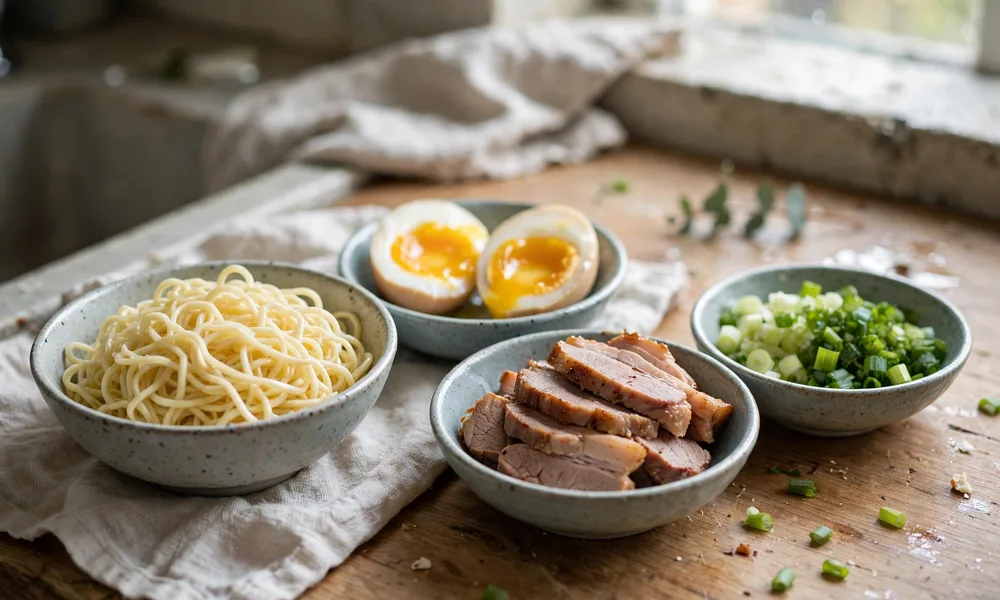
Noodles are the second test, and they fail more often than the broth. Ramen noodles are made from wheat flour, water, salt and kansui, an alkaline water that gives them their springy bite and yellow colour. That spring is the point: a good noodle resists your teeth for a moment, then gives, and it holds its texture in hot broth for the minutes it takes to eat the bowl. A noodle that goes soft in the broth was either overcooked or made without enough bite to begin with.
Thickness and shape follow the broth. Thick, wavy noodles suit rich broths like miso, because their folds catch the thicker liquid. Thin, straight noodles suit tonkotsu and shio, because they cook fast and stay firm. Fresh noodles are always better than dried when you can get them, but good dried noodles are still a fine base, provided they are cooked separately and added at the last moment. Never cook noodles in the broth itself, because the starch they release clouds and thickens it.
Toppings: What Earns a Place
Toppings finish the bowl, and each one should do a different job. Chashu, the sliced pork, adds richness. The soft-boiled egg, marinated in soy and mirin, adds a creamy yolk that melts into the broth. Spring onions add freshness and bite, nori adds a taste of the sea, and menma, the fermented bamboo shoots, adds a salty, chewy contrast. A good bowl has four or five toppings, not ten, and each one is there because the broth needs it.
What does not earn a place is anything added for looks alone. A topping that is cold in the middle, or one that duplicates what the broth already does, only gets in the way. The egg is the most common failure: overcooked, it turns chalky; cooked to a jammy yolk, it enriches every spoonful. The pork is the second: sliced thin and warmed in the broth it is tender, sliced thick it is chewy. Taste the broth before adding chilli oil or extra tare, because a well-made bowl rarely needs either.

Eating It: The Bowl, the Chopsticks and the Slurp
Ramen is eaten hot and fast, and how you eat it is part of the dish. Start with a spoonful of broth, then lift the noodles with chopsticks and eat them while they are at their best. The slurp is not rude in Japan; it cools the noodles slightly as they are lifted. Good chopsticks matter here, because the noodles are slippery and the toppings are small. Use the spoon for the broth and the last toppings, and finish the broth if the bowl was good enough to deserve it, because that is where most of the flavour lives.
Timing matters more than most people realise. Noodles keep absorbing broth, so a bowl left sitting for ten minutes is a different, softer bowl than the one served. Order when you are ready to eat, and eat without pausing. If you are cooking at home, have everything ready before the noodles go into the water: broth hot, tare in the bowl, toppings sliced and waiting. The noodles should go from pot to bowl to mouth in under a minute.
How to Choose: A Checklist
- Taste the broth first: it should taste of something real, not just salt and fat.
- Match the noodle to the broth: thick and wavy for miso, thin and straight for tonkotsu and shio.
- Cook noodles separately and add them last, so their starch never clouds the broth.
- Keep toppings to four or five, each doing a different job, with a jammy egg and warm pork.
- Check the chopsticks: a pair that grips well makes slippery noodles easy to eat.
- Eat it hot and fast, within ten minutes, before the noodles swell and soften.
Frequently Asked Questions
What is the difference between ramen and instant noodles?
Fresh ramen is built from a slow broth, fresh noodles and separate toppings, while instant noodles are dried noodles with a seasoning sachet, made in minutes. Instant noodles are a useful pantry meal, but they are not the same dish, and a good one is judged on its own terms.
Which ramen style should I try first?
Shoyu, the soy-sauce style, is the best starting point: clear, savoury and balanced, and the most widespread. If you want something richer, try tonkotsu next; if you want something lighter, try shio.
Is it rude to slurp ramen?
No, slurping is normal and expected in Japan, and it cools the noodles slightly as they are lifted. It is part of enjoying the bowl, not bad manners, though a quiet slurp is just as good as a loud one.
Can I make good ramen at home?
Yes, with a good shop-bought broth or a slow homemade one, fresh noodles if you can get them, and toppings prepared before the noodles go in the water. The broth takes the most time; everything else is quick once it is ready.
What is the egg in ramen called?
It is called ajitama, or ajitsuke tamago: a soft-boiled egg marinated in soy sauce, mirin and sake, with a jammy yolk. It should be creamy in the middle, never chalky, and it enriches the broth as you eat.
Do I need a special bowl for ramen?
Yes, a deep bowl helps: it holds the broth hot and gives the noodles room to move. A shallow bowl cools too fast and crowds the toppings. The bowl you eat from is worth getting right, which is a separate question from the ramen itself.
The Bottom Line
Ramen in 2026 comes down to the same four parts it always has: a broth that tastes of something real, a tare that gives it character, noodles that stay springy, and toppings that each earn their place. Start with the broth, match the noodle to it, keep the toppings short, and eat the bowl hot and fast. That is the difference between a bowl worth slurping and one that hides behind salt.