
A good spice set does in one box what months of one-jar-at-a-time shopping never quite manages: it turns a bare cupboard into a working kitchen. The best spice sets of 2026 give you the spices you reach for every week, in jars big enough to last but small enough to use up before they go stale, at a price per jar that beats buying singly. The worst look generous and disappoint in the pan: dusty jars nobody cooks with, tiny amounts of the ones you do, and mystery blends that taste mostly of salt. The difference is not jar count. It is whether the collection matches the way you really cook, and whether the spices are fresh.
We judged the spice sets of 2026 the way you would use them at home: by cooking a full week of ordinary meals from each set alone, with no backup jars from the cupboard. We cooked curries, roasts, pasta, stir-fries, eggs, rice and beans, noting which spices ran out first, which never got opened, and which jars stayed fragrant after a month. We also checked jar size, seals and cost per jar. A set that only shines on arrival is not a good set: the winners still taste bright weeks later.
Key Takeaways
- Buy for the cooking you already do: a set built around your weekly meals beats a bigger set of jars you never open.
- Whole spices stay fragrant far longer than ground ones, so whole peppercorns, cumin seeds and cinnamon sticks age better.
- Check jar size: jars under 30 grams run out fast on everyday spices, while jars over 60 grams of a rare spice go stale before you finish them.
- A good set costs less per jar than buying singly, but only if you would use at least three quarters of what is inside.
- Store it away from heat, light and steam, and label every jar with the month you opened it: ground spices fade within six months.
What a Spice Set Actually Is
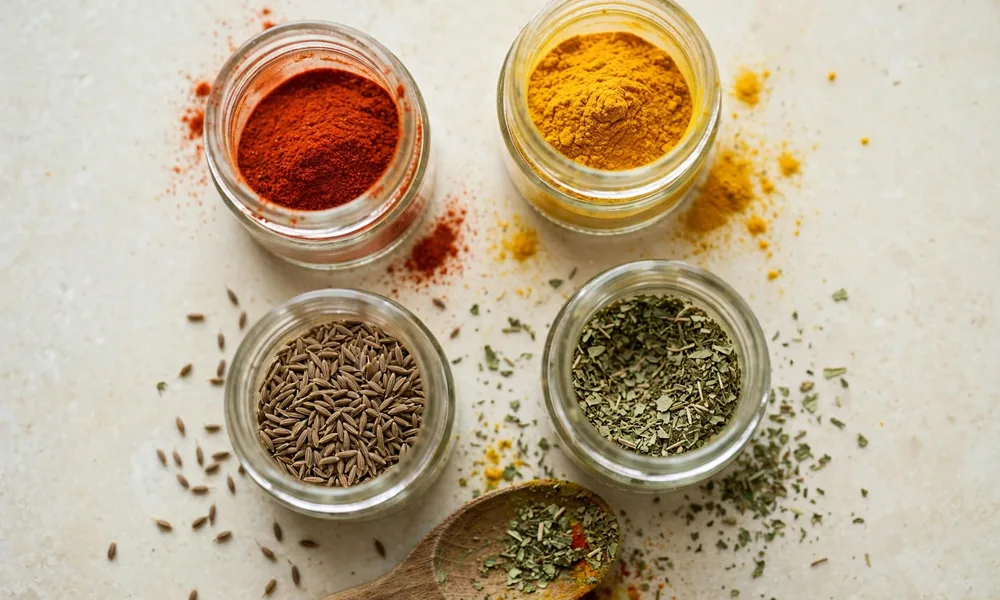
A spice set is a curated collection of separate spices sold together, usually six to twenty-four jars. Each jar holds one spice, whole or ground, so you can season a dish with exactly what it needs. That is what makes a set different from its neighbours in the kitchen. A spice rack is storage for your jars, not the spices themselves, and a spice jar is a single container whose seal and glass decide how long one spice stays fresh.
A spice set is also different from a spice blend, and the distinction matters when you are shopping. A blend is several spices already mixed in fixed proportions in one jar, like garam masala or taco seasoning, so one spoonful delivers a whole flavour profile. A set gives you the spices separately, so you control the proportions: more heat, less salt, no sugar, exactly how your household likes it. Blends win on speed. Sets win on control and range: the same ten jars can season a curry on Monday, a roast on Wednesday and a pasta sauce on Friday, while one blend does a single job.
The Spice Sets of 2026, Compared
We ranked the spice sets of 2026 by how they cooked across a week of ordinary meals. The table is the short version; the sections after it explain each style.
| Set style | Jars | Best for | Watch out for | Verdict |
|---|---|---|---|---|
| Everyday starter set | 8 to 12 | First kitchens, weeknight cooking | Small jars on the busiest spices | Best overall |
| Cuisine collection | 10 to 16 | Indian, Mexican or Mediterranean cooking | Too narrow if you cook broadly | Best for one cuisine |
| Whole-spice set | 8 to 14 | Freshness, grinding your own | Needs a grinder and more time | Best for flavour |
| Gift set | 6 to 12 | Presents, new cooks | Pretty box, ordinary spices | Best as a gift |
| Small-space set | 6 to 8 | Small kitchens, renters | Too few jars for keen cooks | Best for small kitchens |
| Budget set | 12 to 24 | Stocking up cheaply | Stale jars, filler spices | Only in a pinch |
The Everyday Starter Set Leads the Field
An everyday starter set is the clear winner for 2026, because it covers the cooking most people do. The best hold eight to twelve jars around the everyday rotation: black pepper, paprika, cumin, turmeric, cinnamon, chilli flakes, oregano, garlic powder and a couple of dried herbs. Those spices season almost everything a home cook makes in a week. Watch jar size on the busiest spices: some sets give the same small jar of everything, so black pepper and paprika run out in a fortnight while cinnamon sits untouched for a year. The best sets size jars to use: bigger on pepper, paprika and cumin, smaller on pinch spices. For a first kitchen, this is the set to buy, and the only set most households ever need.
Cuisine Collections for Cooks Who Know Their Lane
A cuisine collection gathers one food tradition into a single box, and for a cook who leans one way, it is the most useful set you can buy. Indian brings cumin, coriander, turmeric, cardamom and dried chillies. Mexican brings cumin, smoked paprika, chipotle, oregano and chilli powders. Mediterranean brings oregano, rosemary, thyme, basil, paprika and dried garlic. The trade-off is range: brilliant inside its lane and thin outside it, so buy one as a second set, or as a first set if you cook one cuisine most nights.
Whole-Spice Sets Stay Fresh Longest
A whole-spice set holds spices whole: peppercorns, cumin seeds, cinnamon sticks, cloves, cardamom pods and dried chillies. Whole spices keep flavour far longer than ground ones, because the oils carrying the aroma stay locked inside until you grind them. A whole cumin seed still smells warm after a year; ground cumin fades within months. The price is effort: whole spices need a grinder or pestle and mortar, and a few extra minutes. Toasting seeds in a dry pan for thirty seconds before grinding lifts the flavour further. It suits the cook who enjoys the ritual and notices the difference.

Gift Sets Are About the Box as Much as the Spices
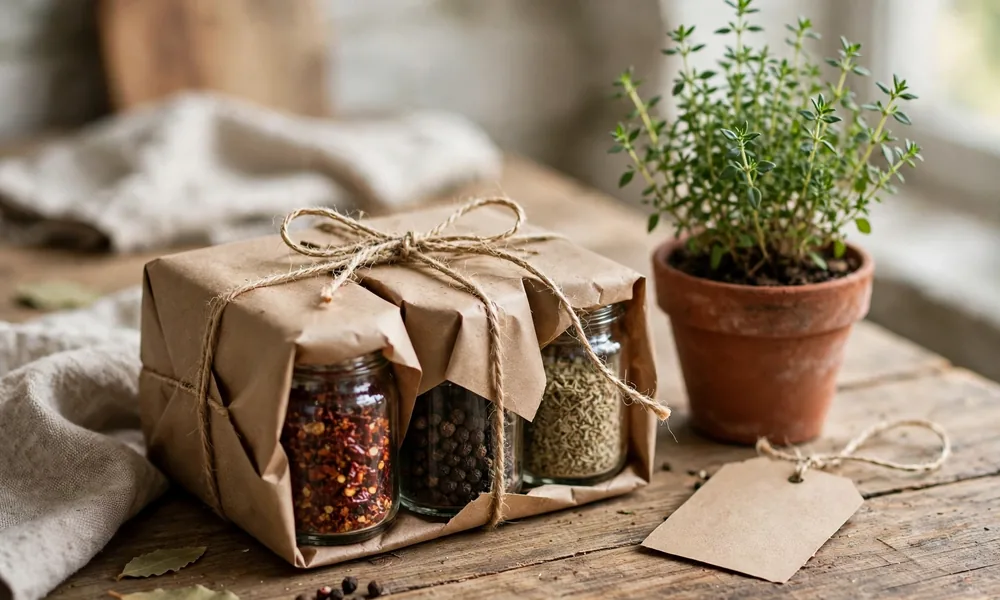
A gift spice set is designed to be opened, admired and cooked with, and the best ones manage all three. They arrive in a handsome box, jars uniform and well labelled, the selection friendly: everyday spices, a couple of gentle surprises, nothing needing a specialist to explain. For a new cook or a friend in a first flat, it is one of the most useful presents a kitchen can receive. The risk is paying for packaging, not spices: some gift sets dress up ordinary jars in an expensive box, with small quantities and a price far above buying singly. Before buying one, check the jar sizes and the spice list: if the box hides them, that is your answer.
Small-Space Sets for Tight Kitchens
A small-space set holds six to eight jars in a compact box that fits one shelf, a drawer or a worktop: the sensible choice for a small kitchen. The selection is ruthless in a good way: pepper, paprika, cumin, cinnamon, chilli flakes, oregano and garlic cover most weeknight cooking. The limit is obvious: six jars cannot cover a keen cook. If you bake, make curries from scratch, or cook across several cuisines, you will outgrow a small set within months. As a first set for a renter or student, it is the right size.
Budget Sets and the Filler Trap
Budget sets promise the most jars for the least money, sometimes twenty-four for the price of a takeaway, and the temptation is real. The best are genuinely useful for stocking a kitchen from nothing, if every jar is one you recognise. The worst are false economy: dusty jars, faded colours, filler spices like bulk dried parsley, and jars that smell of nothing at all. The test is simple: open a jar and smell it from a few inches away. Paprika should smell sweet and smoky, cumin warm and earthy, cinnamon sweet and woody. If a jar smells faintly of dust, the spice is already spent, and the money you saved bought you nothing.
How to Judge a Spice Set Before You Buy It
Read the jar list like a shopping list: count the jars you would use weekly, yearly, and never. A set where you would use three quarters of the jars is a good buy; one where half are strangers is clutter, however cheap. Then check freshness: open the brightest jar and look at the colour. Paprika should be deep rusty red, turmeric rich golden yellow, herbs proper green, not greyish brown. Faded colour almost always means faded flavour. Finally, work out the value: divide the price by the jar count and compare it with buying singly. A good set beats the single-jar price clearly, but the saving only counts if you use the jars.
Spice Set Checklist
- Count the jars you would use weekly, and only buy a set where at least three quarters earn their place.
- Check jar sizes: generous on pepper, paprika and cumin, modest on saffron and star anise.
- Open the paprika or turmeric first: deep red or rich gold means fresh, faded brown means stale.
- Prefer whole spices for the ones you use most: peppercorns and cumin seeds keep flavour far longer than powders.
- Store it in a cool, dark cupboard away from the hob, and label every jar with the month you opened it.
- Work out the price per jar against buying singly, and buy only if the saving survives the jars you will never use.
Frequently Asked Questions
How many jars should a good spice set have?
Eight to twelve jars suit most home cooks: enough for the everyday rotation and a couple of favourites. Larger sets suit keen cooks, but only if every extra jar is one you would genuinely use.
Are spice sets good value compared with buying jars singly?
Usually, yes, when you use most of what is inside: a good set costs noticeably less per jar. The saving disappears if half the box goes stale unopened, so count the jars you will use before comparing prices.
Do whole spices or ground spices last longer in a set?
Whole spices last far longer: peppercorns, cumin seeds and cinnamon sticks keep flavour for a year or more, while ground spices fade within six months of opening. Choose whole spices for your most-used seasonings if freshness matters.
How should I store a spice set once it arrives?
Keep it in a cool, dark cupboard away from heat, light and steam, never above the hob. Close lids tightly after use, and label each jar with the month you opened it.
Is a spice set a good gift?
Yes, for a new cook or anyone setting up a first kitchen, it is one of the most useful gifts you can give. Choose everyday spices and clear labels over an exotic collection, and check jar sizes so the gift is generous as well as pretty.
What is the difference between a spice set and a spice blend?
A spice set is separate spices in their own jars, so you control the proportions in every dish. A blend is several spices already mixed in one jar, like garam masala, so one spoonful delivers a whole flavour profile. Sets give range and control; blends give speed.
The Bottom Line
The best spice set of 2026 matches your cooking, not the biggest box on the shelf. For most kitchens, an everyday starter set of eight to twelve jars is the right buy: it covers the weeknight rotation, costs less per jar than buying singly, and turns a bare cupboard into a working kitchen in an afternoon. Add a cuisine collection when one tradition dominates your cooking, and choose whole spices when freshness matters most. Judge any set by the jars you will actually use, check colour and smell before you trust it, and store it cool and dark.


